 5:39
One big tip on set construction
On YouTube this video is called A Big Tip on How to Construct a DJ Set!!
What this lesson teaches
A short lesson with a single piece of advice, and the advice is to write things down.
On the fly versus prepared
He draws the distinction first.
On the fly is a club: a track is playing, the crowd want something, and you have to find the record that lifts them or brings them down. That is reading a room and it is difficult.
Prepared is at home, with time, trying to build something genuinely good. Different activity, and this lesson is about the second.
The tip
Get a piece of paper - he uses the back of a record sleeve - and number it: 1, 2, 3, 4, 5, 6, as many as the set needs.
Find the track you want to start with and write it at number one. Then find what follows it, and write that at number two. And so on.
Why writing it down changes things
It sounds trivial. It is not, for three reasons.
It makes you commit. Holding a set in your head means every decision stays provisional and you end up rearranging the first four tracks for an hour. On paper, number one is settled and you move on.
It makes the shape visible. Six tracks in a list can be looked at. You can see that four of them are the same energy, or that nothing happens until number five - which you cannot see while the music is playing.
It survives. A set you worked out in your head on Tuesday is gone by Saturday. The sheet is still there.
And it combines with everything else
This is the same sheet as the beginning-middle-end lesson and the key-sequencing lesson. One piece of paper with a numbered list, a key against each track and a B, M or E in the margin is a complete plan, and it takes half an hour to produce.
That is as close to a method as this stage gets.
Contents of the video
0:00 Set, we're talking about DJ set
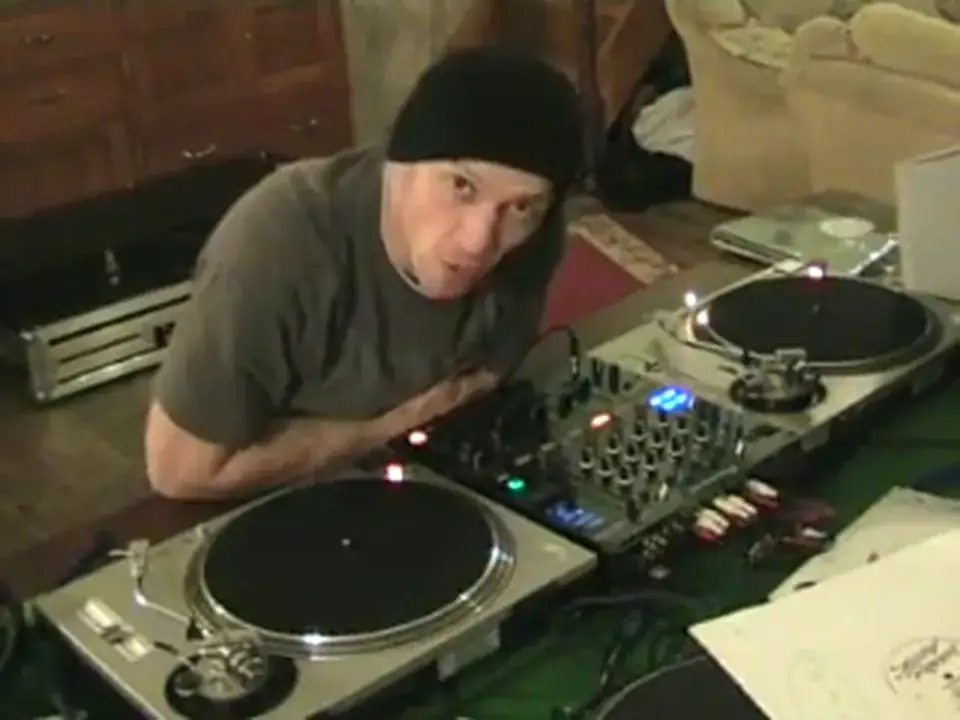
Alright folks, hopefully this video will get you what you've always wanted and that is your perfect set. First of all, when we talk about a set, we're talking about DJ set and putting records together, putting CDs together, PC programs, doesn't matter. Today I'm using vinyl but the same applies with CDs and PCs or PC programs, downloaded music let's say. Alright so what is the perfect set? A good set is where you have a continuity of a beat Continuity of the music, everything flows. But how do you do that? Very difficult for a lot of people on the fly. What is on the fly? It's basically when you've got one track and you're in a club environment and they demand good solid music and you look at the crowd and you've got to go with the crowd. So this track is on and maybe the crowd want to be lifted. So you have to find a track that will lift the crowd. Maybe they want to go down and find a track that will take them lower.
But let's say you're in your house and you want to get a pucker set. You want to get a really nice, decent, good quality set. How do you do it? This is one big tip for you. This is what I do. First of all, get a piece of paper. I've got the back of a record. And put 1, 2, 3, 4, 5, 6, whatever. That's dependent on however many tracks you want to play. Then find the track you want to start off your mix with. I'll show you. I'm going to put this guy on here. Now this is what I do. And I will class this now as track number one. So I will write down on my piece of paper the name of the track and I'll put down track number one. So I know now this is the beginning of my set, this is track number one. Then what I will do, this is like sort of funky house style. I will find loads and loads of funky house. I'll just get loads and loads of them. What I'll do then is I'll just go through tracks. Now take a listen.
2:08 I want to hear is if
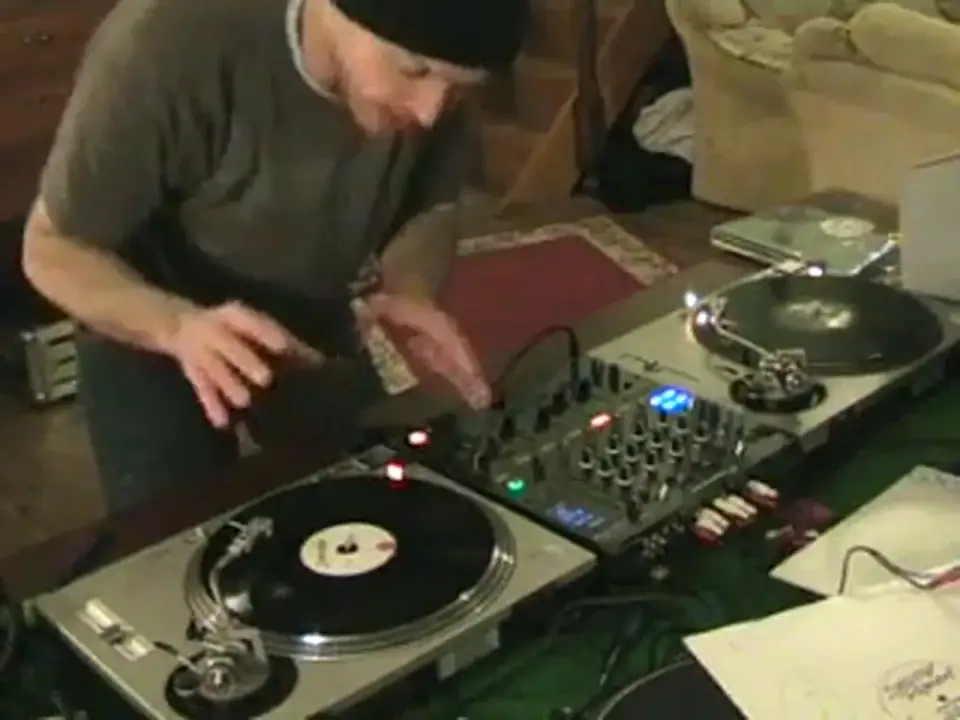
What I'm doing now is instead of trying to mix it or anything like that, I've got this one track playing and I'm just chucking this one in anywhere because the first thing I want to hear is if they're in key, if they sound well together. If they do, then there's a good chance that that track will work well with this one. If they do work well, yes, that's fine. The next thing we have to consider is will it take the mix higher, will it take the mix lower, or will it keep it at a steady point, a steady even position? So we have to consider that. So if I think that is worthwhile, bringing in for the second track, track 2, tune 2, I will write it down, track 2. If not, then I'll just take it off, I'll put it back in its pack and maybe I'll find another one. So what I'll do then, I'll still play track 1 and try another track. I can see some potential there.
3:52 Admittedly there's no point having one track over here that's about 12
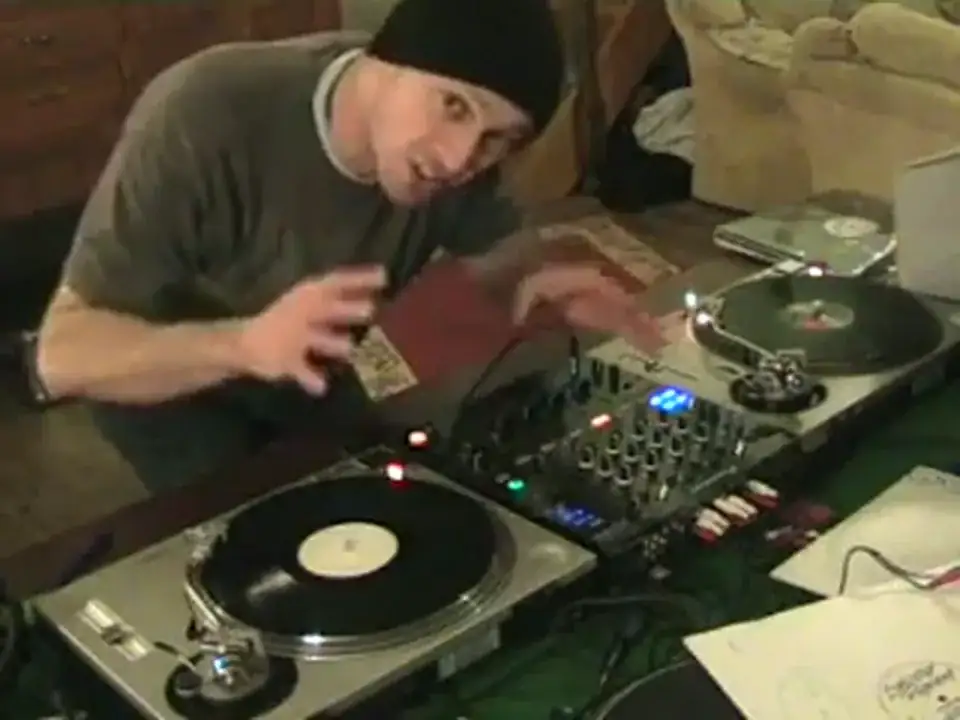
Because this one's funky, it's nice and mellow, it's got a good vibe, same as this one. So now what I've done, I've got my first track. Track number one written down on the piece of paper, that's track number one. And then I'll put that back. Now I will do exactly the same with this track. This one's playing and now I'll do exactly the same. Go through three or four tunes until I find a good track that will go with this one. This is the third one. It's not me! We're trying to listen to the feel of each tune and see if they work well together. Now I hope you can understand where I'm coming from because at this point when we're constructing a mix, we're not listening to the beats, we don't want it beatmatched, we're listening to the overall feel, the key, the tone of the tune. Admittedly there's no point having one track over here that's about 125 BPM.
There's no point at all trying to, I'm spitting over the records, finding records and you want to mix say this record in with that when this one's going to be about 170 BPM. You've got to try and keep them around about the same beats per minute. That's very important. That's really one of the main criterias, the main things to look at. Otherwise, all you have to consider, keep them the same sort of style, make sure they're in a suitable key. And then once you've got your set together working on this basis, then once you've got say 5, 6, 7, 10, 20 tracks, then you can go straight back to the drawing board and you know you've got track 1, track 2, track 3, track 4 on your piece of paper. You've got artist, title, record label so you don't have to run around thinking what's where etc because you've got the list down there. Once you've done that then you can start constructing your mix
Finding the right place to bring the tracks in, the right place to take the tracks out. And before you know it, you've got a fantastic mix and it's taking you just a little bit of time to find the tunes prior to starting to mix the actual mix. I hope that's been a help. Practice and enjoy. Thank you.
This transcript was produced automatically from the audio of the video and may contain mistakes.