 5:14
A few answers to for all DJ's, thanks to streethawk101
Contents of the video
0:00 This is a video response to StreetHawk101 who sent some very, very goo
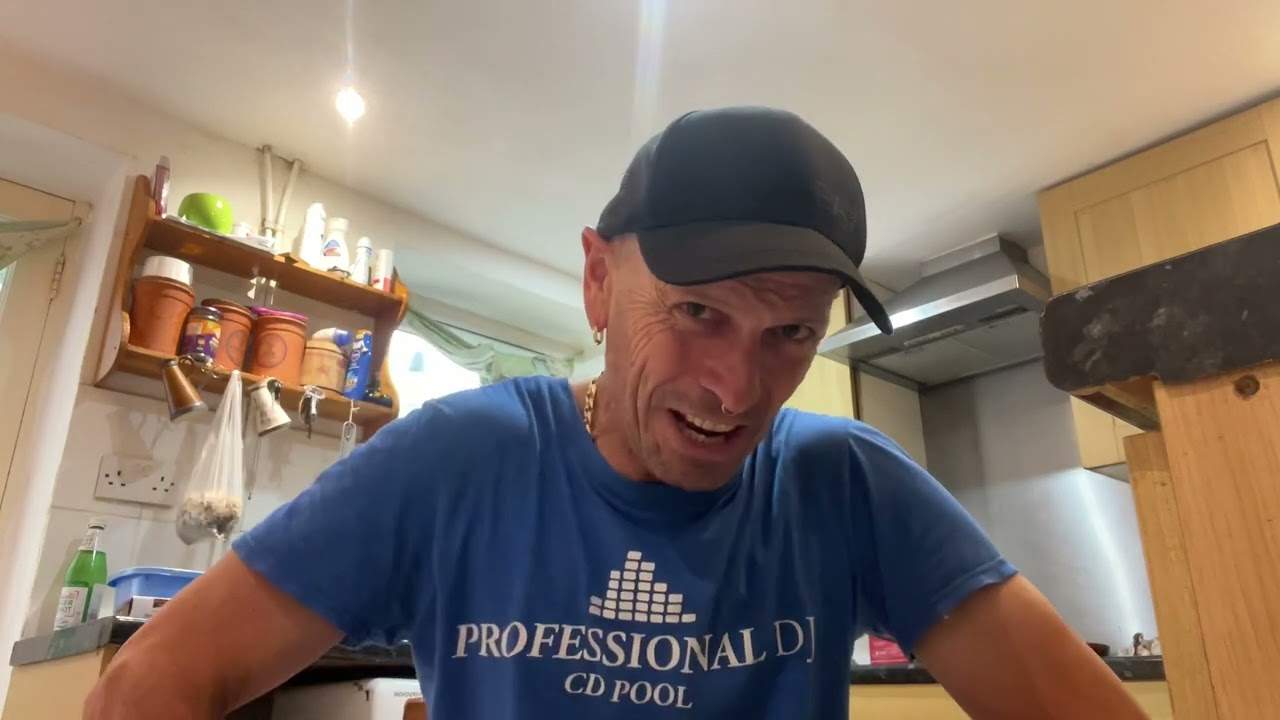
Right folks, this is a video response to StreetHawk101 who sent some very, very good questions. So I'm going to do a video response to you because everyone else can learn from this as well. First question, how much damage does scratching actually do to your fave records? Well it will do a lot if you've got the arm set incorrectly. A lot of DJs will have as much weight on the front as possible and the trouble is then the more pressure you've got on the vinyl... The more chance you've got of wearing out a stylite, which is a very, very tiny diamond. And of course the diamond is one of the hardest objects on this planet. So if you think about it, if you're rubbing hard a diamond on the vinyl... With a lot of pressure, it's going to wear out the records a lot faster. So think about it. If you've actually got your tone arms set correctly, less weight, less damage, less wear lasts longer. There you go. Right. Can you buy blank records for special kind of records just made purely for scratching? I've never heard of blank records, but what you can do is you can buy records known as breaks, okay, which are albums with loads of breaks on loads of...
1:50 Always make sure you've got ample protection, circuit breaker
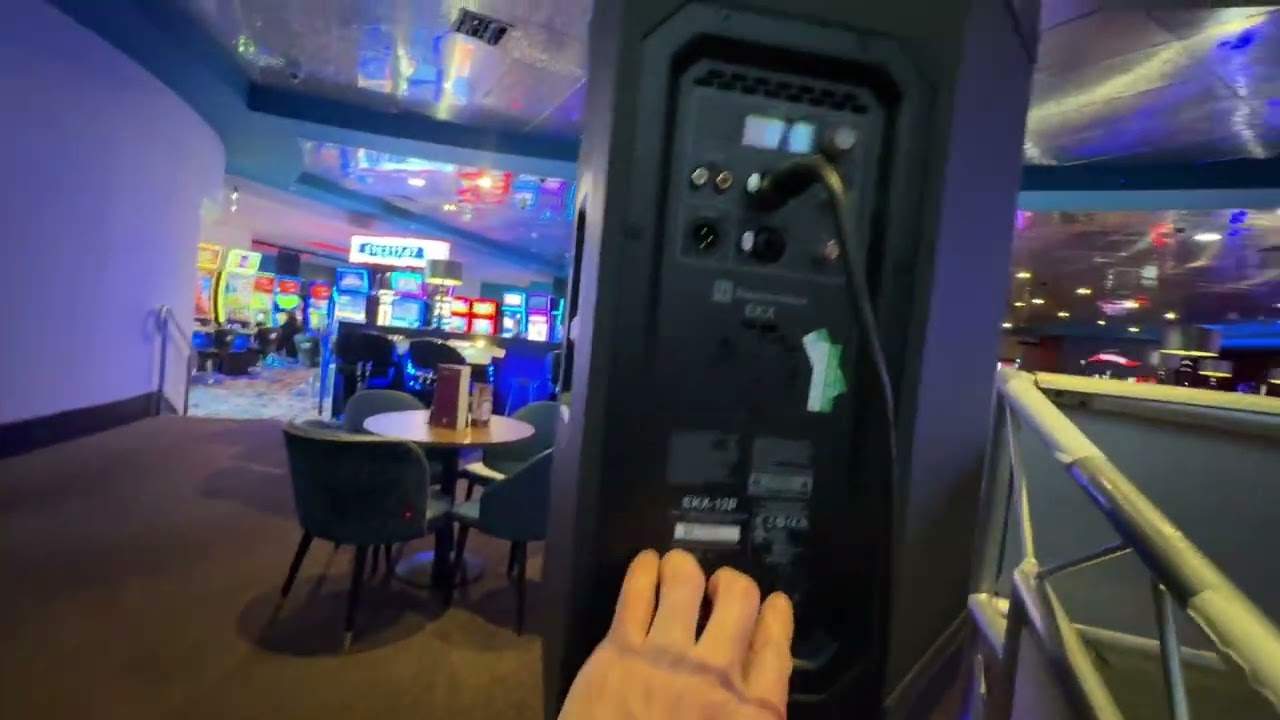
What's the difference between a needle you get on a hi-fi record player and the one you buy on a turntable? Well what you find is the old school needles on hi-fis are very fragile, they're very flimsy, very good quality, sometimes very expensive. Whereas the ones for DJs are very, they're more sturdy. You have the little shaft leading down to where the actual style eye is. If you notice, quite often they're a lot bigger, a lot fatter. Basically it means they can take more crap from DJs like us who just go wiki-wiki all the time. Then do you carry spare parts gear with you at gigs? How do you protect yourself and gear against a power failure? Right. First and foremost, circuit breaker into the wall, then you have your plugs into the circuit breaker. Get one or two, don't forget a 13 amp fuse in the UK will only take about 3000 watts of power. So in other words, if you've got loads of other amplifiers and whatnot going from one plug, then beware because A, you'll blur a fuse straight away, or B, that plug will get hot and halfway through the night everything will just go off. So always make sure you've got ample protection, circuit breaker.
Do you carry any spare parts yet? Alright, what I do is I tend to carry a spare amplifier and a mixer because if the amplifier goes you've had it, if the mixer goes you've had it, it's a good idea maybe as well to take an extra unit to play music with. Even if it's an MP3 player you can stick one of those in your back pocket and you've got thousands of songs on there. Don't bother taking loads more turntables or whatever, there's no real need. Take a spare Stylite cartridge as well, that's very important. Don't just go to a gig with two because if one goes and you're just a vinyl DJ you're stuffed. Alright, how much damage can alcohol do to records should you or someone accidentally spill a drink on it? Right, now if you get alcohol tipped on a record the best thing is to wash it off straight away just with warm water. Warm water, not hot.
3:35 In the sleeve like
Warm water, just warm water to the touch. Because again, if you have beer or coke, worst things in the world spill on records because there's a sugar content and if you leave it dry, what happens? It goes hard and sticky. It will wash off eventually but while it's... In other words, when it's just tipped on, that's the point at which you need to wash it off straight away. Do buy backups of your records in case they get damaged. The DJ Tutor, the DJ Tutor. I've seen so many DJs, they'll put the record in the dust cover, then they'll have the other packet, the sleeve, and they'll just put the dust cover in the sleeve like that. That's the wrong way to do it because all the dust gets in here. Dust cover will record, record in dust cover, turn the dust cover 90 degrees, then put it in the sleeve. They'll last a lot longer. Right, how do you deal with unfamiliar equipment? For example, someone has just asked you to play a set in a nightclub.
If you're a good DJ, even if you're If you're unfamiliar with a lot of other mixers, as soon as you go to that mixer, you can basically work out what's what. So if all of a sudden, there you are, bang, do a set, then you've just got to look at bass, mid, treble, find out your cue buttons etc., and then during the course of your set, you can maybe slowly get more familiar with the mixer. I hope I've been a help. It's very early in the morning. Practice and enjoy. Take it easy.
This transcript was produced automatically from the audio of the video and may contain mistakes.
Related videos
-
How to Get a Better Fee for Your Mobile DJ Services
He disclaims it as not financial advice and notes that everything depends on where you are. Taken as a checklist of what justifies a higher…