 4:44
A mix on a belt drive Turntable, The TT- Record
Contents of the video
0:00 Loads of people have asked for this specific video
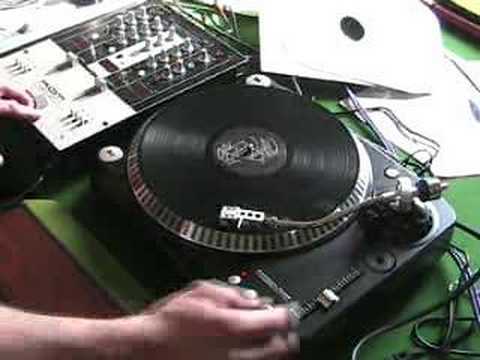
Alright folks, loads of people have asked for this specific video. What I'm going to do, I'm going to play a track on this guy here. This is a direct drive turntable. It's from Cam. It's the DDX5000 and I'm actually going to mix in a track on this guy here. This is a belt drive turntable and give my honest opinion about mixing on modern day belt drive turntables. This one is slightly different from your normal conventional belt drive turntable because it's known as the TT Record from American Audio. Basically what you can do, you can plug A USB port, a little flash drive, you can put your vinyl on there, press one button and it will record your vinyl for you. So there is a slight subtle difference there as opposed to normal belt drive turntables. So what I'm going to do, look to the side of the video by the way for the actual names of the tracks. We'll play a track here on the direct drive and I'll mix one in on the belt drive and once I've done that I'll give you my honest opinion on what I think. Here we go. Well first of all what I did notice is when...
2:57 In other words there's not much torque
When I actually tried to cue up the first beat, I did find that the platter underneath started to slow down. So in other words there's not much torque. What is torque? Well basically that's the... In a way that's almost like the power of the motor. Because what was happening, you put your hand actually on the piece of vinyl and as you're moving it back, you're causing some friction in between the record, the slip mat and the platter. So what's happening is the platter is almost starting to slow down because the motor can't cope. With the amount of pressure you're pulling back on. Also, what I noticed as well was there was less response with the pitch control. In other words, on a direct drive turntable, you slow it down, it slows down a lot quicker. You speed it up, speeds up a lot quicker. Also, it was a lot more difficult to actually keep it in beat.
Now again, this guy here isn't really made for just DJing purposes. It's mainly made for recording purposes. You've got to bear that in mind. Now here's something I'm going to turn right on its head. I've always said and suggested buy direct drive turntables, but if you think you're having a hard time mixing on direct drive turntables, then why don't you try mixing on... Bell drive turntables, because if you can master mixing on bell drive turntables, then when you finally get hold of some direct drive, you'll be like a duck to water. I've said that before. Okay, honest opinion about this. For what it does, it's a good turntable. I am going to be doing a video, a couple hopefully, on the process of actually recording your vinyl and then showing you how then you can transfer it and play it on a CDJ, etc. But in the meantime, practice and enjoy. Thank you.
This transcript was produced automatically from the audio of the video and may contain mistakes.





