 10:16
Constructing a Set Using Vinyl & the DN78 Super Stereo Rotary Mixer
Contents of the video
0:00 Using an album by Mr Robert Owens
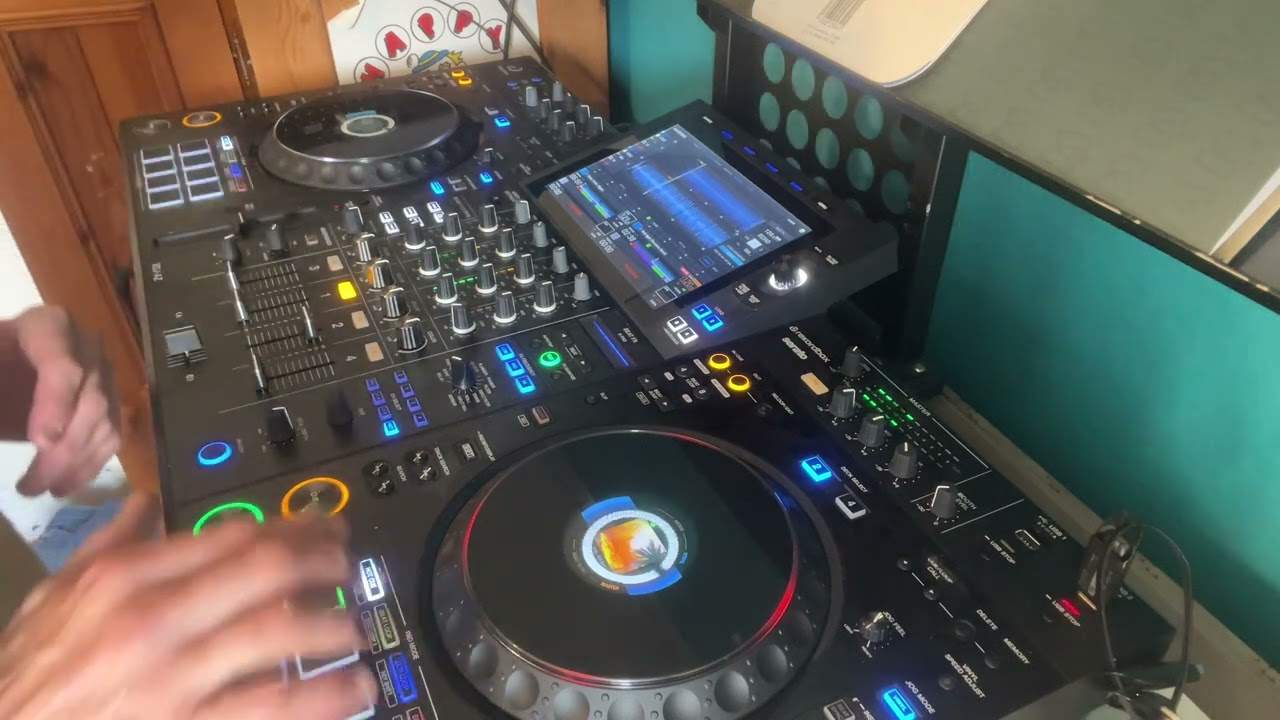
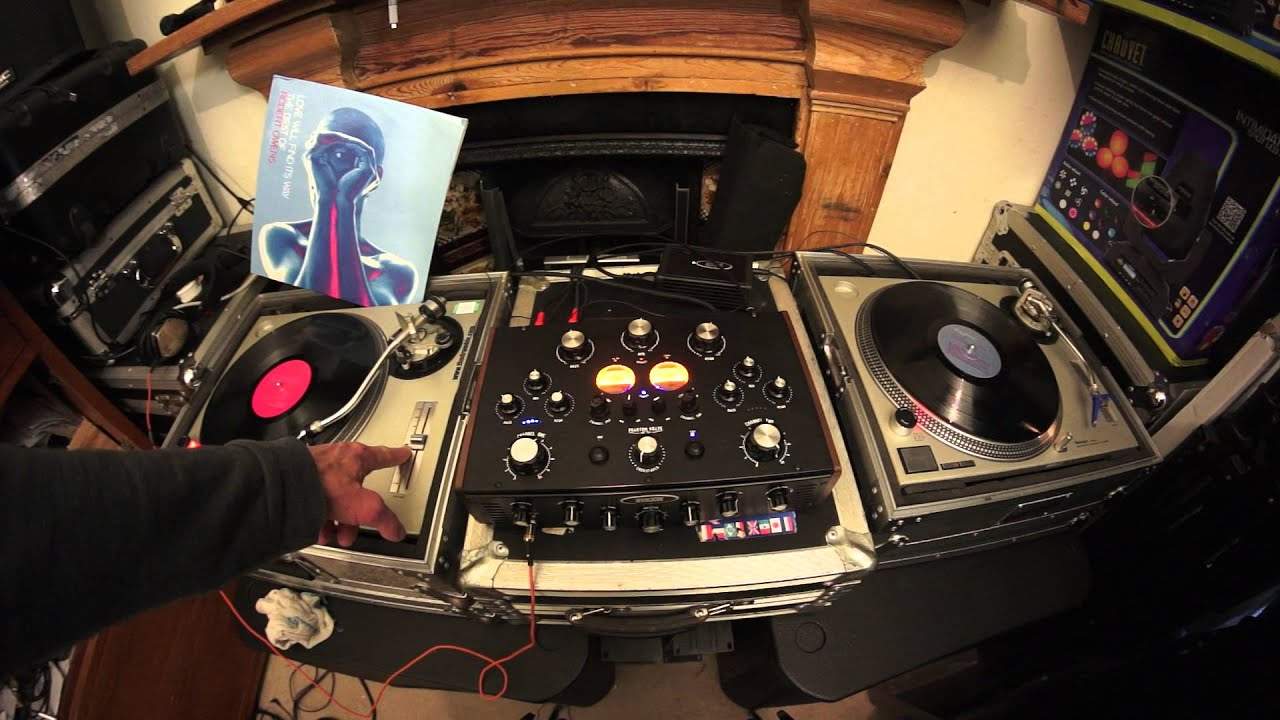
Alright guys, I'm going to do a bit of a mix using vinyl. I've got the DN78 which is a rotary mixer from Super Stereo, handmade in the UK. It's not the cheapest mixer around but it is great for that analogue old school sound, especially if you're going to be using vinyl. Okay, using an album by Mr Robert Owens. It's a track... sorry, the album is entitled Love Will Find Its Way. It's the best of Robert Owens and I've got two cuts so what I'm going to do, I'm going to give you a demonstration of the mix first then run you through the sort of procedure. Mixing on vinyl is no way at all like mixing on a controller or CDJ. It has its set up. Similarities of course because you're mixing two tracks, one into the other.
But where vinyl is completely different, what you can see in front of you is there's no BPM readout, there's nothing to tell you what the key is, you haven't got any wave format. You can't really do many effects unless you start doing scratch turntablism. I did a video on cutting with a rotary mixer a while ago and a few people were saying, you can't cut with a rotary mixer. Well, you can. It's more difficult. It's not advisable but by, let's say, digressing to apologise, but by maybe using the rotary to do a bit of cutting it's far more difficult which would mean that eventually when you get to a normal mixer, well not a normal mixer, you know what I mean with a crossfade, it's going to be a lot easier.
1:46 It looks straightforward and to an old school DJ it pretty much is
Alright, I'll do the mix first and then I'll run you through what's going on so... It looks straightforward and to an old school DJ it pretty much is. It's straightforward, it's relatively easy and if you've used vinyl in the past then you know the score but if you haven't used vinyl and you're more suited to CDJs or controllers then listen up because you could learn something. Right now first of all when you mix on vinyl you have, like I said earlier, you've got no technology to help you. You're not nurtured. You haven't got a dummy stuck in your mouth. And someone's looking after you. You're by yourself. If the needle jumps, you've got to deal with it. If it goes out of beat, you've got to deal with it.
You need to find the key, you've got to deal with it. So what old school DJs do and of course new school who still use vinyl is they will either know their tracks or they will be listening to the timing and the phrasing of the track. Right, this is really simple to understand. When you are using a controller or CDJ most of them have the little readout. You can see the wave format so you can pretty much see the change in the wave format but you can't really with vinyl. All you've got is maybe a slight difference in the texture, the look, the colour of the vinyl. It's lighter and darker shades. The lighter the shades, the more shiny they are. The less music that's going on in that part of the track and that's probably the instrumental break.
5:09 I would also then put right down next track to come in
So you need to work out whereabouts you are, have a look at that. If you're coming towards that then you're coming to an instrumental break or some form of break in the track. So that is the time when maybe you might want to start counting your bars to work out phrasing. Now also what old school DJs will do is they will set some form of playlist. Now again, not all of them. Some of them will set some sort of playlist. So for example let's say that's track one. Now if I was playing that what I would do, let's say I'm starting my set track one this is track one over here. I would write down track one is name of the track and I would put pitch at minus one. I would also then put right down next track to come in.
After vocals finish plus two bars which is pretty much what happened because if we go back here. Now I know this sounds a bit, it's a lot to take on but when constructing a set using vinyl and you want to get your set perfect. You do need to do something like this. Now a lot of DJs in fact most DJs who use vinyl will ad-lib. They'll just they'll go with the flow. They will be so useless. They're used to mixing with vinyl that the vinyl itself will take them on a journey. Not they take the vinyl on their journey. That's the beauty about using vinyl. You go on this musical journey where just stuff happens and you just randomly select tracks in your box. Because you know that'll work in with that track that's playing at the point where it's playing.
Because you know four or eight phrases from that point you'll be able to mix the next track in. That does make sense by the way. So let's have a listen again. Now also what I would have done prior to doing the mix and constructing my set. I would have then got the next track ready, worked out where to bring it in. I brought it in at the beginning of the track. And then because this pitch is set to minus one. I've put this one here to plus about three. So I'd write that down. Pitch at plus three. So during the course of my mix I know roughly where to put the pitch. Again because you haven't got a BPM readout. This is where your ear is paramount. Okay if we listen. Two, three and one, two, three. Oh we're not finished with vocals yet.
Still going on in the background. Two, three, four. There. So there. So one, two, three, four. One, two, three, four. That's where I'm bringing that track in.
7:29 I'm going to put the crossfade, well rotary crossfade should I say
I'm going to put the crossfade, well rotary crossfade should I say. To the halfway mark and let's get this track ready. So there it is. Okay so what I'm going to do. I'm just going to drop this one straight in at that point. One, two, three, four. One, two, three, four. Jump see. See this is it. And if it jumped you've got to try and make up for it somehow. Three, four. One, two, three, four. Now you'll notice I've got my finger on the pitch. It's got bloody headphones over there but never mind. Okay there we go. Bring that one straight out otherwise the other track will start. Unless of course you press stop. So this is it. It is about constructing the mix. Also what I did is I took the bass out from the left hand side.
The bass lines didn't cross over but I took the bass out and I also increased increased. I think the bass was a little bit high because I wanted more emphasis on that sort of high drum sound from the track that was leaving. Alright really class this as a bit of a demonstration but if you think you're having a hard time with CDJ or your controllers then have a go on vinyl and then you'll maybe understand that what you've got is quite easy to use. But let's just go back a little bit further. These are Technics SL-1200s. These are the original direct drive. Direct drive turntables. The platter itself is half of the motor. The other half is underneath and these were club standard full stop but prior to these
A DJ had to use Garrard belt drive turntables that didn't really do as they're told and people still managed to mix on them so if you can mix on these then I suggest you go back in time and try belt drive. If you can mix on those then congratulations. Practice and enjoy. Thank you.
This transcript was produced automatically from the audio of the video and may contain mistakes.