 9:27
Help with mixing in key
On YouTube this video is called DJ Help with Mixing in key
What this lesson teaches
He found this because he had to - small children in the house, so nothing could be loud - and then realised it was better.
The technique
Turn everything down. Not slightly down; quiet. The level he uses is low enough that it would not wake a sleeping child in the next room.
No headphones. He has them, and he is not wearing them, because at this volume both tracks are audible together in the room.
Then mix.
Why it works better
Because at a low level you hear the overall sound of both tracks at once - the combination, rather than the two components.
Loud music is exciting, and excitement is the enemy of judgement. The bass is physical, the kick is thrilling, and both of those mask the harmonic relationship entirely. A mix that is in the wrong key can feel fine at volume because the energy carries it.
Quiet, there is no energy to carry anything. What is left is whether the two pieces of music agree with each other, which is exactly the thing this course is about.
The headphone part
The secondary benefit, and it is real: with both tracks at a comparable low level, you can hear the incoming one well enough to work with it without cueing.
That removes the business of one cup on and one off, matching the headphone level to the monitor, and all the rest. Not as a permanent method - you need headphones to play out - but as a way of practising harmonic judgement with the fewest possible distractions.
When to use it
As a preparation tool rather than a performance one.
Trying pairs of records to find out which work together is best done at this volume, where the answer is clearest. Then play them loud, where they will sound better than they did and you will already know they are right.
Contents of the video
0:01 This particular video is all about helping you learn how to mix in key
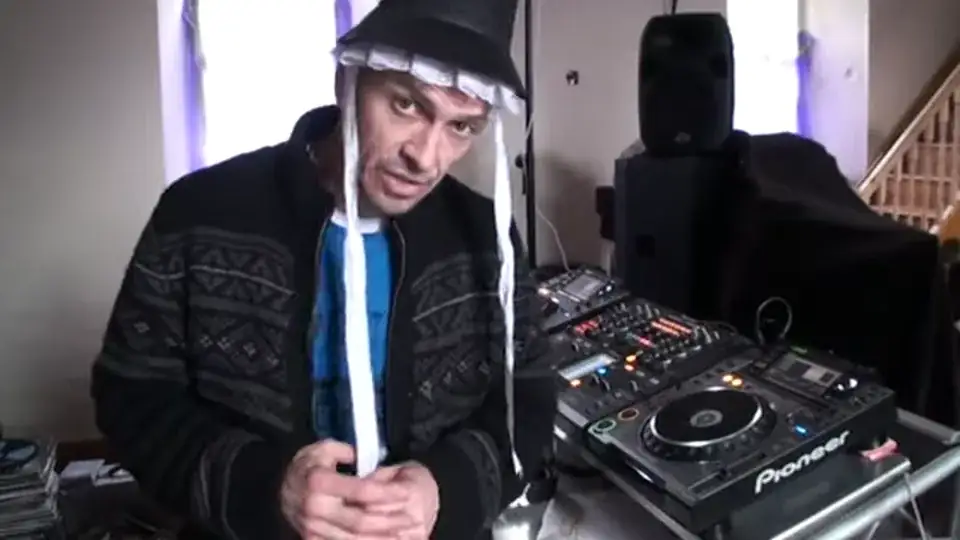
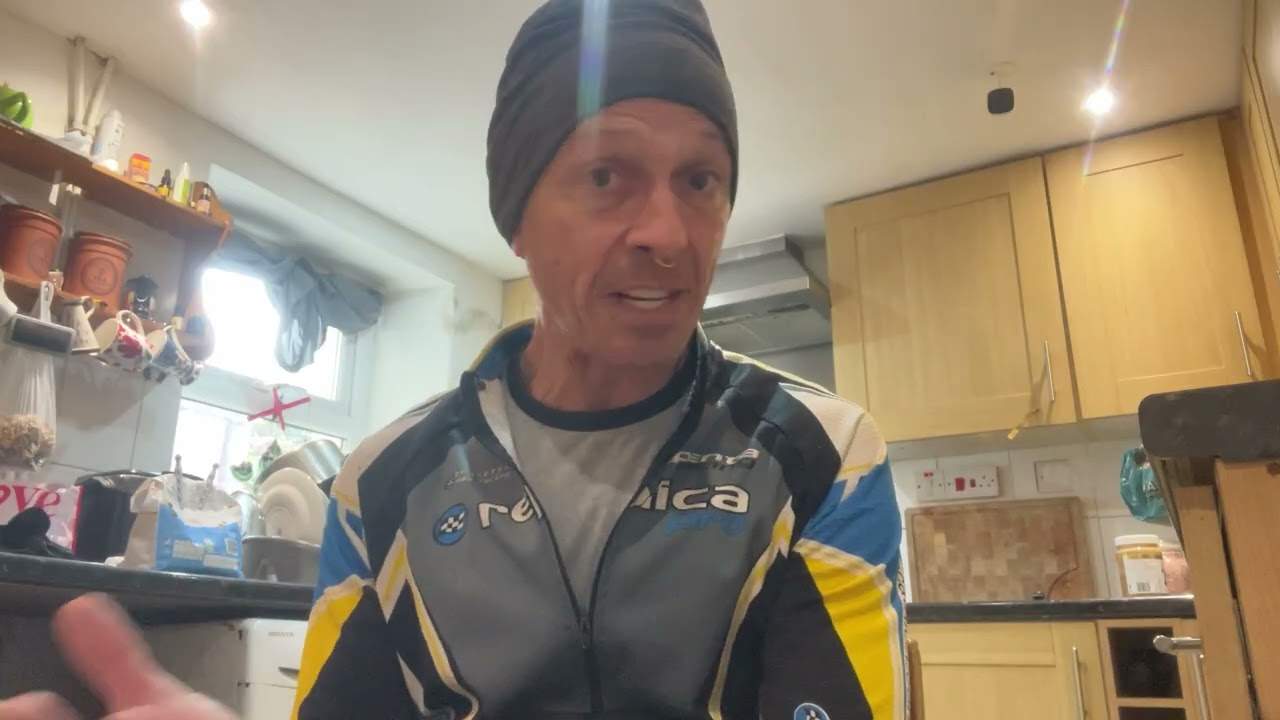
Alright guys, this particular video is all about helping you learn how to mix in key. Now, using this technique, you don't have to have anything loud or anything like that. Everything has to be very quiet. And I got to learn about this technique through an accident really. What happened is that, you know, small children, of course, little baby blaze and you can't have the music loud because if you do, they wake up. And I realised, after a while, well, crikey, there's probably no need even to have headphones on because using this technique, you can not only mix without using headphones but you can also mix music a lot better because you can hear the overall sound of both tracks. The one that's playing and the one that you're mixing in.
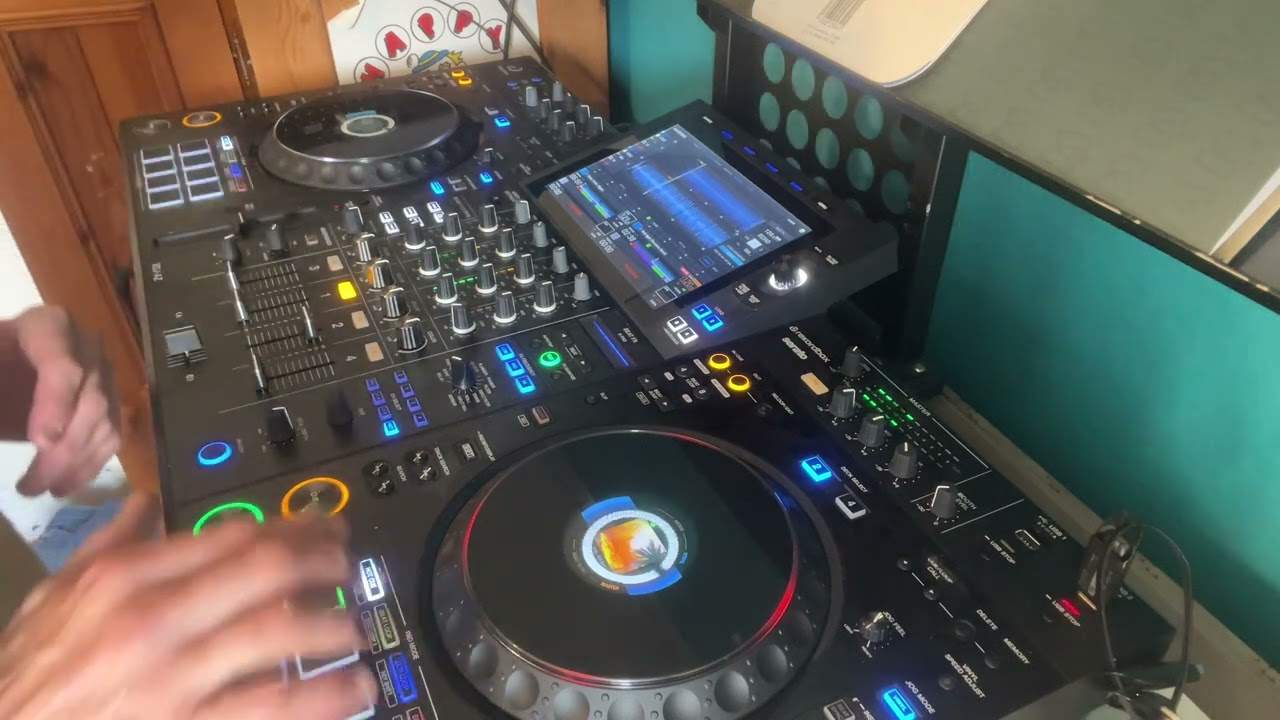
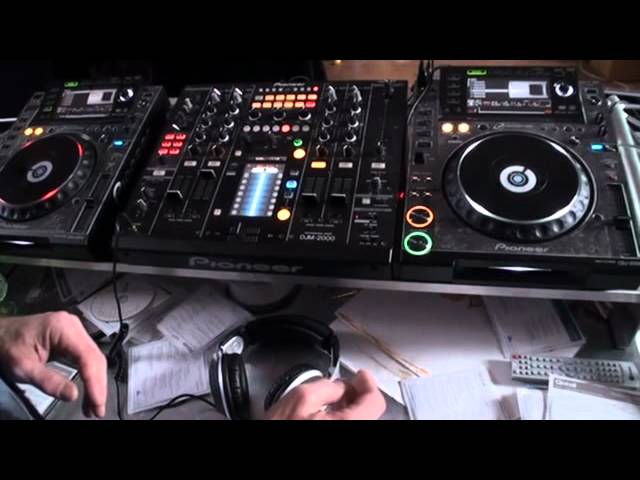
So, follow this technique and hopefully it will help you. So what I'm going to do is, if we go a little bit closer. First of all, the track I'm going to be mixing into is Michael Jackson, Billie Jean. Listen to it, let's have a listen in its, let's say for example you're playing to a few people. Have a listen. That's too loud. I'm going to be playing it at around about this volume. There. And that, quite often or not, is the volume that I have the music when I'm doing blog TV. So, a few people say, oh, you're not using headphones. I actually am using headphones but I'm not using them. There are the headphones down there. Alright? So, you can see volume is quite high up on there. And that is coming through the speaker over there.
So what we do is I'm now going to try and find a track over there.
1:55 This is my technique and it does work
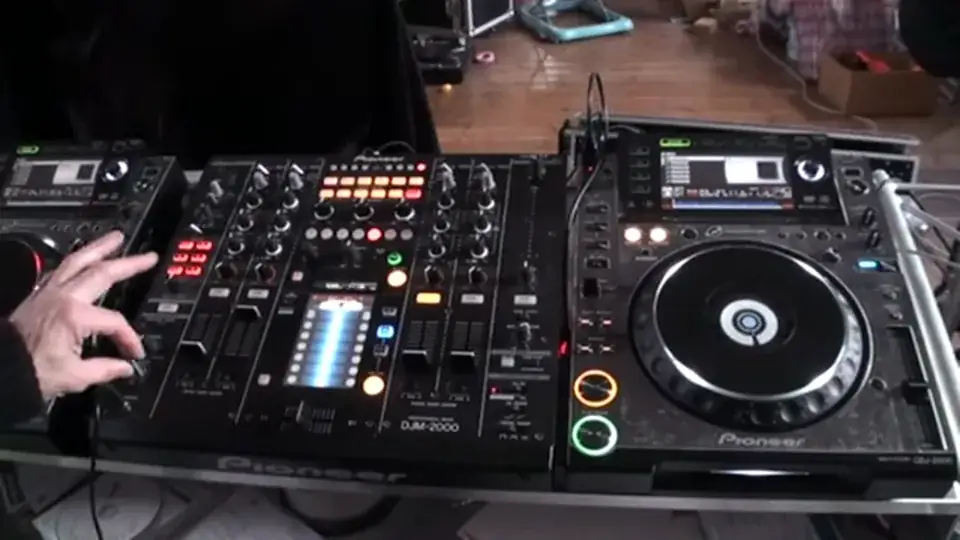
This is my technique and it does work. Microphone, oh sorry not microphone. Volume up on headphones, cue there. Have a listen. What we're doing now is you're listening to the volume coming through the headphones there. So, what I'm going to do is I'm going to listen to snippets of tracks on there over that one there. Michael Jackson, Billie Jean. I'm going to listen to Michael Jackson, Billie Jean through the speaker. I'm going to listen to the snippets of the track through the headphones. What I want to happen or what will be happening is the audio level. Of the track coming through the speaker will be at the same volume, the same audio level as coming through the headphones. In other words, headphones are very small speakers
And that speaker up there is very big. These guys, the headphones deal in milliwatts. A thousand milliwatts is one watt. Whereas that speaker is in a lot of watts. It's around about 250, 350 watts. 350 watts. So, press play. So what I'm going to do is, can you get the two of them? Let's try another one. You see now, I'm getting a bit of it almost as though I feel as though those two tracks would work but at the same time there's a difference in tempo and even though the keys seem to work if I wanted to do an actual beat mix I need to find a track that not only sounds well but also is in time with the BPM beats per minute. So for example, I could maybe chuck that one in. So, hold on. Something like that is called a chop
4:42 BPM let's just bring the volume
But what I'm able to do here I'm able to listen to the key the sound the melody everything and determine based on how the keys work if I should or shouldn't bring the next track in. So right, we'll still keep on with MJ because that's the one we want to use. I'll just go back to the beginning of it. Very low again. Let's try another one. Venus. Again, that seems to work but let's have a look. That was too fast. Let's try another one. Cameo Word Up. Right, let's have a look at the BPM let's just bring the volume down. Right, okay so we've got one here which is 117 BPM the cameo one which is 117.3 it's roughly about the same So I'm actually thinking here these are good tracks to mix in. So using this technique what I can do now
Is I can have the headphones up. Now notice I haven't got those headphones on. What I'm going to do a lot of people say oh, you know when they've watched me on blog you're looking at the BPM. So what I'm going to do now is I'm going to cover that BPM over with that and I'm going to cover that BPM over with that What I'm going to do again people thinking oh, you've already set it I'll put that one down there.
Alright so now I'm going to match them up using the volume here from the headphones and the volume from the speaker. Speaker's still a bit too loud I need to get the volume the equivalent the same headphones and speaker Let me just put that over there so you can see what's going on Here we go I'm only listening to it now I can't see anything
Right We'll pause those What we'll do now is I'll just take the camera off the stand and we'll have a look a rough idea That's at 112.1 and that's at 112 So there is proof beyond shadow of a doubt that I've near enough matched those up perfectly by just using the headphones on the monitor there so the next thing to do of course is to find an appropriate place to put the track in So let's have a look I'll tell you what You know what I'm going to do I'm going to do a bit of a mash up here I'm going to form a loop from the beginning of that track and bring this one in So imagine you've got this playing Sorry What you've got to appreciate is completely and utterly on the fly and if I'd have had time and done that correctly what I was trying to do there
Is I had that playing the Michael Jackson I then could have let's say got a cue point in the track but what I tried to do was go right back to the beginning form a loop and then bring in the next track with it of course completely random very fly but hopefully you'll get the general idea of this video It's not about doing the perfect mix It's about showing you another way of being able to match keys I hope it's been a help Practice and enjoy And I hope you like my t-shirt Thank you
This transcript was produced automatically from the audio of the video and may contain mistakes.