 7:26
The jump: skipping a step to lift the room
On YouTube this video is called DJ HELP WITH MIXING IN KEY! mixedinkey Video 4, THE JUMP!
What this lesson teaches
This lesson explains something you have felt and probably could not account for.
The experience
You are in a club or listening to a radio mix. The music is chugging along happily, there is a mix, and it takes you a level higher. Something about the feel changes and the atmosphere goes from happy to euphoric.
He is about to tell you what happened.
The three options
Say you are at 12B.
Stay at 12B. Track after track in the same key. The crowd will enjoy themselves, and eventually they will want to go somewhere - a set that never moves harmonically plateaus, however good the records are.
Move one step. 12B to 1B, or 12 to 11 to 10. Smooth, almost imperceptible, and the energy stays roughly where it was. This is how you cover ground without anybody noticing.
Skip a step. 12B to 2B, or 12B to 10B.
The skip
That is the move, and it is what produced the moment you remember.
Jumping two positions is a bigger harmonic distance than one, so the ear registers it as a genuine change rather than a continuation. Done at the right moment - after a stretch of steady progress, into a track with the energy to carry it - the room goes up.
It is the step from the stick-figure drawing in lesson one, made concrete.
Using it
Two cautions worth adding.
It only works as a contrast. A set made entirely of two-step jumps has no steady stretches for them to stand out against, and the effect disappears. The flat parts are what make the steps.
The records have to deserve it. A key jump lifts the room only if the incoming track has somewhere to go. Jumping two positions into something quieter produces a change that registers as odd rather than exciting.
So it is a move to plan, place deliberately, and use perhaps a handful of times in an evening.
Contents of the video
0:00 Another video for you on the subject of mixing in key
Alright folks, another video for you on the subject of mixing in key. Just remember that for a second. If you haven't seen the others then go and check them out. Alright, let's say for example you're listening to the radio or you're in a nightclub and the music's happily chugging away but all of a sudden there's a mix and it just takes you that next level higher. There's something about it, there's something about the feel. You can almost... Since the atmosphere in the room has gone from happy to almost euphoric. Now, I'll explain what's happening. Okay, first of all, let's have a look at this guy here. As you can see, on the outside we've got Bs, which are the major keys, and inside we've got the minor keys. Now, theoretically, we can do quite a few things. We will go, as the videos progress, we'll go more in depth. But, theoretically, you know, we can stick to 12B, we can happily chug along there for ages.
The crowd may enjoy themselves, but at the end of the day, they're going to want to go higher or lower. So, of course, you can go here, 1B, or maybe from 12, you can go 11, and then 10, 9, 8, etc. But this is what actually happens, or what could happen, could be one of the reasons why the crowd has all of a sudden gone whoa in the air and euphoric. Because we've gone, let's say, or they have, should I say, From one of these keys, 12b, and they've skipped one and they've gone to say 2b. Or they've gone 12b to 10b. In other words, there has been a jump in the feel. Now this is what I'm going to do. Look to the side of the video and you'll see the tracks and also the keys. I've got a track here that is 5a. This track here is 7a. Now my mind's absolutely boggled with these particular videos I'm doing, believe me.
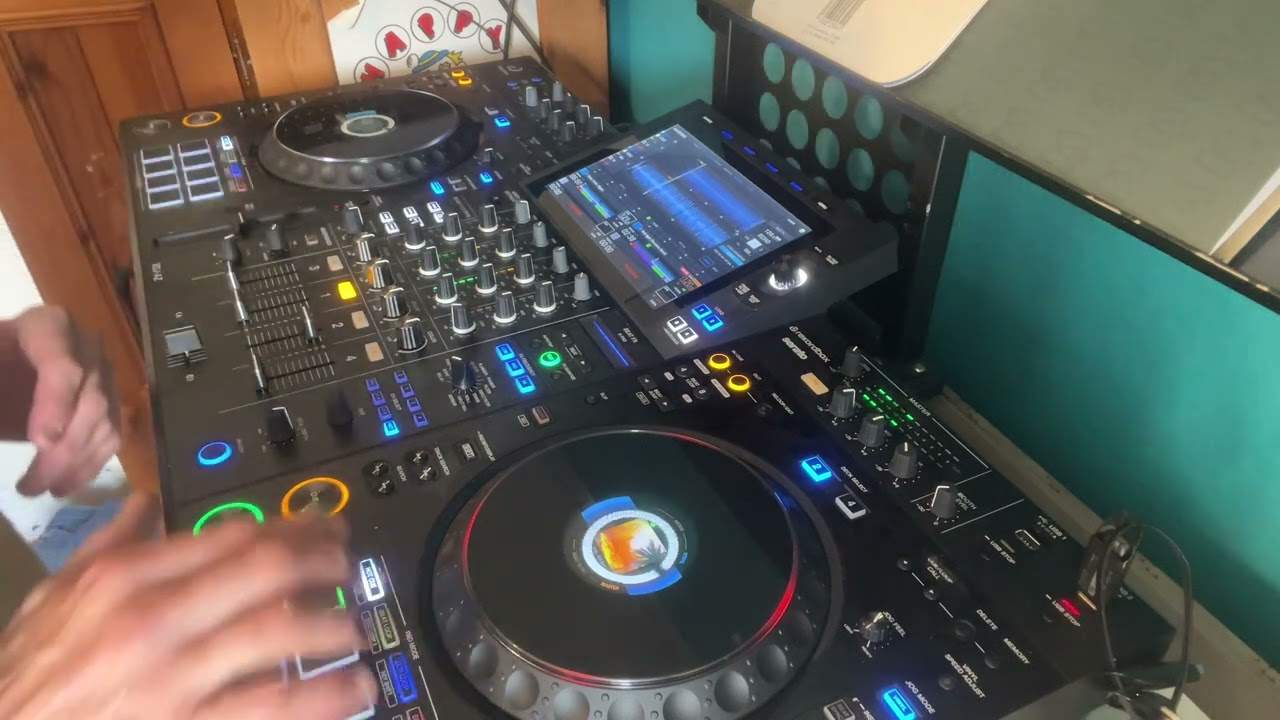
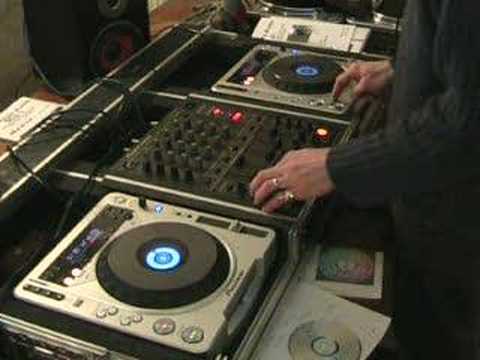
It's like, but there you go. But hopefully if it's helping you then, who gives a monkeys? Okay, so what I'm going to do, I'm not only going to show you or let you try and listen to what's actually happening, but I'm going to do two mixes. The first mix, I'm going to basically beatmix this one in at the end and hopefully you will hear a certain sort of flow. But in the second mix, what I'm going to do, I'm going to then bring this second track in at an appropriate time where the bass line of that one finishes and the bass line of this one will come in and we will hear that jump. Therefore, we can imagine the crowd going way and lifting that little bit higher. So, I'll pause the camera. I'll plug the plug-in thing to the side of the camera so you get better audio. And when you see me do that, I want to actually fit...
2:50 Who use this are a waste of time
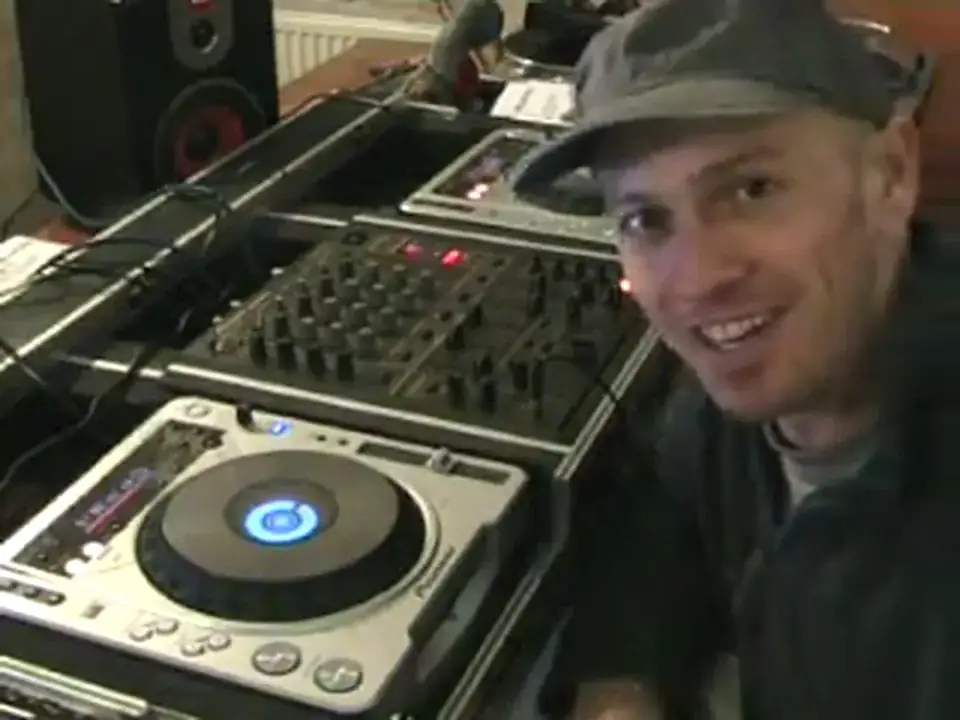
Forget about that. When you see me do that, put my two fingers up, not that way. When you see me do that, it basically means I'm doing the second mix but you should know that anyway because you've just seen me messing around. Okay, hold tight. There's another way of actually using this. Now there's a couple of people out there that I'm sure will leave comments on this video and they'll leave comments on the other videos saying you don't need this, you just use your ears. People who use this are a waste of time. Well here's the deal. Maybe you're a pro professional DJ. You've been DJing for years and you know exactly what to do. Now, here's my philosophy on this. If you study this and have a look at it and work out your mixes, let's say you're a new DJ, you work out your mixes and you know you can construct them using this, then you will actually get used to doing
Put it this way, that could be a good stepping stone to get you on the way of doing good mixes so therefore you're not going to be like three years down the line and still scratching your head thinking well why aren't people dancing because at the end of the day that's what we want. Practice and enjoy.
This transcript was produced automatically from the audio of the video and may contain mistakes.