 10:07
DJ Lesson on How to Increase the Vibe in the Break of a Tune
Contents of the video
0:01 This demonstration stroke tutorial is about breaks in a track
Alright ladies and gentlemen, this demonstration stroke tutorial is about breaks in a track. So if you listen to a track, you've got beginning and end, and during the course of that track you've got a break somewhere. Sometimes it can be an instrumental break, other times it can be a complete break where you've just got a melody or some sort of wailing sound in the background. But pretty much every single time that break will be perfectly structured so it will be a break of 2 bars, 4, 8, 16, possibly 32. Some breaks can be not boring but almost the feel, the vibe is like we want this break to finish because we want the kick to come back in. We want to hear that bass line again or we want to hear the drums.
So using this technique, the first technique what you can do is get away from the boredom of a break. Using the second technique, what you can do is you can make the break be more vibrant, have more energy and without the crowd knowing just get them rocking even more with a simple move. First of all, the first one is showing you how we can take away the boredom from the break and give it some spice. Now I'm using two tracks from the Club Edition CD Pulled 1. March 2015. Over here I have got track 3 from disc number 1 which is Zedd's Dead and Oliver Heldens Know You, it's the original mix. It's on Spin Records, it's released March 15th. This one over here is track 4 from disc number 2 which is Sigma featuring Labyrinth, tracking title Higher.
It's the Grades remix, Act 2. 22nd March 2015. So if you're watching this in 2016, well it's all right, you can still go and get it. Okay so let's have a listen to this track here and we'll listen to the break. So really nice bass line here.
Let's get to the break. Here's the break. Can you hear the nose?
2:36 The formula here is very simple
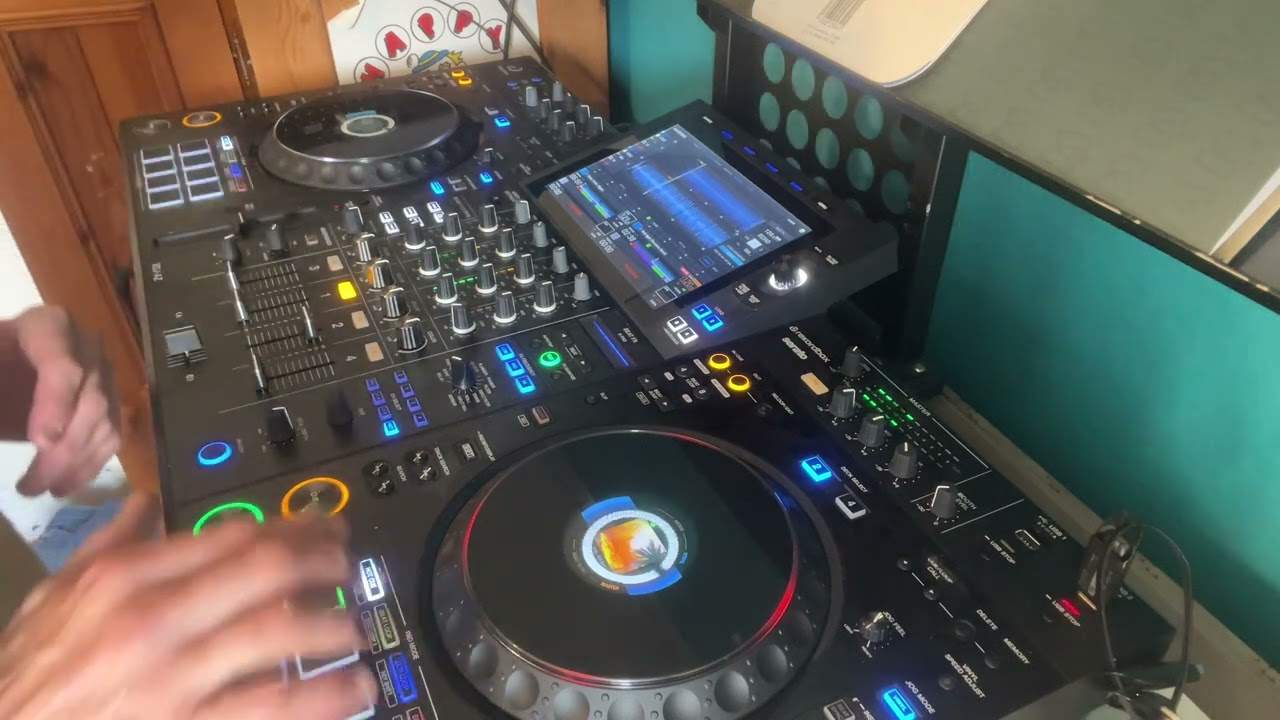
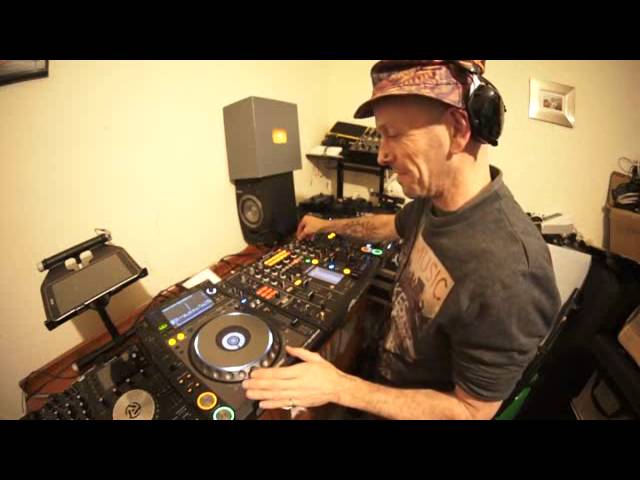
Okay we've got a little bit of percussion there admittedly because there's a bit of a hand clap but I want to emphasise... the hand clap, I want to give it a bit more pizzazz and I can do that very simply by adding some percussion over it from another track which will be this track here. So the formula here is very simple. What I'm going to do is make sure that this track here is in time. I could just do a basic loop if I wanted to but what I'm going to do is I'm going to have this one playing in the background on my headphones. I've got the volume up on this side, I'm using the crossfade you can use the up faders if you want to, doesn't matter. But I'm going to sort of snap this track in, little segments of it over the break.
4:58 Zero position, taking away, break track
So what I'm doing is I'm enhancing that break. I'm just giving a little bit more spice. It's a little bit... the analogy is like cooking. You've added your salt, you've added your pepper, you want to give it a kick. You add some chilli powder, bumf! Not too much. Okay so let's start that again. So imagine now we're in the mix, sorry, we're in the mix, okay I've done that now. Okay, we're coming to that break. Tapping it over. I'm only moving the crossfade over halfway because I still want to keep the break in. Okay, that's the first demonstration. So what I was doing, I made sure I had the break still there you can still hear it but i was adding snippets of a beat. That's pretty much it, so we're not taking away the feel, you'll be able to see it when we start to play.
Well I suppose we are, we're taking away the feel of the break a little bit but we're enhancing it we're giving it a little more spice more pizzazz more finesse right this next one here is possibly a golden tip and it makes the break it gives the break more energy it gives it more feel more vibe and try this what I want you to do next time you play out is when it comes to a break on one track don't do this then hopefully if there's another break in the same track then try this and see what the reaction is like so this track here, Sigma featuring Labyrinth there is a break sort of about there-ish if you can see wait, look so down there right, there it is if I just turn go to the break the break is there ok it's there there I'm going to set a cue point
That's just for my own reference ok now you can see where my pitch is, there it's around about, I would say it's about a quarter of a way up from the zero position and the zero position on here is 122 bpm so I had it around about 125 bpm alright I'm going to leave it like that alright, I'm not going to mess around with that ok so if you imagine that this track has been playing at 125 bpm all the way through but here is the key as soon as it gets to the break what I'd like you to do is you can do it slowly or move the pitch up so you're adding about 3 or 4 bpm to the break the important factor here is to make sure that the master tempo or key lock is engaged because if you do a quick movement on the pitch not only will you increase the tempo
7:36 Soon break, speed, move
You'll also increase the key so you'll get this it just won't sound right so you need to make sure master tempo or the key lock is engaged so you won't hear that or you will hear what you'll feel what the crowd will feel is this almost strange uplift they won't know what's going on but you'll be able to see it if I just press play from A go back a bit making a mental note of roughly where the pitch is as well got it faster now by 2 or 3 bpm I'm going to make it even faster now slowly now it's 133.9 bpm so I've increased it quite considerably but what I need to do this is the next key very important thing you need to reduce the speed when it gets back into the key lock to the kick drum otherwise it will sound too fast so we're coming towards the end of the break
This is where you need to know your tunes as well but if you don't know your tunes and you're familiar with the structure of phrases and timing you should pretty much be in time by visually looking and also audibly listening to there brought it back down to 125 so what I was doing I was speeding the track up during the break as soon as the break started I started to speed the track up as soon as the break finished I reduced the speed back to roughly its original bpm again if we look at this and we rip it apart if you have to get it at exactly the original bpm that it was before then if you're near enough in pretty much the same position then you should be able to move it very slightly to get it perfectly so for example
If originally it was at 124.2 and you move it down to 124.5 well then you've only got to just move it down a little bit more till eventually get to 125.2 but this is about practice and enjoy go and check out cdpool.com I'll put the link in the description thank you very much and by the way do you like my hat?
This transcript was produced automatically from the audio of the video and may contain mistakes.