 14:41
DJ Make Your Folders Based on the Vibe the Tracks Give CD Pool Club January 2019
Contents of the video
0:00 Feel deep, side number, bunch tunes
So, you've got a whole bunch of tunes and you don't know where to put them. You don't know which folder to put them in or what you should do with them. Now, as I've always said, it's very important to mix in key because that is the key. If you've got different keys that don't work together and you mix two tracks together in time and in phrase but not in key, it's going to sound crap. On the other hand... If you take a little bit of time and you open up your techno folder, for example, that's got 500 songs in it, and then you have subfolders inside there based on feeling, you're more likely to get a better mix. Even if you don't concentrate to begin with, remember these words correctly, so much on key. Now I've got a bunch of tunes here from CD Paul from the club releases from January 2019.
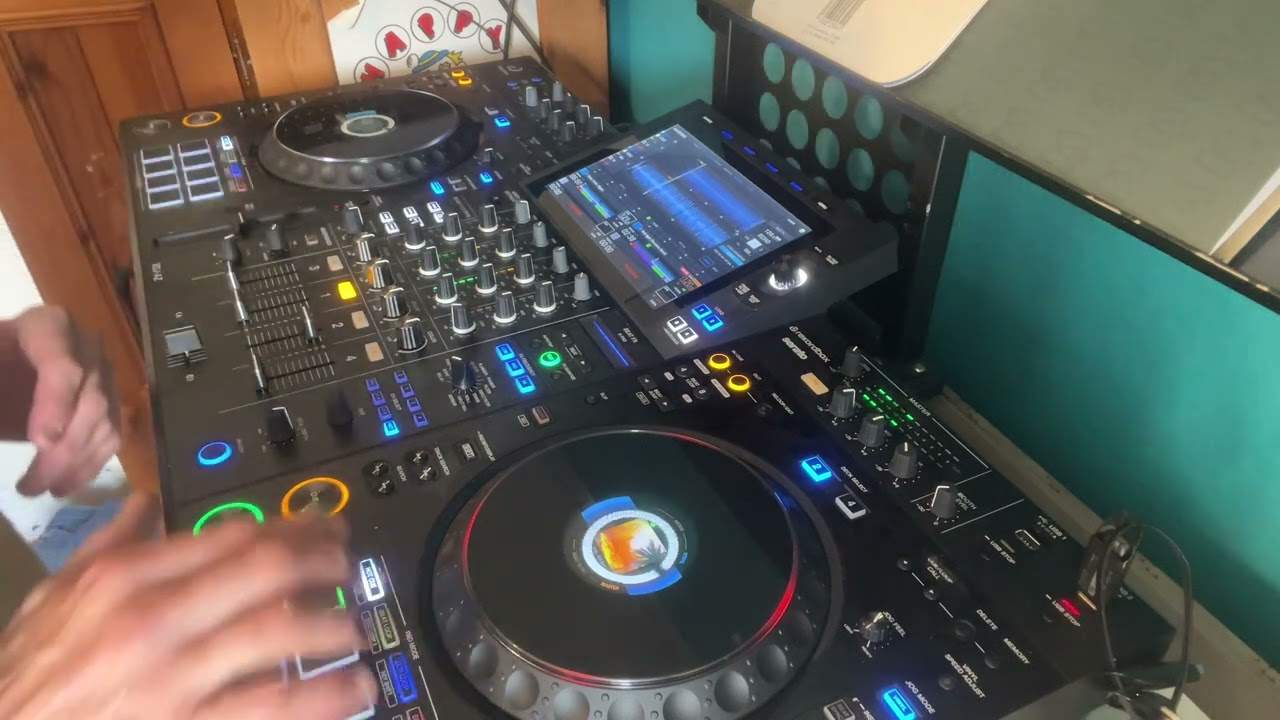
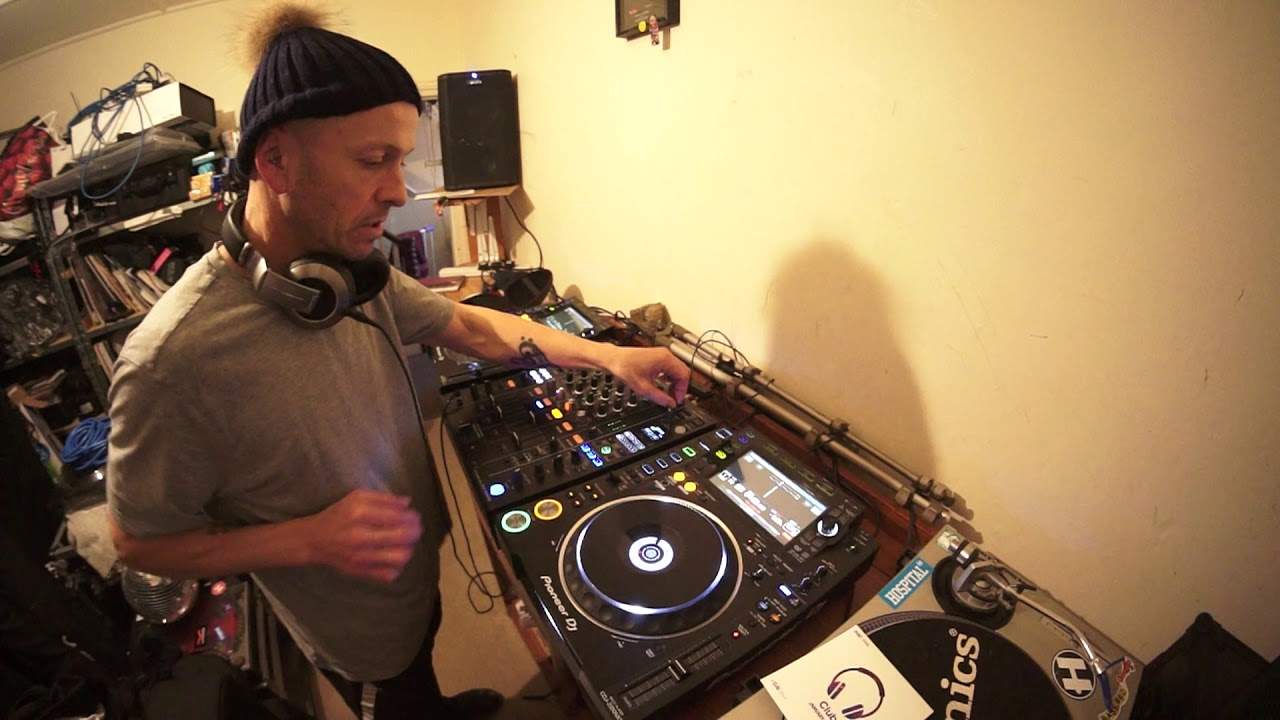
What I'm going to do is I'm going to play a few of them and then let's work out the feeling. So let's have for this video two simple folders, imaginary folders. There we're going to have deep and there we're going to have happy. Now I'm not going to think about key, it's just do they make me feel, fluffy bit on the top, do they make me feel deep or do they make me feel happy? Instead of giving you title artist and whatnot, on the right hand side I have CD number 2, on the left hand side I have CD number 1. So during the course of this video I will be saying CD number 2, track whatever. So go to cdpool.com in the description, there's a link there. Go to Club January 2019 and just follow my instructions and you will be able to see...
2:37 We're on track number 10 from disc number 2
All of the information on the tracks I'm playing. So let's first of all play track number one from disc number two. How does it make me feel? Deep or happy? Let's have a listen. That grimy kind of feel. So we're going to put that in the deep folder. Alright, so let's have a listen to track number one from disc number one. Happy or deep? That uplifting, vibrant kind of feel. Okay, so I'm going to sort of do a random up to... Alright, I'm not even going to look. Just going to press that. Where are we? We're on track number 10 from disc number 2. Let's have a listen. Almost like this is in the middle but we're going to stick to happy or deep. Happy. A happy feel. So we'll put this in the happy folder. Let's have another go. I'm not going to look. I'm just going to press, press, press and we're on track number 4. So I've gone all the way through back to track number 4.
Track number four, disc number one. Let's have a listen. Here we go. Deep. It's got that deep feel to it. Okay, so why do we do this? Actually, before we carry on, let's just do one more. Let's do another one from CD1. I'm going to press the button... How many times? I don't know. Oh, track number four again. There. Right. Now we're on track number 11 from disc number uno.
3:57 Based on your interpretation of the tracks you're playing
Happy! Okay, so why are we doing this? So you're making a set and at the moment we've got happy and sad or happy and deep. Now, you know, we can have other folders. We can have happy, we can have euphoric, we can have deep, we can have dark, we can have mellow, we can have chilled. So based on your interpretation of the tracks you're playing... You're listening to, put them in those folders. So eventually then when you come to form your mix and you look at the crowd and you think they need to be uplifted slightly, let's open the uplifted folder because you know all those tracks have got that uplifting vibe. Do you get what I mean? Of course then you need to not just grab one track, random track. You need to make sure of course it's in key.
Once you know it's in key, you need to make sure that the key matches. And there are four basic ways of mixing in key. I mean, all right, yes, for the musicology-ology people out there, there's probably a trillion and 75 and a half. But there's four basic ones. The same key, in other words, the same key into the same key. The next key that rises, so a melodic rise in the mix. And then a melodic dip in the mix, which is the third one. Or the fourth one, which is a melodic not crash on the floor, which is something that's just completely out of key, that will die a death. Now, if you want to completely change the energy in a room, and I mean completely change it, mix out of key. Make sure you're in time and phrase, but if you mix out of key, you can just drop a bomb on them big time. Exactly the same as if you drop...
A track in that's in phrase, in time, in a key that's higher, that's a jump up. So if you're looking at say the Camelot wheel, if you go from say A1 to A3, you know that's quite a big jump. And if you're going to mix like that, you need to more likely mix in a chop, not... A smooth mix of say 8 or 16 bars because some of the notes inside that mix may not work. Again what you have to remember when you're playing a track on say for example deck 1 and you're bringing in track 2 on deck 2, you're not bringing in track 2 on deck 2, you're actually bringing in track 3 because your transition is track number 2. Don't forget that. Right, so let's play for example track number 15. Okay, track number 15, disc number 1. Quite deep. Let's find something from disc number 2. Believe it or not. Track number 10. Okay. Track number 15 is... So we know what we're doing. Silverland Stardust.
7:17 DeepMass Underground Mix, bring in Do It Right, Tom Star Extended
DeepMass Underground Mix, bring in Do It Right, Tom Star Extended. Now again, beginning and end transitions, yeah they're great, they work, but if you always do a beginning and end transition, you may get that dip in the mix. You've got that vibe, it's a little bit like going on a long journey, and you're driving along and you're doing 90 mile an hour, and all of a sudden you go to a 40 zone. And you slow down at 40. Still doing 40. Still. Oh, I'm going over 90 again! Off you go again. You know, you're up and down, up and down, up and down. It's... What you want to try and do is try and keep it up here and just... Okay. Oh, sorry. Just get it right. Yeah. Okay, so... I try this, if you get these tunes, try it. There, now I'm roughly one minute and 50 seconds left of track number 15 on this number 1, and I am now into track number 10 here. Have a listen. Let me do the hot cue. There, let's go to the beginning first of all. Now I'm pretty sure...
9:59 There's nobody here except me
I'm at a correct phrase because even though this track now is very similar here, there was a subtle change where I set my cue point. Ah no, maybe a bit... Actually, I'm glad I did that because it's further back. There. Alright, sometimes in music as well. Let's imagine this track is A Journey and we're going from Edinburgh to London. Edinburgh to London is 16 bars. But of course we need to find the middle point which could be sort of leads. Now that may be leads because sometimes, actually not sometimes practically all the time sorry I beg your pardon in between let's say a 16 bar phrase you may have a slight little bit of a change in 8 bars that's a big change there you can definitely hear that but your slight change could be a little tweak to the drum pattern like
Here I am in a room talking to myself. There's nobody here except me. And we're going to go back to that. I'm going to take the bass out on the right hand side. See, dog barks, deliveries, going for a run. Right, okay, so, I'm not going to edit this, this is real life. Okay, so, let's carry on, where was I? Yes, I need to move this forward slightly because so it's in phrase and I want the drop here. There, so go back here. 1, 2, 3, 2, 1, 2, 3, 4, 1, 2, 3, 1, 1, 2, 3, 2, 1, 2, 3, 3, 1, 2, 3, 4, 1, 2, 3.
13:12 Don't forget, check out the link in the description to CD Paul
Alright, let's try it there. So again, I'm just, you know, I would of course spend more time doing this, but let's see what happens. Right, okay, so let's go back. Proves a point. You know, we're not doing beginning and end, we're taking our time, we're looking at transition points, we're making sure it's in phrase. And we're trying to get one drop out and one drop in. Alright. Oh dear. If you want to try living my life, it's crazy. It's also very, very amazing. Alright, don't forget, check out the link in the description to CD Paul. Track number 10 on here from disc number 2. Track number 15 from disc number 1 over there. Practice and enjoy. Thank you very much. Okay.
This transcript was produced automatically from the audio of the video and may contain mistakes.