 5:21
Using key to keep a set flowing
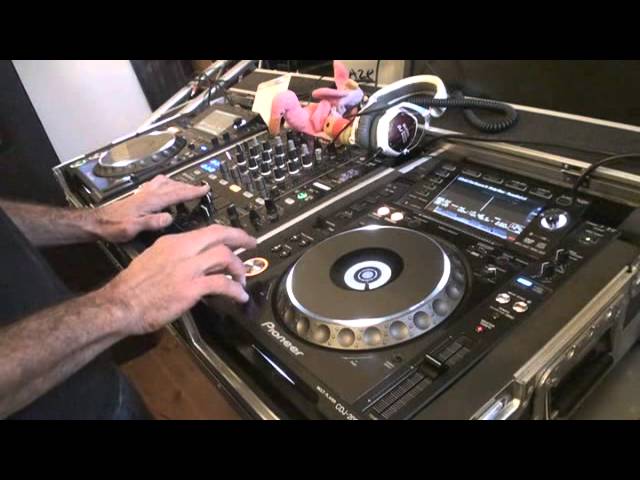
On YouTube this video is called DJ Mixing lesson How to mix in key to keep the flow of your set.
What this lesson teaches
A short lesson built on a direct comparison, which is the most effective format in this stage.
The two mixes
One: the beginning of the second track into the end of the first. The default - two records meeting at their edges.
Two: the second track brought in halfway through the first, chosen to keep the flow of the vibe rather than to join two convenient ends.
Same records, same tempo, two genuinely different results.
Finding the window
He points out something specific about the outgoing track: at its end, the bassline and the beat go, leaving only mid and top.
That is the window. A passage with no low end is a hole shaped like the incoming record's bassline, and starting the new track there means its bass arrives into empty space rather than into a collision.
Learning to notice those passages - and they exist in almost every dance record - is what lets you mix somewhere other than the ends.
Why the second mix is better
Because the first one is a join and the second is a decision.
Mixing end to beginning uses whatever the two records happen to have at their extremities. Mixing in the middle means you chose the moment, which means you can choose one where the two pieces of music suit each other - the vibe continues rather than being handed over.
That is what he means by matching them musically. Not the key alone, but placing the join where the two tracks are saying compatible things.
Try it on your own records
Take a pair you play together often and mix them the way you always do. Record it.
Then find a point a third of the way into the outgoing track where the arrangement thins, and bring the other one in there instead. Record that.
Listen back to both. The second will almost always be more interesting, and it costs nothing but the willingness to come in somewhere unfamiliar.
Contents of the video
0:00 Jonathan here, The DJ Tutor, Ellaskins
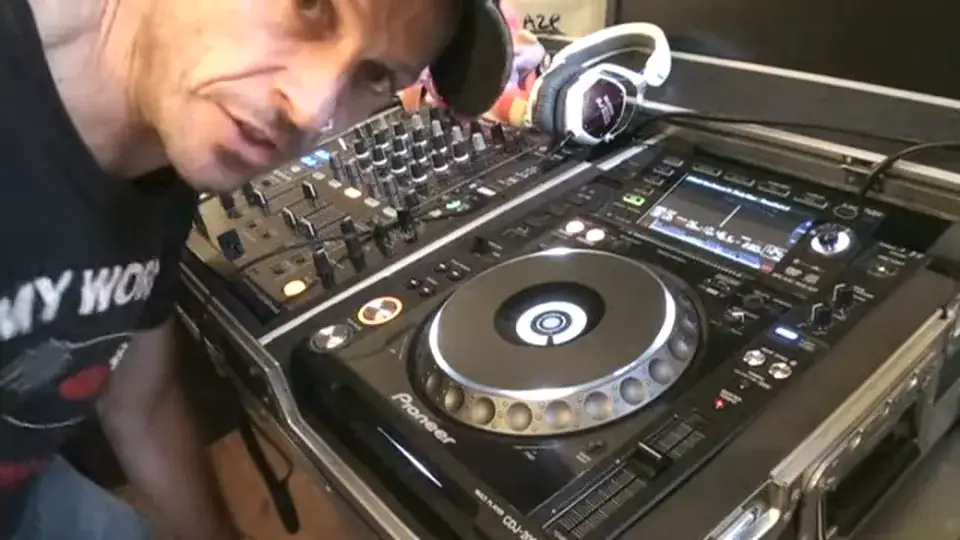
Alright guys, Jonathan here, The DJ Tutor, Ellaskins. Yeah, Ellaskins. And we're going to do two mixes, one mixing the beginning of one track into the end of the other, and then the other mix is trying to match them more musically. Alright guys, Jonathan here, The DJ Tutor, Ellaskins. Yeah, Ellaskins. And we're going to do two mixes, one mixing the beginning of one track into the other, and then the other mix is trying to match them more musically. So follow the link, pick your nose and go and check it out, cdpool.com. Thank you. Right, so two mixes. First of all, I'm going to play a little bit of the Rizzle Kicks, give you an idea.
Although I'm not going to be using any headphones because I want to talk more instead of having things over my ears. So, this is the Rizzle Kicks. Now at the end of this track, bassline and beat goes and we're just left with some mid and top.
There.
That's where I'm going to start to bring the track in. This one here. But what I'm going to do then is bring this track in, the Armand Van Buren track, halfway through the Rizzle Kicks to try and keep the sort of flow of the vibe. So let's go to the end-ish of the Rizzle Kicks and we'll see what happens.
1:45 Let's try and do it slightly differently
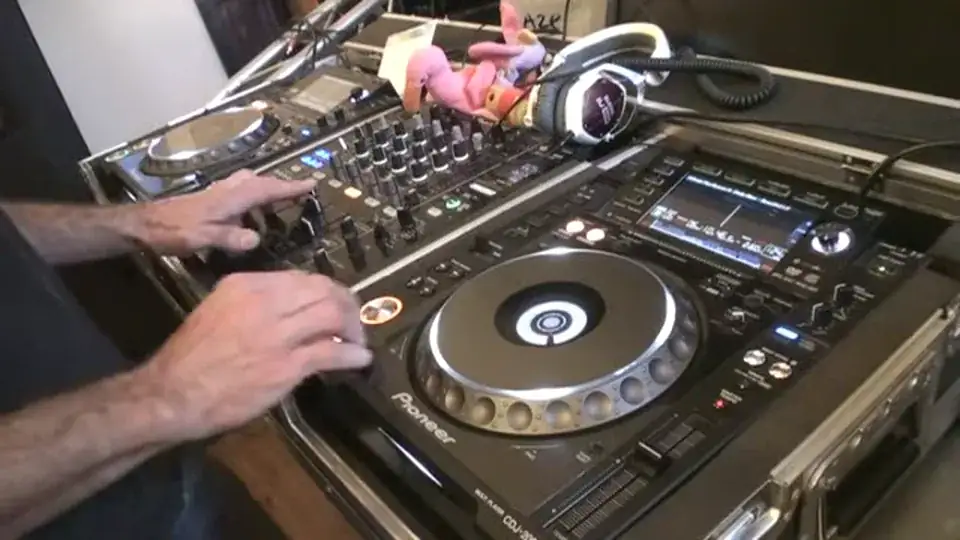
Top on that one. Spin back.
Or bang. Or just a spin back. Spin back. Spin back. Spin back. Anyway, it doesn't matter. Or forward. Alright, that was one. Now let's try and do it slightly differently. And off we go again.
3:01 Armand buren, straight away, coming coming
Alright, right here. Have a listen.
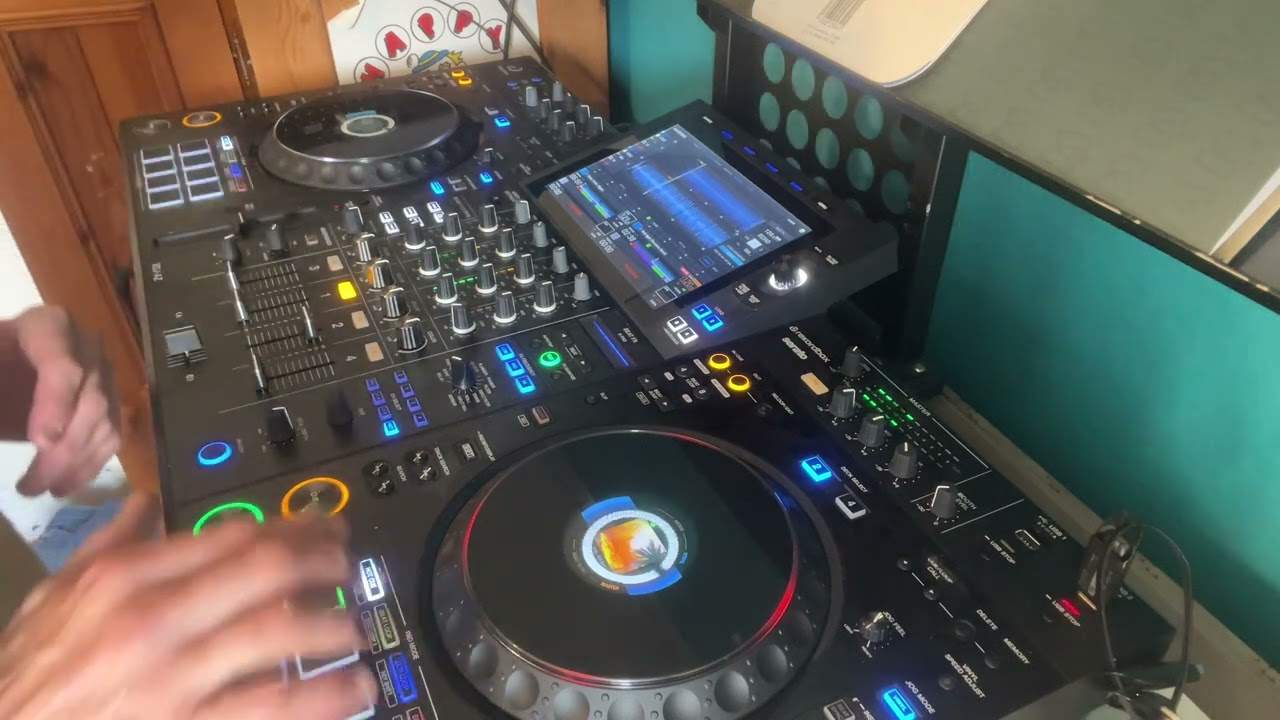
There. Right, what I'm going to do as well, what I have to do is it's some... Well, most of the time it doesn't work when you've got two basslines over each other. There's too much going on and they won't or they can clash. There is too much going on, most of the time. Sometimes two basslines will work together but this is where the old ear wiggies come in handy. If it sounds good, it's good. If it sounds atrociously atrocious, don't do it. What you can do, of course, is as soon as you bring one track in with a bassline that starts straight away like the Armand Van Buren which is like this. You can flick the bassline of the track that's going out straight away and let the bassline of the track coming...that's coming out.
That's coming in play as it should play. EQ 12 o'clock on both of them so as soon as the Armand Van Buren comes in, bass I'm going to turn down all the way off on the track. The rizzle kicks and let the bassline of Armand Van Buren featuring Cindy Alma, beautiful life come in. Amen. Ah, it's a beautiful life today. Right. Sorry. Okay. If it goes off slightly, I do apologise. It's fine. I do apologise. This is a demonstration. Demonstrations. It's all about you taking it to the next level. Don't copy me. Take some tips and tricks and make it your own, mother friggers.
This transcript was produced automatically from the audio of the video and may contain mistakes.