 5:15
Checking a second-hand mixer
On YouTube this video is called Dj tutor, Buying a second hand dj mixer
What this lesson teaches
He opens with the right framing. The mixer is the reception of your system - everything passes through it, and if it stops, everything stops. It is also the item people inspect least carefully, because it has no moving parts you can see.
The car test
His analogy is the whole lesson. Nobody hands over five hundred pounds for a car, takes the keys and drives off without a test drive. People do exactly that with mixers.
So: plug it in, connect sources, put records on, and use every single thing on it while the sound is coming through speakers.
What you are listening for
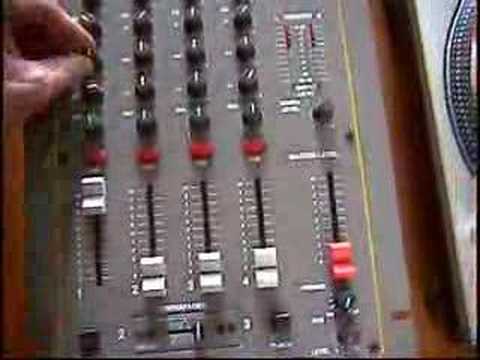
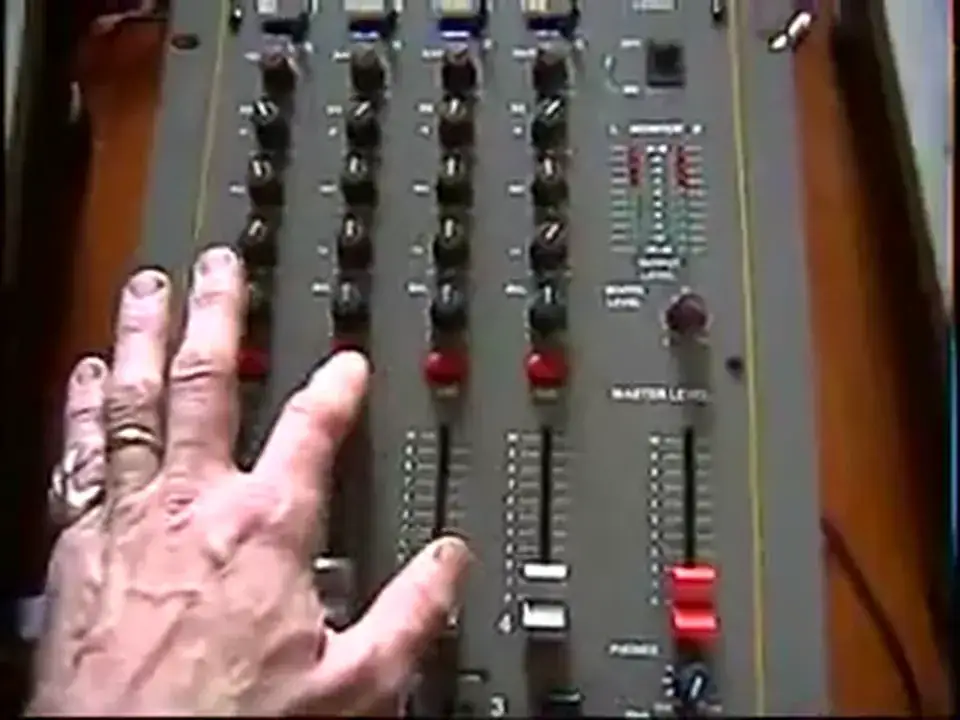
Move each channel fader through its travel and listen. A crackle or a rushing sound as it moves means the track inside is worn.
Then the cue buttons, which matter more than they look - a cue button that pops through the speakers while music is playing will do it in front of a room. Then the EQ, the pan, the gains, and the crossfader, which is almost always the first thing to go.
The microphone trick
This is the clever bit, and it solves a real problem: almost nobody takes a microphone with them to look at a second-hand mixer, so almost nobody tests the microphone channel. Then at the first party an MC turns up with his own mic, plugs it in, and you find out.
His solution: plug your headphones into the microphone input and talk into one of the earcups.
It works because a headphone driver and a microphone are the same device run in opposite directions - a diaphragm attached to a coil in a magnetic field. Drive the coil and the diaphragm moves air; move the air and the coil generates a signal. The output is tiny and the sound is, in his words, like talking through a tin can, but that does not matter. You are not auditioning it. You are confirming that the channel passes signal, that the volume control works, and that the EQ on it does something.
Keep the level sensible or you will get feedback, which at least proves the channel works.
The physical inspection
Count the screws on the top plate. One or two missing means somebody has been inside. Ask why.
Look along the edges for bends. A mixer with a straight, unmarked chassis has lived on a table. A bent corner means it has lived in clubs and been dropped, and a knock hard enough to deform the case has been transmitted through everything inside it - that is the point he makes and it is a good one. It is all one assembly.
At the back, check the phono sockets are firm rather than wobbling in their holes, and that the earth post is secure.
And then haggle
His closing advice is blunt and correct. Even if everything works perfectly, do not pay the asking price. If they want a hundred, start at seventy. If they say no, go to eighty. Worst case you have lost nothing; likely case you save fifteen or twenty pounds for the cost of asking.
The inspection is what earns you the right to do that, because now you can name the thing you found.
Contents of the video
0:00 Your mixer, okay, which is basically

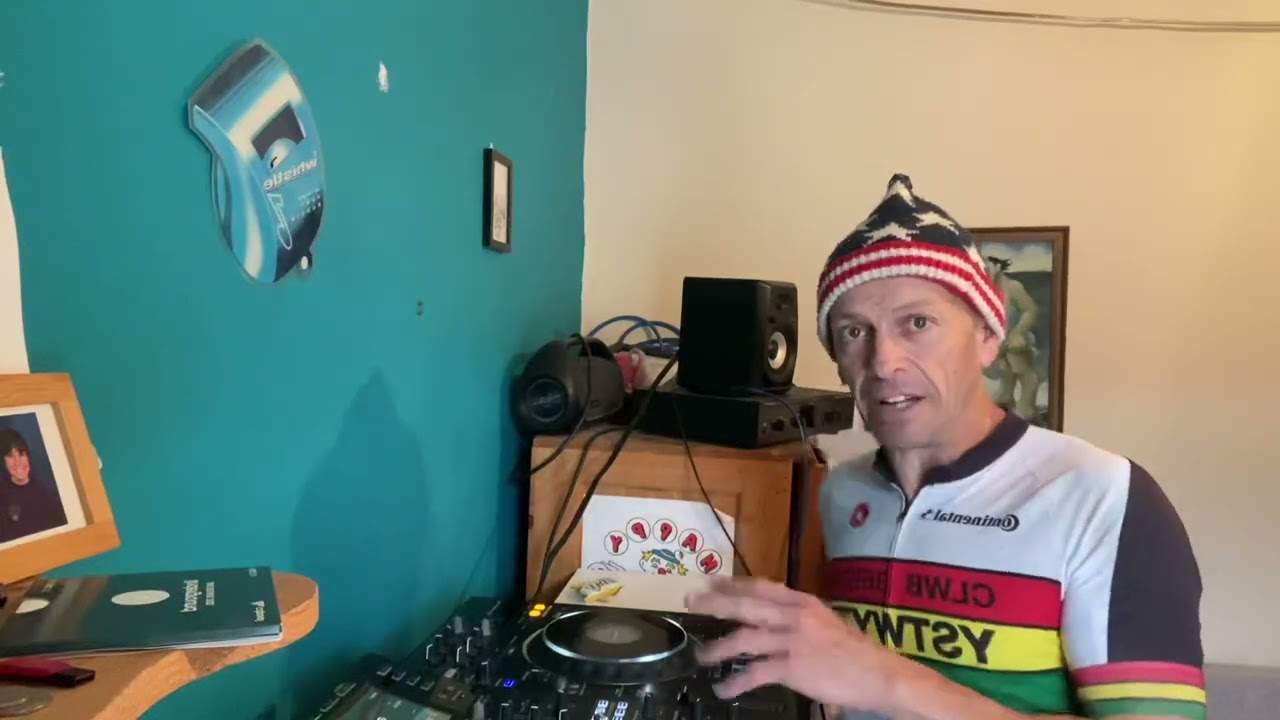
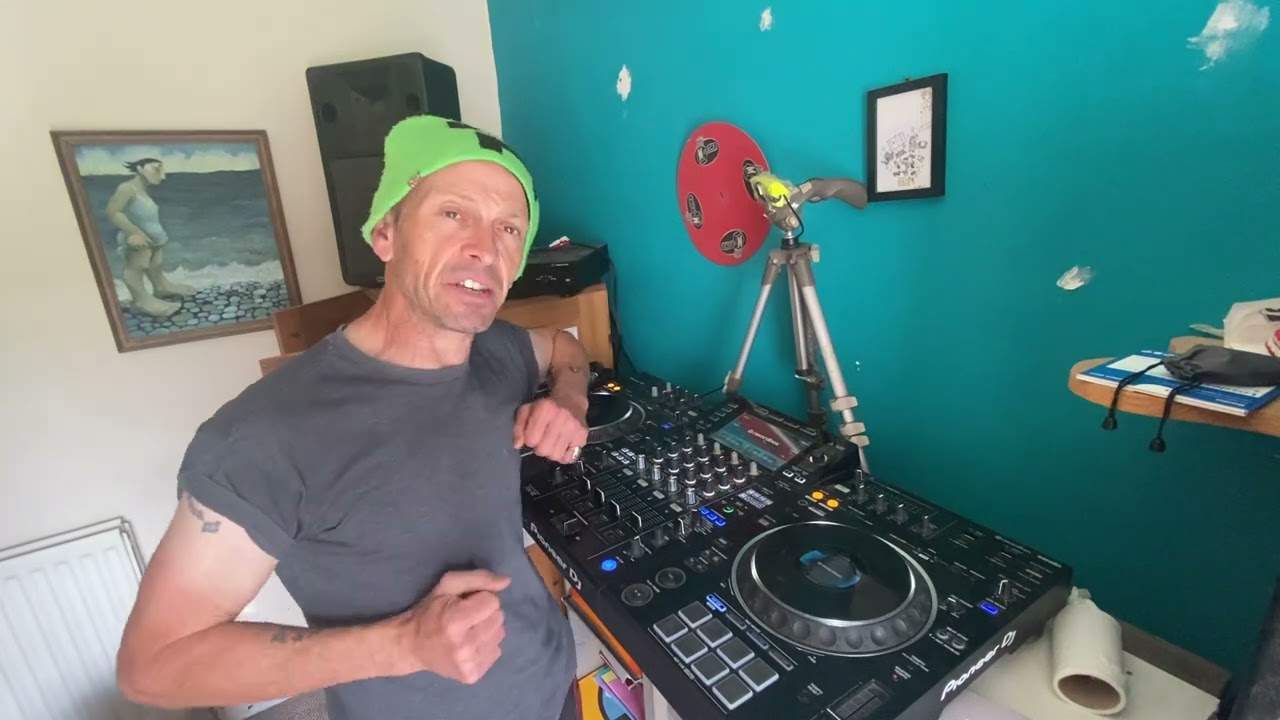
Folks, in this selection of videos, by the way, do you like my funny hat today? It's a funny hat day. In this selection of videos we're going to be doing the finer points, talking about the finer points of buying second-hand gear. The first one is your mixer, okay, which is basically the reception of your system. In other words, a reception in a hotel, everyone goes there to get information. If you haven't got a good mixer then you might as well not bother about turntables or CD players. If your mixer stops working everything will probably stop working. Right, firstly logic. Okay, logic. If you want to buy a second-hand car, would you go to the person you're going to buy a second-hand car from? Would you say how much? They'll say £500, $500. Hand them the money, they give you the keys and you drive off. No, you'd give it a test drive, you'd have a look inside, you'd check the buttons, you'd make sure everything works. If things don't work, then it's up to you. Do you want to buy it or do you want to walk away or do you want to haggle with the price? You'd haggle.
1:23 Same with these buttons
Okay, or you just walk away. Right, same principle here with a mixer. What do you do? Plug it in, get your turntables, alright? Sorry, the turntables should be there. What you want to do is get your records and have a go. Put records on, try every single channel. Make sure these channels here, these guys, don't make funny noises. In other words, what I mean by that is when they're actually plugged into the speakers, what will happen, if these channels are going, these sliders, you will hear this. Okay, same with these buttons. Very important for cueing. You don't want them to start making a crackly poppy sound while the music's being played through the speakers. Same with these guys here. Pan, make sure you don't hear any noises, okay, while things are being played. Microphone, very important. Most bedroom DJs today, in fact probably 99% of them, don't use a microphone. But if you're taking your mixer to a party, guaranteed you'll have an MC saying, forgive us to go on your mic.
So he'll bring his own microphone, plug it into here and bingo. Because you didn't check your microphone, it's probably not working. So what do you do? You haven't got a mic with you, you've got your headphones. This is what I would do. See here, my jack input, headphones there. Plug my headphones into the microphone. Put the volume up, make sure you don't get any feedback from the speakers. If you put it too high, you'll get that whistle. Now all of a sudden one of these is now a microphone. So what you do, you go hello, 1-2, 1-2, testing 1-2. It sounds basically as though you're talking through a tin can, but then you will know that this volume control works. While you go 1-2-1-2, do the same as what you were doing when the turntables were on or your CD players or DAC players. Check your bass, your mid, your high, make sure the microphone's working.
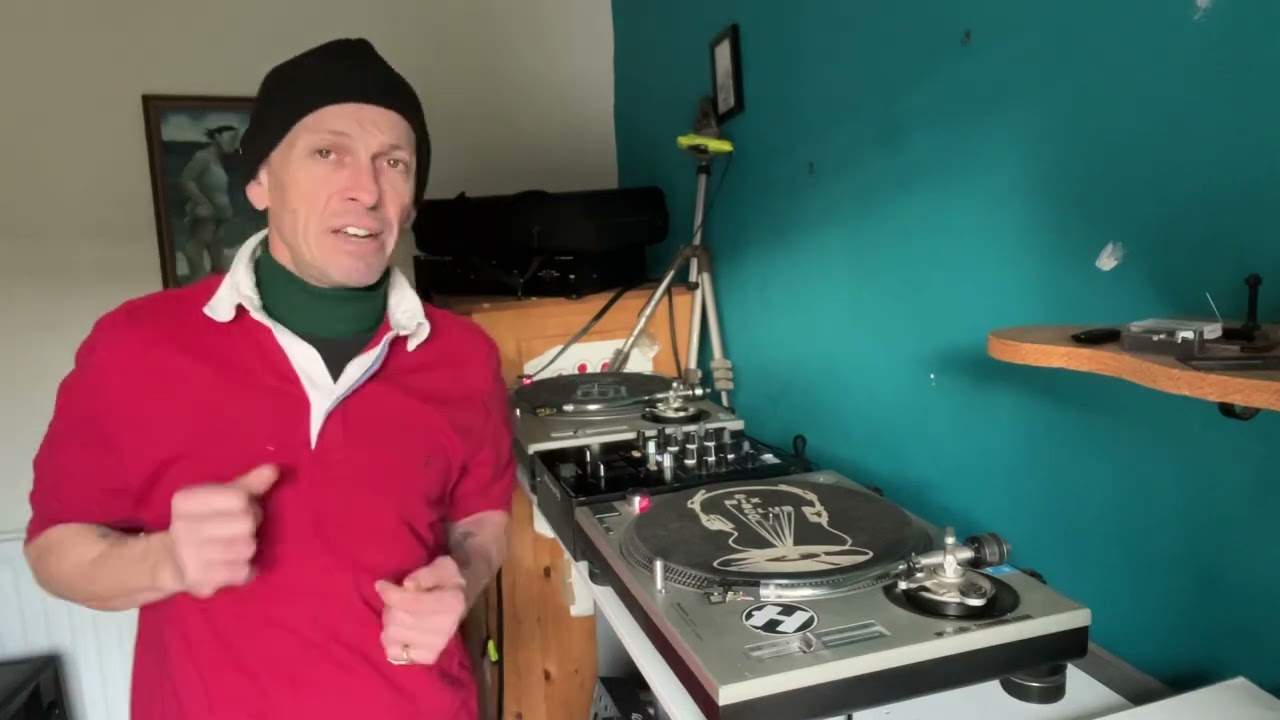
Again, a little pointer here. Not many people think about this. Screws on the top. How many screws on the top of the plate are holding the top plate to the base? If there's one or two missing, that means someone's been inside here, possibly had a look or they've fallen out. Why have they fallen out? You know, all these sort of things should start alarm bells ringing. Crossfade. Make sure the crossfade works perfectly. If it doesn't and it looks as though it needs a new crossfade, you have two options. One is you get them to lower the price or the other one is you don't buy it. And also here. You can see this mixer here, it is virtually brand new. There's not a bend there at all. It's perfectly straight. If one of these corners or anywhere along here is bent, it means it's seen a bit of a life. It's been to a few nightclubs and parties and it's starting to wear away. So if there's a knock here, it means if that has been bashed, it's gone all the way through and possibly it's knocked things inside here as well.
3:43 You've got to remember everything's joined, OK?
You've got to remember everything's joined, OK? So you only need a slight knock here and everything vibrates inside, which probably isn't very good. At the top of the mixer, again, these are your phono inputs. Check, make sure they're not wobbly. Check your earth, make sure that's secure. Again, you have more screws at the back. Check the screws, make sure they're all there in the holes. If you've got a few holes that should have screws, you should have alarm bells ringing. Again on the bass, check the bass, make sure it's in good condition, check the screws, alright? So basically, let me turn this now, you see my dodgy hat again. What do you look for? Look for the overall condition of your mixer. Mainly check, okay? Play with it, use it. Don't walk up to the guy and say, right, how much? Fifty dollars, fifty pounds.
Give him the money and walk away. Say to him, I want to try it out first. Once you've tried it and everything works and you're happy, then pay them the money. But also, even if it works perfectly, a tip from me. Let's say they want $100. Well, for goodness sake, don't give them $100. Believe me, start at 70, okay? Because you know if they say yes to 70, you could have perhaps got it for 60, alright? Maybe start at 60. But if they say no for 70, then say 80. If they say 85, then fair enough, you've saved yourself $75 or... Sorry, you've saved yourself $15 or £15. I hope this has been help and the next one we're going to have a look at the finer points of buying a second-hand turntable. Speak to you soon. Bye bye.
This transcript was produced automatically from the audio of the video and may contain mistakes.
This video is part of
Related videos
-
WHY Vinyl and WHY Is Now the Time to Go Old School
He admits at the start that this one might annoy people, and some of it should be argued with. The practical half is excellent. The claim…