 12:27
Constructing a set that stands out
On YouTube this video is called DJ Tutorial. How to construct a set that will stand out. Two tunes always in the mix!
What this lesson teaches
Someone asked how to construct a set for a competition and impress the judges, which is a more specific question than usual and produces a more specific answer.
The map
He draws one - squiggly lines, a shop, a sheep - and uses it the obvious way.
If you do not know where you are going, you look at a map first. Here the music is the terrain and the bars, keys and tracks are the directions. I do not want to go that way, or that way. I want to go along here, and at this point turn.
The discipline is deciding the route before setting off, rather than taking whichever turning looks interesting.
What that means with records
The part worth noticing is how fine-grained he gets.
Not "play track three, then track four". But: play track three for eight bars, then another track for eight bars, then another, and then go in this direction.
So the unit of planning is not the record. It is a section of a record - and a competition set in particular is built from pieces rather than from whole tracks played end to end.
Why a competition is different
Worth drawing out, because it explains the approach.
In a club you have three hours and a room to read. In a competition you have perhaps fifteen minutes, judges rather than dancers, and no requirement to keep anybody dancing. Everything is compressed, and the thing being assessed is how much you can demonstrate in the time.
So you plan it to the bar, you use short sections, and nothing is left to the moment. It is closer to a routine than a set, and routines are written.
For the rest of us
The transferable part is the planning granularity. Even for an ordinary set, asking how long does this track need to be rather than playing all of it is the question that stops a set sagging - and the answer is often a lot less than its full length.
Contents of the video
0:01 This video is all about again constructing a set

Alright guys, this video is all about again constructing a set. Many reasons for this. One in particular is because someone's asked me about constructing a set for a competition and they want to impress the judges. So what should you be doing first? Well the first thing, it's a bit like planning a holiday. Come and have a look at my map. Right, this is my map. Yeah, that's my map. And as you can see, there's a shop and there's a sheep and there's lots of squiggly lines and whatnot. Well, let's say you don't know where you're going. Well first of all, you need to look at a map to find out where you're going. So imagine the music is what you're going to be looking at and the bars, the keys, the tracks, the coughs, the directions is where you're going.
So for example with this map, I don't want to go that direction. I don't want to go that direction. I want to go along here and at this point, I want to go this direction but at this point here, I want to go that direction. So I know which way I'm going which is exactly the same really as looking at these tunes and thinking well I'm going to play that one but then I'm going to play that one for let's imagine I'm going to play track three here. I'm going to play it for eight bars and then I'm going to play maybe another track here, eight bars, another track and then go this direction. So in other words, I'm constructing my mix not only in music but visually as well. Now if you can just broaden your mind on this sort of thing then you'll know exactly what I'm talking about. Very very simple. You're constructing your mix on paper now also let's take that to the next level now again that this is a very simplistic way of putting it and
2:31 What was the first track?
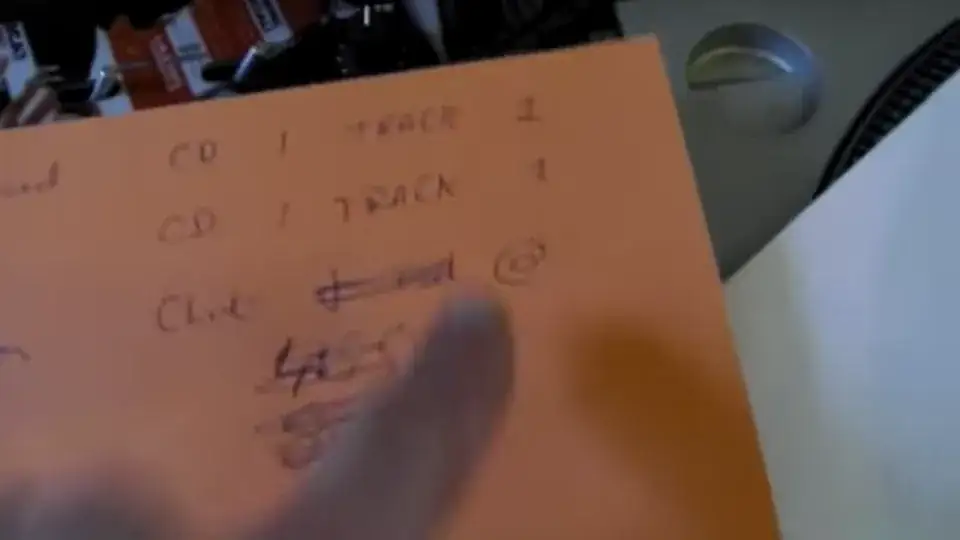
We could go as deep and as deep as you wanted to. In fact, what I'm talking about now I could probably talk about for like a month and still we're only halfway there. Right track one and track one but why have we got two track ones? I'll explain very shortly. So track one is underground CD one track one so I know it's underground. It's the CD one and it's track one. So straight away I'm making a list of the songs I'm using. There's nothing worse than going through a mix and thinking that was brilliant. What was the first track? Track one club CD one track one. Excuse me, bring in club hot QC club at about 354. Now bearing in mind that's just the first mix. Imagine if we're doing 20 or 30 mixes now also again Delimentary I don't know if you saw him at the BPM show I will put a link down there that will take you to something that he does but if you noticed he was continually tapping and pressing
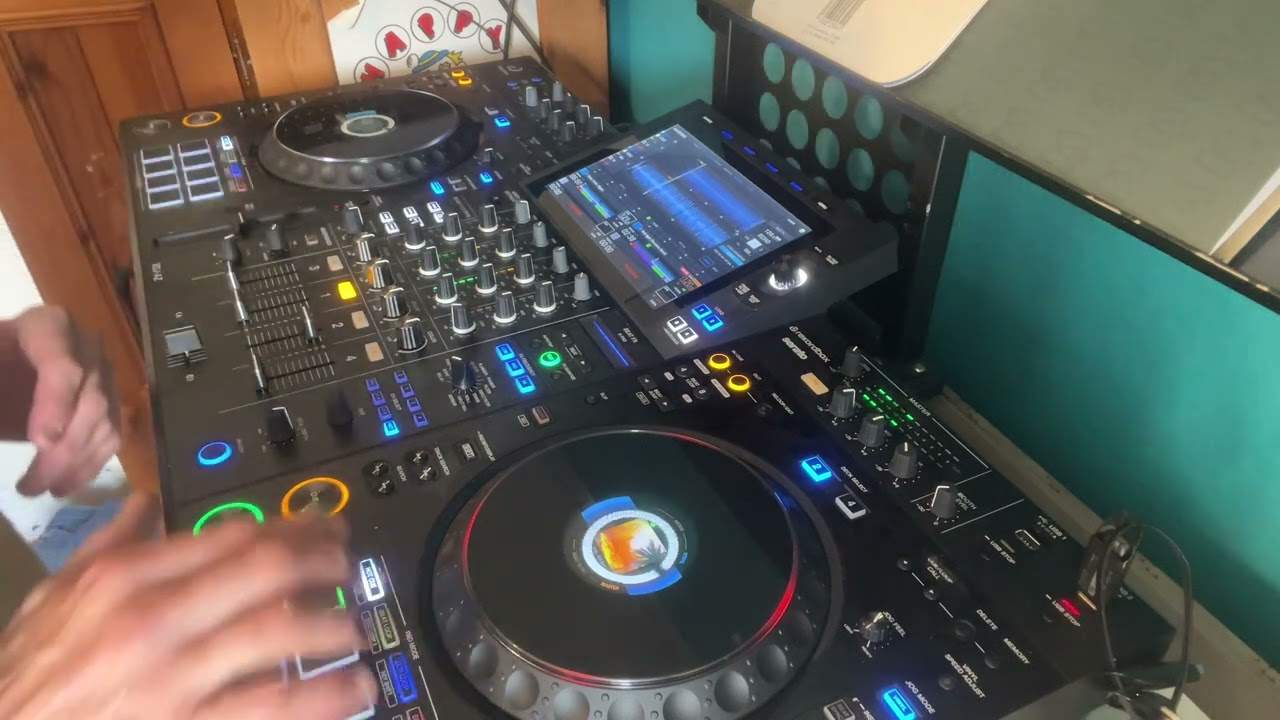
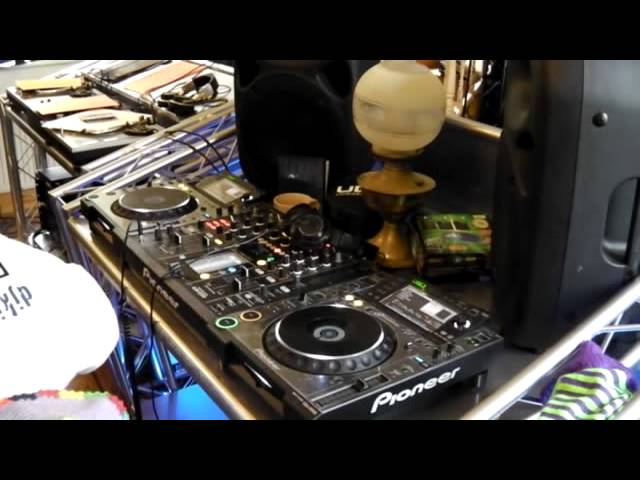
And pushing and prodding. He wasn't just doing a mix and going look how clever I am. He was continually doing something. In other words if you're standing away from your kit for any more than one second then that's wrong because you could be doing something in that one second and I will show you near enough here on the decks. So I think I've only got this one two three four about five tracks. But they're the same CD so I can't you know on a CD there's only like 12 tracks if it's wave format. If it's MP3 you could probably have 6,000. Of course you've got USB here as well bearing in mind as well if you're using PC program you could do exactly the same as well. Also by the way occasionally you will see really strange things. I think there was a bra there last time. So on the odd occasion you'll see really crazy things in the middle there. It has got absolutely no
Nothing to do with the video whatsoever but it's a bit of fun. So what I've done I've got this track here on Hot QC. Now you'll notice that it starts, let me just turn the headphones down, it starts there. It doesn't start at the beginning of the song. There's a reason for that. Also track one on this guy here. So what I'm going to do is as soon as I start my mix I'm going to have this track and that track start together. Now that's something I've always said if you want to impress the judge or if you want to impress anyone try and get two tracks rolling from day one from the first second because it sounds good. You're almost doing a mash-up straight away. So why have I got that starting there and that starting at the beginning? Now can you see that peak? Well believe it or not
5:01 This is how this particular mix will roll
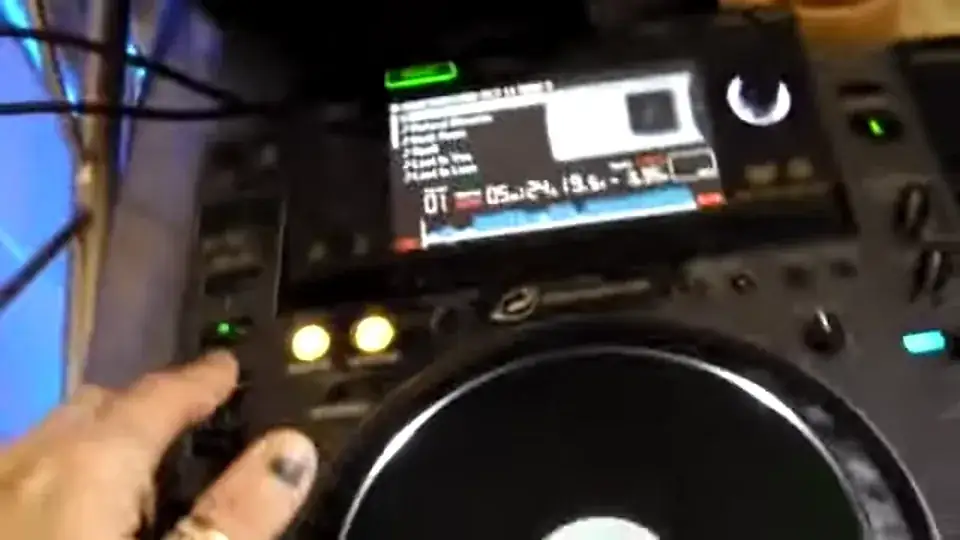
That gap before the peak is exactly the same as the gap from C to the peak there. So what I will do is I will go and start at C this point and as soon as I start at that point this track will come in. So this is how this particular mix will roll. Bearing in mind this is the very rough raw version. Now also I want you when you do something like this to record your mix not audio but video and watch it back. Watch yourself because then you'll be able to see what you're doing right, what you're doing wrong and what extra little bits you can add to your mix. So again like Delimentary said, you know from the initial concept of a mix it could take days but believe it or not if you practice enough and you get it word perfect or mix perfect it
Will look stunning. Not only will it look stunning theoretically it should sound excellent as well. Now bearing in mind like this is rough I'm going to try and talk through what I'm doing as well so I'll put the tripod on the camera like that. There you go, see it's a crap lamp doesn't work. Right so if I put it like that. So right I'll try and explain now what I'm going to do. Alright geezers, right we've got this track, we've got that track, we've got this one which is isn't at the beginning we've got that one it is at the beginning. So I'm going to press play same time they'll work together. At some point in this one which is roughly about there I'm going to bring in the next track which I've got the track at the point of which I want to bring it in at hot point, hot cue
7:05 Continually we're having two tracks playing all the time
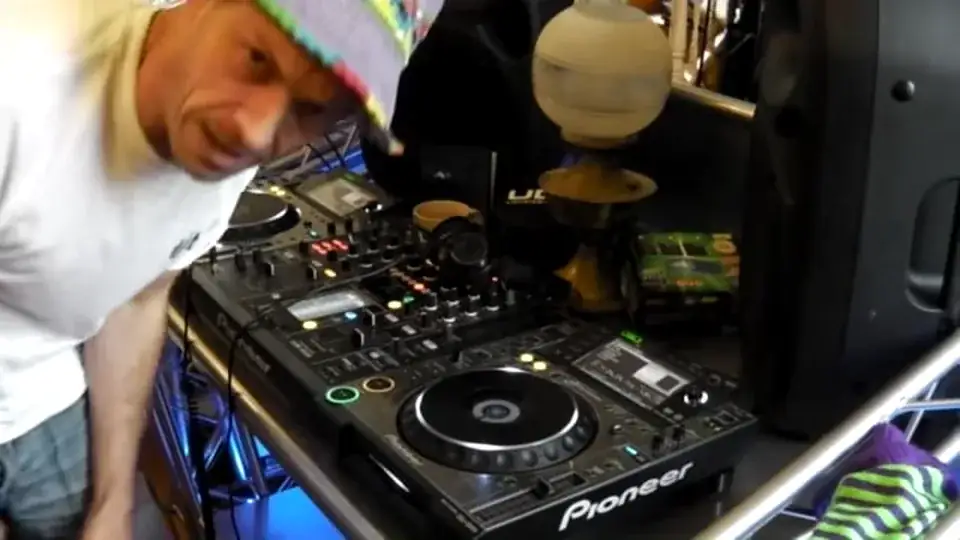
Point, pew coin. That B I've got it at there which is this guy here but not only that when that one's playing all right this one will still be playing but guess what we're going to take it further then while B is playing I'm not just going to fade out and bring another one in. No because I've got a hot point cue, cue point, hot cue point there huh hot cue point and I'm going to bring in C over B. So continually we're having two tracks playing all the time. Now again lot to consider key etc also BPM if you're gonna do this kind of thing two things very important you've either got to be exceedingly quick on the pitch because for example when I play the first track together I can beat match them straight away. I know what's going on but as soon
As I bring hot point, hot point, got nothing to do with fridges today that's an English thing could be worldwide but as soon as I'm bringing B on the hot cue here it either has to be exactly the same BPM or if it isn't if it's very slightly off I need to make sure I've got my pitch ready to move it into beat but of course if I practice this I will know straight away whether I need to slow it down or speed it up. Think about it alright so that was playing over this one over here all right so they're both playing together now at some point then with this one playing I can then do exactly the same bring C in so I've got this one playing over that one so at no point is there any one track playing and if you master this kind of thing while you've got two tracks playing guess what
Like I said don't just sit there and go look how clever I am, I've got two tracks playing. Put some things in, saw spoons, hammers, nails, nail guns, washing machines, tumble dryers, trees chuck it just kidding about the tumble dryers, trees marvellous right so what I'm going to do now I've got this one here no wrong one so my first port of call is to make sure they're in beat so I'm just going to all right so we've got them there so what I'm going to do now I'm going to try and put my head should I put my headphones on yeah better add even though I've only been practicing this for like nothing so let's see what happens all right so what we're going to do hello judges here we are and we're going to do
Something like this
This video is all about it's me shaking my hand like that stop tumble dryers on and the clothes will be shrunk so don't just think about ah let me think right play that track and then I'm gonna wait five years mix another one, in use your mind open your mind now again very very rough but you know what if I spent a lot of time on this it would still be rough just kidding it would get better and it would get better and it would get better and while it gets better then you can start thinking about effects in fact another very very good point you go to school you start learning your ABC's and then by the time you leave school what was A B and C you should theoretically be a genius so why not take it like this one
You start to mix first get that perfect and then once you've got it perfect so you can have your eyes closed in your ears closed and do it like with one arm try to go about like that then maybe start to add effects don't go into it too deep straight away start simple and end up hard said the bishop to the actress right hope there's been a help practice and enjoy thank you
This transcript was produced automatically from the audio of the video and may contain mistakes.