 7:50
DJ What Is a Semitone and Can It Effect the Mix?
Contents of the video
0:00 An easy way of explaining it is something like this
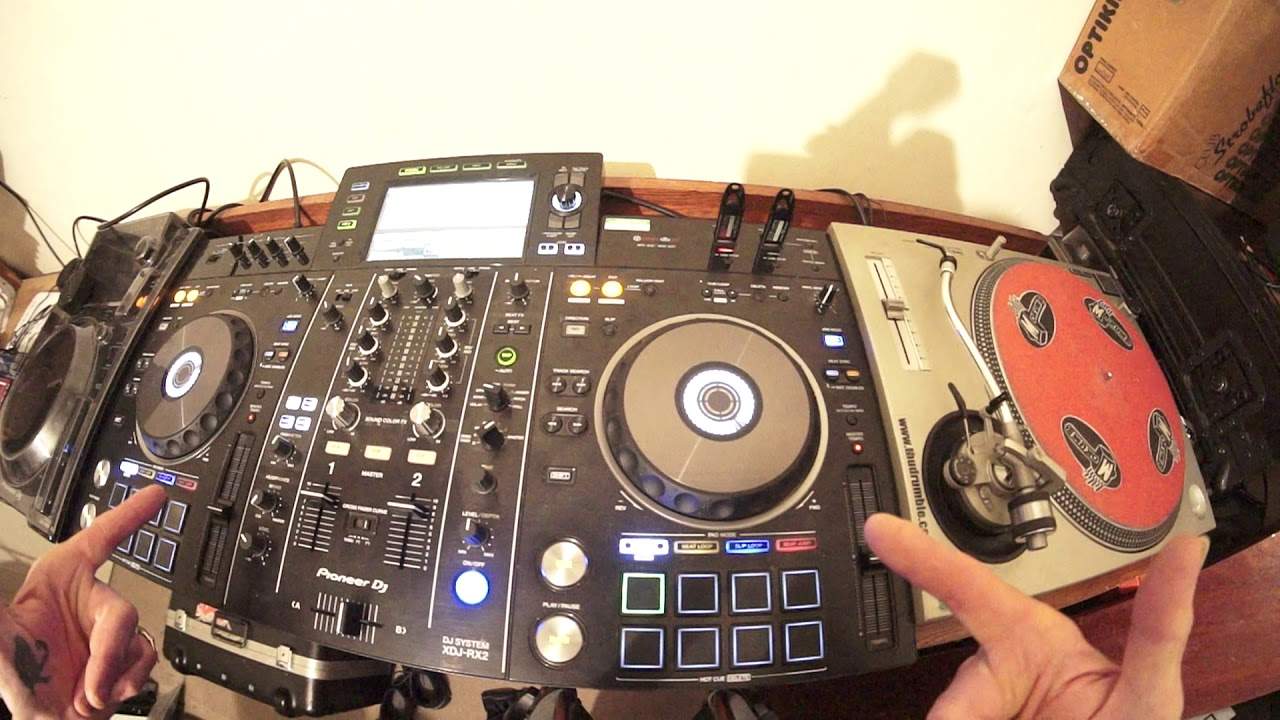
So, what is a semitone? Well, an easy way of explaining it is something like this. Let's imagine we're looking at a regular piano. And on the piano we have middle C. Now, the notes don't start off like this, A, B, C, D, E and so on. They actually start really with the middle C. You have C, so you don't have the A, B, you have then C, D, E, F, G. And then you don't have H, then you have A, B and then you start with C again. Okay, so, semitone. Well, what is it? Well, let's imagine there's actually a note in between the notes. Now, that is the simplest way of classing or let's say explaining about a semitone. Now, on my right here we have a regular turntable, vinyl turntable and we have the pitch control here.
Now, the pitch on this Technics SL-1200 is Mark II, SL-1200 Mark II, but it's not the 1210. The 1210 is black, the 1200 is silver. That's the only difference, apart of course from the number. It is upside down at the moment, but we have plus and minus 8%. Now, what that will do, that will increase or decrease the track by 8%, the speed of the track. So, of course, easy way if the track is 100 BPM. If you move the turntable, you'll get 100 BPM. If you move the pitch all the way to plus 8, it will go to 108 BPM minus, of course, it will go to 92. But because that sort of analogue old school style, it may fluctuate very slightly. But when you're mixing on vinyl and let's say, for example, you need to put the pitch up all the way to plus 6 or plus 8 or minus 6, minus 8.
2:36 Very quickly, a demonstration here
Then you will not only decrease and increase the speed, you will also increase and decrease the tone of the track. Now, the rule of thumb, the rule of thumb generally with a Technics is if you're in and around plus or minus 3%, you can get away with it. Anything after that, and you will, of course, not only increase the speed, but you'll start to increase or decrease. The notes of the music by a semitone or so. Now, that's when you will start to hear a difference in the sound of the track. Now, very quickly, a demonstration here. Two old school tunes, Love Hangover On Here by Diana Ross and Street Player Chicago. Two amazing old school tracks. If you know the bomb, these sounds fall into my mind. Listen, this is the original.
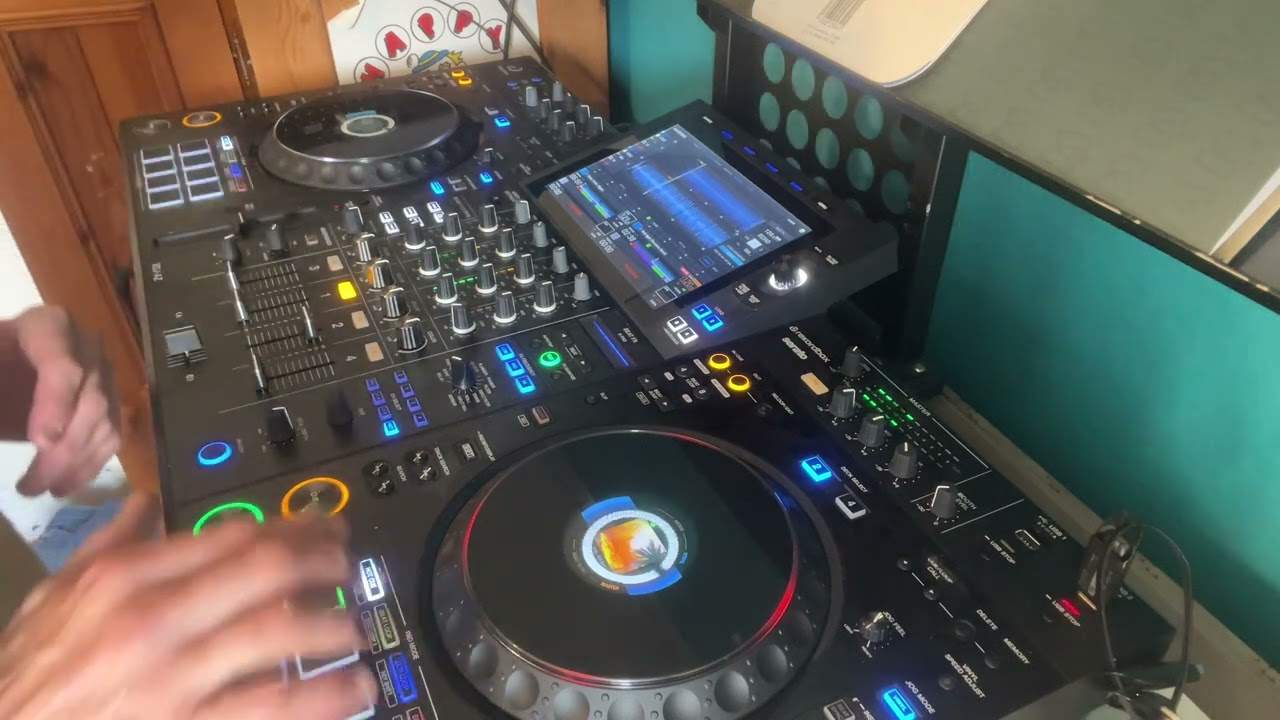
Oh, and what a bloody tune. Okay. So, let me explain something now. On a modern day kit, we have something called Master Tempo, sometimes called Key Lock. Now, what that will do, that will keep the key of the sound. It will not change the sound whether you slow it down or speed it up. So, even if I go above or below 3%, it will still keep the same sound, which is great. But sometimes, sometimes, if you want to form a mix or you want to form... A transition, whether it be a chop, which I will show you now, or a blend of 2, 4, 8, 16, 527.3 bars. Just kidding about the two. You know, you're going to have to make sure that it's in key. On the other hand, if you're doing a chop, then... Oh, sorry, in time, I beg your pardon.
On the other hand, if you're doing a chop, which I'll show you now, it doesn't really have to be... The two tracks don't have to be at the same BPM. Because so long as... You follow a protocol by making sure that your chop is in time and in phrase, it doesn't matter so much. So, on the right-hand side, Love Hangover.
111 BPM. Street Player 127. Now, let's have a look... Listen at the music. So, what I'm going to do, I'm going to chop into Street Player with the master tempo on the pitch set at the centre position. Let's have a listen. Now, it's not too bad, but it just doesn't sound right to me. There's something wrong, OK? Now, let's disengage master tempo. I'm going to speed up Love Hangover very slightly. And there's good reason for that, because I'm going to now have to speed up Street Player with master tempo disengaged. I'm on both players at plus and minus 10%. Now, have a listen to this.
Listen as I slow it down.
5:29 Let's just wait till we get
OK.
Right, now let's try it. OK. It seems to be more compatible there, because I've changed the key of the track very slightly by disengaging master tempo. Now, let's say during the track or during the time this track's playing, you want to bring it back down to its original key. Whatever you do, if the track is already faster than it should be or slower, don't do this. All right?
Let's just wait till we get... Let's just wait till we get over the drum pattern. This is the wrong thing to do. Listen.
OK, what I did... I engaged master tempo while it was already too fast. Of course, the same thing happens if it's too slow, because what that will do is it will bring it to its original key. So in other words, the track will still stay the same BPM, but you are dropping or increasing the key of the track straight away. So a much more of a broader example, so it's now a lot faster with master tempo disengaged. Listen.
That is... It sounds like he's very ill. OK, so this is what I would do. Let's put it back to its speed how it was. What I'm going to do now... All right, there you see we're halfway through the track, you know?
I'm just going to very slowly now, the pitch down, very slowly. So that's the only way. You know, you can hear a little bit of a difference, but not as much as pressing the master tempo straight away and having a definite key change. All right? Hope it's been a help. Two fantastic tunes. Practice and enjoy. Thank you.
This transcript was produced automatically from the audio of the video and may contain mistakes.