 4:56
Lifting the energy with a quick drop
On YouTube this video is called Drum and bass DJ Mixing Tips Quick Drop and How to Get More NRG Energy in a Mix
What this lesson teaches
A drum and bass technique, asked for by people who wanted the easiest way to bring a track in without mixing.
The move
Cue the incoming track at its drop.
Play the outgoing track up to the point where its drop is about to land - and instead of letting that happen, cut straight over to the other record, which delivers its own drop instead.
The room gets a drop. It is simply not the one they were expecting.
Why it needs no beatmatch
Because nothing overlaps. One record stops and another starts at the same instant, so there is no period where two tempos have to agree.
He says so explicitly: using this technique you do not even have to have them at the same BPM. What you do need is timing and phrasing - the cut has to land exactly where the first drop would have, which means counting.
That is the same bargain as every cut transition in this curriculum: you trade a tempo requirement for a timing requirement, and the timing requirement is absolute.
Two ways to execute it
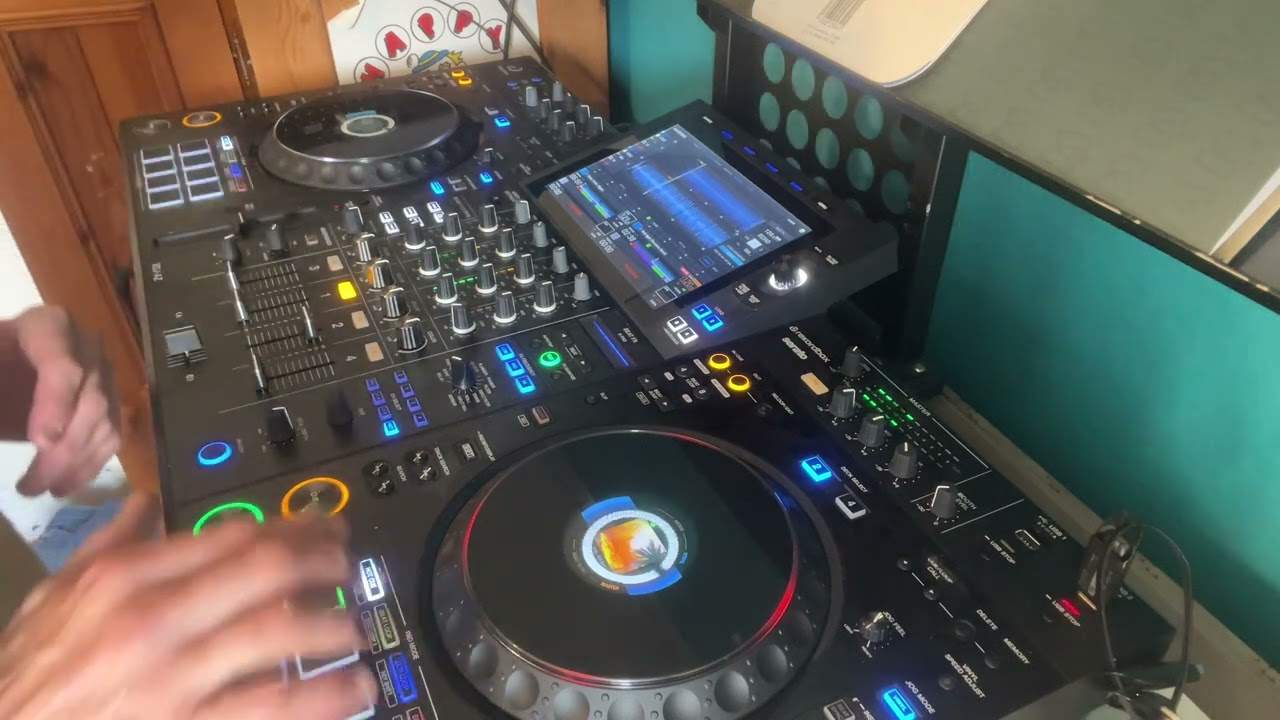
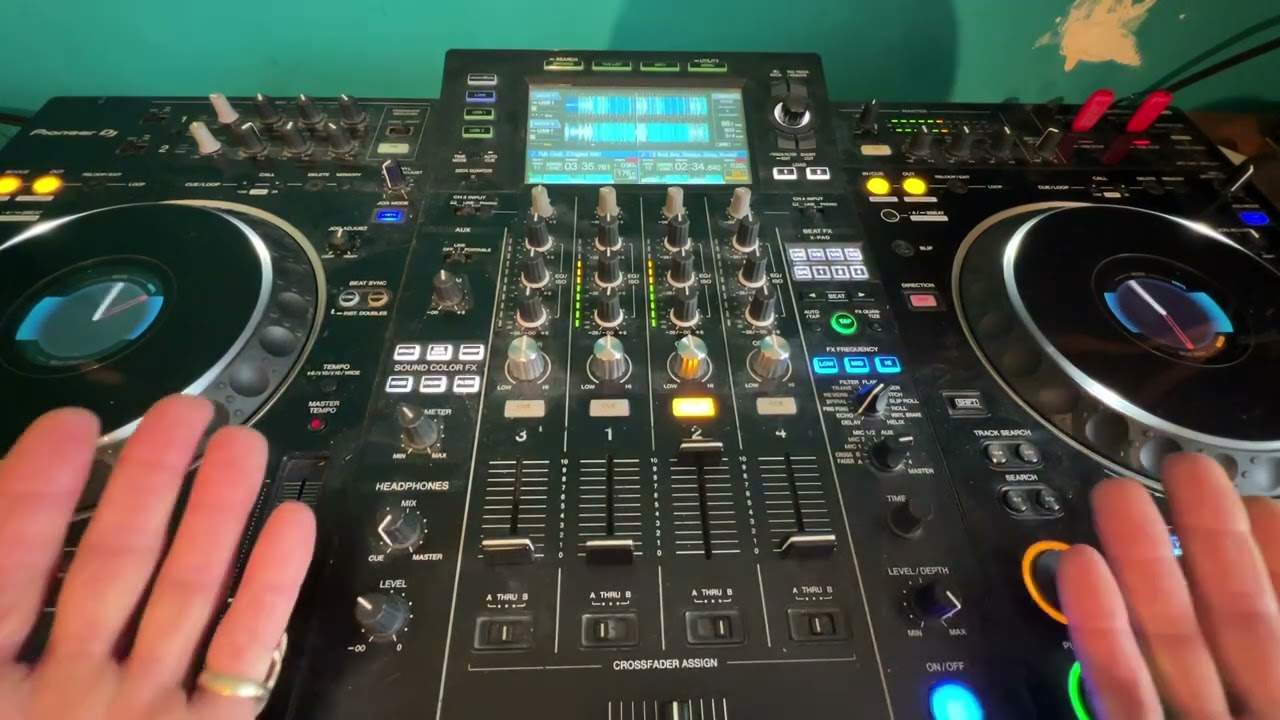
Crossfader. Volume up on the playing deck, crossfader over on that side, and at the moment take it straight across.
Channel faders. Crossfader parked in the middle, press play on the incoming deck and pull the outgoing fader down in the same movement.
Either works. The second gives more control over the exact instant, the first is one gesture.
The variation
He then does it again with the tempos deliberately different - slowing one side, speeding the other - to enhance the energy of the mix.
That is worth understanding. Because nothing overlaps, a tempo change across the cut is not an error; it is an effect. Dropping into a faster record at the exact moment the room expected a drop is a lift that a matched-tempo transition cannot produce.
Where else it works
Anywhere the music is built around drops - which is most electronic genres. The requirement is that both records have a moment the room is waiting for, and that you know exactly where both of them are.
Contents of the video
0:00 Tunes first, Pub Grub on the left and Bad Boy on the right
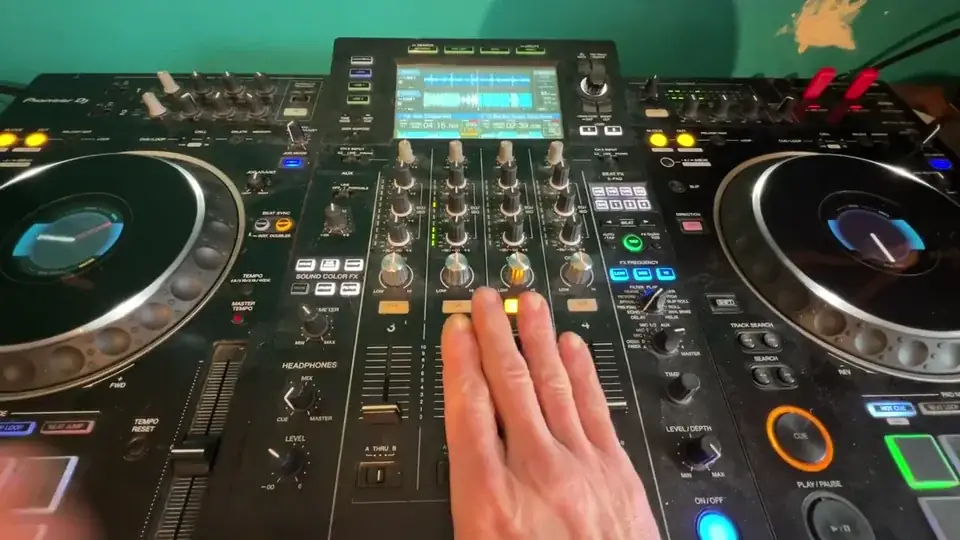
Right guys, bit of a D and B tutorial here. Right okay so tunes first, Pub Grub on the left and Bad Boy on the right. So basically people are asking what is the easiest way to drop in another drum and bass tune as in just easy without even mixing it. Okay and again it's all about your timing, all about your phrasing and using this technique you don't even have to have them at the same BPM. So all I've done here is I've got Bad Boy set up at the drop. There. So very, very simply all you're going to do is you're going to wait for the drop on the one side and instead of having that drop you're just going to go straight over to the other side and bring the other one in. So you can do this a couple of ways. You know you can have the volume up for
On the one deck, drop in the other side, crossfade straight over and away you go. Alternatively you can have the crossfade in the middle ready and literally just press play bring the volume down on the other side. So again by now you should know how to use the the mixer anyway but if I go to let's say break here there so the drop was here there so let's go back so first of all I'm going to do this while they're both in beat. So they're pretty much exactly the same BPM. The next demonstration I'm going to change the BPM and explain how you can enhance the overall energy of the mix. There, so simple. All right only if you know what you're doing of course. All right this time I'm going to slow that side down speed this side up. So let's do a similar thing here we'll go back
Just bring it relatively close to the drop. Okay so what happened there we definitely had a change in the BPM. We went from slow BPM to a faster one. So what that does is it actually enhances the energy in the room. What you'll find is without people knowing they just seem to be slightly more lifted and it's because it's faster. Now a tip and believe me I watch videos
That I've got from one DJ which is friggin awesome is this how to make a break just have a little bit more energy and very simply this we get to the break. Again to the break. All I'm going to do speed it up. Okay so it's going a lot faster now. So imagine and again just for copyright issues don't play too much of this. So just imagine now we've we're going through the break and we've got a break here. So imagine and again just for copyright issues don't play too much of this. So just imagine now we've we're going through the break and we've got a little bit of energy.
3:44 Last long, faster break
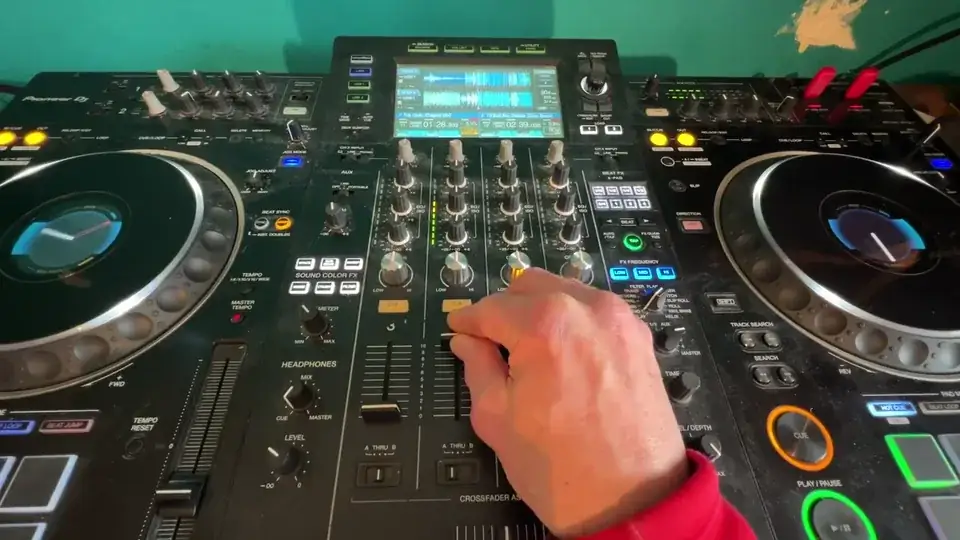
We've got it a bit faster and then we come to the end of the break there. So all I need to do is as we come to the end of the break bearing in mind during the break, it has been faster. So we come to the end of the break.
What I'm going to do drop the BPM again but I've dropped the BPM little bit just before the drop itself. Okay, so basically again the draw sorry the break comes in you speed it up the break plays at the higher speed as soon as the drop comes in slow it back down and there you go so what you've done a couple of things you've made the break sound a bit more or have a bit more energy but also you've made the break last not as long because by speeding up the bpm means you're going to move through that part of the phrase a lot quicker which means of course it won't last as long all right hope that's been a help don't forget like and subscribe thank you very much practice and enjoy
This transcript was produced automatically from the audio of the video and may contain mistakes.