 5:42
Opening a hardstyle set
On YouTube this video is called Hardstyle Mixing DJ Lesson on Starting Your Set Hard Style Music
What this lesson teaches
A short genre lesson that belongs in this course because the genre inverts the course's main assumption.
Like drum and bass, with a difference
In time and in phrase, with changes every sixteen bars - that much is familiar.
The difference is what has to happen at the change. In hardstyle, when you get that break, something else has to come in. The transition has to land exactly on the phrase boundary, and something has to arrive there.
The failure mode
He names it precisely: the dull part where one track is on its way out, you hit a sixteen-bar break with nothing in it, and then the other track starts.
It is just drab - and it is fatal in this genre, because hardstyle is about keeping the energy up. A set that sags for sixteen bars has broken the one thing the music is for.
So hardstyle needs what he calls a formatted mix: planned, landing on the boundaries, with no gaps.
Why this matters beyond hardstyle
Because it is the counter-example to everything else in this course.
Most of the material here assumes a set has contour - it builds, it dips, it lifts. That is right for most music and most rooms.
Hardstyle does not do contour. It starts at the top and the job is to stay there, which means the techniques change: no long beatless blends, no breakdown overlaps, no letting the energy fall while you reposition.
Which is a reminder that "a set should have a shape" is a convention of certain genres rather than a law of music. The shape a set should have is the one its audience came for.
The practical note
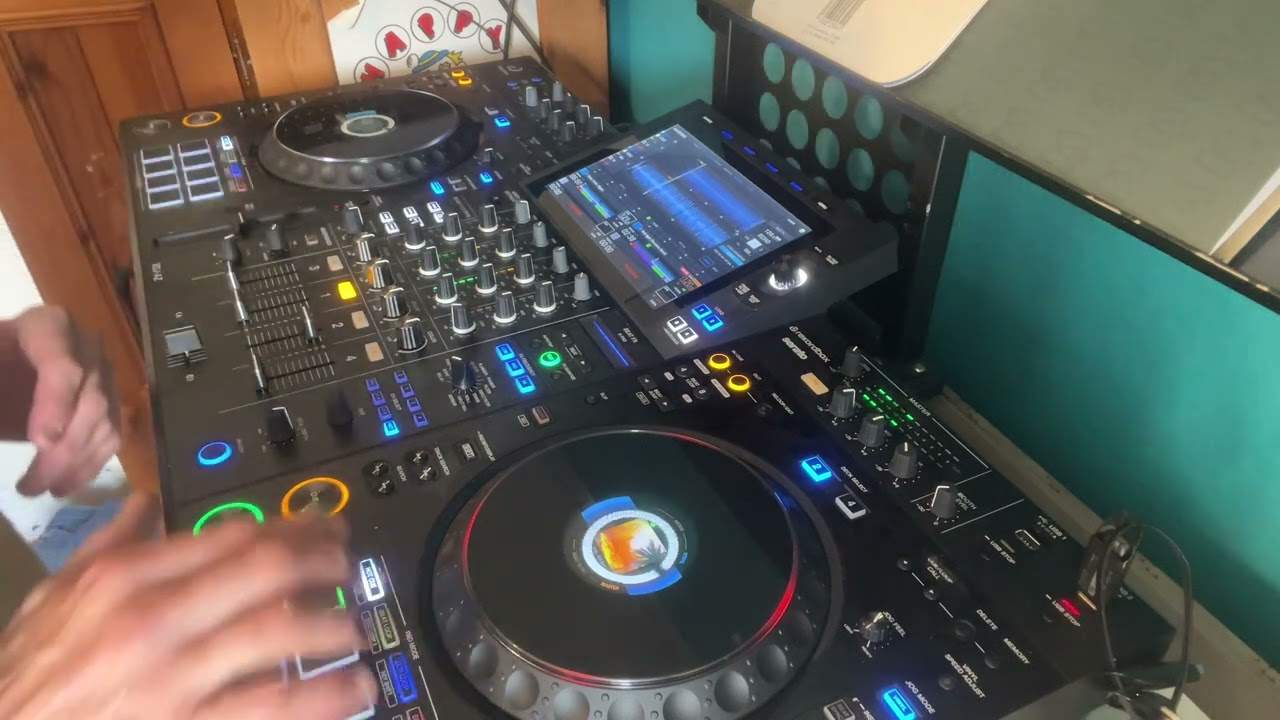
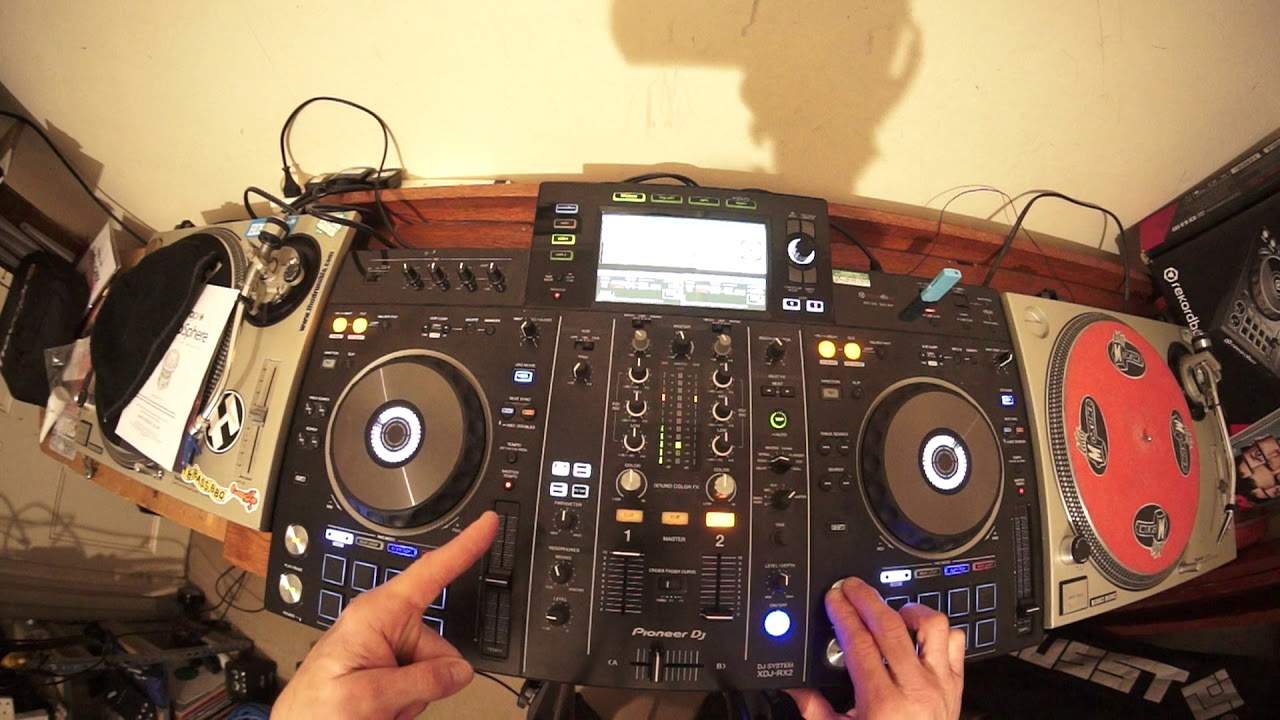
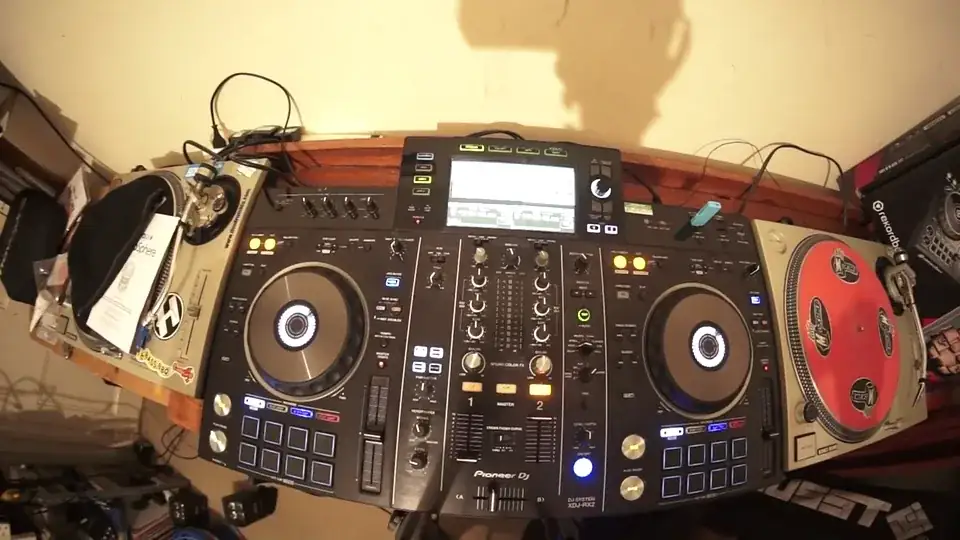
He uses master tempo with the range set to plus or minus sixteen per cent to pull a much slower track up to hardstyle speed while keeping it in key - which is the key-lock lesson applied to a genuinely large tempo move, and exactly what the feature is for.
Contents of the video
0:00 Mixing hardstyle, a little bit like drum and bass
Right, mixing hardstyle, a little bit like drum and bass. It's got to be in time and in phrase. Drum and bass, 16 bars change, 16 bars change and so on. Hardstyle, very similar except when you get that break, something else has got to come in. When you get that change... of phrase. You've got to make sure that the transition is at those points. Hardstyle needs to be a formatted mix. What you don't want is that dull part where one track is... coming in and you've got that 16 bar break of nothing, and then you've got something else on the other side. It's just drab. Hardstyle is about keeping the energy up. In the sky. Right, let's have a listen to Freddie Legrand, Put Your Hands Up, Hard Style Styling. OK, there you go, you get the idea. Let's have a listen now to This Is Hadaway What Is Love, the 2K9 remix. Oh, we can hear straight away, it's a lot slower. OK, let's speed up, let's go forward through the track. OK, it's got the hard edge, it just hasn't...
1:52 Bear in mind, demonstration, alright?
Got the balls. How do we do that? Right, I've got master tempo on. I've put the tempo select to plus and minus 16. So now I can increase or reduce the speed by 16%. So I can bang this one up all the way to the same speed. We'll put that to 144.2. Bear in mind, demonstration, alright? So if it does go slightly off, don't worry about it. It's about showing you what to do. And again, as I've said so many times, when you're starting your set, make your set go off with a bang. Remember, watch a film. Watch a disaster film or watch like James Bond. When do we see James Bond films starting off really slowly? Like never. It's always a car chase. And then once they've got your attention, then they start to settle down a bit. That's exactly what will happen here. Check it out. Here we go. Right. So now what I've done is I've made sure my timing and phrasing is correct because I'm going to bring in Hadaway there.
My God. My frigging God. I'm going to make this even better. Okay, so we've got that break. Check this out. Hot cue on the drop. Let's get rid of that little break. We don't want the break at the beginning of the set. We want that later on. Second time around. Here we go. On Hathaway. I'll have to bring it in right now. Can mess around with it if I want to or just leave Freddie LeGrand.
Again, too much bass on both tracks, you're going to overpower the sound. The drop. That break. Now again, it's up to you. Do you want to keep the break or do you just want to go straight in? The choice is yours. The technology is here. Go do that shit. Practice and enjoy. Thank you very much.
This transcript was produced automatically from the audio of the video and may contain mistakes.