 6:09
Why two unloved records can beat ten good ones
On YouTube this video is called Harmonic mixing for the New DJ , lesson 5
What this lesson teaches
A lesson that makes the case rather than teaching the system, and both of its arguments are worth having.
Two tracks that work
One DJ plays their favourite record to a friend, who does not like it. The friend plays theirs, and it is not liked back.
Put the two together in a mix and something else can happen: each one helps the other. Both DJs reconsider, because the records work together in a way neither works alone.
That is not a trick of politeness. Two pieces of music in compatible keys genuinely add to each other - one fills a register the other leaves empty, one's harmony reinforces the other's - and the combination can be better than either part.
Which is the "third track" idea from the very first stage, arrived at from the musical side rather than the rhythmic one.
Ten tracks that do not
The inverse, and it is the more useful warning.
Take ten records you like. Beatmatch them all perfectly. Play them in sequence.
The mix can still sound atrocious - his word - because beatmatched is not the same as musically matched. The timing is right and nothing belongs next to anything else, and the result is a set that is technically competent and unpleasant to listen to.
What this means in practice
Beatmatching is necessary and not sufficient.
It is the thing most beginners spend a year on, and quite reasonably, because it is a visible skill with an obvious failure mode. Harmonic compatibility is invisible, has no obvious failure mode, and is at least as responsible for whether a mix is any good.
The reason to learn the wheel is that it turns an invisible property into something you can read off a screen - which means you can get it right before you have developed the ear to hear it, and develop the ear afterwards by noticing what the compatible pairs have in common.
Contents of the video
0:00 They go and see a mate down the road
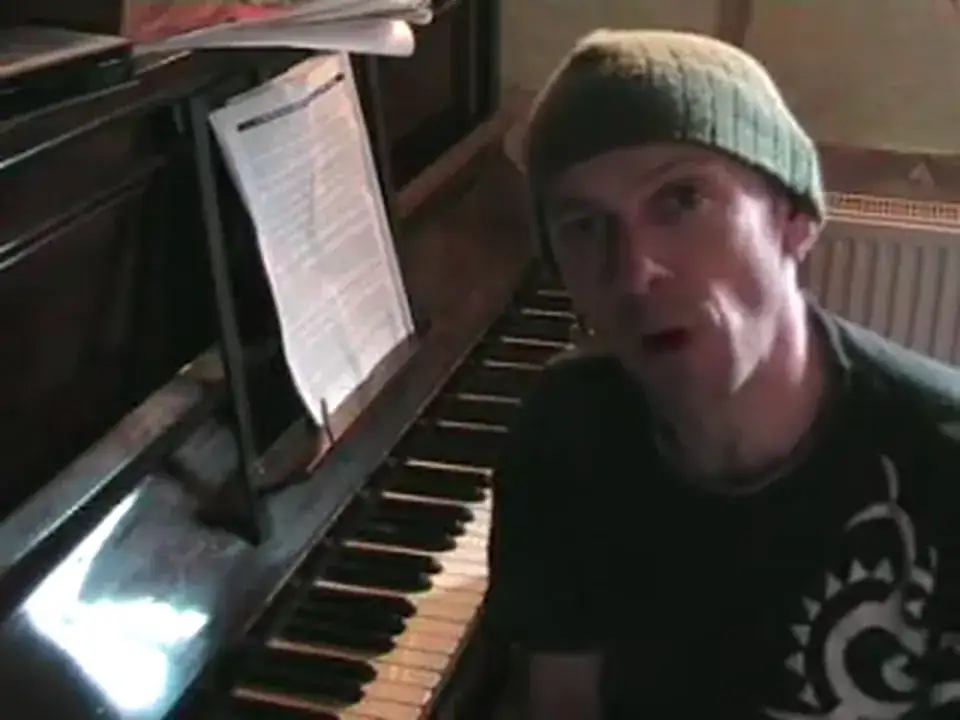
Alright folks, Jonathan here. In this video we're going to be looking a little bit more about what is known as harmonic mixing. Now harmonic mixing for a DJ is all about mixing in keys, in tone, in feel of the music, as opposed to just the beat. Now very briefly, think about this, let's say you've got a DJ and they have got their best track in the world. They go and see a mate down the road. They play their favourite track. And their mate thinks, I don't like that, it's not very good. Their mate plays track to them. They have a listen to it and they think, no, I don't like that either. Well, let's say then the two friends put their tracks together in a mix. All of a sudden what could happen is the one track could help the other one. So all of a sudden the two DJs think, yeah, each other's tracks are quite nice because they've worked well together in a mix.
There's continuity and flow, not only in let's say the beatmatching, but mainly in the actual musical content of the two tracks being put together. Very important. Another factor, let's pretend we have 10 songs, 12-inch singles, 10 PC programs, 10 CD tracks, doesn't really matter. And let's say all of a sudden now you, me, whoever just throws all those tracks together. And maybe they're in beat. OK, so they're in beat. But because they're not musically matched the actual mix could sound atrocious. It could just sound absolutely crap. But let's say then we considered putting them together from a musical point of view as well as from beatmatching them. We could take that terrible mix to a mix that sounds...
1:48 All they had was musical instruments
Fantastic. Could be bummed on CD and could be the best thing since sliced bread and everyone would love it. You could play that and a crowd would be built up and take them on a journey. Also, think of it from this point of view. Now, maybe I think last year I did a video with regards to the likes of Bach, Tchaikovsky, Beethoven with the DJs from years gone by. I truly believe that simply because those people from years ago they would take They didn't have CDJs, they didn't have vinyl turntables, probably didn't even have electricity. All they had was musical instruments. But what they did, they used those musical instruments and they took the tone, the key, the feel from those musical instruments, matched it all together and they made a symphony and they took people on a journey. Now if you could almost plant their, have their symphony as a graph, it would sometimes start here and it would be a lovely smooth...
All of a sudden, you play another track and you see the dance floor disappearing. It's because possibly... The tone, the key, the feel of the music has changed. Even though it doesn't matter, let's say for example you're playing rock and you go into hip hop, you go into soul, you go into R&B, into house, the continuity of the music is there. But if all of a sudden you change the key, the people might disappear because that sometimes is what keeps them there. Right, I do beg your pardon because this piano sounds atrocious. The only good place for this really is in a pub. If you haven't been into a pub where you've got some dodgy person who's half-pissed going, then you haven't lived because it's good fun. And who gives a monkey's because it's just, well, I mean everyone's drunk and you just go along with the flow, don't you? Right, now first of all let's play middle C. Have a listen. There you go, middle C. Like I said, it sounds terrible. Now this is C sharp. Right, the two...
Notes sound relatively decent by themselves, but let's put those two notes together. Have a listen. And they're C sharp sticking, so I do apologise. Now you imagine you're playing one track at C, another track at C sharp. Now let's say the melody is still playing from the track that's in C and the melody comes in from C sharp. You put those two together, it could sound rather dodgy. Have another listen.
4:38 Let's play those two together
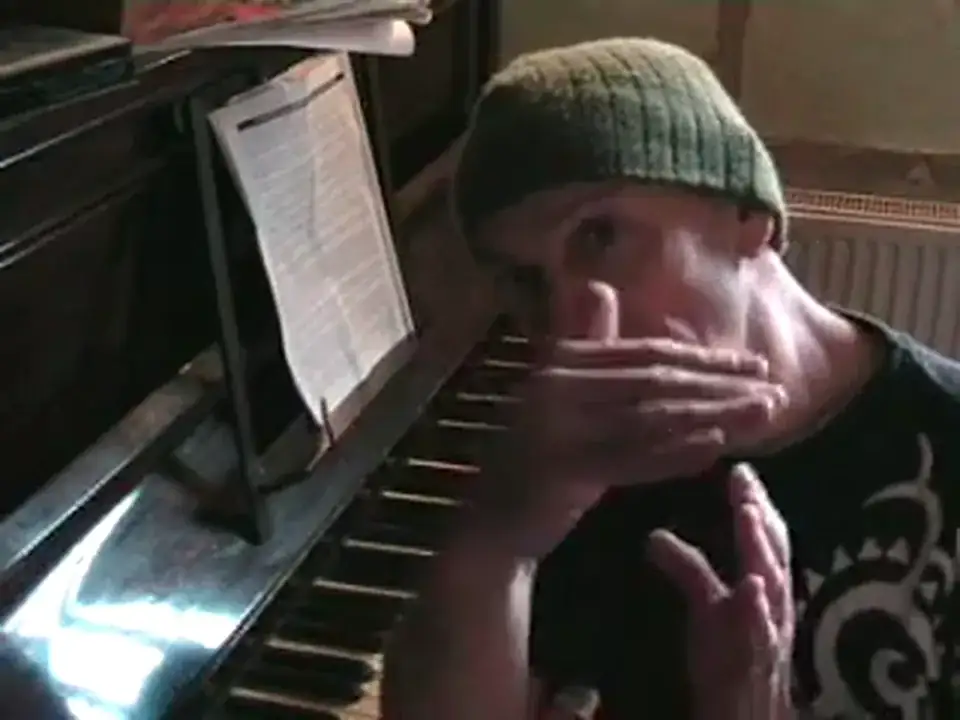
Let's say you played the track C sharp and all of a sudden that track finishes with just a beat. And then the C sharp track just starts with a beat. Now if you mix just the beats together, you could probably get away with it. But have a listen to this. Let's say C and we go to E. Now let's play those two together. Now they work. So in other words, you'd have track number one in C. Track number two in E, and you put the melodies of those two together, and just so long as there's not a lot happening with the melody, theoretically those two would work together. But also what's happening is you're building the continuity of the actual set. Now have a listen. And have a listen again. So we go from C. So we're actually building the sound, the feel of...
Thank you very much.
This transcript was produced automatically from the audio of the video and may contain mistakes.