 4:52
Help in playing your set you put togeather.djtutor.com
Contents of the video
0:00 Following these simple instructions will make it just that tiny bit ea
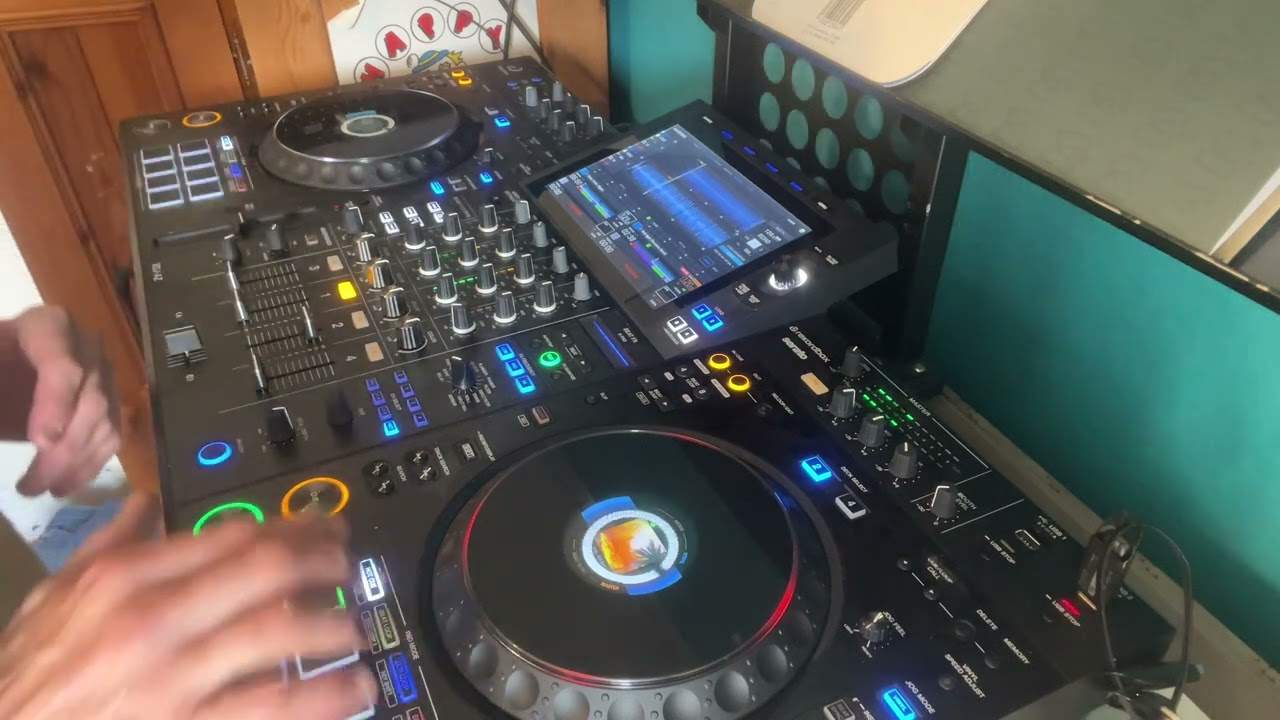
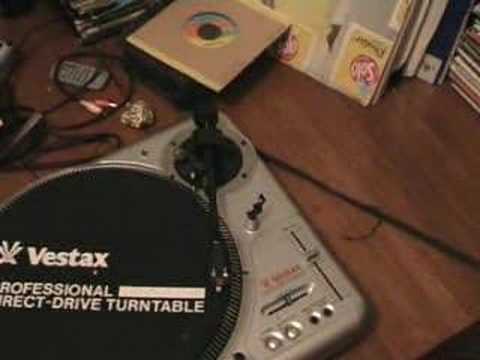
Alright folks, this is a short video basically explaining to you how it's going to be easier for you to play your set at a party, nightclub or wherever after you've compiled it at home, you've got it all set up. Following these simple instructions will make it just that tiny bit easier for you. Now the first thing I want you to do is count the BPM of your tunes. Now the easiest way to do that if you don't know how to count BPM is simply this, what you need to do... What you want to do is your CD player or your turntable, make sure it's on the green. In other words, it's quartz lock. If it's 33, it's precisely at 33 RPM. If it's at 45, it's precisely at 45 RPM. Once it is, then what you want to do, you want to count initially, you can count a minute if you want to, but it's easier actually just to do 30 seconds because we're only having a rough estimate here. So what you do is you need a stopwatch and you want to count, you want to watch 30 seconds. You don't count the 30 seconds, you watch the 30 seconds.
1:22 Here's the simple format
If you're going to count, say for example house music, you've got a dum-dum-dum-dum. So you would count 1, 2, 3, 4. If you're going to count R&B, soul, hip hop, it'll be something like this. So you would count 1, 2, 3, 4, 5, 6. Right, so when you've got your 30 seconds, count however many beats you've got there, whether it be 60, 120, well it wouldn't be 120, sorry. Here's the simple format. It's so simple it's crazy. Now then what I want you to do On a piece of paper like this, it doesn't have to be that size, it could be a tiny little piece of paper that you've got in your back pocket. Now what you'll notice is when you're compiling your mix and you're doing your mix on your turntables, what you'll do is you'll have one tune over here, if I just wang that across there, and you'll be mixing away. Say this is the first tune and you'll leave it dead centre. And then the next tune, you'll be mixing it and you'll be messing around with the pitch.
And then all of a sudden it'll be sort of let's say, let me just gently put that there, it'll be in this position. Now what I want you to do is make a note of that position. So I would say the second tune, there aren't any numbers there, so let's say hypothetically now the second tune is going to be at say minus two. And then you're playing the third tune and then you're doing this and then the third tune is say plus one. And then the fourth tune is say minus one. And then the fifth tune is, say, minus three. Now then, hopefully you can see where I'm coming or where I'm going, should I say here? I don't know whether I'm coming or going half the time anyway. Right, is this. I used to do this, still do it now occasionally. What you do is basically this. You have number one, two, three, four, five, six, seven, eight, up to ten, whatever, up to 500 depending on how many tunes you've got. Now if I just go a little bit closer so you can actually see the numbers, all I've done...
3:14 For tune 1, I put plus 2
For tune 1, I put plus 2. For tune 2, plus 1. Minus 3, plus 4, minus 1, minus 2.5, plus 1. Now if you're only playing one or two records, there's probably no need to do this. But if you've got a set of about, say, 10-15 records, now think of it on this basis. Let's say now... You want to quickly slam on the next record that's coming into the mix. Now instead of putting it on and having the pitch in the position where the last record left it at, what you can do then, you look and say we're ready now to put this tune on here which is number 5. So I would then go to that piece of paper and I'd see, right, tune 5. So, straight away, I would know that pitch is going to be at minus one. Now, I still may have to mess around a little bit to get it in beat, but it's better than thinking, crikey, where's it going to go and spending quite a bit of time messing around. So, you know it's minus one. And then, of course, say you're on tune eight. So, you're halfway through and you can see, right, plus 1.5. So, over here, you're on plus 1.5 like that. I mean, that is an easy way of just making it a little bit easier for you, okay?
So, work on that basis and again when you've got your set together and this principle will work with any type of dance music, house, hip-hop, soul, R&B, reggae, ragga. A little time spent in your room sorting out where the pitch should be will save you a bit of time when you're in front of your mates or you're at a party. Alright, so nice one for listening. Practice and enjoy. Take it easy.
This transcript was produced automatically from the audio of the video and may contain mistakes.