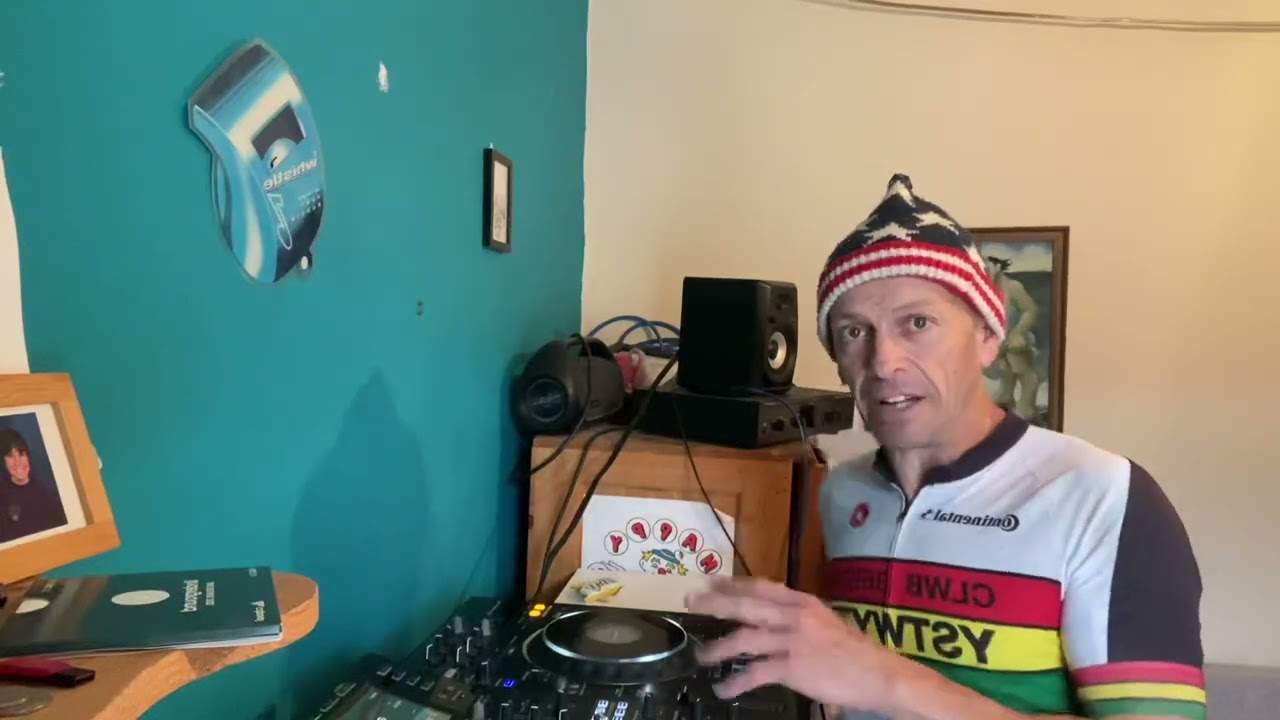
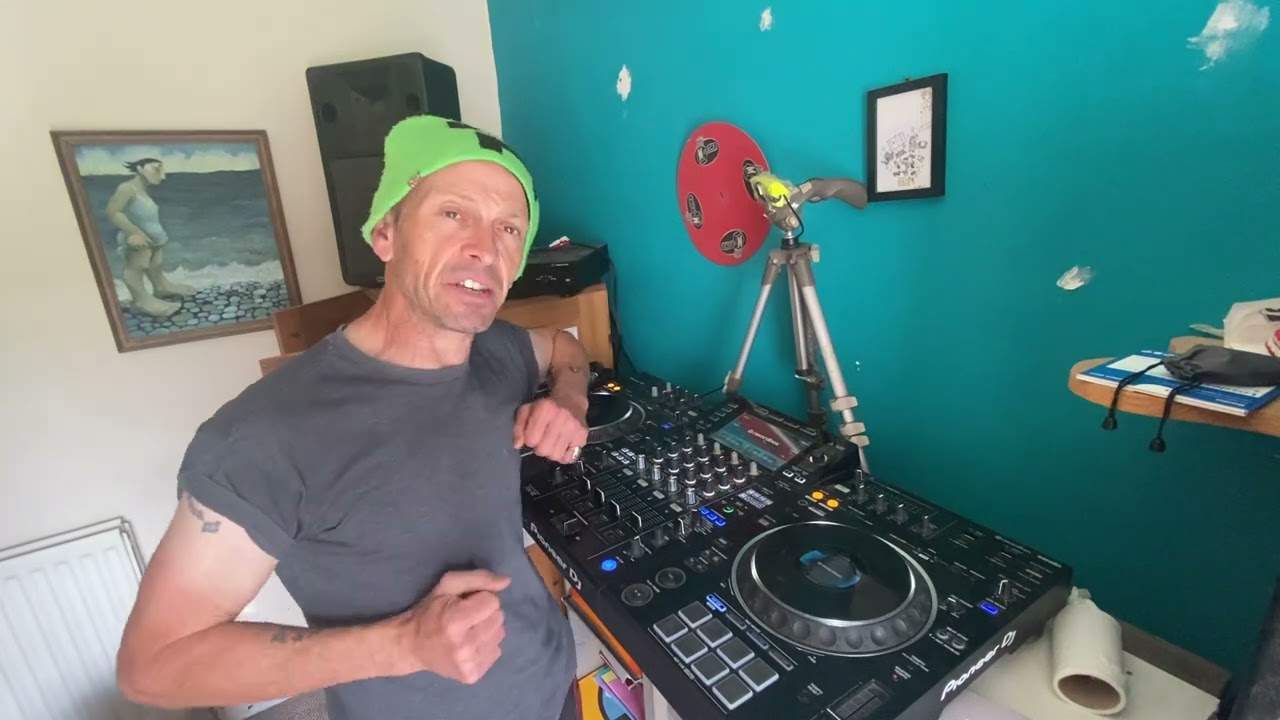
 11:43
Help with Saving Money BY Keeping the Kit You Have and Make Money BY Selling What You Don't Want
Contents of the video
0:00 Jonathan Ellaskins, The DJ Tutor here
Alright, Jonathan Ellaskins, The DJ Tutor here. Now this video could hopefully save you a lot of money. In fact, it could save you enough to buy double what you wanted to buy in the first place. So, technology is just like moving on leaps and bounds. And all of a sudden you get a new product come out and you think you've got to go and buy it. Well, now I've definitely broached on this subject before but not as in-depth and not from this angle. I want you to consider this. The new iPhone comes out or the new Android phone comes out and there's a line of people waiting to buy it because they want to show their friends how clever they are. At having the latest tech and having all their friends around them thinking I wish I was you, aren't you amazing because you've got the new piece of plastic.
What a bunch of crap. Why? Well, we are now at the stage where you can have something that was made five, six years ago and it will practically do the same as something that's made today. Maybe it's slightly slower. Maybe it's not. It isn't as small. Maybe it doesn't look as good. Maybe it's a little bit rough around the edges but it will work. Now, let me give you an example. Quite a few years ago Pioneer brought out the XDJ-RX and in my mind that revolutionised the DJ industry. Why? You're asking. It's because you didn't need a laptop. And it still makes me laugh. I mean, alright, yes. I will or I used to use a laptop with it when I went out and did gigs but I did a lot of video mixing and I had such a vast library I couldn't really be bothered with messing around, plugging and pulling out thumb drives all night long.
2:17 The Rekordbox MKII looks great, I'll buy that
But with the XDJ-RX you could download Rekordbox onto your laptop. You could analyse your tracks via Rekordbox, put them onto one or two thumb drives, plug them into the Pioneer XDJ-RX. And away you go. You've got everything you need on that screen. And then the Rekordbox MKII came out and probably a lot of people who bought the Rekordbox MKI thought I don't want the Rekordbox MKI anymore. The Rekordbox MKII looks great, I'll buy that. And then the Rekordbox XZ came out and they got rid of the Rekordbox MKII and they bought the Rekordbox XZ. Now, I do help promote a lot of companies so if you do see me not use an old product and use a new one it's not because I'm thinking gotta get rid of that. I need to buy a new one.
It's because I am helping to promote the DJ industry. But now let's stop all of that and let's look at what kit does for you. What you need from a piece of kit. Now if we rip away all of the bells and whistles, we are predominantly DJs who play music. So if you look at it from a very simple perspective. You have one track. And you blend it into the next song. Do you need effects? Do you need lots of other machinery and software to help you do that? Well, not really because if you go back to the 80s, 70s and 60s what did DJs have then? Vinyl. No screens, no laptops, no readouts, no wave formats, nothing. Yet how come they were able to DJ then on no computer? Well, they could because they did. We did. We were able to do it.
Now we're in a lucky era of being able to press a button and it'll do everything for you and wipe your ass at the same time.
3:56 Very simply, let's say you bought the Pioneer XDJ-RX and it works
No. Anyway, so where is this video going? Very simply, let's say you bought the Pioneer XDJ-RX and it works. Then why would you then consider after spending all that money? Getting something else that will probably do the same. In fact, if you have done that, I want you to look at what you do now on the RX2 or the XZ or the Nexus setup and really analyze what you're using on that new piece of kit. And then remember if you can what you did on the old kit and work out if you're doing more and it's making you a better DJ. Or are you doing the same and you've just spent more money on something you're not really using? Now, a while ago I bought an iPhone 7. Yes, I bought an iPhone 7. I bought that a couple of years ago and I still got it.
I'm now thinking of upgrading to an iPhone 8. People probably put in the comments it's very similar, but I might even get an iPhone X. I might actually get an iPhone X. The only reason I'm going to do that is because I want something with greater storage and I have waited a long time till they've superseded the X. So the X is now cheaper, which means when I buy one of those eventually secondhand, no doubt, I will be paying a fraction of the cost or very a lot less than someone who would have paid for that item when it was brand new. OK, it will not be brand new. It will have been used, but that's up to me to check to make sure it's still good quality. Exactly the same when buying a secondhand piece of kit.
6:11 Going back to DJing, look at the kit you've got
Don't just rely on their word. Check it out. Use it. Make sure everything works and then with your own judgment decide if you need to pay for the exact amount that person has asked for or lower the price a little bit. And I will talk about that in this video as well because it could save you a great deal of money. So I'm thinking about buying an iPhone X, a plus, a big one at 256 gig if I can find one and afford it. But what I will do then, I'll sell the phone I've had and I'll have some money from that, put that towards the new phone, blah, blah, blah, and so on. So I'm not thinking about buying the brand new phone because all I'm going to be doing is opening the box and thinking, well, look, it's shiny.
And why on earth did I spend that much money on a doorstop? You see? So going back to DJing, look at the kit you've got. Think, do you really need to buy that extra piece of kit with four new brand new knobs on it that do practically the same as the other knobs on the other one? And you don't want to be a knob. So just think about what you're going to buy now then about buying. OK, when you buy secondhand, a second hand item has three or four values. What it's worth, what you want for it, what you can get for it and what someone is willing to pay. So of course, this part of the video is two way. It's about you selling and also you buying as well. Now, if someone is desperate for the money and you come along a bird in the hand is worth two in the whatever.
So you may be inclined to take your first offer or the first person that comes along because you never know someone else might not come. And also that's true for you as well, because if you're selling if you think about it, if you're selling something and they come along and you want seven hundred for it and they offer you five hundred and you go, no, no, I want seven hundred and they walk out the door that possibly could be the only person you will ever see offering you that amount of money. And you may have missed out on a deal, whereas the next person comes along and may only offer you four fifty, four fifty and then four seventy five and then four hundred and you think, damn, I'm taking the first amount.
So sometimes it's a good idea to take the first amount. On the other hand, if you're buying something, this is where it gets a little bit more interesting because if the person you're buying from is adamant, that's how much money they want for that item and you do not have that amount or you're not willing to spend that much, then walk out the door, say goodbye. So on the other hand, what you want to do is this. If the item, let's say you want to buy is five hundred. You take with you, say three fifty. You walk in, you offer them three fifty cash if you can. They probably will go no. So then you can go maybe four hundred. Really, the rule of thumb is very, very simple. This isn't rocket science. This is complete and utter logic here.
9:20 On the other hand, which is very likely, in fact, it's going to happen
If they want five hundred and you say I'll give you four and they go yes straight away, then it's very, very likely you could have got it for less. Because if they're like, oh, well, I don't really know. I'm not sure. Then they're thinking about it. If they say yes straight away, you could have maybe got it for less. So if you have a number in mind that you're willing, willing to pay for the item, go less because when they say no, you're not going to reduce the price because they're going to say no. On the other hand, which is very likely, in fact, it's going to happen. If you give them that price that you're willing to pay and they say no, then of course you have the option. It's your choice of going higher.
But if you start high, you can't go low. If you go low, you can carry on going higher. Now, that's pure logic from someone who is buying something. Now let's have a look at it from the other perspective. There you are. If you're if you're selling something. Now, this is this is great because I'm showing you both ways. If you're selling something and you want no matter what you want 500 for that item, that's what you want. That is the bloody lowest you're going to go no matter what you are not under any circumstance going to go lower, because if you do, your partner is going to squash your testicles or maybe so bits up. I don't know. So you will say in your mind five hundred is the lowest, that's it. But you put the item for 650.
You put it out there for 650. So if someone comes along and offers you 650, you've made 150 jobs are good and go buy a bottle of champagne and you're going to have a happy night. On the other hand, if they say, well, 650 is a bit low. I don't really want to pay that. What would you be willing to go for cash? You say, well, all right, six. Now at that point, then that person who's buying will be like, oh, it's a bit too much. Will you go 550? And you go, well, hmm, halfway 575. Now you've got a deal because you've got an extra 75. They think they've got a deal because they reduce the price. Everyone's happy and you walked away with a bit of money. On the other hand, if they are adamant, they want to go really low, then all right, 500.
OK, they will walk away thinking I've got a hell of a good deal. I've reduced the price and you've gone. You know what? I had what I wanted in the first place. Practice and enjoy. Thank you.
This transcript was produced automatically from the audio of the video and may contain mistakes.
Related videos
-
WHY Vinyl and WHY Is Now the Time to Go Old School
He admits at the start that this one might annoy people, and some of it should be argued with. The practical half is excellent. The claim…