 7:28
How to get a set in a nightclub
On YouTube this video is called How do i get a set in a Night club?
What this lesson teaches
Seven minutes on getting a foot in the door, and it is mostly about the twenty seconds before anybody hears your music.
You have to actually be good first
Stated plainly before anything else: you need to play a decent set with a decent selection.
And a reassurance about the music itself - you do not need the newest records. A set put together properly from five or six years ago would do, because selection and construction matter more than release dates. Yes, some clubs have trainspotters who will notice, but if you are a good DJ it does not matter much.
Reading the crowd is the skill they are buying
The difference between a bedroom set and a club set, and he puts a number on it: roughly fifty-fifty.
Half of it is your set, prepared. The other half is what the crowd want. There will come a point where the next record in your plan will not work, and you have to change it to keep the floor.
That is what managers want. Not a perfect mix - a DJ who will not let the room empty.
And managers know what they are listening to
A good piece of context. Twenty years before he made this, a club manager was a fifty-year-old with a beard and a cigar talking to the women at the bar.
Now a manager is a twenty-five-year-old who is a DJ himself, listens to everything, and will spot what you are doing. So the pitch has to survive an informed listener.
First impressions - the part he spends longest on
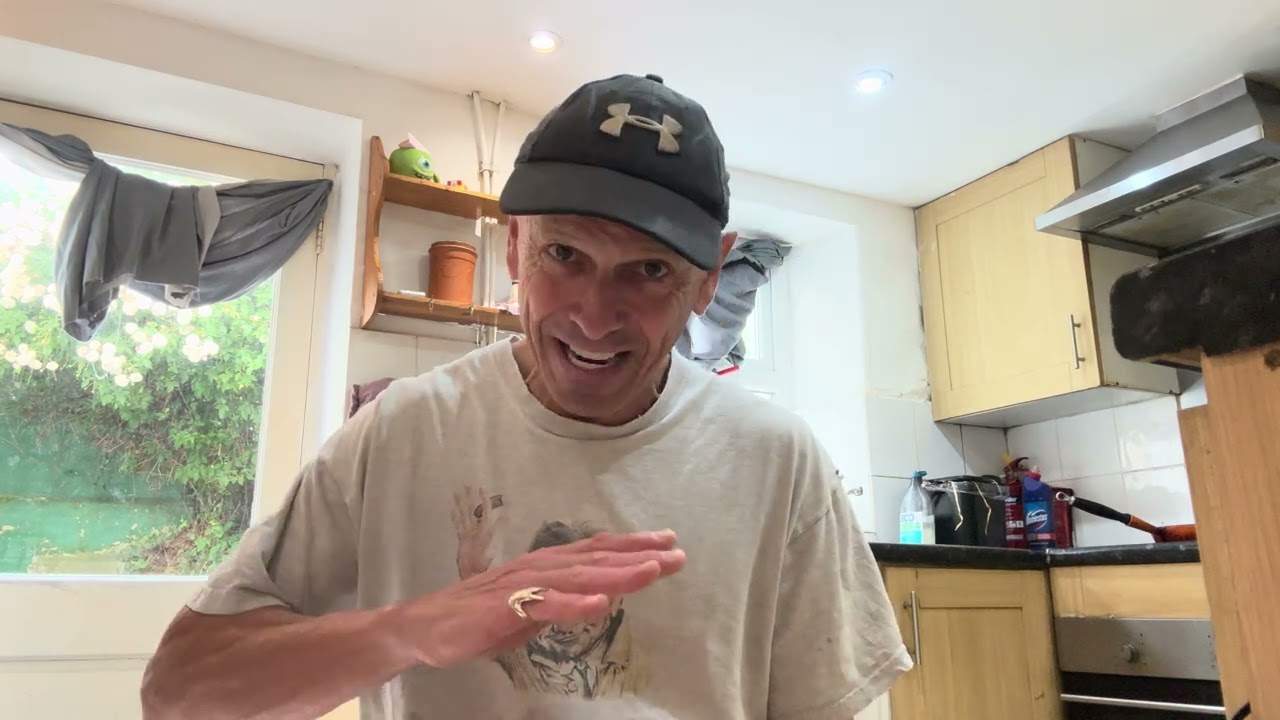
Do not turn up like him, in a dodgy baseball cap and old jeans. Dress as smart as you can. Head up, approach, shake hands, good afternoon, my name is X, would you listen to this, I would like a set in your club.
It sounds trivial and it is psychological, and his analogy makes the case better than the instruction does:
A mobile DJ turns up late, walks through the room while people are eating, and then plays a brilliant set - the floor is packed, everybody loves it. What does the manager remember? That guy was late.
The other DJ turns up early, is set up and out of the way before the food, plays a merely adequate set - and the manager thinks: he was all right. He turned up on time. Good.
So: be smart, be punctual, be polite. Those three cost nothing and they are what gets remembered.
The demo, and how to hand it over
Make it look good. In a case, not a scribbled disc. Put some artwork on it; do it properly on a computer.
Deliver it in person. Do not post it, because he will never get it. Make an appointment, hand it over, say thank you, and leave it at that.
Then do not hassle him. Give it a week before you ask. Maybe another week after that. If he has not listened, leave it.
The reason is the same as everything else in this lesson: if you phone five minutes later and keep phoning, the next time he sees you the only thing in his head is that's the guy who kept ringing me. You have replaced the impression you were trying to make.
Ask for a warm-up set, and expect nothing
Ask for the early slot. There may be nobody in the room - and that is fine, because the manager has people who will tell him how it went: bar staff, security. He will ask them the next day, and they will say good or bad.
And do not expect to get paid. His reasoning is uncomfortable and true: there are twenty DJs who would do that slot for free, and some who would pay for it.
It is called getting your foot in the door. Even carrying records in for a DJ you know counts.
Reading an empty room
A nice detail for the warm-up slot. With three or four people in, you cannot see a dancefloor - so watch smaller signals: are they tapping a foot? Nodding?
If they are not, change the music. If they are, you are on the right road.
And he notes the catch with your prepared set: people who walk in halfway through a long mix have missed the build, so they are landing in the middle of something and will just sit there.
On superstar DJs
He has a go at them, and he is honest that it is not jealousy - and then qualifies it himself: some of them are very good, read the crowd, and have no attitude, and he is not naming or shaming anybody.
The substantive point inside the rant is worth keeping: at the very top, the booking is the draw. A named DJ could play almost anything and the crowd would love it, because they came for the name rather than the selection.
Which is a reason not to use those DJs as a model for how to get your first slot. The thing that will get you a warm-up set at a local club is the opposite of a name: being reliable, smartly turned out, early, and able to hold a room.
Contents of the video
0:00 How do I work in a nightclub?

Alright ladies and gentlemen, how do I work in a nightclub? How do I get work in a nightclub? Not me, you. First of all, logically you need to be a good DJ. You need to be able to play a decent set. You need to have a decent selection of music. As time progresses now, you don't really need to have the latest records because there's so much stuff going on. I'm sure if you brought out a set from five or six years ago but it was put together correctly... People wouldn't mind. Maybe, yeah, there are certain clubs where you do have your train spotters and they probably would notice a lot of the old songs and say play some new stuff, but to be quite honest if you're a good DJ that doesn't really matter. Now again there is a difference between playing a set in your bedroom and playing a set in front of the crowd. In your bedroom you could have a great set, it could sound perfect, but when you go into a nightclub you need to do what is known as read the crowd. In other words you need to play a set
It's almost 50-50. Let's say for example you've got your set, but you need to incorporate into that set 50% maybe more or less of what the crowd want. There could come a point in your set that you've had together in your bedroom whereby if you play that next record it won't work, but you need to change the next record to keep that crowd out there happy. This is what managers want. Because they're getting clever. The reason I'm saying that is because 20 years ago, a manager in a nightclub was some 50-year-old with a beard who sat by the bar with a big fat cigar and talked to the women. Nowadays, a manager is a 25-year-old bloke who is a DJ himself who listens to everything from Ibiza and is up for it. And that's what they're like. Most of the managers are DJs full stop. Right, how do you actually get into that nightclub?
2:24 First impressions stick, OK?
First of all, if you're going to approach the manager, don't do like me, dodgy hat and baseball cap or whatever. Sounds stupid, but dress up as smart as you can. Head high, approach the manager, try and speak to him and shake him by the hand and say good afternoon, good morning, my name is blah blah, whatever, and please would you listen to this CD, I'd like to have a set in your nightclub. Don't go, oh hello, my name is El Gissaset and all that, because it's a very true fact. First impressions stick, OK? You could be the best DJ in the world, but if you turn up in a baseball cap and smelly jeans, the guy's going to think, who the hell's this? Because that's the impression he will get for you. Sorry, I'll start again. That's the impression he will get on the basis of you turning up at his nightclub. I know it's silly, but it's psychological.
Someone told me this a while ago, they said that mobile DJ, think about it, you could be the best mobile DJ in the world, but if you turn up late to a gig and you're walking through the crowd while they're eating their food, but then when you do your set you're the best DJ in the world and the crowd are dancing all over the place and loving it, that manager is going to think of one thing, that guy was late, he was late. On the other hand... If you're on time or even if you're early and you're set up and you're out of the way and the crowd are eating and there's background music on, but you're not so good at what you do, that manager is going to think he was all right. He turned up on time. Good. I like it. First impressions. Very important. Very important. So you get yourself a CD together. The next thing then is, like I said, ask for a warm-up set. It may be a case of there's no one in that crowd.
Oh, sorry, no one in that crowd. There's no one in the room, but of course the manager has his spies, and they're not nasty spies, but we're talking about bar staff, security staff, etc. They're the sort of people the manager may ask a day later, what was he like? And they're either going to say good or bad. Again, don't expect to get paid, because if you say, well I want to get paid as well, believe me, there's probably 20 DJs out there who would do it and who'd probably pay the manager to do a set. So, that's one of the ways of actually getting in to a nightclub. It's basically called getting your foot in the door, okay? Even if you have to start carrying the records in for a DJ you know, alright? Try it, okay? Give it a go but don't forget two important things. First impressions last, alright? Be smart, be punctual and be polite. Very important. And the next thing, even if you've turned up...
5:10 Believe me, there's no jealousy involved
And there's no one in that nightclub, alright? I suppose, yeah, a slight contradiction there because if there's no one in the nightclub maybe you can get away with playing your set you've got together in your bedroom. But if all of a sudden three or four people turn up and they haven't heard the beginning of that mix, they're going to be in the middle of it. So there's possibly a good chance they'll just sit there. And you have to look, just look at how people are tapping their feet. Look if they're nodding their heads. If they're not, if they're just going like... You need to change the music. They're doing this, you know, then you're on the right road. Because once you get into the club scene, it's a completely different concept from just sitting in your bedroom and playing to five mates. There's no comparison. The big superstar DJs, the reason I think half of them are complete tossers is because there's no jealousy. Believe me, there's no jealousy involved.
The reason they're tossers is because they get so many records sent them. Half the time they're told to play the records, because they'll probably get lots of money for playing them. But also, they don't really care, because they've seen and done it, and if they just clicked their fingers, they'd have ten women around them giving them goodness knows what. And those DJs could probably pay the Magic Roundabout song, and the crowd would love it. It's not the fact of music, it's just because it's a named DJ. But then again, like I did say in another video, there are some superstar DJs out there that are very good, that do read the crowd and are very polite, they've got no attitude, so I'm not naming, I'm not shaming any of them because I don't really know half the bloody people anyway. But let's be honest, if you want to get into a nightclub, you've got to be good, you've got to be able to put a good set together, get a CD.
Okay, make it look good. Put it in a case. Don't just write the scribble on it. Make it look nice. Have a bit of a picture on it. Do it on your computer. See the manager personally. Don't post it because he'll never get it, okay? Try and make an appointment to see the manager, okay? Give it to him personally and say thank you very much and leave it at that. Don't hassle him, okay? It's very important not to phone up five minutes later to do listen to it, alright? Give it a week. Ask. Give it maybe another week after that. If he hasn't listened to it, then leave it. Don't hassle. Because again, if you start hassling that manager, when you go and see him again, all he'll think of is, oh, it's that guy who kept on phoning me up. So think about it. If there's any more comments or questions, then give us a shout. Cheers. Bye bye.
This transcript was produced automatically from the audio of the video and may contain mistakes.
This video is part of
Related videos
-
How to Get a Better Fee for Your Mobile DJ Services
He disclaims it as not financial advice and notes that everything depends on where you are. Taken as a checklist of what justifies a higher…