 7:43
Playing records older than the people dancing to them
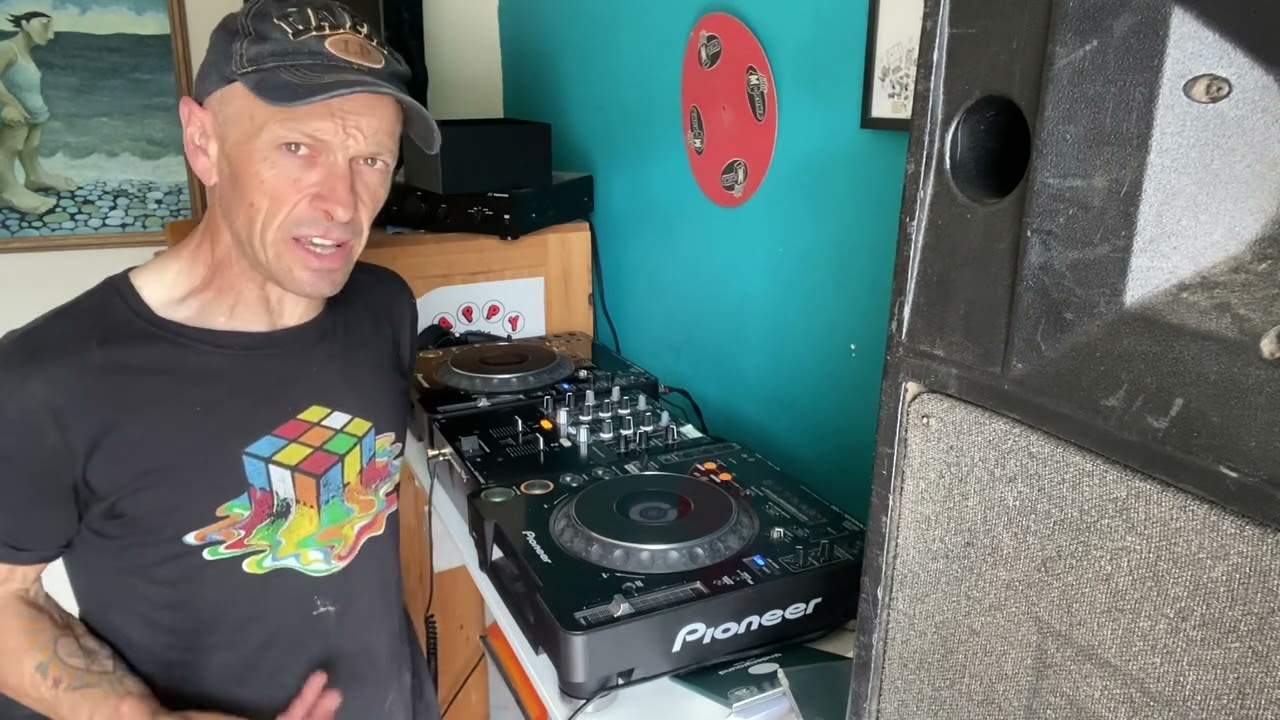
On YouTube this video is called How to Create a Wicked Mix That Not Many DJs Would Even Think of Doing!
What this lesson teaches
He thinks this is the best time there has ever been to be into dance music, and the reason is not what you would expect.
The demographic argument
Somebody who is twenty-five today was born in the late nineties. They were not there for the old rave records. They were not old enough for the tracks from 2000. They have never gone through the process of hearing that material while growing up, because they were not alive.
So when you play them a record from 1993, it is new music. Not a revival, not nostalgia - new, to them, because they have never heard it.
That is a straightforward fact and almost nobody acts on it.
The antique shop
His analogy for the two attitudes.
The old-school way of thinking: a record released today will be old in a week, so you must always have the latest thing. He is blunt about what he thinks of that.
The other way: walking into an antique shop. You could look around and think it is all old, all a waste of time. Or you could find a gem, put it on the mantelpiece, and have people say that's amazing - and then tell them it is from 1940.
The record that gets that reaction is the one nobody else is playing.
The speaker
He makes the argument physical with an EV S200 - a moulded passive cabinet from around 1990 to 1993. Solidly built, still working, bought second-hand for a fraction of its original cost, and in his view it still sounds very good. He reckons it would still hold its own at a gig today.
The point being that age and quality are unrelated, and that the market prices things by fashion.
What to do
Dig out the old vinyl and the old CDs. If you have neither and only a laptop, start looking backwards in it rather than forwards.
And the competitive argument, which is the practical one: if you only play current music you are playing the same records as everybody else, because everybody is shopping in the same place. Add older material and you are playing things no other DJ in the room has - which is the one advantage in this trade that cannot be bought quickly.
The caveat
Old is not the same as good, and a record nobody else plays may be one nobody else wanted. The digging is the work; the age is only what makes the digging worthwhile.
Contents of the video
0:00 Different kinds, tracks tracks, drum machines
Right, ladies and gentlemen, there has never been, I personally believe, a better time to be into dance music. Now, over there is a speaker, and in a way, that sort of depicts in a hard asset for me what I'm about to explain to you. So, when we look at history and how dance music has evolved, it's evolved over time by different kinds of drum machines to bring out different kinds of sounds. So, for someone like myself, my sort of age group who's been in this industry for a very long time, it's highly likely in a way that we could listen to a group of tracks that we've never heard before. Random tracks that, you know, a group of people put together. Let's say, for example, 10 tracks from the 80s, 10 tracks from the 90s, 10 tracks from the noughties and so on.
Now, I'm not saying definitely I could, but I would hopefully be able to determine that maybe certain tracks were from the 80s, 90s and so on. Because of the sounds of the drum machines, you know, the 303 and so on. You know, the... They used to use back in the day. So, where's this going? Now, in the 90s, you know, we have that 90s sound. It's what you're used to. It's around you everywhere. It becomes the norm because it is the norm. And in the 80s, it's exactly the same. But in the 90s and at the latter part of the 90s, if you're anything like me and you heard a Madonna track, it was like, oh God, that kind of... commercial sort of guitar sound. It was like, oh, I hate that sound. But then as we move on in time, that just seems to gel into other sounds till eventually it just becomes this mix of different kinds of feelings and energies that you have in music.
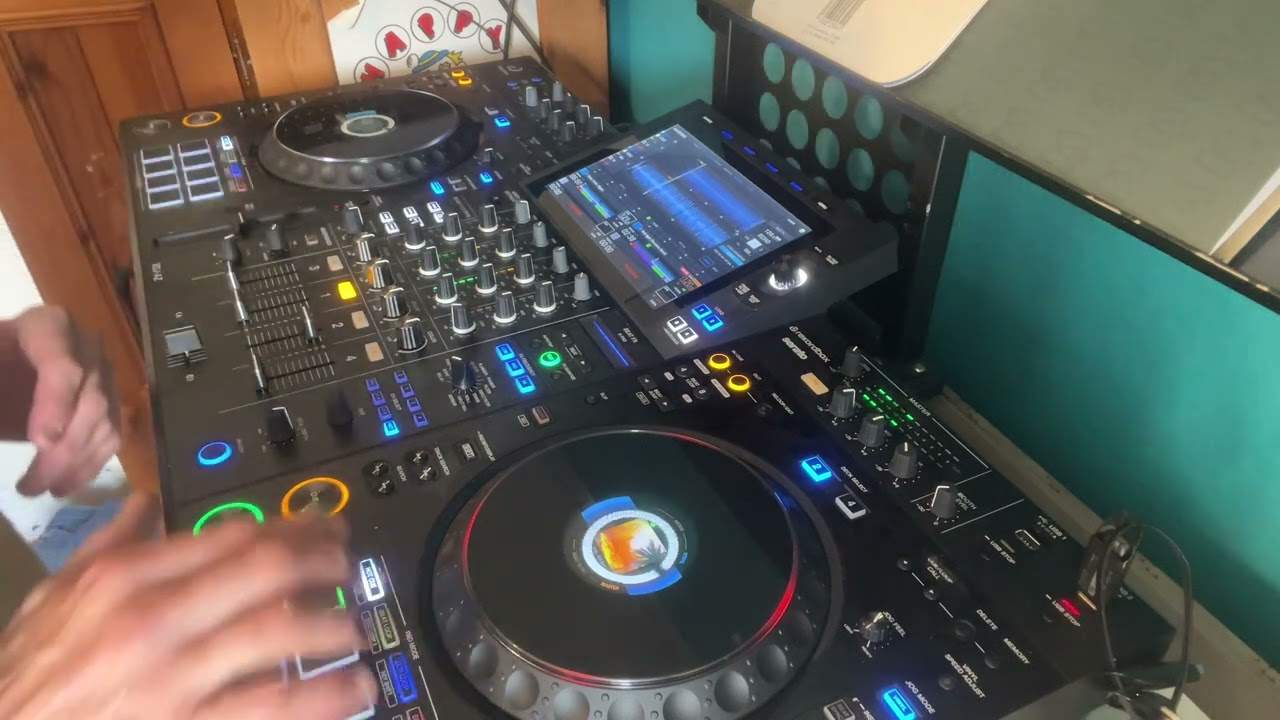
So, I've got two tracks here and due to copyright issues, I'm just going to play loops. So... Okay, so there's a loop. I'm going to say much about it at the moment. And here's another loop.
2:35 I'm not saying these two tracks will or won't mix in together
There.
Now, I'm not saying these two tracks will or won't mix in together. But they are miles apart in era. And anyone who's got a good ear will know that the first sample I played is a lot older than the second one.
But... Now, this is the reason for this video and hopefully this will inspire you.
If you think about it, someone who is 20 or 25 today, say, for example, 25, they were born in the latter part of the 90s. So they weren't even there to listen to the old school rave tunes. They weren't really old enough to listen to tracks from 2000. Yet nowadays, they're listening to modern day music. Whereas if we play them some tracks from even before they were born... It's highly likely that they're going to like them. Because they've never heard them before. Or they haven't heard many of them. Or... They have not, which they haven't. They definitely haven't been through the process of listening to those tracks while they're growing up. That sound. Because they weren't even alive then. So what I'm getting at here is that we are in this fantastic position of being able to...
Play different genres, different styles from the 80s, from the 90s, from the noughties and so on. And compiling a set together that doesn't have to be just modern and update. Now I need to get into every single person's head who watches this video is that it is not imperative. It's not important that you have to get the latest track. You have to think, oh God, it's released today. And in a week from now... It's going to be old. That's bollocks. That is the old school way of looking at music. The new school way of music, of looking at music now... Is like going into an antique shop and looking at all these old frigging antiques and thinking, Oh, they're old, they're terrible, waste of time. No! It's going into an antique shop, finding a gem and showing it people on your mantelpiece.
5:03 Do you see where I'm coming from?
And then going, wow, that's amazing. That looks modernity. And you're going, yeah. It's actually from 1940. Do you see where I'm coming from? Which brings me back to this speaker here. This is from EV. It's the S200. It's a passive speaker, it's moulded and it's one of the original moulded cabs. And again, I believe someone said Toa was one of the original companies that made plastic moulded cabs. But this thing here is probably from 1990, 1992, 1993. Yet it sounds awesome. I do have a few things to say about it. I do have other kit as well. It's built like a tank and it still works, all right? And if I use that at a gig today, people who knew good sound would be blown away. People who remember that speaker will be like, wow, look at that, it's amazing.
It still works. It was a fraction of its original cost, yet it does the job. So this track here is Mike Rushmore, The Vibe. It's a sample, it's from 1993. Okay, that is nearly 30. That track is nearly 30 years old yet. Go and check it out. Okay, Mount Rushmore, The Vibe in brackets, that's flowing okay? And over this side, this is Will Clark. Okay, so I've recently done a video for CD Paul for the underground releases for May 2022. And that was one of the tunes I used. So what I'm getting here is this, okay? Forget now thinking about you've got to get the latest tracks. No, you don't have to anymore. Get out there, dig out the old vinyl, get out the old CDs. If you haven't got vinyl CDs, you just got a laptop.
Then start looking backwards, not forwards. Because I guarantee you, you will be able to put a set together that will blow people away. Because if you just use modern day music, you are playing only modern day sounds. Whereas if you add on old school, you're bringing new sounds and energy into your mix. And also, ironically enough, you could be playing tracks that no other DJs are playing because a lot of other DJs like, oh, no, that's old school, don't play that, it's crap. That's two months old. That was from five years ago, don't want to play it. No, just open your mind. Now I hope this has been a help. Practice and enjoy. Thank you.
This transcript was produced automatically from the audio of the video and may contain mistakes.