 10:24
Interview with a real mobile DJ/Entertainment, agent
Contents of the video
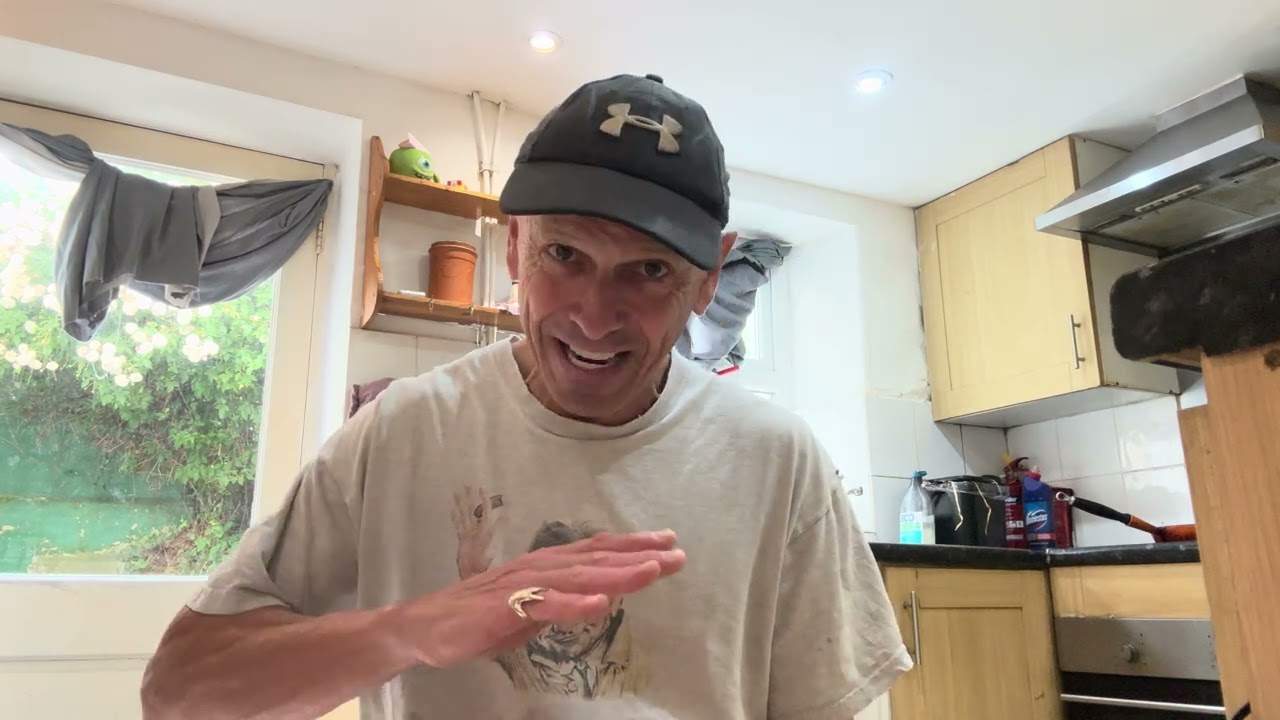
0:00 What you see here in front of you is a real life agent
Hi folks, here I am with a guy called Mr. Paul Cowdroy who is the managing director and owner of an entertainment agency called Solid Gold. And you ought to have minced pie in your mouth when you're being interviewed, especially near Christmas. What you see here in front of you is a real life agent. Most people think of us as fat guys with cigars, but I'm not really fat and I don't smoke cigars. In fact, I don't smoke at all. It's a filthy little bit and I should give it up immediately. But this is the real working side of the business and me and John, and John and I, I should say, have known each other a long time and we've got a lot of experience between us. If you're watching this with an eye to what you should do...
If you want to, what set up in the disco business? What exactly would you like me to, what pearls of wisdom would you like me to impart? This is it. A question for you Paul. What are you looking for in an act? In let's say a DJ. Let's say someone phones you up and they say I'm a DJ. Can you find me some work? What would the questions be that you'd actually ask them? Well the first thing you've got to do is to ascertain which type of DJ they're trying to become. Are you trying to expand your bedroom DJ duties of mixing and modern dance music has become known, to do clubs and possibly holiday parks and places which are fairly youth orientated. You've got to see this Daphne's car please. Or are you...
2:32 Most people's weddings, their entertainment starts and finish with a m
Are you looking to make an entry and get work in the mobile disco market? Now, I've got very strong views on this and I'll impart some of them to you now. The mobile DJ, the much maligned mobile DJ who used to go around in a transit van tends to go around in a people mover now, is the backbone of the entertainment business in the UK. It's a surprising thing to... You very rarely hear this stated quite as black and white as this, but without him there wouldn't be an entertainment industry. Live music, entertainers of a cabaret style, tribute bands, etc., etc., etc., they all operate with the support of the humble mobile DJ. Most people's weddings, their entertainment starts and finish with a mobile DJ. Some people have bands, some people have live entertainment. But even if they do, the nature of a party where it lasts from say 7.30 in the evening until 12, 1 or 2 o'clock in the morning necessitates a mobile DJ. So that is a very, very big market but it's a shrinking market. Do you think it's an actual dying trade? Because I know when I...
In the late or mid to late 80s, there were hundreds of mobile DJs who could use a microphone, who could get that crowd going. Do you think it's a dying trade now? I think it is. It's certainly a side of the business which is in need of new blood. But the reason that it is dying, if you like, or the reason that it does need new blood is slow on coming through, The DJ job is perceived. If you're 17 and you're at school or you're just finishing at school or college and you talk about being a DJ, the mental picture is that you're a DJ in a club or a bar or somewhere like this. It's not usually the picture of a bloke humping gear around with a mobile disco playing everything from Johnny B. Goode and Abba.
DJ tutorial by Ellaskins, The DJ Tutor The chances are if you go to a mate's wedding in the next five years or next week, the DJ will be over 40. The reason for that I think is that the young guys coming out don't want to play the cheesy stuff. It's not cool. To them it's not cool. It's also not... The other thing on a more practical point of view is they don't like carrying equipment. You know, you can have a little trendy motor Turn up with your 12 inches or your laptop or whatever, go into a club, earn your money and leave. And maybe with your mate or maybe with somebody else's girlfriend. When you're running a mobile, you turn up an hour, maybe two hours before the function, you've got to install equipment, you've got to set it up, you've got to make sure it's safe, you've got to put lighting up. It can be a great ball like, especially if you've got to go up two flights of stairs to do it.
5:14 Yeah or somebody else has took her
And then at 1 o'clock, 2 o'clock you've got to knock it all down, put it back in your van or your estate car and go home and usually take it out when you get home and store it away. So you don't get the chance just to nip off, you don't get a chance to ride around in a sexy motor and you probably don't get the chance of pulling a bird because let's face it she's going to wait for an hour and a half until you've upped the gear that way. And by that time she's gone. Yeah or somebody else has took her. So it isn't really a cool job but it is a job. Which is in need of new blood. And it is a job where you can earn reasonable money. Not as much as you deserve probably, but the average fee for a mobile disco in the UK, not taking into consideration ridiculous prices in places like London, which distort the figure, the average price is probably anything between about £150 and £300. It's quite a large range, but that depends whether...
It's in a posh hotel on a Saturday night or a village hall on a Wednesday. But between 150 and 300. And that equates quite well to what you could earn as a DJ in a bar, again, unless you're in one of the real trendy nightclubs when you might be able to earn that sort of money. But the thing is, what puts you ahead of the field in the mobile market is that not only do you need to be reasonably knowledgeable about the music and have a collection of music... You need to be able to have the collection, you need to have been out and bought equipment, reliable equipment and lighting and you need a vehicle in which to transport it. So you can easily find plenty of DJs knocking on club doors with a box of records, can I come in and be your DJ? And they can do that in five minutes. Whereas running a mobile disco, you do have to... There's a lot more to it because now there's insurance,
7:40 Yeah, so presumably you're always looking for new DJs aren't you?
You've got your public liability, and like you say, people see you there, you're playing for three hours, and then sometimes I'll ask you how much you're earning tonight, and you'll say, oh, 250 quid. I'm going to look and think, oh, you've only done two hours. But then it's taking you two hours to get to the venue, it's taking you an hour and a half to set up, you're doing the actual function, an hour to dismantle, two hours back. It's literally, sometimes it's 18 hours. You're continually on the go. If you worked out by the hour, you'd never do it. Yeah, so presumably you're always looking for new DJs aren't you? I am. Well I tell you what I look for first of all in the DJ and this may surprise you. For the mobile disco market knowledge of music is probably less important than it ought to be. And really skills such as or life skills such as being able to deal with people.
Very important. Particularly being able to deal with people at hotels who are punters, who are often drunk during the evening and abusive sometimes and awkward. Being able to deal with the client who's often a hotel or a corporate client who you're meeting at the most stressful time of their day. When they're in charge of organising a function, being able to deal with them and the pressures they put you under. Being punctual, that is most important. You can be the best DJ in the world, but if you turn up for a booking half an hour late, they're going to hate you and they're going to hate you all night. That's right. It's like I've said as well, first impressions last. They do. I mean, you don't have to turn up in a suit and tie, but you do have to look reasonably presentable. You do have to be on time.
And you do have to have social skills so that before you even start your evening, they like you and they're not under stress with you. Once you get that stressful personality clash, you've had it. And they're more important really than the equipment which needs to be reliable but doesn't need to be absolutely superb. Obviously if you're a young guy trying to make it into the mobile market, you will not have... The experience and knowledge of older music. Because some of the guys I use, for example, they actually grew up in the 60s, worked as DJs in the 70s and 80s. So they know exactly, they have very, very great depth and knowledge about, say, 70s music, 80s music, which obviously a guy of 18 or 19 can't have. He hasn't been around long enough. Yeah, so you've got to have that knowledge. You've got to try to get that, and you can get that by...
Going to gigs where these old timers are working and seeing what they play and really trying to, and this is the most difficult thing in the mobile world, disassociate yourself from what you like and you'd like to play to what you have to play. It's no good being really trendy and groundbreaking at a wedding where they're screaming for Dancing Queen and The Real Thing.
This transcript was produced automatically from the audio of the video and may contain mistakes.
Related videos
-
How to Get a Better Fee for Your Mobile DJ Services
He disclaims it as not financial advice and notes that everything depends on where you are. Taken as a checklist of what justifies a higher…