 22:55
Its Not Just About Selecting Any Track for a Good DJ Mix You Need to Study the Music Melody First
Contents of the video
0:02 What CD to play and then I chose a track
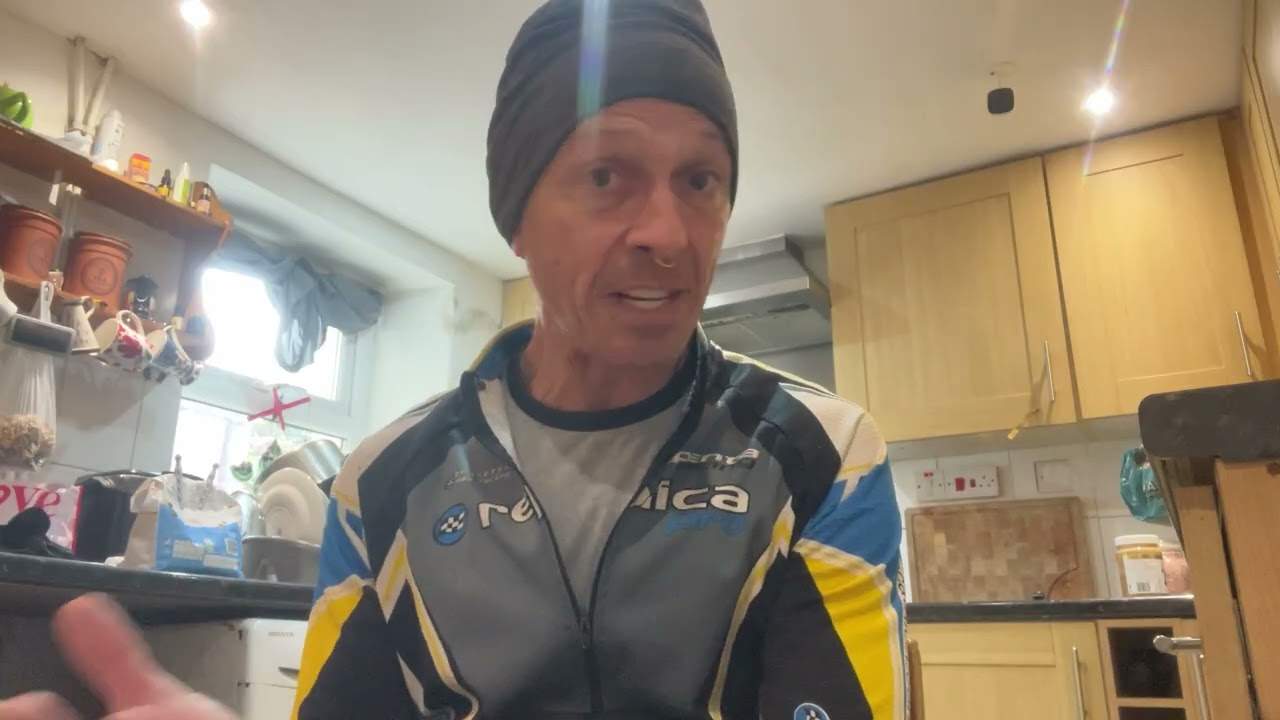
Alright, so recently I did a live stream and I used the CDpool CDs for December 2020. Now what I did in that live stream, if you did or didn't watch it, is I took the underground, the house, the club and the dance CDs, and I'm going to pause that, and basically what I did was I asked the audience to tell me... What CD to play and then I chose a track. So what I tried to do there is just show people that it, you know, I hadn't pre-planned a kind of a set and that what if because again if you think about it we've got different music on this different track so what I did I said right the first person to say House, club, underground or dance, I will choose that said CD. And then I said CD 1 or 2. And then someone said 1 or 2, so it was the first person that said take CD 1 or CD 2. Then I put said CD in a player and I chose a track from that selection of songs. So it's quite random.
Sometimes it was the first track and it worked with the track I was playing. Other times I had to try and select and that's because you have to try and find a track that works with the one that's playing. Now there's many ways of doing this. There's the right way and there is definitely the wrong way. The wrong way is just out of key and, you know, I do get quite a few people disagreeing with me there saying, you know, you can mix out of key. Well... I suppose you sort of can, but it's got to be the right place. It's got to be the right time. You can't just form a set and just think, oh well that track, it's the same BPM, it's the same artist, I'm playing a techno tune, I'm going to bung in another techno tune, it's going to be fine.
2:13 Get a hold of me and let's talk
Because it's highly likely it won't be. Because if it's out of key, it's going to sound really bad. Because the music content, you know, it's about music. And when you're playing a certain track, whatever style, whether it be house, hip-hop, techno, drum and bass, dubstep or classical, seriously, anything, it doesn't matter. If you then slowly bring in another track, If you are interested, there's an email in the description. Get a hold of me and let's talk. The first thing I say to people, alright, in the sessions, and I ask them a question, I say, do you mix, am I right in saying, sorry, that you mix track one into track two? And they go, well yeah, because you're playing one song and you're mixing another one. Well actually that's incorrect, because you're mixing track one into track three, because your transition...
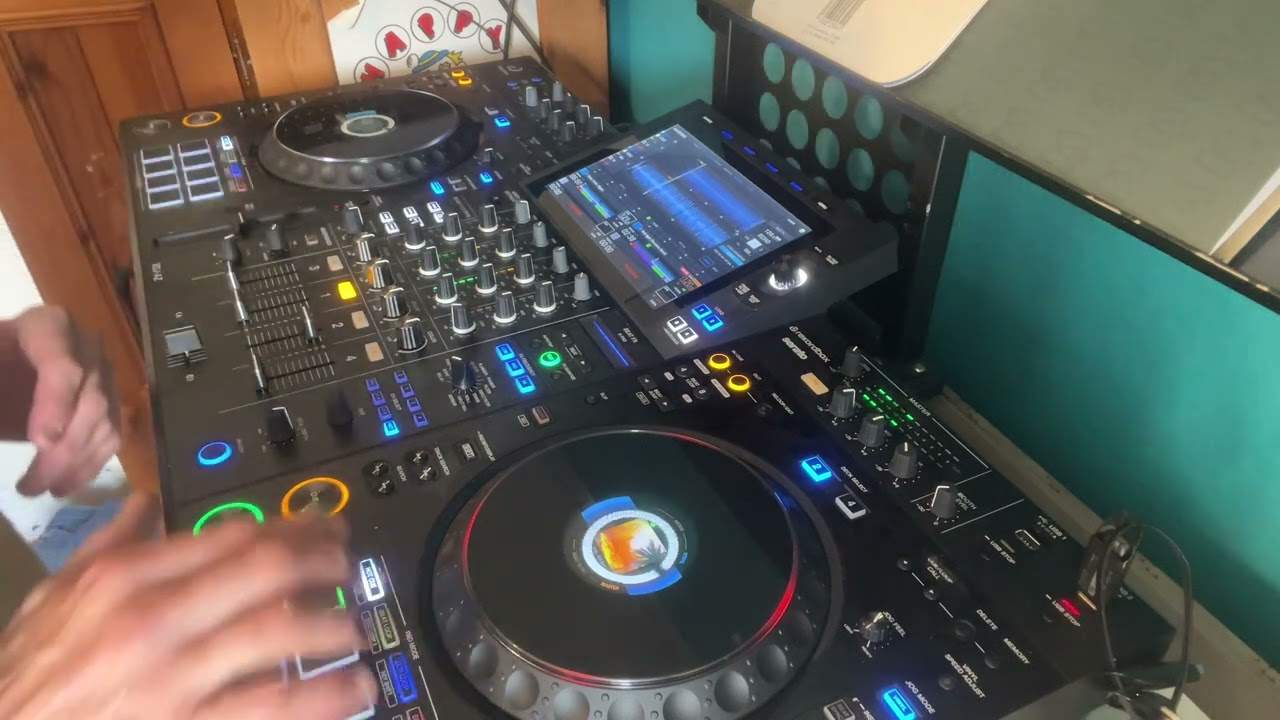
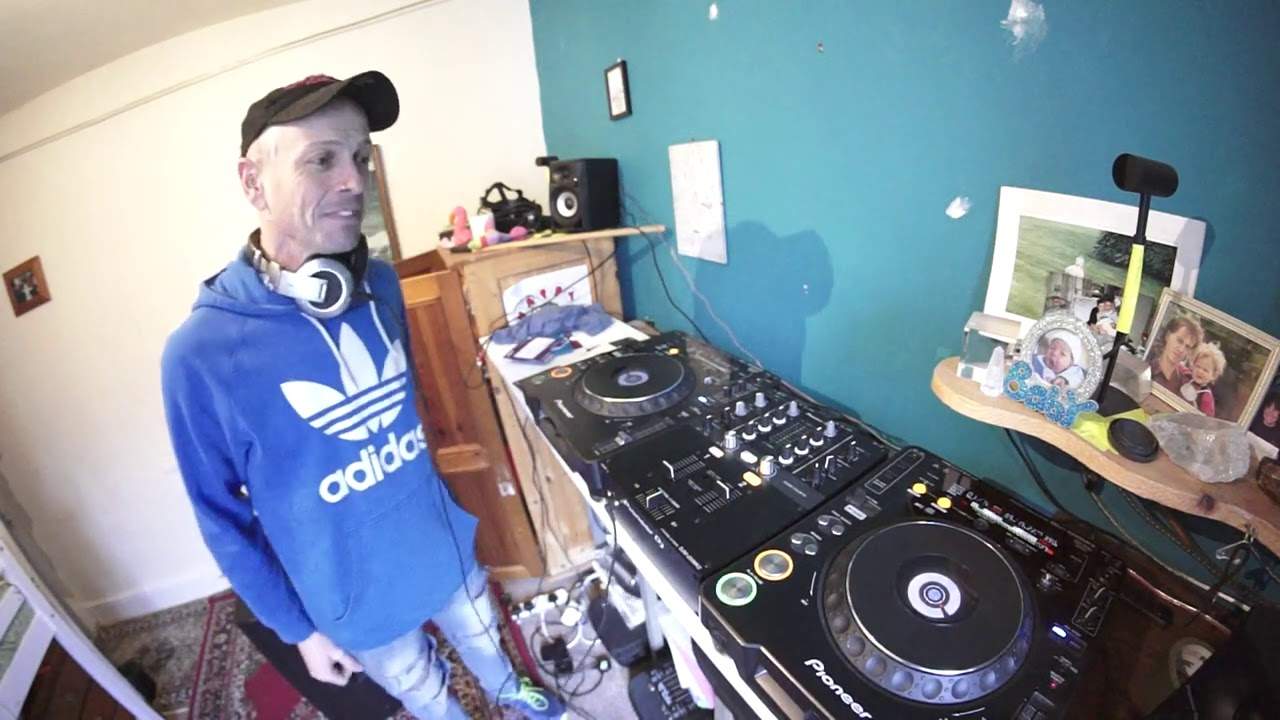
Track 2 is actually track two. You're designing another song by using two tracks together. So treat it like jam in a sandwich. You know, if the jam isn't tasty, it's going to make the entire sandwich taste horrible. It's a sort of, well, it's a bit of an analogy. But you've got a track here. You're slowly forming a transition of maybe 2 bars, 4 bars, 8 bars, 16 bars, 32 bars, however long, into the next track. Now if that transition doesn't complement the track that's leaving the mix or the track and the track that's coming in, then it's going to make the whole thing sound terrible. So what I'm going to do now, this by the way is track 1 from disc number 1. I'm going to do sort of the same thing, which is What Would We Do? And again these are the club series for December 2020. So I'm going to get my headphones well organised here. Alright, so I'm going to try and find a track now that will work with this. So what I'm going to do is I've got track one, disc one. Yeah, okay.
5:18 Bass line, listen
Okay, so I've got... So what I did is to begin with, let's have a listen to the beginning of this track. And then, I mean, to me that's no good to work at if it will go with the other track because it's just a beat. What I needed to do, which I did do, was listen to some form of the melody. Nice one. And this one is, again, it's track 1, disc number 2, which is Saucy UK, Your Love, okay? And what I did is I cued it up hot cue here. There. Now, that's part of the equation. The next part is to try and find the best place to bring that track into the one that's playing. So, you see we've got a bass line going there, so let's have a listen towards the end of that. I've got an old note. Oh dear. Okay, we've got the bass line still going, maybe towards the last phrase, three.
6:47 Did you hear a very subtle change there?
Alright, now again about phrasing. Did you hear a very subtle change there? There wasn't much, there wasn't this big massive boom bang, it was just a slight change in the drum pattern. Now that to me, that tells me that there's a definite change and also 99% of the time that is going to be the beginning and end and... Beginning and end of a phrase. Why is it the beginning and end of a phrase? Well, simply because we're still inside the track and the track's playing so it can't be the end of a phrase, that's it. And it can't be the beginning because if it was the beginning of a phrase it would be the beginning of the track. If it was the end of a phrase with nothing else it would be the end of the track. So in essence it's the beginning and...
Start of... Sorry, I'll start again. It's the end of a phrase and it's the beginning of a new one. Let's go back a bit. So I'm just going to start this one, see if it works at that point. Now again, if I did a little bit more research, I'd know exactly how many bars there were. Nice. That works. Make it tighter. This is going to finish soon. Yeah.
Alright, I know what I need to do. Okay, so what we've got here, we've got the track I was playing here finished and we were still through the break. So really all I needed to do here, and I'm going to do this very roughly, but there is logic behind this. I started that where we had the phrase change there, but as soon as this track finished, we were still in that break and we didn't get to the drop. So if I want to have the drop start where this track finishes, all I've got to do is move this track forward the exact amount of bars that were left here, if that makes any sense. But what I want to try and do is I want the drop on this track where the bass line finishes. And we had about 20 odd seconds left which probably is going to be about 8 bars.
11:05 It can be slightly rough because I'm going to just start it straight a
I'm just going to do a test here. I'm going to count, let me give it, I'm going to hazard a guess to say 16 bars. So 1, 2, 3, 5, 6, 7, no it's probably going to be 8. That's where I'm going to start it. I've just got a sneaky feeling it's probably going to be there but we'll see. So let me go back here. Oh there, there. I just had to change the cue point. There. Missed my cue. Now it can be slightly rough because I'm going to just start it straight away. Yeah, that's it. That's it. I think. No, that's not too bad. Okay, so my prediction was actually right. It was 16 bars. It was 16 bars. Okay, so let's do 16 bars. Alright, so this video may seem to be dragging on a little bit. But if you want to get that mix that is bang on the money, in time, in phrase, in key, very regimented, this is what you've got to do. So, 1, 2, so it's probably actually the beginning of the break, 4, 5, 6, 7, 8, remember the vocals started, 9, 10, 11, 12, 13, 14.
12:54 Let's go back to where we were earlier
Let's go back to where we were earlier. Cold note. There we go, there we go. Now of course I've still got a good kit here but if I'd have had say the likes of a controller what I could have done is the last sort of phrase just a beat I could have formed a loop there and let that play over this track and then maybe slowly filter it out so I would be able to extend the length I'm not using loops, I'm not using hot cues or anything like that. Admittedly yeah I did have a hot cue. Set where I started that track, but then with vinyl all I have to do is wang it forward and get it ready and start it. Alright so let's do something similar now in another track. Here we go. Nice track this. Flipping through them. No. Alright so what I'm going to do here is I can see on the wave format I've got a little bit of a change towards the end of the track which could be, it's definitely a new phrase, but it could be...
17:46 Gotta keep on dancing, romancing
The end of the melody, the end of the vocals, bassline and so on. So let's go forward a bit. So round about here. Here it comes. Not there, hold on. Melodic feel with that one. Alright. So this one here is track number 10 from this number 1 which is... Music Is The Answer. Oh! No more. What a tune. Gotta keep on dancing, romancing. Bit of a remixer. Alright, let's do one more. Let's find another one from CD2. Three, no. Track four. Okay, so it's quite a lot slower, so I'm going to press that and put it to plus or minus 60%. So now I've got less control over the pitch, but I'm actually able to speed it up more. Right, I'm just going to pause that. Let me have a listen, and you as well, to the beginning of this track.
This is track four from disc number two, which is... It's Skeleton Keys and Aneslasia. I think that's Lamola. Side to side, anyway. There you go. OK, so you can hear it. So I'm going to cue it up where the melody starts. Not there. Maybe. No. Just remember to look at that and not the screen.
20:04 I'm thinking that we're going this way towards the end
Okay, so I'm thinking that we're going this way towards the end. So let me point out the three of them. Which is the worst? That's probably the worst one. But, you know, again, I can say this and you can believe me or not. Like in, oh yeah, he practiced this video. He knew what he was doing. Of course I did not. Very random video. But what I wanted to prove here is that not only can you get a couple of CDs with tracks and form some kind of mix. Again, alright, you can't just get a couple of two random CDs and go, I'm going to put tracks together. They've got to be the same sort of feel. You know, you can't have a hip hop and a house. You're going to have a rough time. You've got to make sure they're both house or for that matter, get a selection of tracks that are a similar sort of genre and style. But the key to remember is the key.
If you don't believe me, and if you are a sceptic, and you do think, well, Jonathan's talking a load of C-R-A-P, because it's not about mixing in key, you could just chuck anything together, try this. Alright, we're at presidented crazy times at the moment. I mean, you know, not many people can get out and work and get a dance floor full of people. But, the next time you can, hopefully very soon, try this. I want you to play one track, beatmatch another one in, In time, in phrase but out of key and watch the dance floor and you will see a definite energy change on the dance floor. People will be like, something wrong here. And then the next mix, do it in time, in phrase and in key. And so long as you're in key, you will find that the feel and vibe will seem to flow much better than the transition you did earlier. Alright, so don't forget...
Any info on these CDs from cdpool.com, check out the link in the description. Practice and enjoy. Thank you for watching. And yeah, don't forget to like and subscribe and share. Hit that notification bell. Thank you. Practice and enjoy. Now, get lost. Thank you.
This transcript was produced automatically from the audio of the video and may contain mistakes.