 3:42
Why a key clash sounds as bad as a beat clash
On YouTube this video is called Lesson 1 Harmonic mixing/key change , for the dj
What this lesson teaches
He starts by putting harmonic mixing on the same footing as beatmatching, which is a stronger claim than it sounds.
The claim
If the beat goes off, it sounds terrible - everybody knows that.
If two tracks are mixed and there is too much of a key change between them, it sounds terrible too. Just as terrible, and most beginners cannot say why, because nothing identifiable has gone wrong.
The drawing
A line across the page, with a stick figure walking along it. The figure is the DJ. The line is the music. Above it are words - the crowd.
Half an index finger's length of line is about half an hour of a set.
The journey along it is mostly smooth: a bit of a bumpy ride, lifting slightly and settling, which the crowd enjoy. And then there is a step - a point where the level jumps - and the crowd go up with it. Steady progress again, then another step, higher.
What the steps are
That shape - flat, step, flat, step - is the one every good set has, and the steps are where the key changes do their work.
Staying in the same key keeps the floor at a level, which is correct for a long stretch. Moving the key is how you lift them. And the size of the move decides how big the lift is, which is the subject of the rest of this course.
Why this is the right place to start
Because it frames harmonic mixing as a tool for shaping an evening rather than a rule about which records are allowed next to each other.
The wheel and the letters and the numbers that follow are all mechanisms for producing that line: knowing which moves hold a level, which lift slightly, and which produce a step.
Contents of the video
0:00 This is your first lesson in what's known as harmonic mixing or key ch
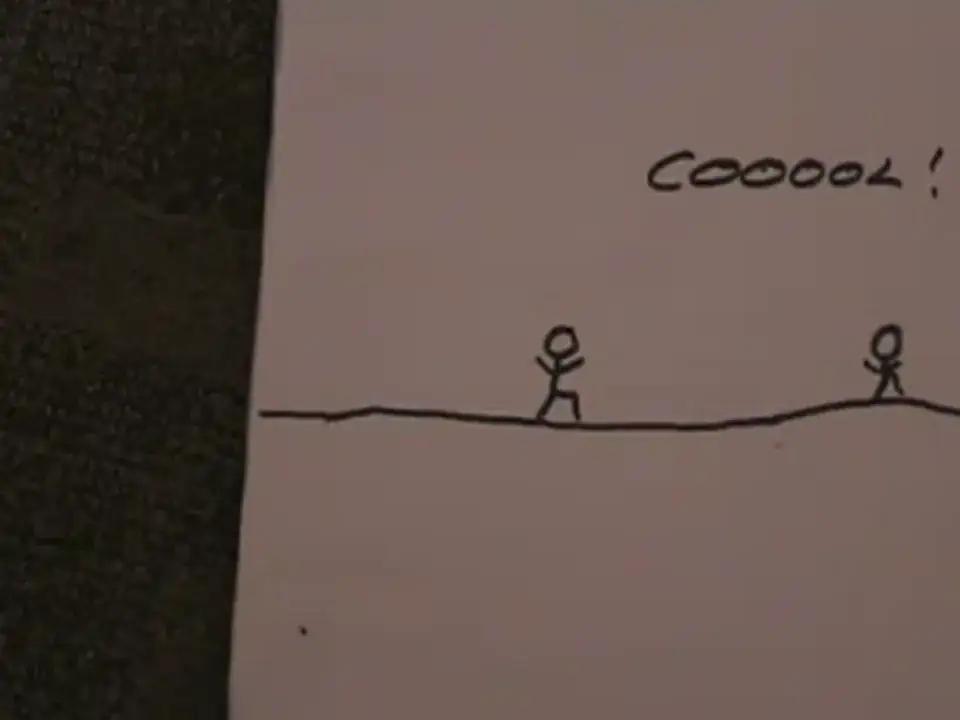
Alright folks, this is your first lesson in what's known as harmonic mixing or key change. Now then, this is just as important as beatmatching. If the beat goes off it sounds terrible. Believe me, if I'm mixing one tune into the other one and they don't sound correct and there's too much of a key change then it will sound absolutely terrible as well. Now then, I'd like you to consider this. What I've done, I've drawn a line A stickman, now there are many stickmen along here, but let's just pretend that there's only one and he's taking a journey along this line. The stickman is the DJ. The line is the music. Now above that you've got wordings, there's some words. The words are from the crowd, OK? Now then, it doesn't matter, let's say from there to there, which is, let's class an inch, OK? Which is, let's say the length of half your index finger.
1:24 You play two or three songs
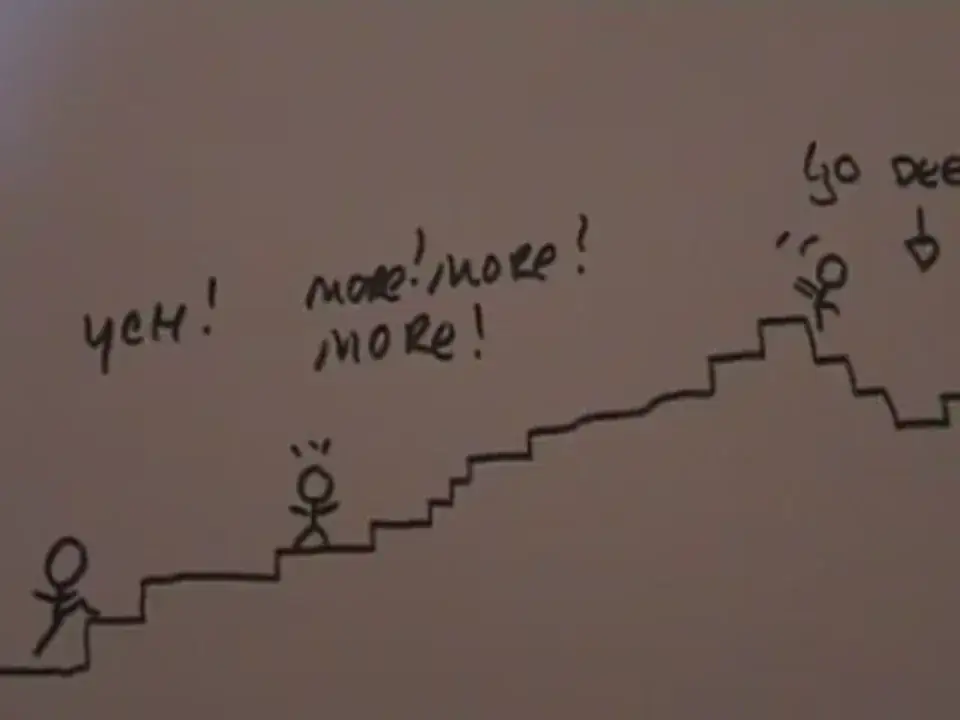
Let's class that as say half an hour, let's say. Now he's taking the crowd on a journey and it's a bit of a bumpy ride but then it's still smooth and it's nice and the crowd like that because you're just taking them, you're lifting them a tiny bit higher and a bit lower but it's a nice smooth progress. Now all of a sudden there's a step. Now then what's happening here is maybe you're starting to lift the crowd. Now the crowd like this and they're going yeah more, more. And then there's another step. Now maybe then, after that second step you play two or three songs and it's steady progress again. And then all of a sudden there's another step and you're lifting the crowd higher and higher and higher. And they like this. This is cool. And they go more, more, more. And then you reach to a point where you think well let's start just to bring them down a tiny peg but you only give them a small step. So you start to go deep.
2:24 Change
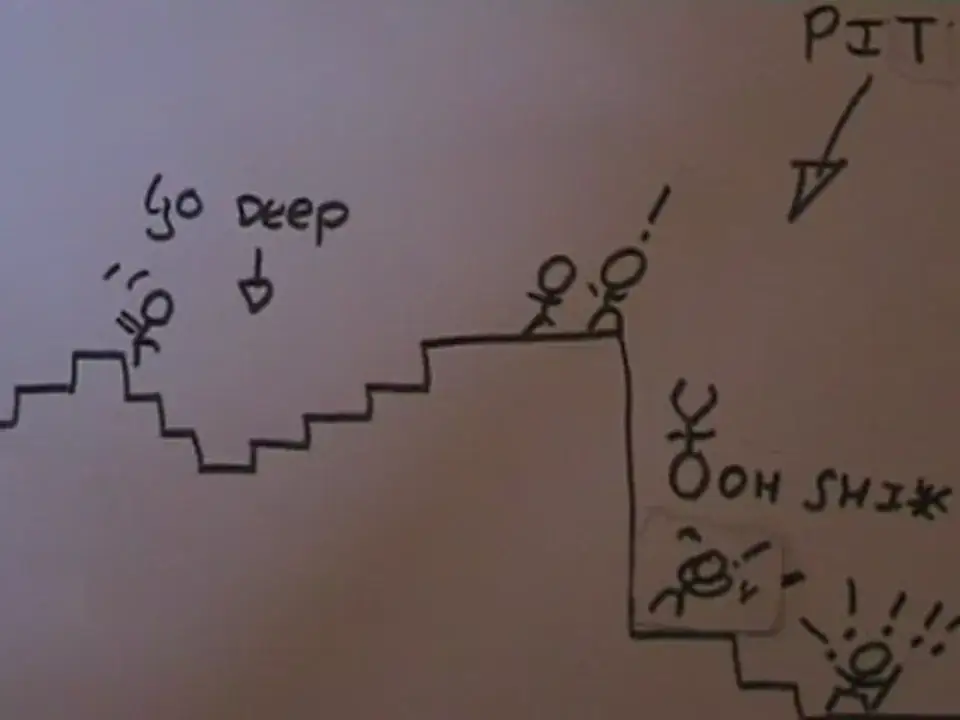
And the crowd like that as well. They don't want to be knocked straight on their arse. They just want to be lifted gently and taken down gently. So you take them down, and then you go higher and higher again, and all of a sudden you reach a plateau. Now at this point, this is where things can go wrong. This guy here now, you can see, okay, there's a pitfall. Now, the guy, the DJ, is looking at this pitfall and he doesn't know what to do. So all of a sudden he takes a great big step, and he takes too much of a chance. And the next record he plays, there's one hell of a difference, and this guy now is oh shit, and he's fallen flat on his backside. And there's too much of a change. That is one hell of a pitfall. Now the music hasn't stopped, but what has happened is there's been too much of a key change.
This is your first lesson without any music in how harmonic mixing works and what is the principle and the idea behind key change. I hope initially this has been a help because this actual set of videos will go on and on and on. Any input you've got, please leave comments. Thank you for watching. Bye bye. Oh yeah, and also practice and enjoy. Oops!
This transcript was produced automatically from the audio of the video and may contain mistakes.