 6:05
A look at eighties electro
On YouTube this video is called Lets look at Electro from the 80's
What this lesson teaches
A piece of history that earns its place in a selection course, because knowing where a sound came from tells you what it will sit next to.
What it was
Electro started in the early eighties and was controversial. Club audiences did not much like it: it lacked soul, it lacked vibe, and it was very experimental.
It was made by a few DJs with a few cheap and cheerful drum machines - not intricate equipment, and not many different pieces of it.
Why the records sound alike
That last detail is the interesting one, and it explains something you will notice immediately if you listen to a run of these records.
They sound similar because they were made on the same machines. A handful of drum machines, widely available and widely used, produced most of the genre - so the palette is shared across records by unrelated artists.
That is a general principle worth carrying: when a lot of music from one period sounds alike, the usual cause is equipment rather than imitation.
Street Sounds
The UK compilations - Electro, Crucial Electro and the rest - are where most people in Britain encountered this material. They are still available, highly sought after, and expensive.
A good reminder that the records which define a genre for a country are often compilations rather than original releases.
Where it leads
Electro arrived at roughly the same moment as rap - the Sugarhill Gang and Rapper's Delight - and the two are closely related. Electro is part of the beginning of hip-hop, with more emphasis on bassline and beat.
Why it is in this course
Because lineage is a selection tool.
If you know that electro sits at the junction of early hip-hop and the first drum machines, you know what it will mix with: early rap, later electro house, anything built on the same machines. A record's ancestry tells you its relatives, and relatives sit together on a dancefloor.
Contents of the video
0:00 Here's a bit of a video for you on a genre called electro music
Alright folks, here's a bit of a video for you on a genre called electro music. Now electro music started early 80s and a bit controversy here because people in clubs didn't really like it that much because it lacked a lot of soul, it lacked a lot of vibe and at the time it was very, very experimental. It was done by maybe a few DJs with a few very, very cheap and cheerful drum machines, not very, very intricate at all. And a lot of the Electro songs, if you listen to them, they all near enough. When I say they sound the same, you can tell that a lot of them have used the same drum machines. In the early 80s there was a selection of albums that came out in the UK called Street Sounds and you had Electro, you had Crucial Electro, etc. You can still get them today. They are highly sought after and they're quite expensive.
But you will notice, if you can ever listen to a few of those, you will realise that a lot of the songs sound the same. Now Electro, when it started, it was almost the beginnings of the likes of hip-hop, because rap was starting around about the same time. You had the Sugarhill Gang, The Rapper's Delight, but there you had more of a bass line and a beat. It was more club orientated. Whereas Electro was very experimental, very underground, and not really at that point in time many people actually appreciated its true potential. I'm going to play you a few tracks, see what you think, alright? The first one we're going to look at is Al Nafish, it's called The Soul, and see what you think of this, I like it. What I'll do now, I'm going to play another song, which is track 8.
2:21 This one is London Bridge Is Falling Down by Nutriment
Alright, this one is London Bridge Is Falling Down by Nutriment. See what you think. Now then, there's two cuts on here that are really the pinnacle of The Crucial or The Electro Period. One is Rocket, OK? Check this out. Where are we now? Number five. This is by Herbie Hancock. Now, Herbie Hancock is, in my eyes, one of the biggest and best producers of our time.
3:22 Remember, thousands thousands, were
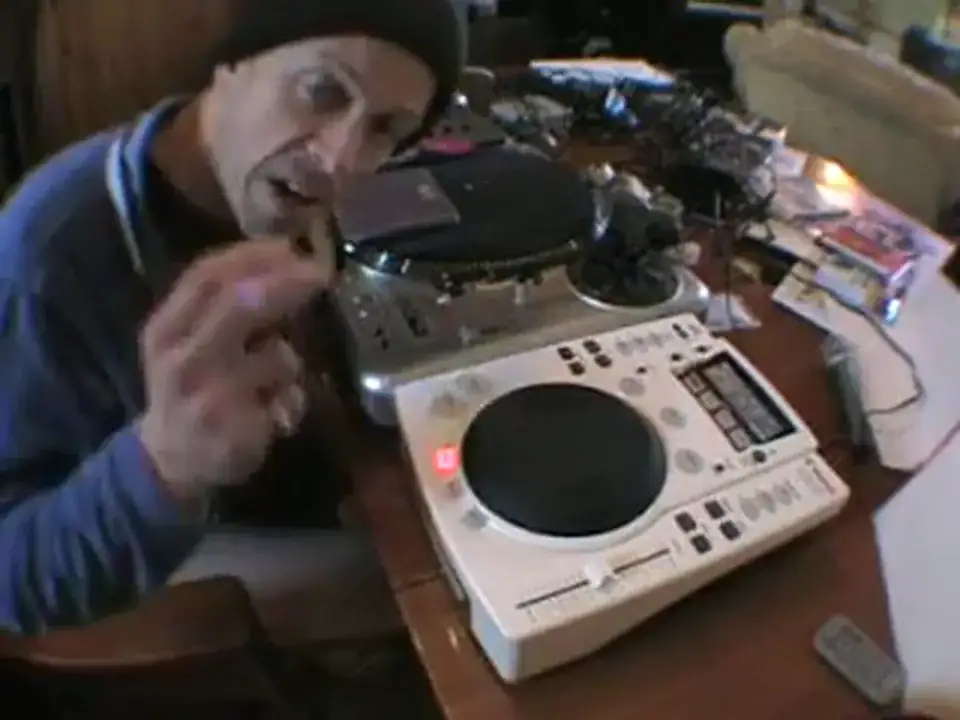
Now, this particular cut has been used by thousands of thousands and thousands of DJs since it's been made. It has been used in the DMC finals and I guarantee you Rocket by Herbie Hancock is not almost, it's exactly on the same pinnacle, the same level as Michael Jackson, Billie Jean. This particular cut will be played for the next 50 years and people will still like it. The other one that we're going to look at is a track called Hip Hop Beatbot Don't Stop by Man Parish. And again, when it was out, very experimental and I honestly think, because I remember it actually being released, that people then didn't know, didn't realise its full potential. Because there were a lot of pop songs that were released around about that time that were top of the charts and did massive things. But if you actually ask someone...
To remember, let's say, some tracks from the top 40 at that period, they probably wouldn't remember. But if you played this song, they'd think, yeah, I remember that song, even though when it was released, it wasn't really as big as it should have been. Here we go. It's a bit of an introduction. I personally think this is fat. Once again, this is another introduction into genres of music and this time we're looking at electro. And also, just to let you know... Thank you for watching.
This transcript was produced automatically from the audio of the video and may contain mistakes.