 23:30
Mixing in Key DJ Lesson and Dance New Releases CD Pool January 2016
Contents of the video
0:00 Small new releases here from CDPool and also a lesson in mixing in key
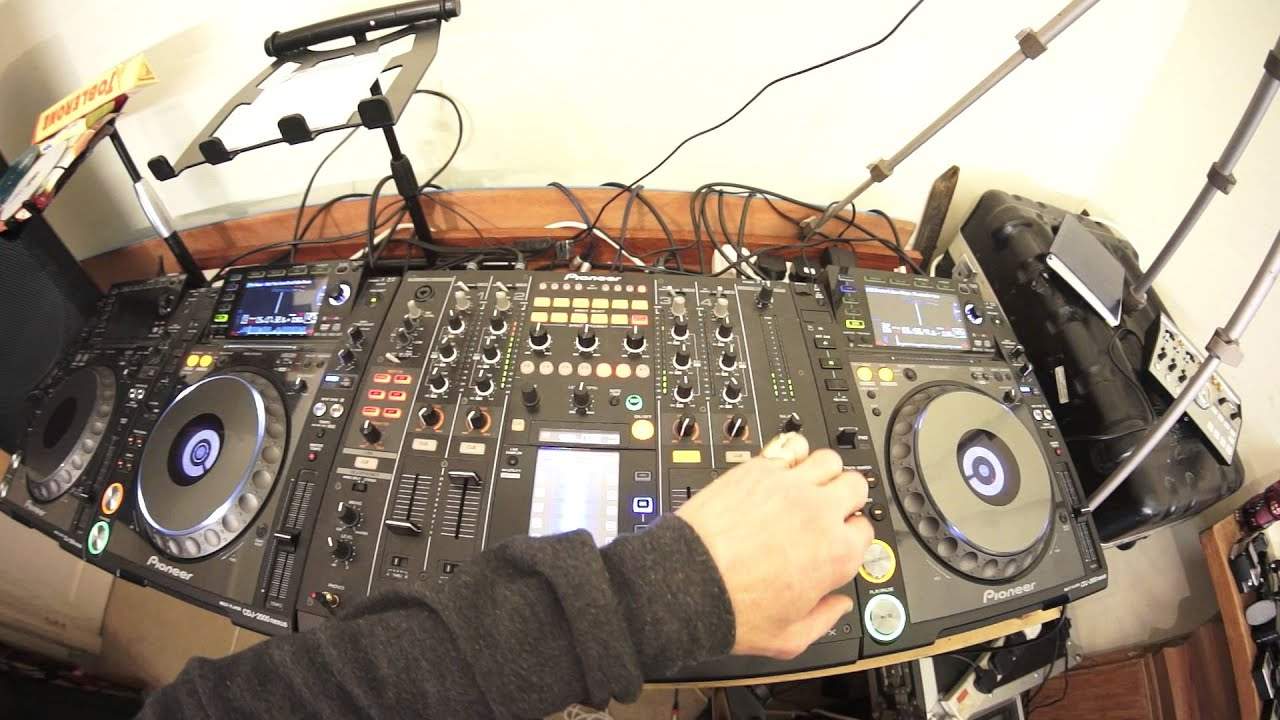
Alright guys, small new releases here from CDPool and also a lesson in mixing in key. This one here is the dance releases from January 2016. Check out the lickable link in the description. It'll take you to cdpool.com. We're listening to track 1 from disc number 1 which is Olly Murs' track entitled Stevie Knows. It's the 7th Heaven Club Mix. Check it out.
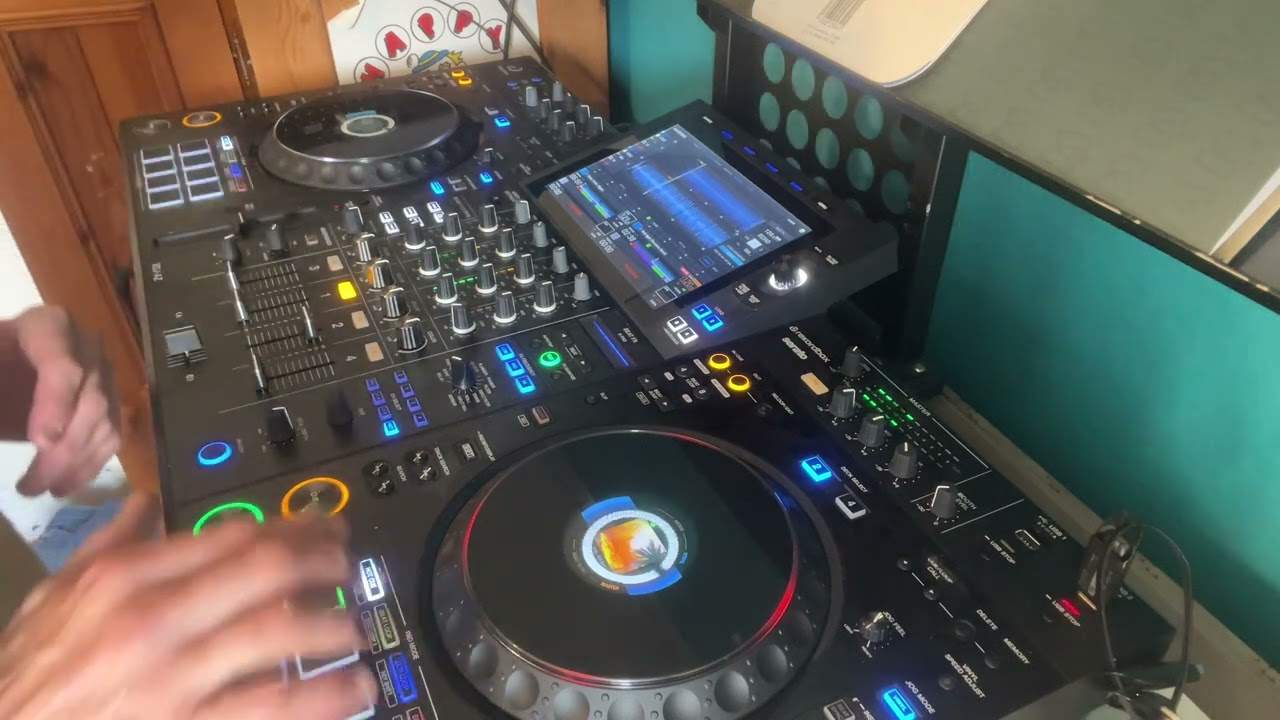
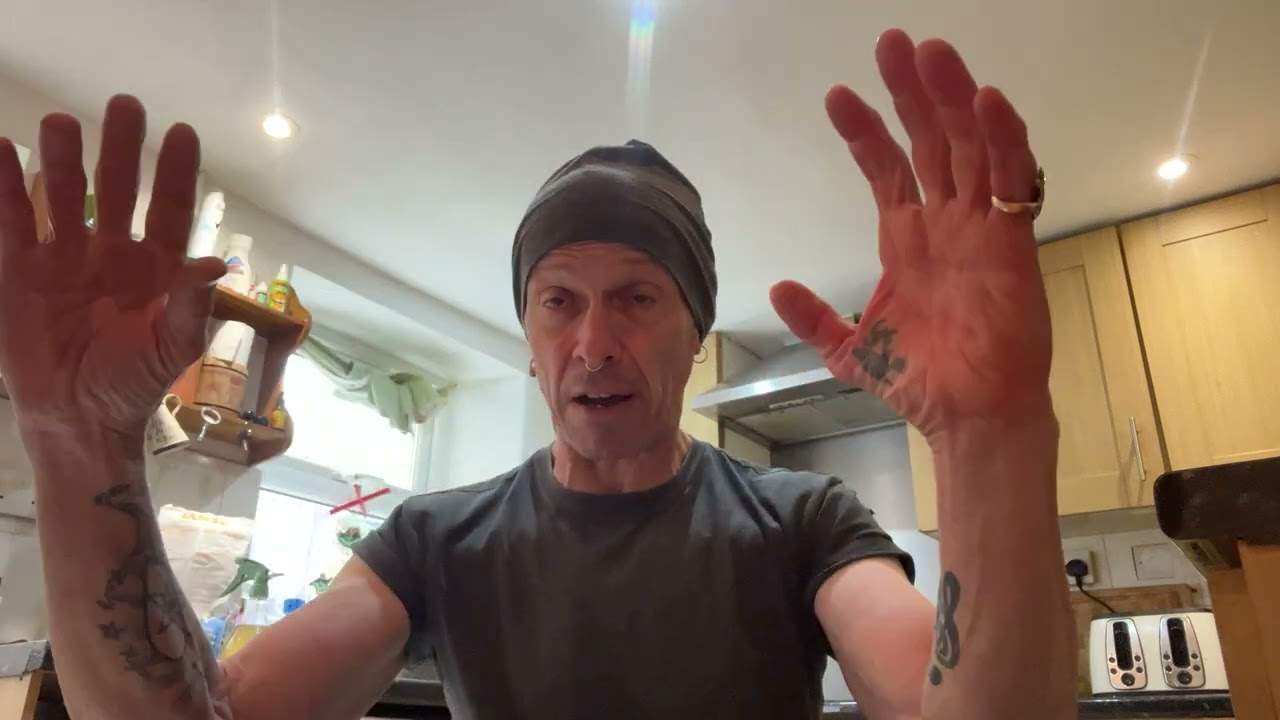
Okay, as I said, a bit of a demonstration, also tutorial in mixing in key. Now, mixing in key is the most important part about mixing. Don't care what people say, a lot of people seem to think that beatmatching is the most important part. In other words, you have two tracks, one track playing, coming to the end of this track. Imagine my left hand is the track on the left-hand side, right hand is the track on the right-hand side. From the beginning, the end of my wrist to the beginning of my hand is the beginning of the track. The tips of my fingers is the end of the track and same with the other side actually but the beginning of the track is the tips of my fingers, the end of the track is towards where my wrist starts so a lot of people seem to think that it doesn't matter if they're not in key just as long as you mix the beginning and end and have got a beat going on
3:00 It's paramount to make sure that the tracks are in key
No one's really going to notice. Well, they are and they aren't. Right, they are and they aren't. How can they? But how can't they? Let's imagine that the outro of the track that you're taking out of the mix has got a long outro. It's just a kick. Nothing else, no bassline, no melody. There mustn't be a bassline. There must definitely not be a melody. Just a kick. And you mix in another track That is a key that just does not work at all. And that track has just got, say, a 32-bar beat, a kick coming into the track, the beginning of the track, then you might just about get away with it. When I say might, that's because with today's modern day dance music, even the kick has a defined key. So to the discerning ear, they may not be able to hear the difference in key. But to someone who can, they'll go, you know what, those kicks are in time, they're in phrase, they're in beat, but they're out of key. A big no-no is when you've got two tracks that are definitely not in key and you start overlapping bass line over bass line. That's when you will get issues with clash of key. So it's paramount to make sure that the tracks are in key.
Now, as I've said many a time, it is better to blend one out and blend one in that are in key if you can't beatmatch. If you can't beatmatch, don't try and beatmatch them and they're all over the place. It's called a train wreck. It's better to just one phase out and the other one bring in in key. That is fine. Do not... If you haven't got a good musical ear, then I recommend you go and try a program called Mixed In Key. I will put the link in the description of this video. Also, if you've got anything related to Pioneer Kit, there is a free software out there called Rekordbox. Go to the Pioneer website, go and download it, bung your files into the Rekordbox software and it will give you the keys of the tracks.
4:23 I've noticed here track 1 CD1, track 4 CD2 which is where are we?
Now even if you haven't got any Pioneer kit, you can still put the tracks into rekordbox, make a note of those tracks, make a note of the key, then of course you can add the keys, right click, scroll down, rename and write the keys into the track. Okay so I've noticed here track 1 CD1, track 4 CD2 which is where are we? Karen Harding, Open My Eyes, the Zed bass remix. Tracks work really well. I'm going to try something slightly different here. Now that's the one, but that phrase really started a little bit further back. I'll show you. There. Okay so let's see if we can't bring that in towards the latter part of this track here. Using the likes of the Camelot wheel as well. For example, if you're not familiar with it, what I suggest you do...
8:02 A2, play another A2, maybe another
Start at one key, for example A1, and then maybe play another A1, and then maybe go to A2, play another A2, maybe another A2. If you want to then make your mix be a little bit more vibrant, go to, for example, A4. Now that's a jump. Now when you jump like that, you've got to be a bit more careful about mixing because you will have a couple of notes in the tracks. A1 to A2, make sure that you listen to the tracks. And it's possible that the mixes may not be allowed to be as long because you may have notes that may interfere with each other. If you go from A1 to A3 for example, Then, as I said, mixes need to be a lot shorter. If anything, jump. So for example, in A1 you could have the track playing, you could have a break and then at the end of the break just snap in the next track. If you want to maybe uplift your mix, take it to a new height, to a new level and add some euphoric sort of vibe to it, go to a major key because the major keys will
Automatically give more energy to the room. So A1, go to B1 and then maybe from B1 to go to B2. Maybe B2, go back to A2 or not back to, go to A2. From B2, you never want to go diagonally. You never wanna go from B2 to A1 or B2 to A3. That's when you will definitely get a clash of keys. Okay, let's find another track from disc number one.
10:18 We've wanged forward a little bit
Okay, we've wanged forward a little bit. Okay, we're going to try the bounce. This is track three from disc number one. These CDs, they made them so you can do a mix from one CD to the other, which is great for a really simple way of constructing a set from two CDs. And this is actually the first time that I've listened to these CDs. Of course, you can believe me or not believe me but this is the first time. Okay what we're gonna do now which is something I don't think I've ever gone over is I'm going to do a mix now that's in time it's gonna be in phrase in beat but it's gonna be completely out of key it's gonna sound absolutely friggin terrible okay so let's go to the chorus back to the chorus of the vamps track entitled reset your love
13:35 You as though you were stupid
Do you see what I mean? That completely and utterly sounded like it. That was an absolute disaster. If you were to do a mix, if you were to do a mix like that in public, not only would people look at you as though you were stupid, but they'd think what's going on is the PA system broken. A, it was sort of just about in beat. But it just sounded terrible. But there was too much going on. It's like trying to make a cake and just thinking, I'm just going to open the cupboards and just chuck everything in this... Of course, take it out of the tins. I'm just going to chuck everything in, stick it in the oven and hope for the best. Well, you know what? Don't hope for the best because you're going to end up with this mushy, horrible crap that you shouldn't have done in the first place and you've wasted good food.
15:01 This one here is track number eight
Two good tracks and you've wasted them by trying to put them together. Alright, now let's have a listen to track 8. What I'm going to do, I'm going to go back to the point where I started that mix and let's have a listen to it by itself. Now we've got a nice euphoric, uplifting, hands in the air vibe kind of track here this break but earlier on it just... I made it sound terrible. There, okay. This one here is track number eight. A track entitled Focus, 7th Heaven Club Mix and it's from CD2. And when it comes to the last minute of pretty much any dance track, roughly the last minute, this is a very sort of broad outlook on dance tracks. Pretty much into the last set of two phrases. There. That was a change in the music. Don't know if you heard that. Listen. There.
18:08 Add lots and lots and you've got too much excess
So, start the next one, right about there. Nine, this is number one, don't give up. Now I'm going to pause this as well. One rule of thumb that I try and do is when you do have a track that's playing and it's got this fantastic break, what you don't really want to do, and it's a big break, a big build-up, huge, lots going on, pots and pans being thrown in the air and all sorts, you don't really want to overpower that even if it's in key with another track. That's got another huge, massive, big, euphoric kind of break. That's not a good idea because you've got lots going on here, lots going on there. Add lots and lots and you've got too much excess. Fat explode. Waffer thin mint please. Boom. I hope you get that one.
If you don't, go and check out Monty Python. Right, so what you want to do though is if you've got this euphoric boom boom bang on the track on the left or right hand side and you're mixing a track in left or right hand side to the... yeah, you get what I mean. Ideally what you can do here is as soon as that euphoric boom finishes... At the end of that phrase, just chop in the next track so that track that's coming in takes over from the euphoric break. Therefore giving you good continuity and no clashes and the crowd are able to appreciate that boom-bang fireworks going off in the break. So track number nine, disc number one, Don't Give Up. Seriously, I've not heard these before but I'm pretty sure I can do that right now.
20:14 Track 9, disc number 2 on the right-hand side
Okay, so we went from track 9, disc number 1, tracking title Don't Give Up in brackets on Love, to track 9, disc number 2, Lion Babe, Where Do We Go, Armand Van Helden mix. Track 9, disc number 2 on the right-hand side. So again, let's see how I formulated that mix. Let's have a listen to the beginning of the track. Now, if I was to give these two tracks... To a thousand DJs, it's highly likely that practically every single DJ would have a different mix in some way, shape or form. Alright, so let's do the same tracks but let's do something different. Okay, okay. Go back to track 9, disc 1 again, don't give up. Alright, let me just go back to the beginning of that track. This selection of tunes, I hope that's been a help. More of also a lot of... A lot of...
I don't know, a bit of tutoring going on here and also a lot of pointers. But what we're trying to do, what I'm trying to do is show you how mixing in key is paramount by formulating good transitions. You can not only take your mix to a new level but you'll also keep the crowd there, keep the vibe going, keep that buzz, that energy. That is the important bit, that energy level up here instead of down, up, down, up, down, up and just gone. Practice and enjoy. Thank you very much.
This transcript was produced automatically from the audio of the video and may contain mistakes.