 7:32
Building a set from randomly chosen tracks
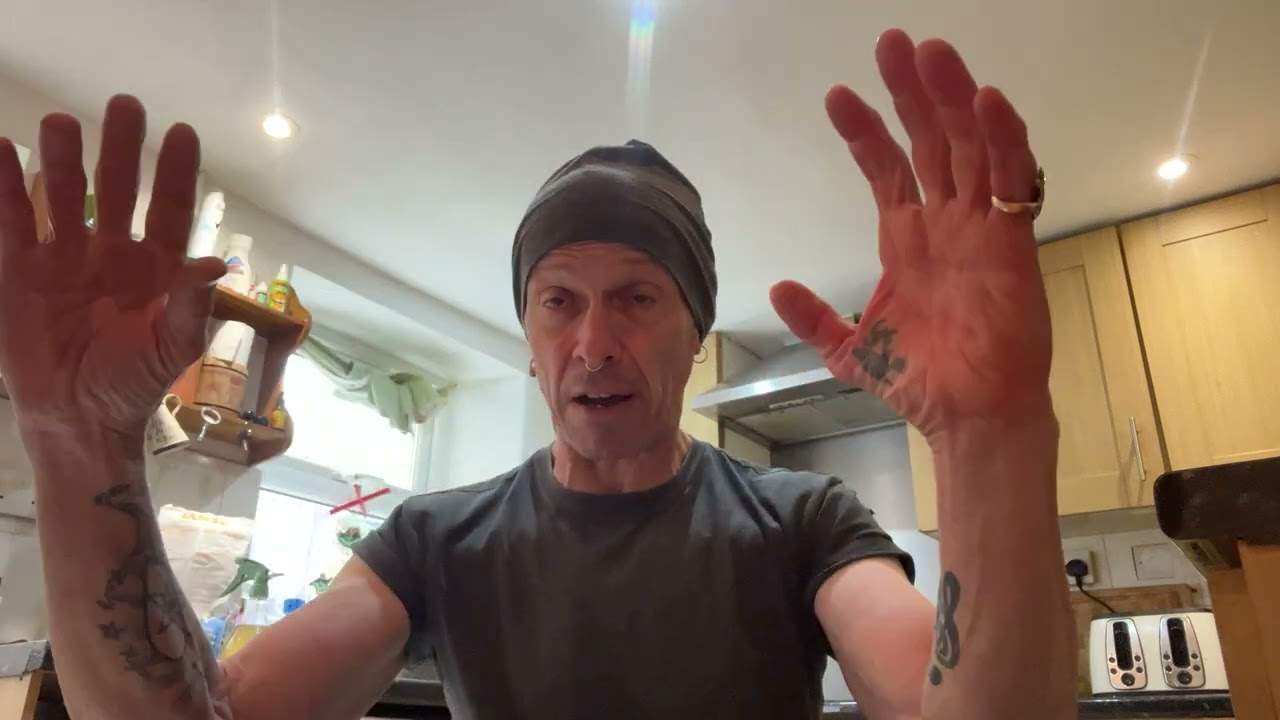
On YouTube this video is called New dj? How to construct a set, select toons at random!
What this lesson teaches
The most useful sentence in this course is at the start of it, and it is not about technique.
Stop trying so hard
His instruction to new DJs: stop. You are trying too hard.
Enjoy yourself first, relax, have a mess around. Then, once you are getting better, put the Einstein brain on and construct something properly.
He is describing a real failure. A beginner who has read about keys, phrases, structure, energy and set shape has five systems running at once and no ear yet to coordinate them. The result is paralysis - an hour spent on the first two tracks and nothing learned, because nothing was played.
The method, which is deliberately crude
Put a track on. Walk the next tunes past it one at a time and ask one question: does that work? Yes or no.
Then the next. Yes or no. And the next.
That is it. No wheel, no notation, no plan - a sorting exercise, done by ear, at speed.
What it gives you
Two things.
A shortlist. After an hour you know which of your records go with which, which is the raw material every other lesson in this course assumes you already have.
An ear. Deciding yes-or-no thirty times teaches you more about compatibility than reading about it, because you are making the judgement rather than looking it up. The theory then arrives as an explanation of something you already noticed.
The constraints he does keep
Two, and they are the minimum:
Relatively the same BPM, so you can beatmatch them if you want to.
The same genre, if the set is meant to be one genre - which he notes is logically obvious and worth saying anyway.
Everything else can wait.
Contents of the video
0:01 Another video tutorial on how to construct a set
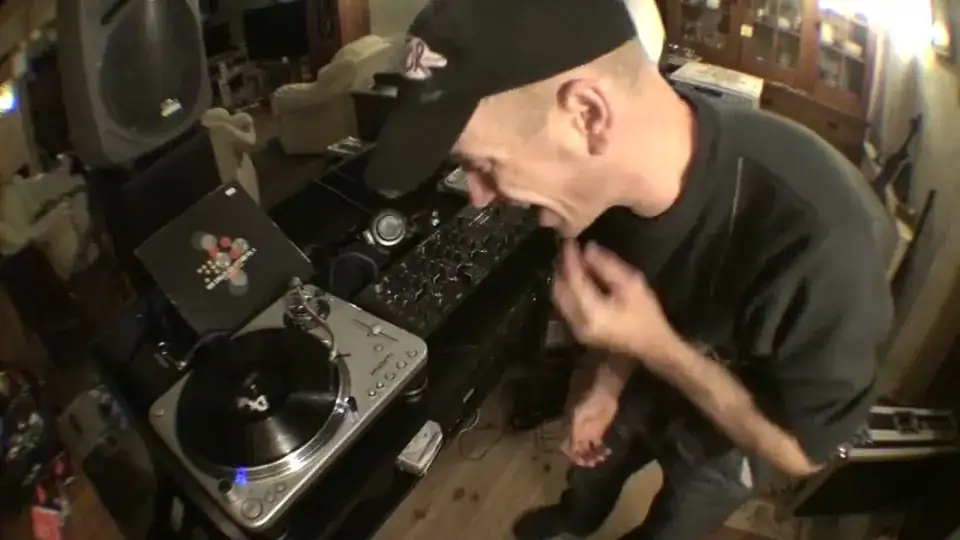
Alright folks, another video tutorial on how to construct a set. Now one very important factor and that is for all the new DJs out there, stop, you're trying too hard. Alright, you probably think what the hell's he on about? But you probably are, you're probably trying too hard without first of all enjoying yourself, relaxing and having a bit of fun and a mess around. Do that first and then when you start to get better... Then you need to get your Einstein brain on and think, now I'm going to construct this set very well. Okay, so what is this video about? Well, okay, I've got a track here, got some tunes over there, and what I'm going to do is I'm going to play that, and I'm just going to walk the tunes on and think, does that work? Yes, no. Does the next one work? Yes, no. Does the next one work? Yes, no. There's a few different facets we need to find. Of course we need to make sure...
1:56 Along maybe
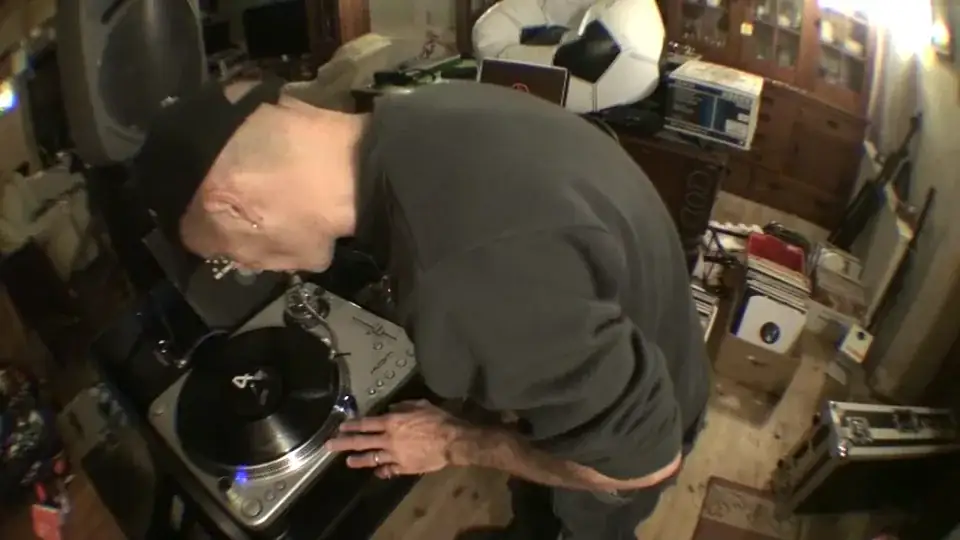
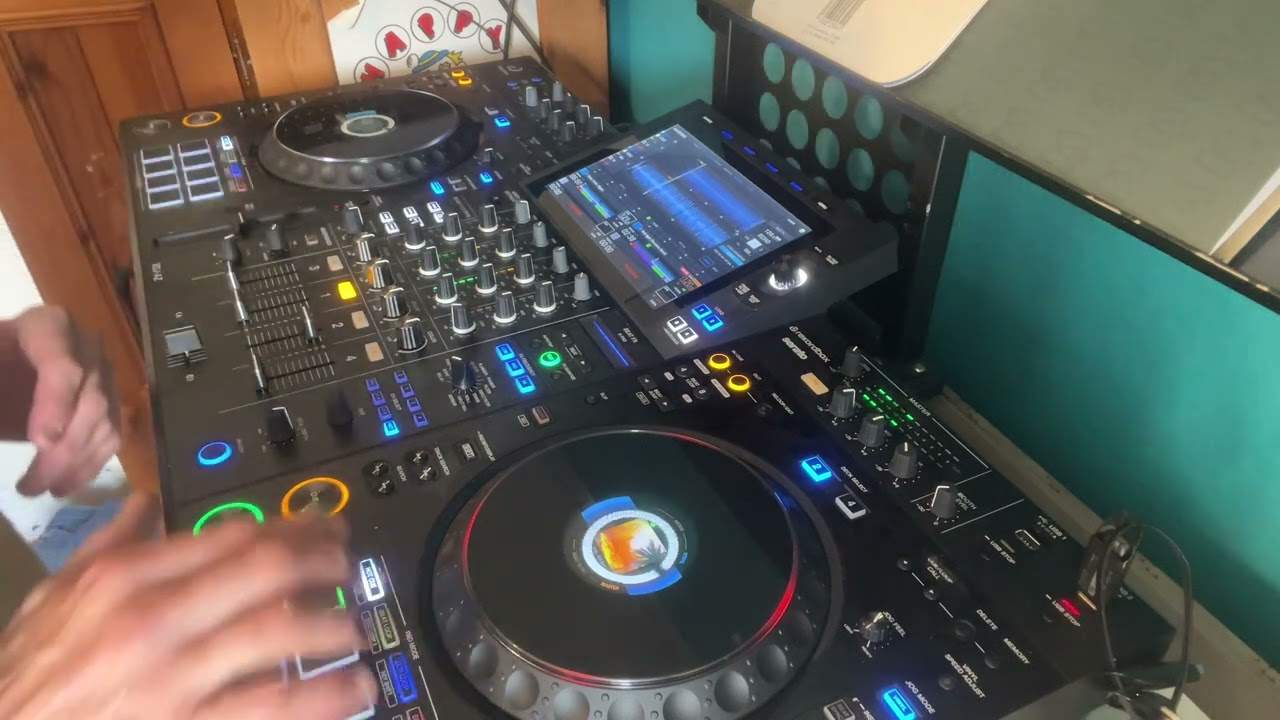
Relatively the same BPM so we can beatmatch them. And they've got to be sorted, and again very quickly, if we want a set to be the same genre then of course logically the music has to be the same genre. Typical. And of course just as important, they've got to sound well together. So by playing one track and then just bunging one on quickly and having a mess around, theoretically to the person who's got a relatively good ear you should be able to hear, well yeah, they sound similar. Disc 2, side B, the first track, Joshua, tracking title, Watch Da Bass. We love bass don't we? Boom! Right, here we go. That's that one. So what I'm going to do, I'm going to put this one on here. Now straight away, this one's happy and jolly. And this one's deeper, too deep, too low. So, you know, I'm not happy with those. Try the next one along maybe.
Now listen, just listen. They're offbeat. Okay, we've got something there. They're joining in the middle, which is quite nice. And also, if we listen to this track here, it's jolly, you know, it's got a bit of a vibe to it. This one here, same kind of thing. So, you know, right. So, this is where this particular video is going. I've now, in a sense, got one track and I'm thinking, yeah, that one could possibly work well with this one. So before I start to choose where to bring it in, where to take it out, what bass to treble and mid and all this and the goodness knows what to have a fiddle with, what I'm going to do now, well not now but you know this is what you should do, is have that one there, take this one off and do exactly the same with the third one. And then a fourth, fifth, sixth, seventh, eighth, ninth. So you've got almost, you've got like ten tunes that you've just bunged together and you thought yeah they work well. When you've got those ten tunes, then you should...
5:14 It loads the time trying to find the right place
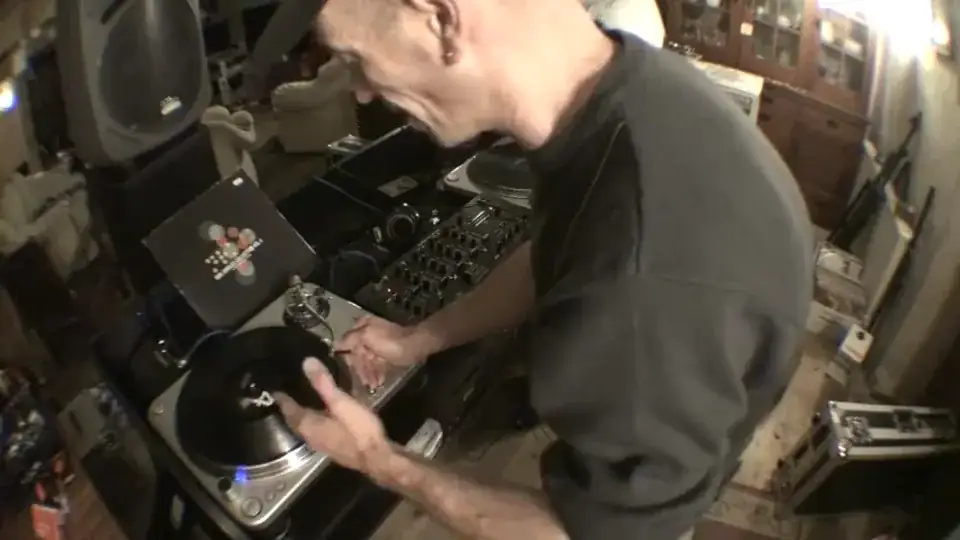
Go back to the first and second and then find the right place to bring it in and start to refine the mix. So in other words, the first part of getting a good set together is just finding tunes and having a mess around. So what I'm going to do now, let's imagine we found 10 tunes. Now we're coming back to stage one where we need to fine tune and find where we need to bring this one in correctly with this one. So let's play this again, here we go. Spent loads of time... Oh, shut up. No, low... Oh, dear. It loads the time trying to find the right place. So... I like it when you... Oh, I can't whistle. Right, there. That's where I'm going to bring that track in. I'm not using headphones, so bear with me. Let's get this one ready. So just imagine when I bring this one in, we're really... I'm the only person listening to this, not the public out there, so imagine I've got my headphones on.
So what I've done, I mean basically this whole video is on about first of all if you want to construct a really good set. First of all have a mess around, mess around with the tunes, chop change, bum on left right centre, go in, have a cup of tea, go to the toilet because it's not done and then come back and have another mess around and when you've got your 10 tracks or your 12 tracks then Einstein and get into it and find the right place to bring the track in and the next track and the next track etc. I hope it's given you a general idea, practice and enjoy. Thank you very much.
This transcript was produced automatically from the audio of the video and may contain mistakes.