 5:56
Set your mix on paper, to get the perfect set. MR/ MRS DJ.
Contents of the video
0:00 Left at junction 5, down there, cross over there
So, left at junction 5, down there, cross over there. Ah, hi, Jonathan here. Had an email from someone and it was basically about structuring your mix, getting it from a good mix to a perfect mix. How do you do it? Well of course you can spend absolutely hours Getting the beats right, moving the bass mid and treble and making it all pucker, making it all spot on. But, of course the trouble is, is that how can you take it then to the next level and get it so your mix possibly is no different really to a mix that you'd find on a CD that you'd pay loads of money for in a shop. This is how you can do it. Now first of all, the map thing, there's a reason behind that. Because let's say you were going on a journey.
And you didn't know where you were going. But, well, alright, let's say you had a rough idea of where you knew you were actually going. But you didn't plan your route. Now you'd probably get lost along the way. But if you actually planned your route, in other words, if you looked at the map and you chose the roads and you chose, this is the important factor, the junctions on those roads. In other words, you will look and think, right, I need to travel down the B457. And then as soon as I get to junction 23, I need to turn off on the A532. Now fair enough, you may be able to get onto the A532 further on down that road, but you'll be going the wrong way. Exactly the same thing applies when you're doing a mix. Think about it logically. If you plan your mix correctly and then work out you play one tune for...
1:56 One minute and 25 seconds
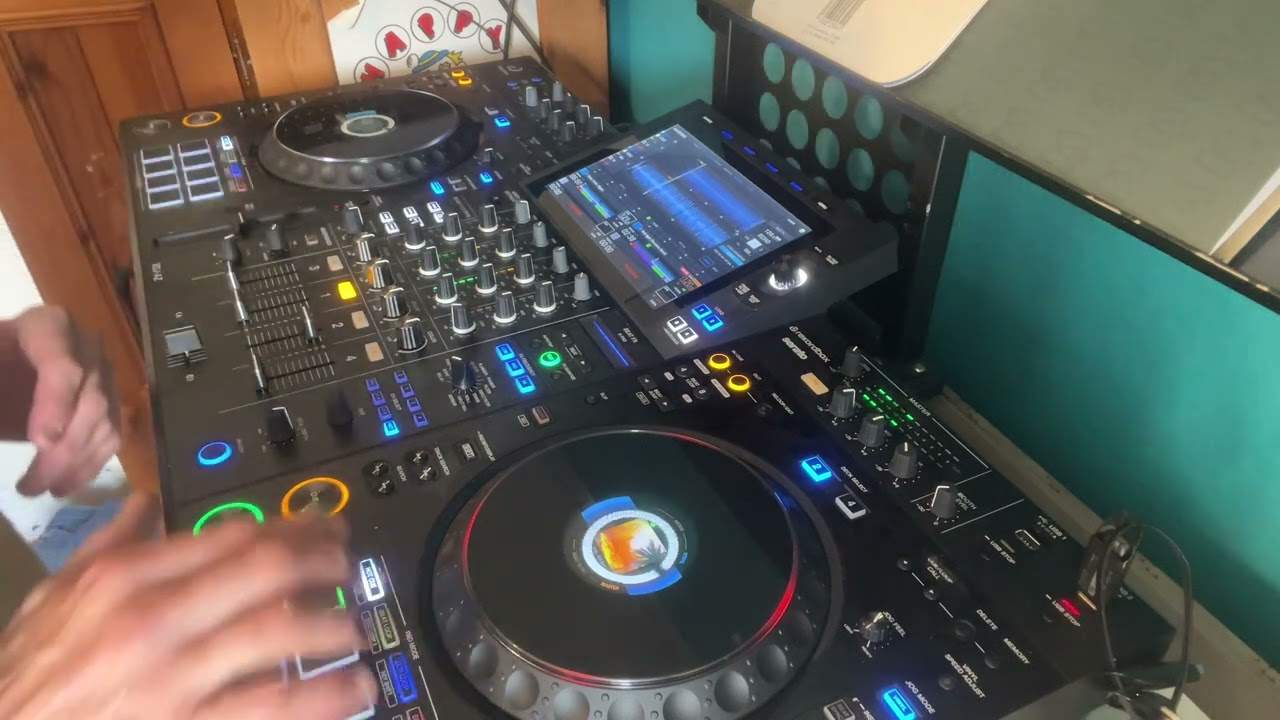
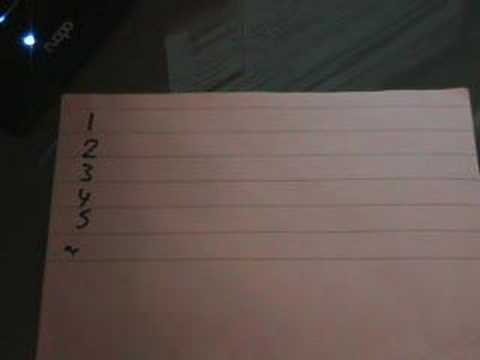
One minute and 25 seconds. At one minute and 25 seconds, you bring in the next tune, which is exactly the same with the map. You are turning onto a different road. So at that precise point, you bring the next tune in and you play that track for, let's say, for example, two minutes 45 seconds. Then you bring tune three in. Now if you structure your mix this way, you will have almost a perfect mix. Now what I'm going to do is show you how we can actually do that on a piece of paper. Alright here we go, piece of paper, one two three four five which is basically say my mix which is going to be five tunes. Now first of all the one thing you would have done, you would have made sure that those particular tunes work
Really well together. That's very important. There's no point doing this and they sound awful. They've got to sound well together. So here's the idea. Tune 1. What you would do is you would write down and you would listen and you would think, OK, tune 1 will play for say 1 minute and 45 seconds. And then at that point you will bring in in tune 2 like so. And then tune 2 You will do exactly the same thing. Now also what you can do here with Tune 1, you could actually say down here somewhere or again, you know, you can work this out I'm sure, you could say that the actual mix will last for say 30 seconds. Now you know now that Tune 1 will play for 1 minute 45. You know you'll bring Tune 2 in
4:19 You can actually construct a mix
And finding the precise place where the two will mix perfectly and they will blend, that's the amount of time they'll be mixing together perfectly for that amount of time. It could be 30 seconds, it could be 10 seconds, it could be 1 second, it could be 2 minutes. Then you can actually construct a mix. Now again, the reason for putting it down on paper is because what you can do then is while you're doing your mix, sorry, while you're actually doing your mix, You will have your own instructions so you won't get lost and you'll know exactly where you are. So again, think about it from the map point of view. It's all well and good taking a map with you which is the equivalent of you just having your records and doing a mix but it's a better idea if you have that map and if you actually write down B473 off at junction 27
Then you know it's all there in front of you. So reading the map is near enough exactly the same, constructing your mix like this. I hope you get the idea and if you can do this kind of thing, alright? Again, spend time. Maybe it could take you four or five days just working the mix out but if you've taken that time working the mix out... Theoretically, if your mix lasts for 90 minutes, it will take you 90 minutes to record a pucker. Perfect mix. I hope that's been a help. Practice and enjoy. Thank you.
This transcript was produced automatically from the audio of the video and may contain mistakes.