 13:41
Some Possible Ways You Can Get People to Dance at Your Mobile DJ Wedding Event
Contents of the video
0:01 This is the second video on why people don't dance
Right, ladies and gentlemen, this is the second video on why people don't dance. But this one is how to get people to dance at your event. Now, I have got a few notes there. It's really just bullet points that I want to cover. So imagine this scenario, you know, you've set up your kit, you've got a good sound system, you've got a good light show. You're a relatively pleasant DJ to look at. You've got a nice console and you're playing some music and everyone is just sort of sat down looking like mumpy gruppets. You know, you've got a whole bunch of people at the bar and you just can't get them to dance. They're just not dancing. How do you get them to dance? Well, of course, in video number one, I covered the reasons why indeed they're probably not dancing.
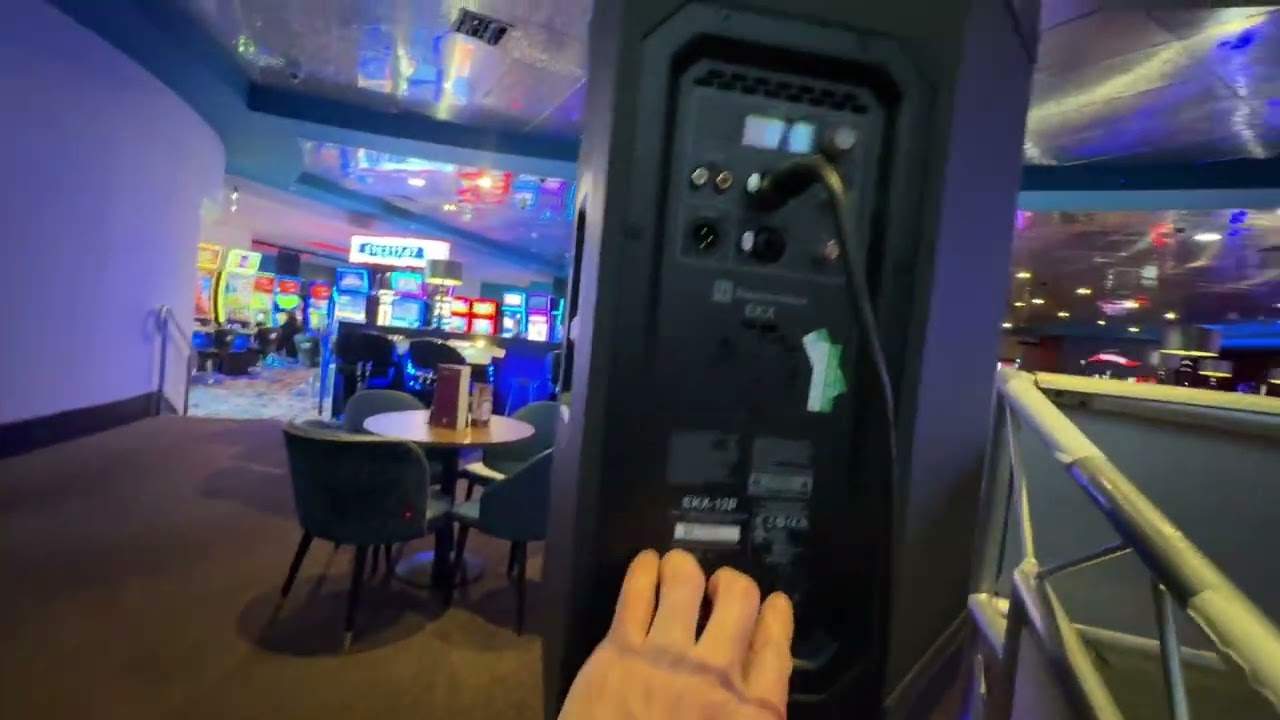
A lot of it was around weddings really, but it does follow suit generally with even birthday parties because they've still got to get ready. They've still got to get to the venue. Some people in the birthday party have probably traveled a great distance and they're probably going to have the buffet. So I did cover a lot of those reasons or those sort of points in the last video. Anyway, how to get people to dance. Now, the worst thing you can do Well, actually there's a lot, but one of the worst things you can do is the person in charge says, right, you can start the music now. And you look at your mixer, your amplifier or your speakers are on full volume. You put your volume up on your mixer, you press play and all of a sudden you're blasting out this volume. It's like, it's like full on, you know, we're talking about 80 to 90%.
Of the overall sound of your system. If you're using 100% you're an idiot because you should always leave a bit of headroom. We can cover that in another video. Right, the reason you don't do that is because you're just going to inundate people with noise from day one or from as soon as they turn up and they're not going to like that. You see if you think about it Let's imagine an aeroplane. An aeroplane, when it takes off, it has to start at standstill and then it slowly increases speed until it can take off. Now, it can't necessarily, well, it can't at all go from zero to three or 400 miles an hour because it just can't. So treat yourself maybe like an aeroplane or maybe like a car. Maybe a car is a better analogy because an aeroplane can get go fast quite quickly.
2:38 Number one is during the beginning of the evening, just increase the v
Whereas a car, and I'm not talking a supercar, I'm talking a family saloon, you put your foot down and it takes time to pick up speed. So number one is during the beginning of the evening, just increase the volume slowly. So you're almost inviting people onto the dance floor instead of boom, here I am and shocking the hell out of people. Now also what you need to do... is make sure you've got possibly some of the latest tunes. Now I know in other videos I have talked about, especially in the UK, modern day top 40. Personally, I think the modern day charts top 40 is dead. But, you know, you be the judge. I admit there are some classic tracks. So whereas we go back 20 years, there could have been...
I don't know, 80% of the tracks from the charts you would play. Nowadays it's more like none, maybe one, maybe two. Because if you think about it, if you listen to the charts today and you just kept those 40 tracks and let's say a year from now you played them, some people would be thinking what on earth is this? Even though it was only in the charts a year ago, whereas you did that 20 years ago, people would still be playing them because they're still in vogue. Okay, now then, another reason is possibly you're not playing the right tracks for the crowd. So if you're in a nightclub and it's a house nightclub and you're playing drum and bass, you're going to get kicked out. But of course, I'm not on about that. I'm on about a wedding, a birthday party, a bar mitzvah, any sort of event. Look at the crowd. Are you playing the right tracks for that crowd? Look at the age group.
5:16 Get a good idea of volume
If you've got a whole bunch of teenagers, it's very likely they will want a certain amount of popular music. But I guarantee you, they will just enjoy the classic tracks as well because they never die. Another reason, you need to look happy. Don't stand behind your decks looking all grumpy because people vibe off that. If they see you're not happy, they're going to think, oh my God, who the hell is this DJ? He or she doesn't half look bloody happy. Not. OK, keep the volume decent. Now, again, as I said earlier, at the beginning of the night, slowly bring the volume up, but then don't have it rammed full on. Because you may be behind the speakers, but there are people in front. Now again, this does involve certain age groups because a lot of youngsters and 20s and 30s, they probably wouldn't give a monkey's how loud it is anyway. But the trouble is, if you've got a mixture of age groups and you've got that volume too loud, then it's highly likely the older generation won't dance
20 or 30% of the entire room dancing because it's just too loud for them. So get a good idea of volume. And also, this does really look at the PA system you've got. If you've got this mega PA system that you bought off eBay for like £150 and it was 2000 watts aside, then just forget about it. Don't do anything like that. Okay, keep a banger ready. Now, at some point during the night you may find that the dance floor seems to disappear. If that happens, then make sure you get something you know gets the dance floor going. It could be a track where everyone sings along, it could be a track where everyone dances together. It could be an all-time classic, Michael Jackson, I don't know, a dance tune from the 90s, reel to reel, I like to move it, Robin S, Show Me Love. Make sure you've got that ready or at the drop of a hat you can go click, click, press, bump and off it goes. Change your styles. There is nothing worse than going to a wedding event and listening to the DJ all night just playing house.
Unless, of course, everyone in the crowd has specifically asked for house. Okay, because again, if you think about it, bride and groom, they turn up, listen, we love house music, that's all we want to play. You go, okay, right, fair enough. If you play house music all night, you may be pleasing the bride and groom and their close friends and relatives. But again, as I said in video one, a lot of people at weddings have not met a lot of the other people. You've got two families, so a lot of the guests may not even like house music. So you could be just throwing them out the window and they won't get on the dance floor. So change your styles. Now again, if you think about it, you're playing say 80s and all of a sudden you think well now let's go to the 90s. So you play a few 90s tracks and then maybe play some funk or some soul, some R&B, a couple of hip-hop tunes.
8:22 Dance track from the 90s, one
And then maybe go to popular music. At some point then you may think, I know what, I'm now going to play a few 60s, incorporate some Tamla Motown or Northern Soul and then maybe go back to the 80s again and then maybe play some modern stuff. One of the worst things in the world any DJ can do is play... One 80s track like Erasure and then go to a dance track from the 90s, one, and then play one modern track and then play one 60s track and then play one R&B track and then play one drum and bass track. That is the worst thing in the world you can do because what you're doing is you're just messing up the whole scope of music. People like to dance to styles. They also like to dance to tracks. But again, what you're going to be doing there is you're going to be pleasing one group of people for one track and then all of a sudden a bunch of others and a bunch of others. You're not really going to please the collective and that's what you need to do.
Mix in key. This is absolutely paramount. And if you're not familiar in mixing in key, go and check out the whole bunch of software out there. Actually, there's one called Mixed In Key. And that software will help you to work out the keys of the tracks. Look at the Camelot wheel, Google Camelot wheel, and you'll see this circle, a bit like a clock. You have... 12 major notes and 12 minor notes. So just do some research there. Another way of making people dance is, believe it or not, is part and parcel of the Camelot wheel and mixing in key, which is try and use a lot of tracks in the major scale. Now, believe it or not, but most of you... And try this, all right? Just try it. After this video, go on your laptop or whatever you use and have a look.
And I guarantee you most of your tracks are in the minor scale. Now, the minor scale is very moody, very deep, very sort of feeling energy, whereas the major scale is more euphoric, more uplifting, more happy, more vibey. So again, if you want people to dance more, try and choose tracks in the major scale and you'll find there's more of a light on the dance floor. People seem to be happier. And also, if there's ever any trouble or you sense there's going to be trouble in the room, switch to the major scale and all of a sudden that negative energy in the room is gone. Just try it. It's amazing. Play the classics. Now I've had this debate with many people about, oh, why should we play classics? What's the point? It's all old. But my little lad who's now 11...
11:07 He loves old school hip-hop
He's 11. He loves old school hip-hop. I played to him two or three years ago, Eminem, My Name Is, and since then now he's coming out with these tracks that I haven't even heard of, and they're from the 90s. I'm going like, respect you mate, good lad. So I'm not on about now going to dig out your old hip-hop collection, but bring out the classic tracks. Now again, let's say you are 20 or 30. And you look at the dance floor and you've got someone who's, say, 70. They're a bit like me, but I'm not 70, but they're bald, they're white-faced, you know, bent back, but they're jigging about a bit. You may think, oh my God, what are we dealing with here? They're 70 now, 10 years ago they were 60, 10 years before that they were 50, 10 years before that they were 40. So they were pretty much dancing along to the rave tunes in their 40s.
So, if we go back though to the 90s and someone was 70 then, that's when you'd be looking at them thinking, I probably need to play the 60s and the 50s for these. They're going to want Northern Soul and whatnot. Nowadays, that age group are probably going to like more so the 80s classics and the 90s. So if you put Michael Jackson, Billie Jean on or something like that... They're probably going to light up and just think, whoa, this DJ is amazing. So again, age doesn't really matter anymore. So try and play the classics. People love them. Now, I hope this has been a help. And again, just good presentation is the key. All right. Now in comments, please just don't hesitate. Give reasons. Thank you very much.
Thank you very much for watching. Practice and enjoy.
This transcript was produced automatically from the audio of the video and may contain mistakes.
Related videos
-
How to Get a Better Fee for Your Mobile DJ Services
He disclaims it as not financial advice and notes that everything depends on where you are. Taken as a checklist of what justifies a higher…