 4:51
The KAM KXT 23600mk2 Power amplifier
Contents of the video
0:00 Are always asking me about getting extra power out of their speaker sy
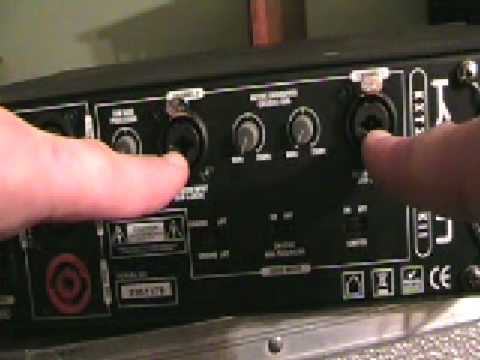
Alright folks, people are always asking me about getting extra power out of their speaker system. Or maybe they want extra bass. Now of course the trouble is, let's say you've got one amplifier and all of a sudden you want to start getting more bass. It means you've possibly got to buy another amplifier. Now, what I'm going to do, I'm not going to give you an initial demonstration. I'm just going to show you this guy here. It's from a company called Cam. I'm going to pause the camera, we'll have a closer look at the front and then I'm going to turn it around and we'll have a look at the back and I'll try and explain exactly what it can do. Hold tight. Okay, first off, there's the model number. It's KXT23600M2.
1:51 Bass, wide range, tutor offers
A third amplifier, mainly just for bass. So we've got channel 1, channel 2. These guys here will do your mid and top quite happily all night. Then this guy here will do your bass. So in other words, what you can do, you can, let's say, have a 15 and a horn, 12 and a horn, maybe a 10 and a horn on a stand with this amplifier, exactly the same with this one. And then if you want to, in the corner of the room somewhere, The DJ Tutor is available for purchase at Ellaskins.com The DJ Tutor offers a wide range of different types of speakers, ranging from bass to bass. The DJ Tutor offers a wide range of different types At 90, basically what will happen is that the mid-top cabs will get a certain amount of bass but they won't be able to produce any bass below 90 Hz. As we move these around the dial, slowly but surely the bass will be reduced from the mid and top cabs. But what will happen in turn is the bass will increase in the bass speaker here.
3:08 Function and we can have
And what we can do using this dial, we can increase or decrease the sound coming out of the bass cab. So in essence what we've got, we've got one amplifier, this unit, complete unit, the amplifier itself I'm classing as the box, but then inside it we've got three separate amplifiers. We've got two amplifiers for the mid and top, and we've got one for the bass. So in other words what we can do, we can go to a function and we can have a couple of say small tenon horn on stands and at the same time you can bung in the corner an 18 or a 15 inch sub and rock the place. Okay we've got here one fan and we've got one the other side. Now these are for one reason only, to remove the heat that this amplifier will produce.
Very important, never put anything in front of the fans because you need to make sure that the airway is clear enabling the amplifier to work more efficiently. Vitally important. Also, 9 times out of 10 on the front of the amplifier you'll have holes enabling the air to either come through the front of the amp and go out of the back. Alternatively, sometimes you have amplifiers whereby the heat will come in from the back and go out of the front. It's vitally important that all power amplifiers are always left with nothing around them, no clothes. For goodness sake, don't start chucking coats on them. So there you go, this guy from Cam. It's the KXT23600M2. What I'll do... I'll put all relevant information in the description to the side of the video. Practice and enjoy!
This transcript was produced automatically from the audio of the video and may contain mistakes.





