 9:01
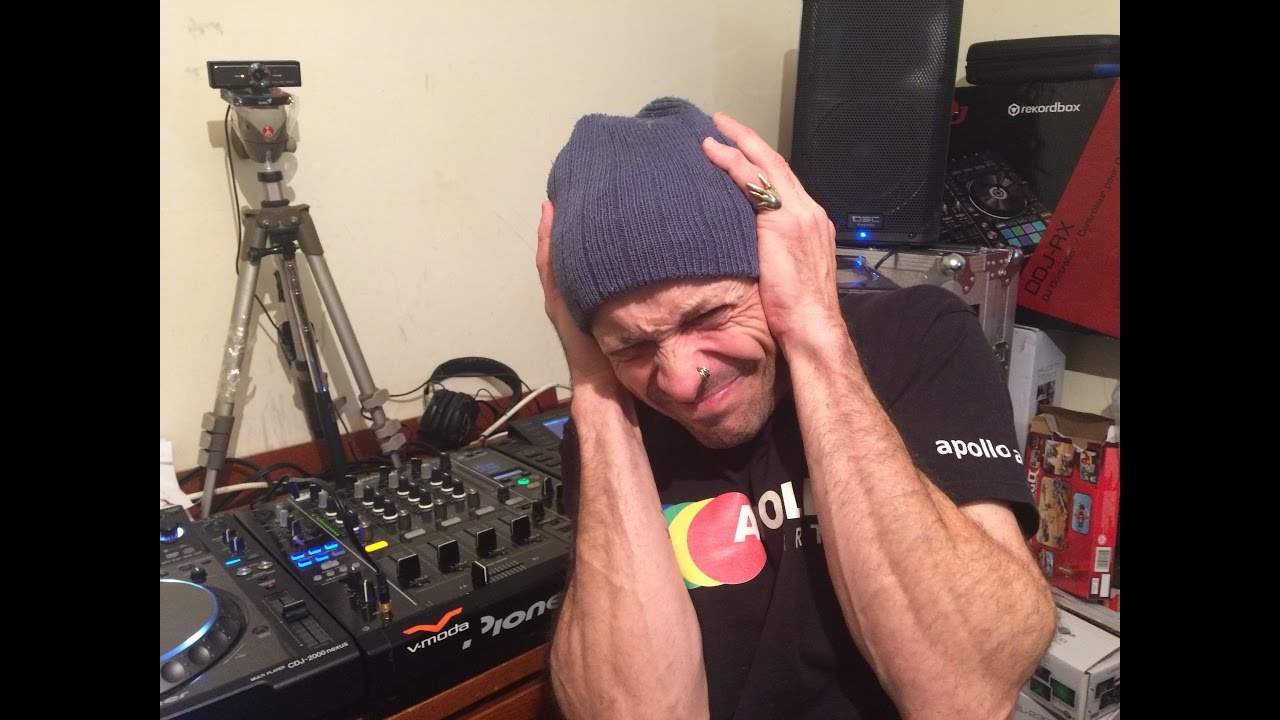
The Worlds Loudest Headphones BY Far
Contents of the video
0:00 What the hell do you expect?
Headphones. Some are very quiet, some are just absolutely rubbish and you wonder why they're even made but then again that's possibly because you bought from the pound shop and they cost 99 pence. So what the hell do you expect? They poke in your ears, they fall out, the sound's rubbish and you might as well have just invested that £1 or 99p to save the children or something like that. But you have other headphones that are not too bad but they sound terrible, some that will be relatively loud but then you wish they were a little bit louder, some that are very uncomfortable and an average sound, some that are really comfortable but cost a lot of money and they are not very loud at all. Some that don't cost that much are very loud but the sound quality isn't that good. There are other headphones out there that cost an absolute fortune and are very loud but...
You can't buy them because you'd have to sell your arm. Then again, there are other headphones out there that are big, bulky, look stupid, but most of the time they are made for studio quality work. So how can you get some headphones that you can turn up and have them as loud as you want? In this video I'm going to show you how you can get a set of headphones that can be 1000 watts, 2000 watts, 3000 watts, RM... When normally headphones for DJ purposes are going to be around about 2,500 milliwatts. Now they always rate them or most of the time they will rate them in milliwatts. So a milliwatt is a thousandth of a watt. So when you see two and a half thousand milliwatts don't all of a sudden think you know what I can use them for my PA system in my gig. You can't because that's actually two and a half watts.
1:52 This video is an explanation of what potentially you can do
So how can we make it louder? Now, this is really important. This video is an explanation of what potentially you can do. You always have to remember that your hearing is paramount. I have tinnitus through years and years of having loud music. I don't recommend you get tinnitus because it's not very nice. How you can stop getting tinnitus is, of course, by reducing the output of your PA and your speakers. The DJ Tutor is available for purchase at Ellaskins, The DJ Tutor. Now we've got now two speakers, one on the right and one on the left. Now this setup would be a very basic setup, you know, stereo speakers, and they could be any size, any make, it doesn't matter. Anything from your small little monitors to your super duper big scoop bins with big floppy woofers and tweeters that squawk and woof.
Right, so how do we get a sound system with big loud headphones? Now I need you to imagine for one second that we no longer have one speaker either side. We have two. We have two speakers next to each other. This is so simple it's genius and I would be highly surprised if people have not done This is the key factor, this is the important part I'm getting to. Alternatively, you will need a cable. Going to your powered amplifier, from there you will go to your passive non-powered speakers. Now in the back I've got the QSC K series. They are the K8s and in the back of those there are different options of plugging in. You have quarter inch jack, you have XLR and you also have RCA. Now I've pretty much gone from this cable to RCA in. So now...
4:38 It's the original mix
On my right hand side, that speaker over there, that is pretty much a thousand watts, is running from my headphone out. So if I press play, by the way, the track I'm using is Alex Aleem Track Entitled Filter. It's the original mix. It's on Karmic Power Records. Just check the number here. Will it say yes? KPR 178. There will be a link in the description to... Karmic Power Records. Now I have the volume down on my headphones, I am going to press play, move it forward a little bit and we have no volume at all. That's because I haven't turned up my headphone. Now I am now increasing or decreasing the volume of that powered speaker just from turning the headphone dial. What I'm going to do now I'm going to go to link on this side. I'm going to go to the same track.
6:56 I've got the same tune, so let's speed that up a little bit
On this side, now then, let's have a listen to the right hand side and the left side. The left side is on the left, now the right deck is on the right side. Now just remember at the beginning of this video, this is only because I have two speakers. If you were going to do this the correct way, you'd have four. Two either side for your headphones, two either side for your monitors. I've got the same tune, so let's speed that up a little bit. Beatmatch it, no need for headphones, take off cue, have a listen. Now we've got both of them playing through that side because that at the moment is our only speaker through the master out. But if I was to press cue on either or both, it would come through my other speaker.
So in a way, what we've got here is we have got a PA system that is utilising the headphone out. Alright, so applications for this. Now let's imagine you are in a nightclub and you've got your headphones on and it isn't loud enough for the volume. The pure volume of the room itself and your monitors because quite often in a big nightclub, the sound system is very loud so you have to compensate for that to have your own monitor system, your booth out very loud. And because that's very loud then of course your headphones have to be relatively loud but guess what? You can't turn it up enough and you can't maybe hear the bass mid treble as you would like to. Using this way. Or setting up your kit like this means you no longer have to have headphones, you can in a way turn everything down and you can have a sensible level of a monitor system through the booth and of course your monitor system through your headphone system as well. Okay, I hope that's been a help and I'll finish off with practice and enjoy. Thank you very much.
This transcript was produced automatically from the audio of the video and may contain mistakes.





