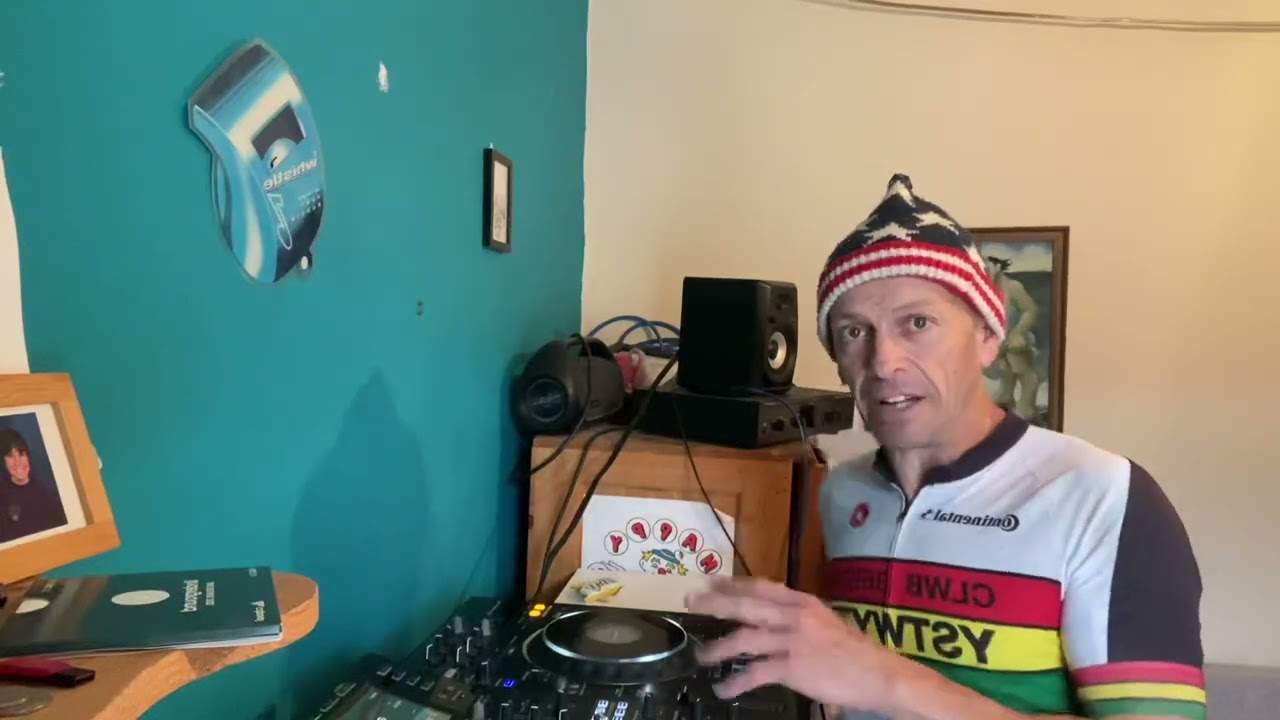
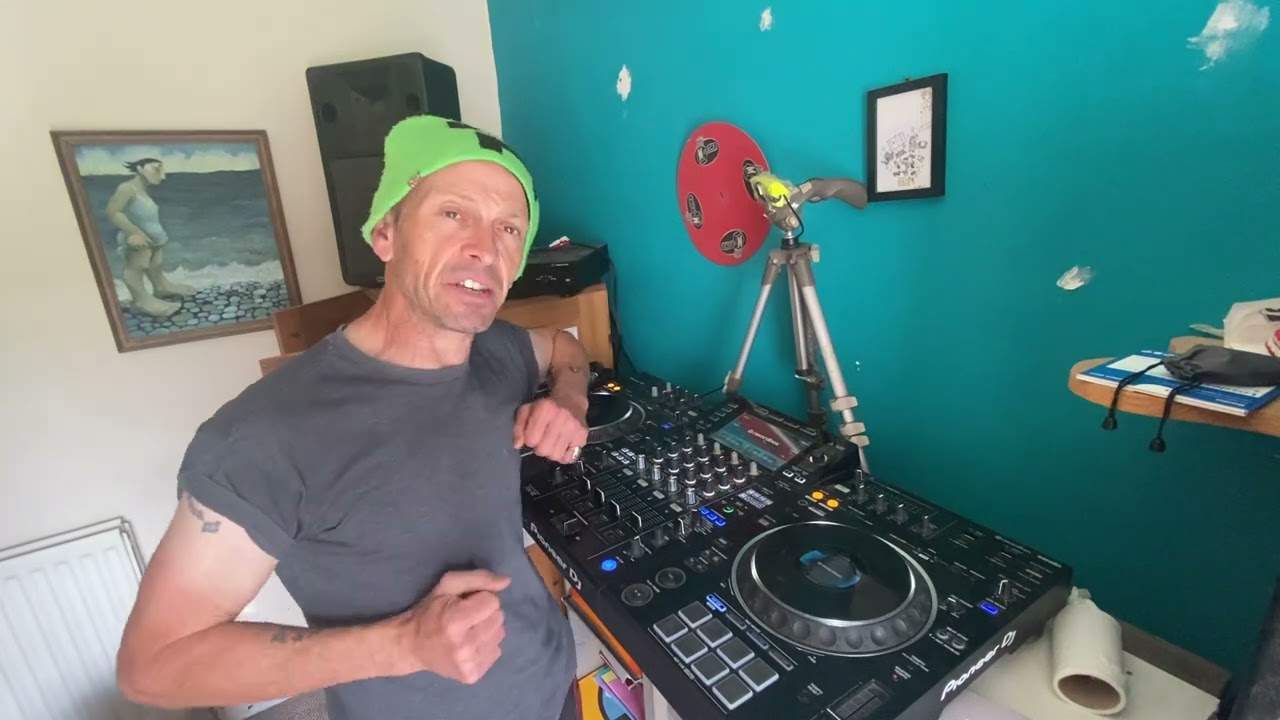
 4:09
Should you buy the gear before you can mix?
On YouTube this video is called To Daniel, How do i start being a dj, should i buy the gear?
What this lesson teaches
Daniel emailed to say he and a friend had watched DJs mixing on YouTube, loved it, and had no idea where to start - buy a setup, hire one, or take lessons? The reply is worth reading by anybody in the same position.
The trap in buying cheap
He calls DJing an expensive hobby and then describes the pitfall precisely, because it is the one most people fall into.
You are not sure how serious you are, so you spend as little as possible - a package with belt-drive turntables, two hundred pounds, something that technically works. Six months later the decks are failing and you have outgrown them anyway, so you buy again. The cheap purchase did not save you money, it added a purchase.
That is not an argument for spending more. It is an argument for one of the two honest options: borrow first, or buy something decent.
Borrow first
His actual recommendation, and it costs nothing: find somebody who already has decks - a friend, a cousin, anyone - and ask for a go.
The reasoning underneath it is sharper than it sounds. Somebody who has owned decks for years almost certainly owns good ones, because the bad ones broke. So you get an hour on equipment that works properly, which tells you two things at once: whether you enjoy the actual activity, and what it is supposed to feel like when the gear is not fighting you.
That second one matters later. A beginner on a bad deck cannot tell the difference between a technique they have not learned and a platter that will not hold speed, and will usually blame themselves.
What a first mixer needs, and nothing more
This is the useful list, and it is short. A mixer for learning needs:
Two channels. That is two sources. You are not mixing four tracks yet.
Phono and line inputs. Phono for turntables, line for CD players and anything else. Without phono you cannot use turntables at all.
A gain control on each channel, to set how hot the signal arrives before anything else touches it.
Bass, mid and treble on each channel. In his terms: bass is the thump, mid is the vocal, treble is the hats and the hand claps.
A crossfader that moves smoothly. Not one with a curve control or a reverse switch - just one that does not crackle or stick.
And that is the whole list. No flanger, no echo, no six outputs. Effects on a learning mixer are a way of spending money on something you should not touch for a year, and he says elsewhere in this stage exactly why.
And if you stop
His closing reassurance is a real one. Buy something decent, give it three months, and if you decide it is not for you, it is still nearly new and it still sells. The loss is small and bounded.
It is the cheap package that is hard to sell, because there are few buyers for it either.
Contents of the video
0:00 In other words, you haven't got any decks, mixer, turntables, nothing
Alright folks, this is a video message going out to Daniel and also to anybody else out there who'd like to start DJing. In other words, you haven't got any decks, mixer, turntables, nothing. You've got bow diddly squat but you think, you feel, you've got that sort of feeling that you want to start it up right now. First of all, I'll read you Daniel's email. Hi DJ Tutor, a few days ago me and my friend watched some videos on YouTube of DJs mixing. We loved the music and would love to start... Doing it. But I have always wanted to do it for as long as I can remember. Now then, that is the first point at which you should realise that you want to become a DJ. It's like anything in life. If you find that you like to look at paintings, then maybe you've got a painter inside of you. If you like the idea of going gardening and you're always walking around garden centres and stuff like that, then take up gardening so it's there with you anyway mate. Alright, now then, where are we now?
1:26 A very expensive hobby, okay?
But we don't know where to start. Like, do we buy some tables and a mixer and mess around and pick it up? Or do we hire some or get some lessons? I've watched a lot of your videos and they are a real big help and an inspiration. I would love to buy a good... Sorry, I would love to buy a setup and watch your videos and try and pick it up. But would this be a good idea? Right, OK, now then. What you have to do is simply this. The trouble is with DJing is that it is... A very expensive hobby, okay? Now it's cash 22. If you want to go in it small time, you think, and a lot of people have fallen into this very big pitfall. What they do is they think, right, I'm not really that fussed, I'm going to buy a cheap setup. So they buy a DJ package with belt drive decks, let's say, and in the UK maybe they spend 200 pounds. And they've got a system that sort of works. But then what they find is six months later, the turntables are starting to break down and they need to buy a better setup because they're much better.
2:20 Again as I said before, try and go for direct drive turntables, they'r
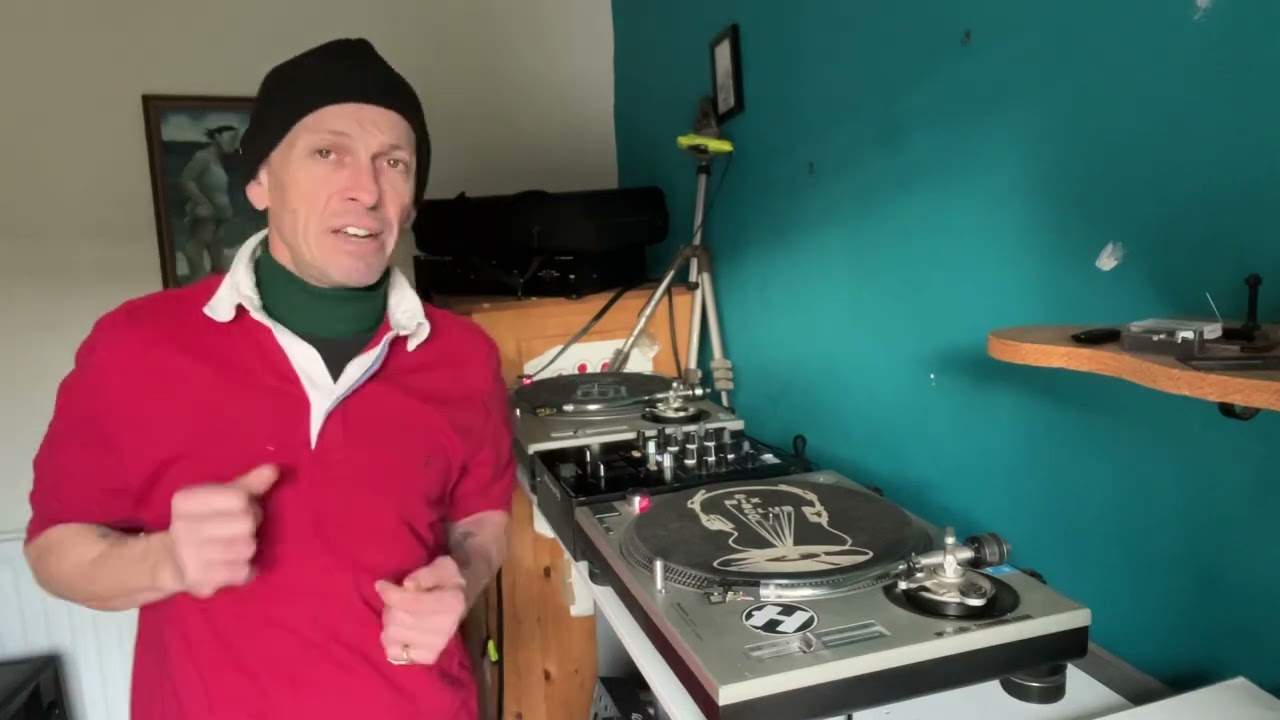
Now then, my first thought on this matter is this. If you know of people who've got some turntables, some friends, family relations, then your first best bet is to go and see if you can have a go on them. That's important because then you can get a feel of the idea, you can get a feel of what's going on. And more often than not those particular people would have a set of good decks because probably they've been doing it for a long time. The other alternative is of course hassle the parents or your aunties, uncles, nephews and nieces and get a wad of cash off them and go and buy some. Now then, again as I said before, try and go for direct drive turntables, they're important. Your mixer, you do not need fantastic amount of gizmos on it. It doesn't have to have flange, it doesn't have to have echo, it doesn't have to have 6 million outputs. All it's got to have is a couple of channels
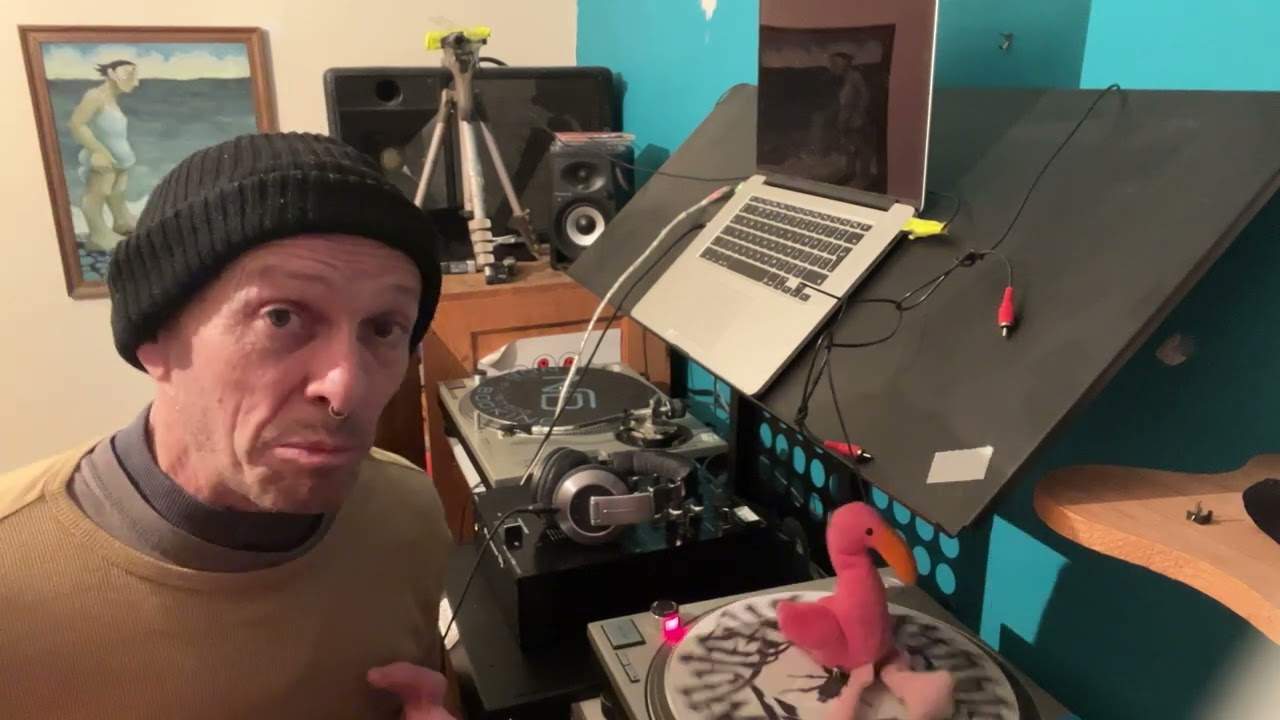
Phono line, so your phono is your turntables, a line is your CD players, your DAC players, PC etc. Decent crossfades, make sure they work nicely and they're nice and smooth, and you want to gain at the top of each one, which of course is the master volume, treble, which is the high, the hand clap, mid is the vocals, the singing, bass is the boom, the bass, that big bass line, and then a nice little crossfade. That's all you really need in your mixer, okay? And then like I've said before, you don't need to spend a lot of money on a major PA system. In fact, there's my PA system there that I could use. Look, these guys here, they're just your normal box standard average speakers that you would have on a PC. So there you go. If you really want to, Daniel, and you've thought, yeah, I want to start DJing, then if you can initially, go and see a friend set up and ask him, beg him, can I have a go?
If you don't want to do that and you think, yeah, I'm up for this, then invest in the money. Invest in the gear simply because if you do that, you can practice at home, you've got all your own gear and you know where you're coming from. If after two or three months you think, nah, I can't be doing with this, then it's still in good condition, it's still new, it's still going to guarantee you can flog it on. So I hope I've been a help and don't forget, practice and enjoy. See ya.
This transcript was produced automatically from the audio of the video and may contain mistakes.
This video is part of
Related videos
-
WHY Vinyl and WHY Is Now the Time to Go Old School
He admits at the start that this one might annoy people, and some of it should be argued with. The practical half is excellent. The claim…