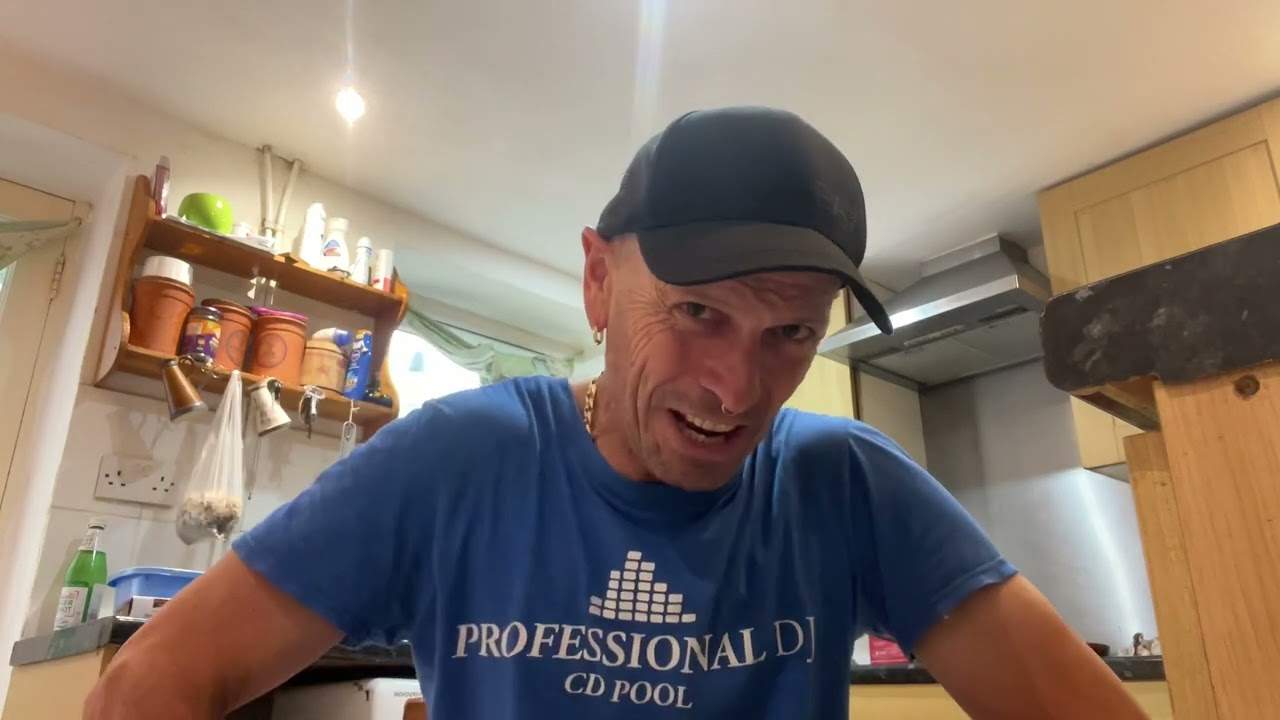
 5:21
Putting on your own night
On YouTube this video is called Want to work in a club? Organise your own Dance night, vid 1
What this lesson teaches
Prompted by people he had told were good enough for club work, replying that there were no clubs near them playing their style.
His response: if the mountain will not come to Mohammed, Mohammed goes to the mountain. Run your own night.
What that does and does not mean
Not buying a building, hiring staff and security, and spending a fortune.
Hiring a venue. That is the whole proposition, and it is within reach of one person with a few hundred pounds.
Location is the first and most important decision
He spends the most time here because he has been burned by it.
Not near houses. Not in a residential area.
The story: a party up the road, the bar manager says yes, turn up. They turn it up - and there are complaints.
And here is why that is fatal rather than annoying. The complaints do not land on you. They land on the manager, and what he then has to think about is his licence. No licence, no business.
His arithmetic from the manager's side is brutal and correct: he does not care about a hundred people paying three or four pounds on the door. He cares about the regulars and his livelihood. So the answer becomes no more, forget it - and your night is over after one.
So check the surroundings before anything else. A venue you can be loud in until two is worth more than a better room you will be shut down in.
Then the venue itself
Size and what it looks like, which are the things that decide whether a night feels good.
And his list of where to look is the useful part, because these are the places that already have a function room and already do events: golf clubs, football clubs, rugby clubs, local halls, schools.
The test he suggests is sharp: does this place already host wedding parties or birthday parties? If it does, it has a room, a licence, a bar and somebody whose job is bookings.
Who to approach, and how
The entertainments manager, or the manager himself.
And the same instruction as the club lesson, with the same force: do not turn up scruffy. You could be the richest person alive with twenty A-levels, and if you arrive looking a mess that is what sticks. Turn up smart and the impression is we are dealing with a good one here.
The sequence: phone first, arrange a meeting, speak face to face.
Be completely honest about what the night is
His most important warning, and it is a legal one as much as a practical one.
Do not book the room for "a 21st birthday party" and then turn up and run a rave.
Because the owner has the right, at any point during the night, to come over and stop it - you did not say it was a dance night, you did not say it was a house night - and he can knock it on the head there and then.
And the onus is on you. You have taken money on the door for an event you cannot deliver, in a room you misrepresented to get.
So: say everything. What kind of music, how loud, what time, how many people, what the door is. Keep nothing back. A venue that says no when it knows the truth has saved you a disaster; a venue that says yes is a venue you can go back to.
What he leaves out
Fair to note, since this is only the first step and he says so. Running a night also means door takings and a float, somebody on the door, public liability cover, the venue's own security requirements, a licence for the music in some jurisdictions, and promotion that starts weeks out.
But the thing that kills first attempts is not any of that. It is a venue in the wrong place, or a manager who finds out mid-evening what he actually agreed to.
Contents of the video
0:02 Help people, dance event, venue
Alright folks, got me thinking actually, after quite a few emails from people whereby I've said, I reckon you're good enough to work in a nightclub. And they've come back and said, well, they think so too, but there aren't any nightclubs that are suitable for their type of music. So, most logical thing to do, if, you know, the mountain won't come to Mohammed, Mohammed's got to go to the mountain, basically. Sort your own nightclub out. Now then, I don't all of a sudden mean you've got to buy a place and you've got to fill it with staff and security and all that sort of stuff. A lot of money. But there's no harm in hiring a venue. So a quick discussion here on the first step to organising your own dance event. Now then, again, like I said, you need a venue. A venue basically is the place where you will have your dance event.
Now then, a lot of facets around this and I would like comments underneath, constructive comments, not taking the piss but to help other people. The more information, the more input we can get, the more we can help other people which is what it's all about. Now then, venue. A lot of different areas you have to look at here. Two or three very important. One of them of course is that you don't want the venue to be near any houses, any residential area. Because I've been there, I thought, oh, we'll have a party up the road in so-and-so place. The bar manager's gone, yeah, fine mate, turn up. Turned up. You've turned it up to number one and a quarter, and you've had complaints. OK? But that's not the point. Yes, you've had complaints maybe, but the bar manager, the guy who owns the place, he's the one who gets the stick. And if he gets complaints, then he's got to consider his licence, which is very important where he's concerned. No licence, no money coming in.
1:53 He'll just say, no more, forget it
He doesn't give a monkey's about 100 people who pay £3 or £4 at the door. What he's interested in is those people who are regulars at his pub and his livelihood. So he'll just say, no more, forget it. So, first and foremost, venue is the most important thing where it is. It can't be near any residential areas, that's very important. Now also, what you have to consider is the size of the venue. What it looks like. Now again, alright, we've all got places like the local hall or the local school and that sort of thing, which if you can get in there, that's fine, that's not a problem. But who do you contact? How do you get in there? How do you get this thing, your foot, in the door? Now then, let's say for example there is like a club, a golf club, a football club, a rugby club. They've always got their venues, they've always got their...
If you're looking for a place that has events, are there places in your area that have wedding parties or birthday parties? If they do, then you need to approach either the entertainments manager or the manager himself. Now then, don't for goodness sake turn up like me, scruffy, hat and go, alright mate, giss your job. You've got to be smart. Again, I can't emphasise this enough. First impressions last. You could be the richest person in the world and you can have 20 A-levels, but if you turn up all scruffily dressed, that guy is going to think, what am I dealing with? Turn up smart, that's it, that's stuck in his mind then. We're dealing with a pretty good guy or a good lady here. So you just make inquiries first of all, you explain what you want to do. Don't, for goodness sake, this is so important, don't say, oh...
3:46 I'd like to hire your event for a 21st birthday party, please
I'd like to hire your event for a 21st birthday party, please. And then turn up and have a rave. Be honest. Trust me on that. Be honest and straight to the point. Say everything. Keep nothing away from him. Because, like I've said, well I haven't said this, but I mean, I'm going to say it anyway. Halfway through the night, that manager, the owner, has a legal right at any time to come along and say sorry. You didn't say it was a rave. You didn't say it was a dance night. You didn't say it was a house night. He can knock it on the head. And do you know what? The onus is on you, okay? So be wary. So check. Check all those aspects, alright? Make sure the venue is a good place. Make sure it's nowhere near any areas where we can get complaints. Have a word with the manager. Approach him. Phone him first. Arrange a meeting. Speak to him face-to-face.
Thanks for watching, leave your comments, practice and enjoy.
This transcript was produced automatically from the audio of the video and may contain mistakes.
This video is part of
Related videos
-
How to Get a Better Fee for Your Mobile DJ Services
He disclaims it as not financial advice and notes that everything depends on where you are. Taken as a checklist of what justifies a higher…