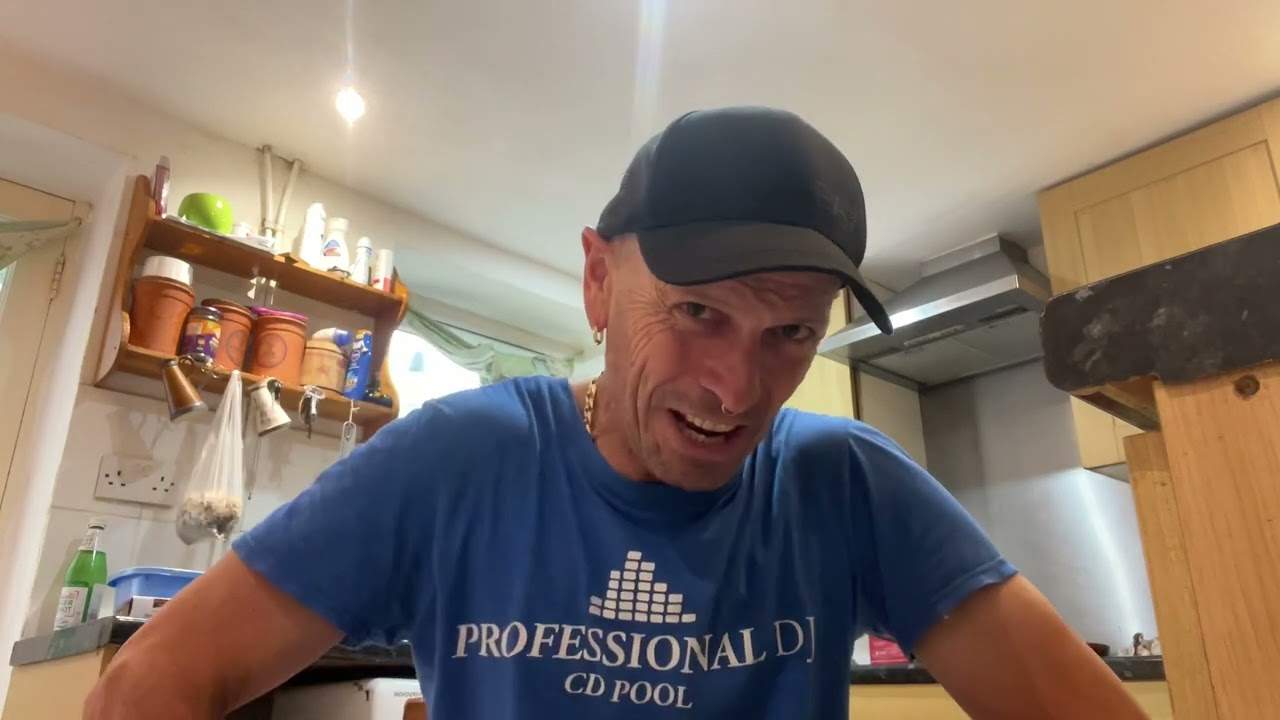
 5:36
What separates a professional from an amateur
On YouTube this video is called What seperats a Pro mobile dj from a non-pro.
What this lesson teaches
Prompted by an email from a DJ in the States asking why there was no video on professionalism - contracts, stating the fee, stating the equipment. This is the answer, and it is the closest thing in the catalogue to business admin.
His own caveat applies throughout and is worth stating plainly: this is one DJ's practical experience, not legal advice, and contract law differs everywhere.
Verbal contracts
Somebody rings, asks to book you, you agree. That is a contract - a verbal one, and in principle binding.
The problem is not whether it exists but whether you could do anything about it. His assessment: taking a cancelled verbal booking to court is probably not worth attempting, because proving the terms is very difficult.
How to make it stick
Two things, and both are easy.
Ask for written confirmation. A letter - or now an email - from the client, dated, with their address, confirming the booking. That turns a conversation into a document.
Take a deposit. Ten per cent, twenty, fifty - the amount matters less than its existence.
What the deposit actually does
His explanation of the mechanics is the useful part, and it cuts both ways.
If they cancel, you have been paid something, and having broken the agreement they are not entitled to it back.
If you cancel, you should return it - and he suggests you may also be expected to make a reasonable effort to find them another DJ. Whether that is a legal duty varies, but as a matter of trade it is what a professional does, and it is what protects your name.
So a deposit is not just money up front. It is the thing that makes the agreement real to both sides.
Always state the fee on the first call
And here is the scenario that explains why.
You turn up. They ask how much. You say 300. They say they are not paying that - because you never told them.
At that point you are standing in somebody's wedding venue with no agreed price and no way to win the argument.
So say the number on the first phone call. Nine times out of ten they will ask anyway; if they do not, say it regardless.
The pricing structure he recommends
A simple mental model, and it is the same shape as the tiered pricing lesson:
Draw a circle around your house. Inside it, one price. Within that circle, a normal finish time - and after that time, more.
Outside the circle, a bit more. Outside the circle and later than normal, more again.
Four prices, derived from two variables, held in your head so you can quote on the phone without hesitating.
Agree the finish time - the trap most DJs fall into
The other half of the same problem, and his worked example is exactly how it goes wrong.
Hello, I'd like to book you, how much? £180. Brilliant, thank you, we'd like to book you, here's the date.
And you hang up without asking how long it runs for.
Now a client who is clever can say on the night: we want you until three, because you said £180 and you did not say until when.
So: ask what time it finishes. If the venue closes at two, ask whether they want music to two. Then you both know, and the fee matches the hours.
Drink, and turning up in a state
His last section, and he is blunt about it.
Walking in smelling of drink, looking drab and dreary - who is going to book you? And a client watching you work through the beers with a bottle beside you at midnight does not read it as character.
Then the claim he will not soften: nobody works well after a lot of drink. As a mobile DJ you have to be on the ball continuously, all night, for several hours - and that is the one thing drink reliably removes.
And the obvious one, which is not about professionalism at all: if you are driving home, do not drink.
The thread running through all of it
Every item on this list - the written confirmation, the deposit, the stated fee, the agreed hours, turning up sober - is a way of removing an argument before it can happen.
That is what professionalism means in this trade. Not polish, but having already settled the things that otherwise get settled at eleven o'clock at night in front of a hundred guests.
Contents of the video
0:00 First of all, having a contract
Alright folks, this video is about professionalism in the DJ industry, most importantly about a mobile DJ. Had an email from a chap in the States, I've watched as many of your videos as I can, however, I still have not seen a video on professionalism, i.e. having a contract, stating what monetary amount you will work for, stating what equipment you will be working with, etc. So, here's the deal. Again... Any more comments, chuck them underneath if you want to chuck your like awe in and maybe say what you think. So that's fine, just carry on. First of all, having a contract. Now we can have written contracts, we can have verbal contracts. Now basically if someone phones you and they say hello I'd like to book your services and you agree, both parties agree over the telephone, that's near enough a contract. It's actually a legal binding contract but it's only known as a verbal contract.
You know, if you go to a court of law and say, oh, someone booked me and all of a sudden like they just didn't want me anymore. Well, I'm afraid it's probably not even worth trying because it's very difficult to prove anything. The only way of actually maybe making that verbal contract become almost a written contract is to ask that specific person who has booked you to send a confirmation in the form of a letter. Make sure it's dated with their address and also which is beneficial for you. A deposit, now the deposit could be 10%, 20%, 50%, it doesn't really matter. But if you get a little bit of money, then at least if they then say, oh we don't want you anymore, you are legally entitled to keep that money and they are not legally entitled to have that money back because they have broken the contract. On the other hand though, if you have had a certain amount of money from them...
1:47 You are legally entitled to give that money back
And all of a sudden you phone them up and say, I'm really sorry, I can't do the disco anymore. Then you are legally entitled to give that money back. And you could possibly, I'm not sure, quote me if I'm wrong, be legally entitled to try and find them another form of entertainment, namely a disco. Okay, stating what monetary amounts you will work for. Now that's very important. If someone books you, you must give them the amount. That's quite important because... Okay, you could turn up at the event and they could say, oh well how much? And you could say, oh well it was 300 quid. And they could actually say, I'm not paying you that. Why aren't you paying me that? Because you didn't tell me how much you were going to charge initially. So always make sure you say on the first phone call the amount. Now nine times out of ten when I have someone phone me up they will actually ask how much.
I will charge them, that's quite important because at the end of the day no one's going to phone me up. Very very rarely they'll phone me up and say we just want you, turn up, I could charge him however much. So that's really silly isn't it? So what you need to do is have in the back of your mind a rough idea of how much you're going to charge. In other words, just think of an area, a circle around your house and think of a price. And then on that circle think maybe of a time scale, a certain amount up to a certain time. And after that certain time, maybe charge a bit more. If someone wants your services out of that circle, then maybe charge a tiny bit more. If they want your services out of that circle and slightly later than you would normally work, then you charge a bit more again. So always have a rough idea of how much you're going to charge. And then we've got one here as well. See how long will you work for? Again, you will emphasise that or they will emphasise that in the initial conversation.
3:34 You will then say, well do you want the music till 2 o'clock?
In other words, they'll say, here we are, we want your services and it's in a pub or it's in a nightclub and the nightclub finishes at 2 o'clock. You will then say, well do you want the music till 2 o'clock? If they say yes, then you know exactly what time you're going to finish. Don't finish the conversation and think, oh my goodness, I didn't ask how long it was going on for because if you have said, in other words, hello, I'd like to book your services, how much do you charge? I charge £180. Oh, that's brilliant. Thank you very much. We'd like to book you. Here's the date, blah, blah. Because you could turn up to that function. Theoretically, they could, if they were clever, say, well, you know, we want you to work till three o'clock because, well, you said £180, it doesn't matter. So make sure you know the time. Again, it's all about professionalism. The other one here is etc. That's what they put.
Okay, number two here. How being a good disc jockey and a nice clean drugs and sober person will advance your career? I think that says exactly what it means. In other words, well, I mean, put it this way. If you're going to walk into a function stinking and smelling of alcohol and smoking cigarettes, alright, people smoke, whatever, it doesn't really matter, I suppose. But if you're just going to look drabby and dreary, then who's going to book you as well? Halfway through the night, if they can see you churning down the beers and a bottle of vodka by the side of you, it doesn't really look that professional. And I don't care what people say, no one can work fantastically after they've had a shed full of beer. Because, especially in the mobile DJ industry, you have got to be like this continually. You've got to be on the ball. Plus the fact, very important, if you're driving home, don't drink.
So I hope that's been a bit of a help. A few little tips and tricks there for you, so like I said, stick any more info underneath, practice and enjoy.
This transcript was produced automatically from the audio of the video and may contain mistakes.
This video is part of
Related videos
-
How to Get a Better Fee for Your Mobile DJ Services
He disclaims it as not financial advice and notes that everything depends on where you are. Taken as a checklist of what justifies a higher…