 14:27
Tease the mix and you tease the crowd
On YouTube this video is called DJ Mixing Tutorial, Tease the Mix and you Tease the crowd
What this lesson teaches
A technique with a name, and the name describes it exactly.
What teasing is
Instead of bringing the next track in once and leaving it, you let the room hear a piece of it first - a bar or two over the top, then gone. Perhaps again a few bars later. Then, eventually, properly.
You are showing them something and taking it away.
Why it works
Because anticipation does the work.
A record that arrives cold has to earn the room's attention from nothing. A record the room has already heard a fragment of arrives as a resolution - they recognise it, they were half expecting it, and the reaction is to something they have been waiting a minute and a half for without quite knowing it.
That is the same mechanism a producer uses inside a track: the breakdown hints at the drop before delivering it. Teasing applies it across two records instead of within one.
How to do it
The mechanics are nothing new - cue the incoming track at a recognisable moment, bring the fader up for a couple of bars on a phrase boundary, and take it away again.
What it needs is a recognisable moment. Teasing with eight bars of generic drums achieves nothing, because there is nothing to recognise. The fragment has to be the hook, the vocal line, the part people know.
Which also means teasing works best with records the room already knows, and is largely wasted on something nobody has heard.
Do not copy him
His own instruction, repeated across the series and stated firmly here: do not follow these videos step by step.
The cake analogy - a bit of this, a bit of that, thrown together, and what comes out is your own style. Follow the steps exactly and, as he puts it, you will end up like him.
Take the mechanism and the reason it works. The specific records, the specific lengths and the specific moments are his, and yours will be different.
Contents of the video
0:01 In this demonstration stroke tutorial, well, no, right, start again
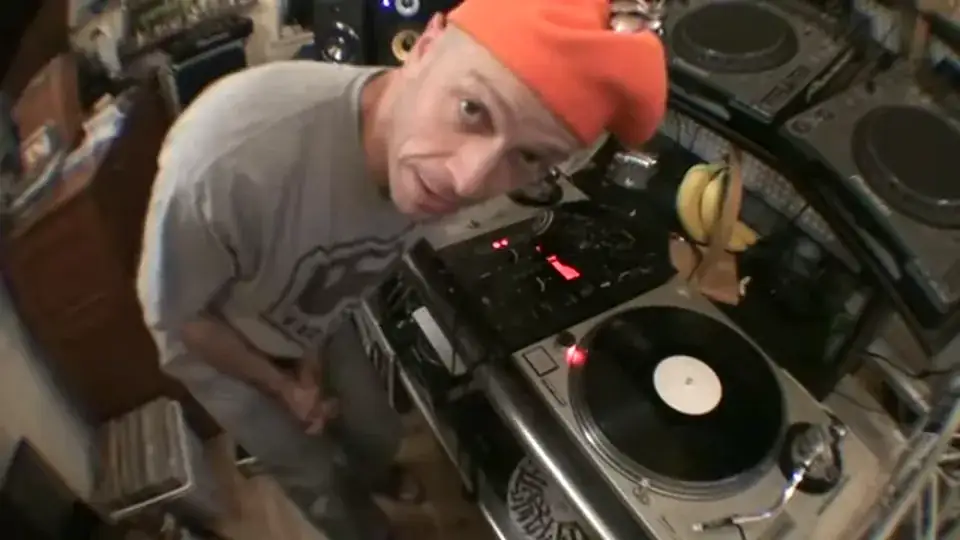
Alright guys, in this demonstration stroke tutorial, well, no, right, start again. I'm going to call this video Tease the Mix. Right, secondly, check out that blood blister, look at that. I bashed my finger yesterday and when I bashed my finger I went, oh dear, that really hurt. My goodness me, that's pain. Oh, excruciating pain. Right, Tease the Mix. Thirdly, the tunes I'm going to be using. I'm on a Van Helden, you don't know me. This one here, which is one of my favourite tunes of all time because you can just do so much with this. Thomas Banglaterre's Spinal Scratch and this one here, which I'm going to call White. White. Anyone knows the precise name of this, please let me know. It's a remix of Donna Summer, I Feel Love.
The whole idea behind this or all my, well most of my, a lot of them, is for the watcher to gain a little bit of insight into how to become a DJ. Now you do not follow these videos step by step and think that's precisely how you do it. You don't do that. If you do that, you'll end up like me. What you do do, though, is maybe take a few tips. It's a bit like making a cake, like I've always said. Bit of ingredients here, bit of this, bit of that, chuck it all together. Bingo! What have you got? Something tastes horrible. No, you've got something that is your own style. Please remember to be you. Very important. Right, so, Tease the Mix, let's have a look. Right, tell you what, we'll start off with this guy here.
Bang in tune.
First of all, we've got that beat going. Now check it out. Right, let's do something a little bit wacky. I'm just listening to the track and going along in 4-4 time and eddy-titty-titty-ting-ing it in. Just watch your titters. Thank you. Right, let's get this one ready.
3:07 Precisely what was going
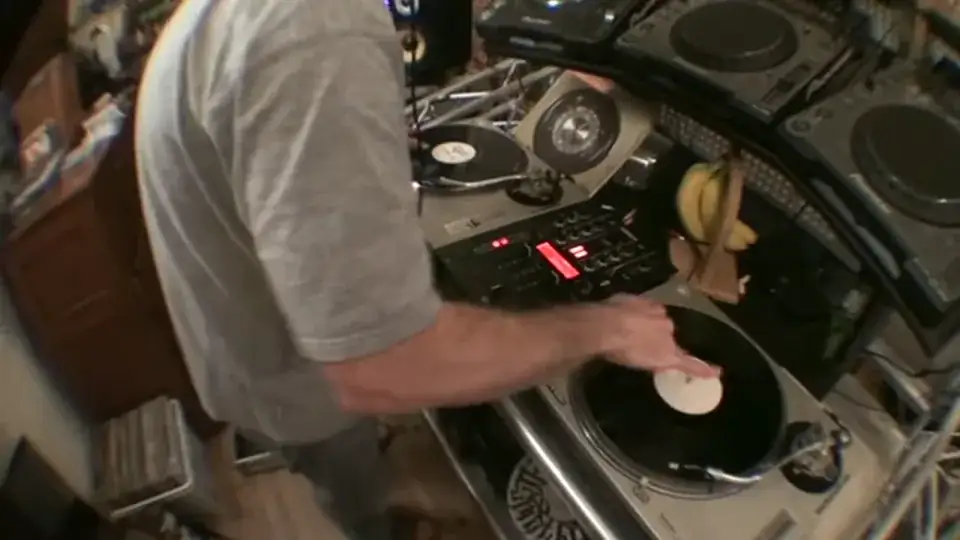
Right, I'm gonna bring it at that point there. It's almost like giving the audience, the crowd, that tiny little bit. We're teasing them. Okay, what was going on there? First of all, let's explain precisely what was going on. That track was playing, and what I was doing, I was teasing the other track in almost as though you're going Come on, Gucci-Gucci. Little bit, little bit, little bit. Come on, little bit, little bit. Sorry. Err, get carried away sometimes. Right, so, tiny little bit over to crossfade. Of course, you can use the up faders if you want to. If you don't have a crossfade, if you imagine, crossfade gone! Oh my god, where's my crossfade gone? There it is. Right, crossfade's gone. Volume's up there. All you gotta do is watch this.
5:10 Switzerland, bass side, link
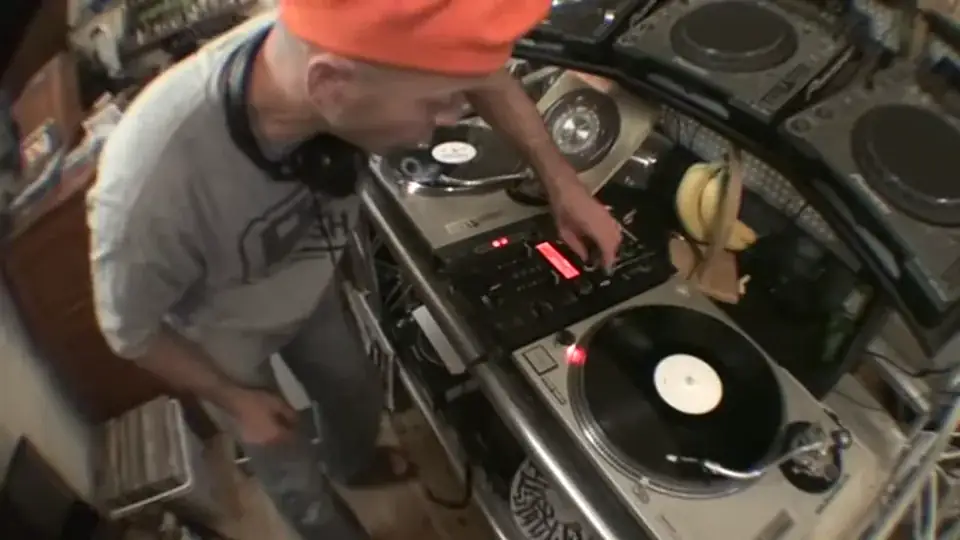
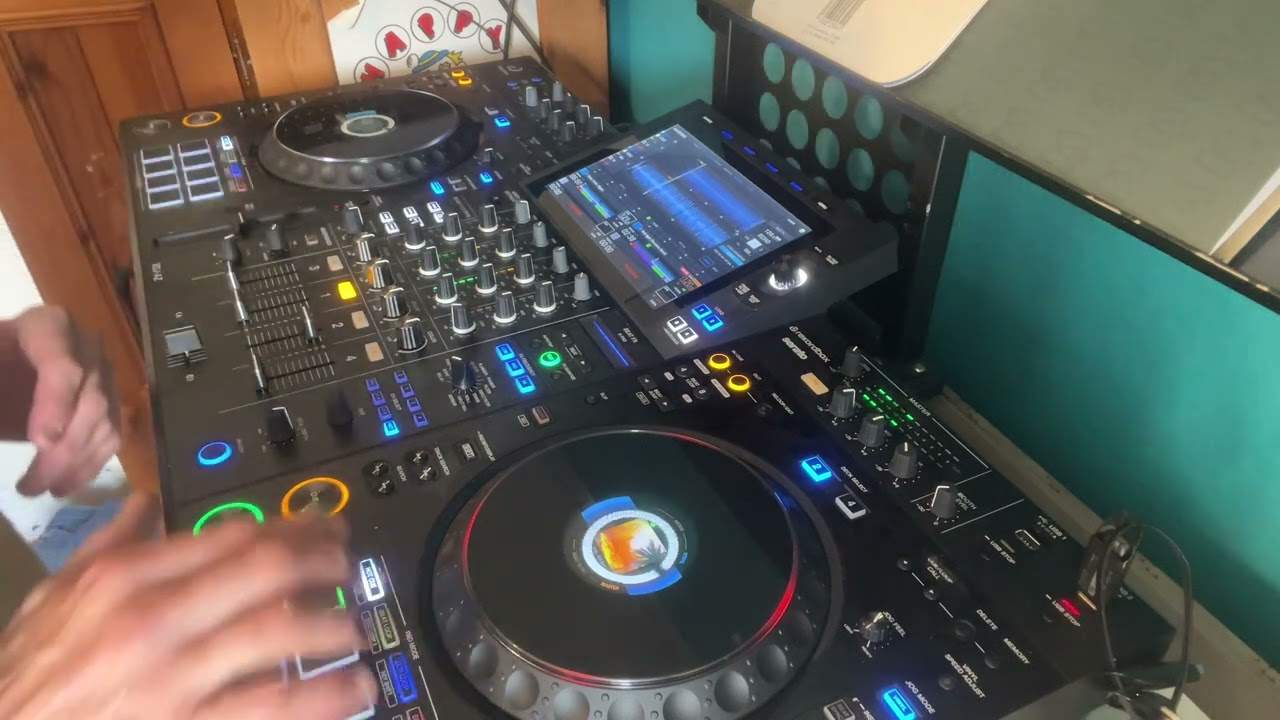
Dump, dump, dump. In other words, what's happening is as you're moving the one volume down, you're moving the other volume up. Because if you move that... You have no sound at all. So of course you need to bring the other one in! So, that one's up. Dump, dump, like that. That's what you're doing. So, teasing it. Also, I don't know if you noticed what I was doing as well. Crossfade over, like that. What I was doing at the same time, I was reducing the bass on this side here. Why? The bass was quite big on this one, and there was only treble on this side to begin with when I started to tease it in. So, to make sure I could hear this side a lot more, I reduced the bass on that side there. So, what's happening is bass coming out on this one, bringing this one in, so we've got more mid-top, mid-top.
So they complement one another a little bit more. So, instead of just doing a slow transition from one to the other, I was just teasing it in. A bit of a trickle now and again. Right. Also, I must explain. If you're from Switzerland... Are you from Switzerland? At the beginning of the month, I will put a link in the description, I'm going to be one of the first tutors, along with a couple of other tutors who are going to be teaching courtesy of the Ministry of Sound course in Switzerland, alright? So I will put a link down there. And I'll be showing you stuff like this one-to-one if you want to be there. If you want to be there, follow the link. If you're in Switzerland or around Switzerland, then go and play a part.
Right. So, let's have a look. We've got... Right, let's say... Right, let's say we've played that one.
6:48 Do you find it difficult beat matching?
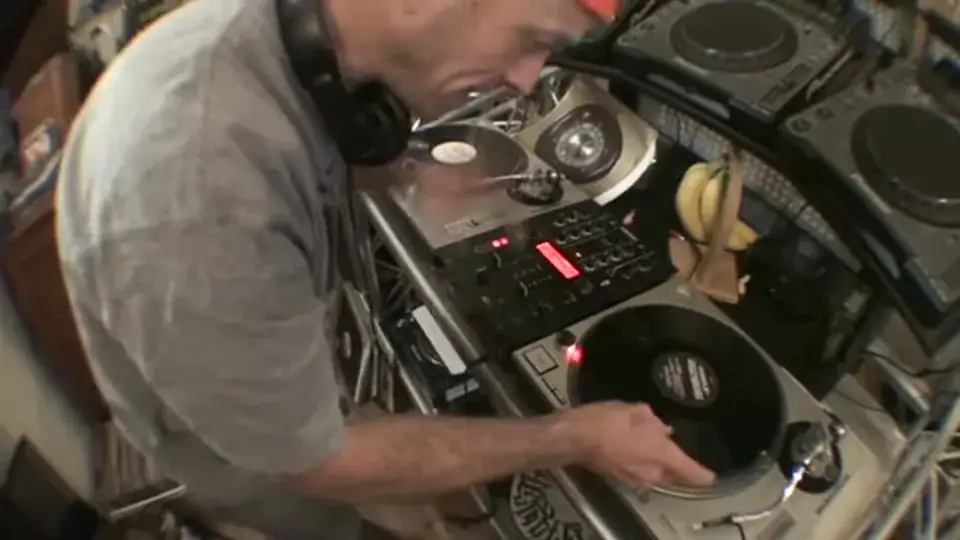
Put this one on. Now here's another tip for you. Do you find it difficult beat matching? If you do, try this. Find a track that's got a lot going on. Then find a track that's just got a beat. And try and mix the track in with the beat with the one that's got a lot going on. What you're doing is you're concentrating more on the track that's got a lot going on. But you're able to familiarise yourself more with just the beat of the one track. There's less going on with the beat of the one track. There's a lot going on with the track that's got a lot going on. Therefore, your subconscious is more likely to be able to concentrate more just on the beat. Very important. Now this one here says it all. It's a beautiful track.
It is... Let's have a look. That side? No. This side is called Spinal Beats. And it's an absolute monster. This is from 1850... No, it's not. It's from 1996. It's on Rule Records. But you know what? It rules! Seriously, check it out. Here we go.
That's the slow version.
So skippy, vibey and it's got it. It's wonderful.
So, what I'm going to do...
I'm going to take it just from there.
So, I'm going to grab that part of the record ready. That is at the count of one in a bar. One, two, three, four.
Not five. One, two, three, four. Alright, yeah. One, two, three, four. Follow me! Stay there. Right, okay. So, we'll play that.
9:05 I'm just going to get the beats synced
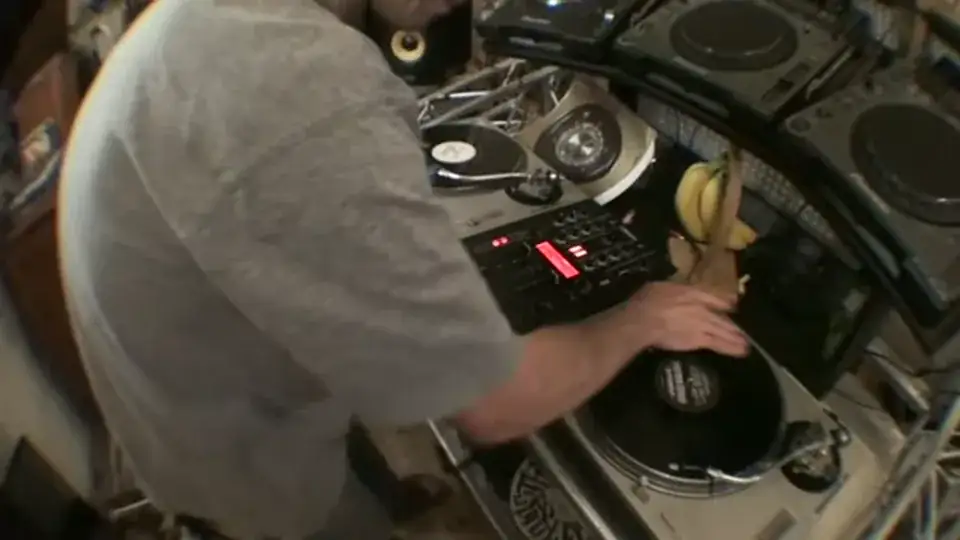
So, I'm just going to get the beats synced. One, two...
In the cross-medium on the one or the three. As in, you know, one, two, three.
How about one, two, three, four? One, two...
12:39 We're teasing the mix
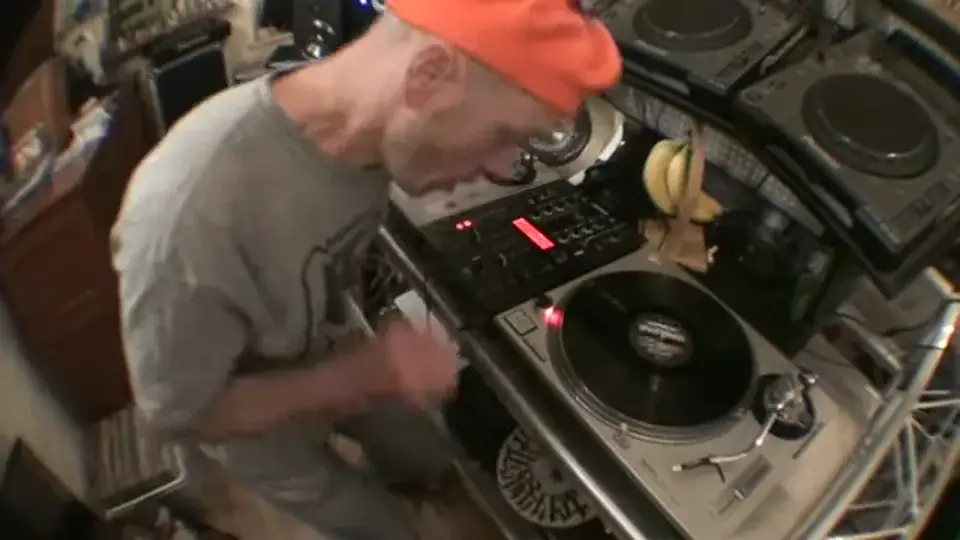
Okay. So what's going on? What's happening? What are we actually doing? We're teasing the mix. We're teasing. We're just giving them a little bit. Come on! But also, if you think about it from the crowd's point of view, you're teasing the crowd as well. Sometimes, a smooth transition sounds wonderful. People love it because they're dancing and all of a sudden they're listening and if they know their tunes, they think, I know that bass line. And they're like, yeah, I'm into this. I'm getting in with this mix. I love it. Fantastic. But sometimes, teasing is the operative word because people like a tiny little preview. It's like watching a movie. There's no point all of a sudden them saying, and now we're going to tease you with the trailer.
And the trailer is about an hour long. You think, I want to be teased. I want to have little snippets. So I'm almost gagging to wait to watch that film. So what's happening is the crowd are listening to tiny bits going, oh yeah, I know that tune! Where's it gone? Here it comes again! It's gone again! What is it, DJ? Come on, DJ! Give me more, more, more! So what you could do is you could tease the crowd for so long that they're going, give me the mix! Give me the tune! And eventually when you do play it, they're going like, oh my goodness! Oh my, oh my goodness! I am so, oh dear. And they need to go and wipe themselves. No.
Oh dear. Listen. All right. All I can say is that it's all about practicing and enjoying. So practice and enjoy. Have a go at that, all right? And have some fun! Thank you. Practice and enjoy. I do.
This transcript was produced automatically from the audio of the video and may contain mistakes.