 7:21
One Bar DJ Loop so You Never Again Miss the Drop
Contents of the video
0:00 Beat grid, someone
All right, ladies and gentlemen, in my last video I talked about how you should definitely 100% not rely on the beat grid. In fact, really what you should be doing, and please thumbs up if you agree, you should be really relying on the one thing and the one thing only given to you at birth, that is your brain. Also, of course, your ears. Now, again, if you're a new DJ and, you know, you just got yourself a controller, you open the box and you plug everything in and you look at the screen on your laptop and you understand how to set sync, etc. And you press play and you've got two tunes running together magically and you add the effects. That's great. But, you know, countries, the world, you know, countries weren't made from having life easy.
They were made from effing hard work. So get back to basics, learn the hard way and then in the future, you know, do it the easy way. Because, for example, let's say you are a great DJ at what you do and all of a sudden someone books you to work in a nightclub and you've got to use sync and you've got to look at the beat grid. There's going to be a lot of people looking at you knowing what you do. Admittedly, there will be a lot of the public who couldn't give a monkeys and probably just want to. Meet someone, bonk the ass off and get pissed. But you need to learn the basics. All right. Now, in this demonstration here again, I'm not going to use or I'm going to play the music, but talk over it just for, you know, so I don't get any copyright issues.
But do you ever have that issue with any any sort of music really where, you know, you just miss the cue point? You just miss that second to bring it in. Now, I've talked about this before. The reason I'm doing this again is because someone. Email me and I've forgotten the video. So this is for you. They want to they want to remain nameless. All right. So play this track here.
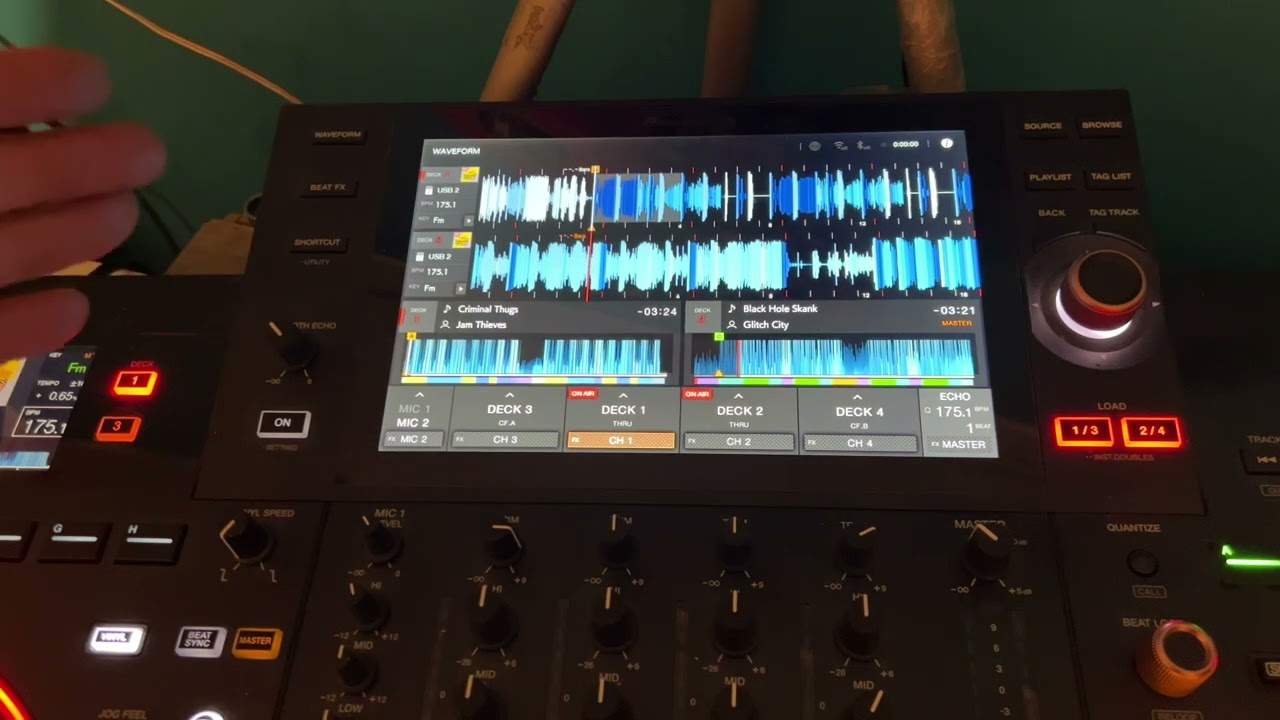
2:12 This is Black Hole Shank Glitch City
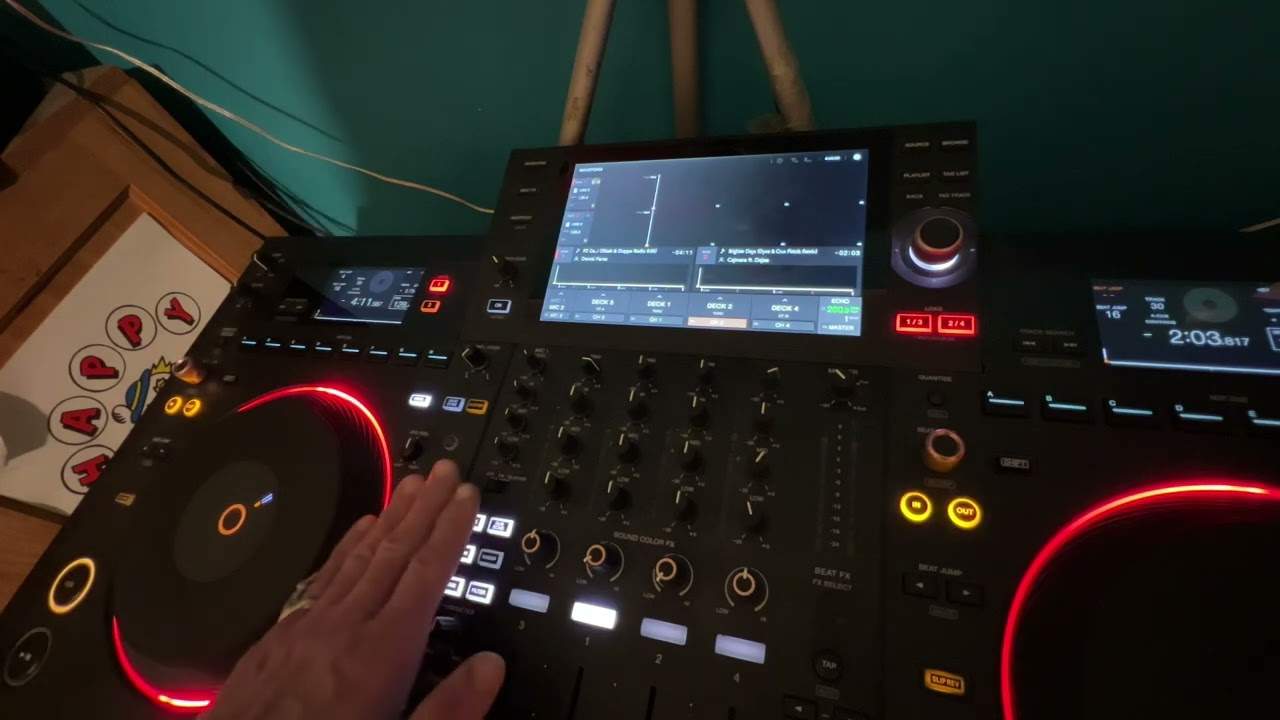
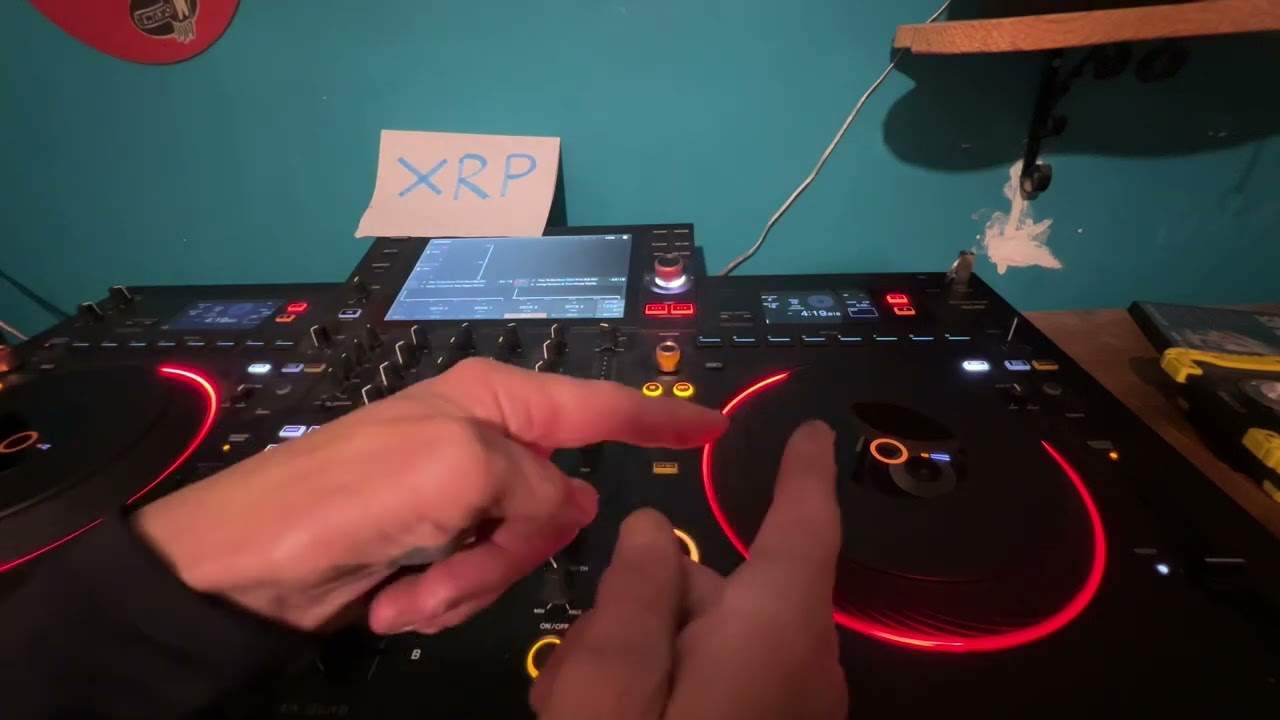
Let's just pause it there. This is Black Hole Shank Glitch City. So pause it there. Now, on the other side, I'm just going to do a one bar loop a little bit better. OK, so now again, bear with me here because this is a demonstration. And it might be off slightly. All right, so I know I'm going to do it anyway. All right. So let's play this track here. OK, so this is playing now in the background and you're not sure where to bring the next one in because you don't know where the next phrase is. Now, of course, you should know, because guess what? You're going to look at the way format and we can see that just there. There. There is our break. And then we go into a new phrase now again, I'm just going to pause that there.
Now what I'm about to explain is basic logic. If you imagine on the side that's playing, you're counting one, two, three, four, one, two, three, four, one, two, three, four and so on. Now, of course, drum and bass is very formatted. What you'll find is most, if not every single twelve, twelve inch version of a drum and bass tune. The phrases are formatted into sixteen groups of sixteen bars, whether it be a break, whatever. Sixteen bars. Now, if you think about it, let's imagine that you have the other side ready, but you're a bit hesitant on when to bring it in and maybe you might miss your cue. Maybe, you know, it's just coming towards the drop and you misjudge and you forget. All right. Using this technique.
4:56 You don't want to start it on the two, three or four
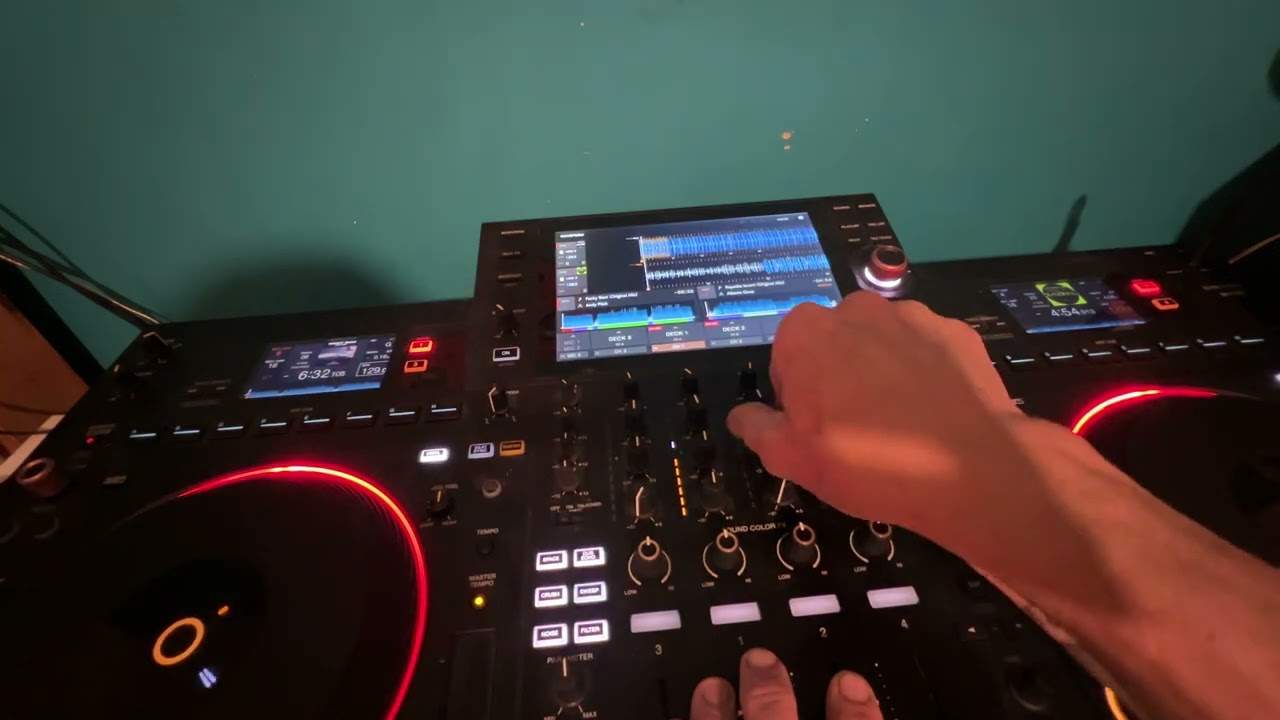
Theoretically, you should never, ever, ever forget because all you have to do we go back a bit more. All you got to do is start your loop on the count of one anywhere in the bar or the phrase, sorry, anywhere at all, not the bar, the phrase. So, for example, you could start your one bar loop on the seventh bar, the eleventh bar, the fifteenth bar, the first one, the second, the third. It doesn't matter. But the important part is you start it at the count of one on the other track. That's the only important bit. You don't want to start it on the two, three or four. You need to start it on the one. I'm going to put my headphones on here and if we press play and I'll talk while I'm doing it. Three, four, one, two, three, four, one, two, three, four, one, two, three.
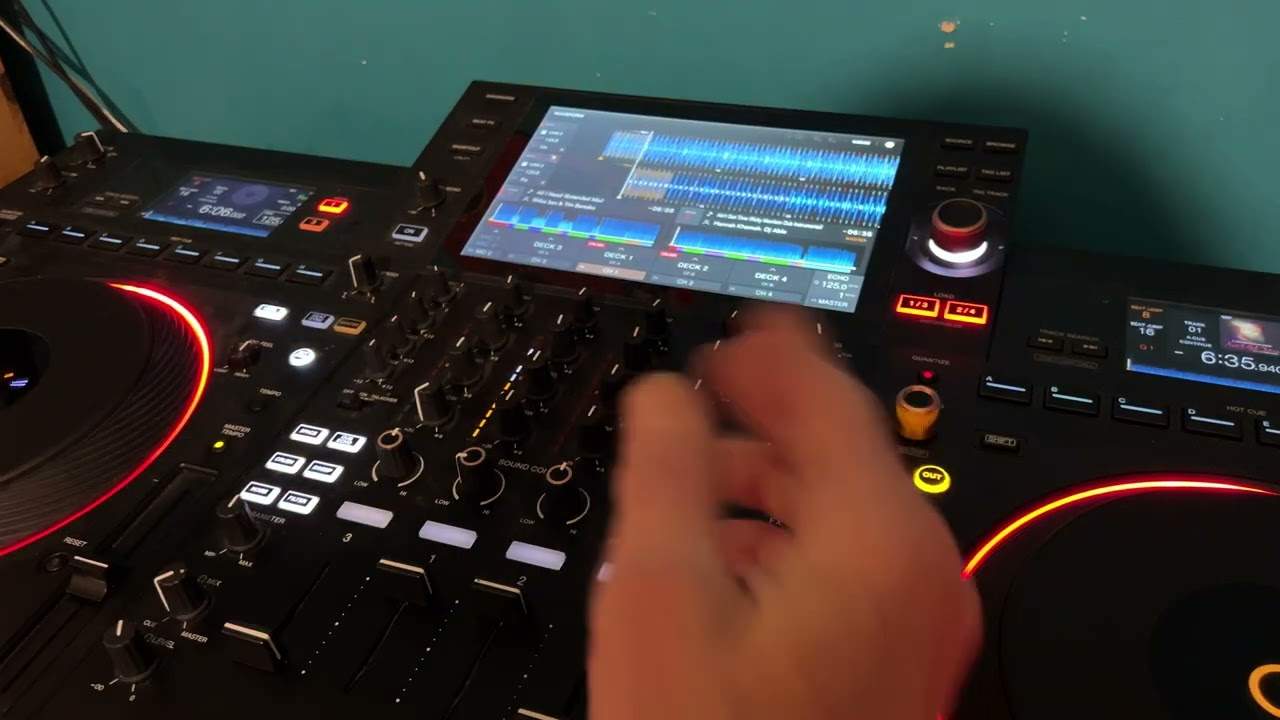
Hold on. I need to start. I pressed play and I should have pressed. The cue point that is just at a camera. So I'll do that again. Can we go back a bit? Three, four. There you go. So I pressed it. So we're coming to our break and then the next track comes in. OK, so that's the first bit. Of course, it's it isn't important where you bring that loop in so long as you bring it in on the count of one. That is important. The next important bit, of course, because it's only a one bar loop, a one bar loop, you need to make sure you come out of that one bar loop as soon as it plays, because if you let that one bar loop play for two bars, then you're always going to be out by one bar. So that's the bit that I suppose very important with doing something like this.
So again, just to reiterate, you can start your one bar loop anywhere so long as it's on the count of one in a bar with the other track that's playing. As soon as the break comes in, the drop wherever you want to bring it in at the end beginning of a phrase, because don't forget with drum and bass like with any kind of dance genre, as soon as one phrase finishes, unless the track itself has stopped, the other phrase will start straight away, not one beat later, exactly on the same beat, one finishes, one starts. So as soon as you start your one bar loop, get out of it, press eject out, jump, run and then let it play. And they'll be in time. All right. Hope that's a help. Don't forget. Send us a comment. Let me know what you think.
Thanks for watching. Practice and enjoy.
This transcript was produced automatically from the audio of the video and may contain mistakes.