 3:19
Three ways to connect speakers
On YouTube this video is called 3 ways of conecting your speakers, MR/ MRS DJ.
What this lesson teaches
Made in answer to a viewer's question, and the criterion he judges them by is the right one: not sound quality, but survival.
Jack
A quarter-inch jack plug into a jack socket. The tip is positive, the sleeve negative.
Two problems.
Anybody can pull it out. There is no latch. A foot on a cable, a table moved, a guest gathering up what they think is rubbish - and a channel dies.
The contact wears. The socket's positive terminal is a spring, and springs relax. Over years of use the grip weakens and the connection becomes intermittent, which is far more annoying to diagnose than a connection that has simply failed.
Acceptable for a bedroom. Not for a room with people in it.
XLR
Three pins, male one end, female the other, and - the important part - a latch. Push it home and it clicks; to remove it you press the tab at the top.
His assessment: more idiot-proof. Some monkey pulls on it and, properly seated, nothing happens.
Also worth knowing from the large-PA lesson, and worth keeping separate from this one: on the signal side - mixer out to amplifier in - XLR carries a balanced connection, which is why it is the connector of choice for long runs. That is a different job from the speaker leg discussed here, where the same shape of connector is doing nothing but carrying power to a cabinet.
Speakon
The most secure of the three, and the one he recommends.
Look at the plug and you will see a large lug and a small one protruding from the circular body, matching a large hole and a small hole in the socket. It can only go in one way. Push it in, twist, and it clicks.
To remove it you pull the collar back and twist. His verdict is that 99 per cent of the people on this planet would not have the faintest idea how, and that is the feature. A connector that cannot be removed by accident, or by somebody being helpful, is worth its price difference several times over.
And the rest
He mentions two others in passing.
Bare wire into binding posts - two terminals and two conductors. Cheap, fiddly, and a short circuit waiting to happen if a strand escapes.
Multipin connectors, often seven-pin, used on large professional cabinets where several drivers are fed from one cable. Not something a mobile DJ meets, but worth recognising on a hire inventory.
The practical conclusion
If you are buying cabinets, buy Speakon. If you own cabinets with jack sockets, treat every jack as a cable waiting to be kicked out, and route them where feet are not.
Most of what goes wrong in a live rig is mechanical, not electrical. The connector is where it goes wrong.
Contents of the video
0:00 You've got these guys here which are known as jack inputs
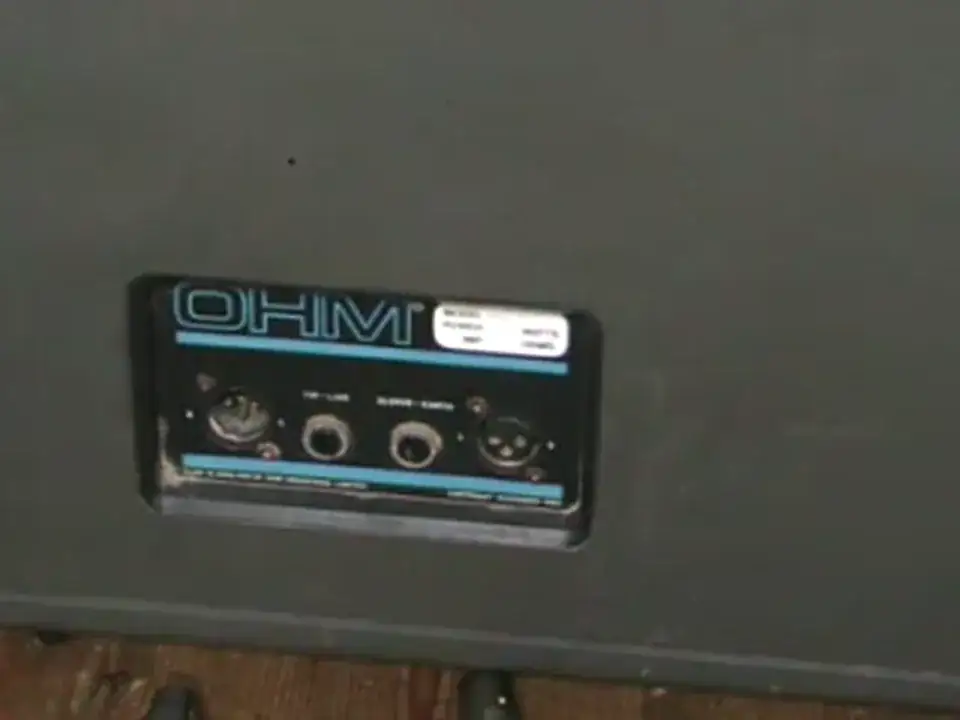
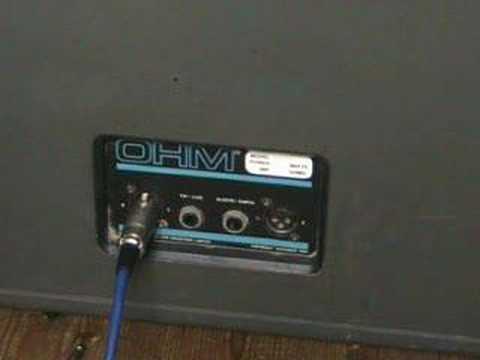
Folks, this is a video going out to Ender Shee, I think that's how you spell it. And they've asked me to do a bit of a tutorial here or a bit of a description on different types of connections for speakers. Right, now then, you've got these guys here which are known as jack inputs. These are XLR and then on the other speaker you can see these guys here which are known as speak-on. Now first of all... If we look at the jack inputs, there's a jack plug and that fits into there like so. Now then, these aren't really a good idea simply because any idiot can come along and just pull those out like that. Also, over a period of time, what happens, you've got here the negative terminal, the tip is the positive.
Positive terminal here is spring mounted in the actual speaker and what happens, like I said, over a period of time, that may wear away and you won't get a good connection. Now then the other style is your XLR which is here and here. This is male. And this is female, of course that will fit in like so. Now you wouldn't do this because I'm just basically looping here because the actual cable is a complete cable so you wouldn't do that normally. You'd fit into there and that would go into the back of the amplifier or alternatively you'd fit that in there. And that would go into the back of the amplifier. Now these are a little bit better simply because once it's fitted in, it's a little bit more what I call idiot-proof. In other words, some monkey comes along and tries to pull that out, oops dear, when it's in properly, some monkey comes to try and pull that out and theoretically they shouldn't be able to because it's locked. So you have to press the little thing at the top there to release it.
1:52 The best to get are known as the speak-on connectors
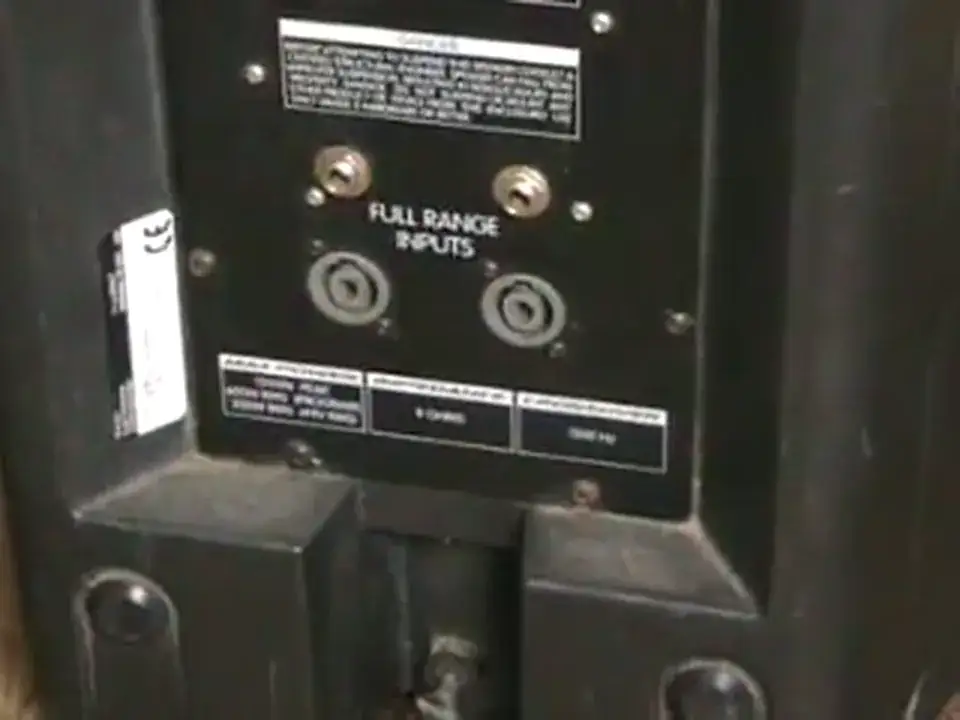
Now then, the best to get are known as the speak-on connectors. There are other types of connectors where you just have the two wires and also you have seven pin connectors which is quite often they're used in the big pro audio cabs but there's no point going into those really at the moment. Now this is a speak-on connector here. Now basically what you do on the top of the speak-on you will actually see A big piece of plastic poking out, protruding from the circular point and a smaller piece. Now if you look here you can see a big hole and a little hole at the bottom. So what you do is you fit that in like that and then what you have to do you have to twist like so and you can hear it click. Now these things are like these because basically
They are completely, totally and utterly idiot proof. In other words, in 99 points sent to the people living on this planet wouldn't have the foggiest how to pull that out. So what you have to do is pull and twist. There are other styles of these, I haven't got them around at the moment, whereby they've just changed it very slightly. But the Speakon in my mind... Thank you for watching, practice and enjoy.
This transcript was produced automatically from the audio of the video and may contain mistakes.