 6:08
A bass Transition Tutorial BY Ellaskins the DJ Tutor
Contents of the video
0:00 Let's do a bass transition
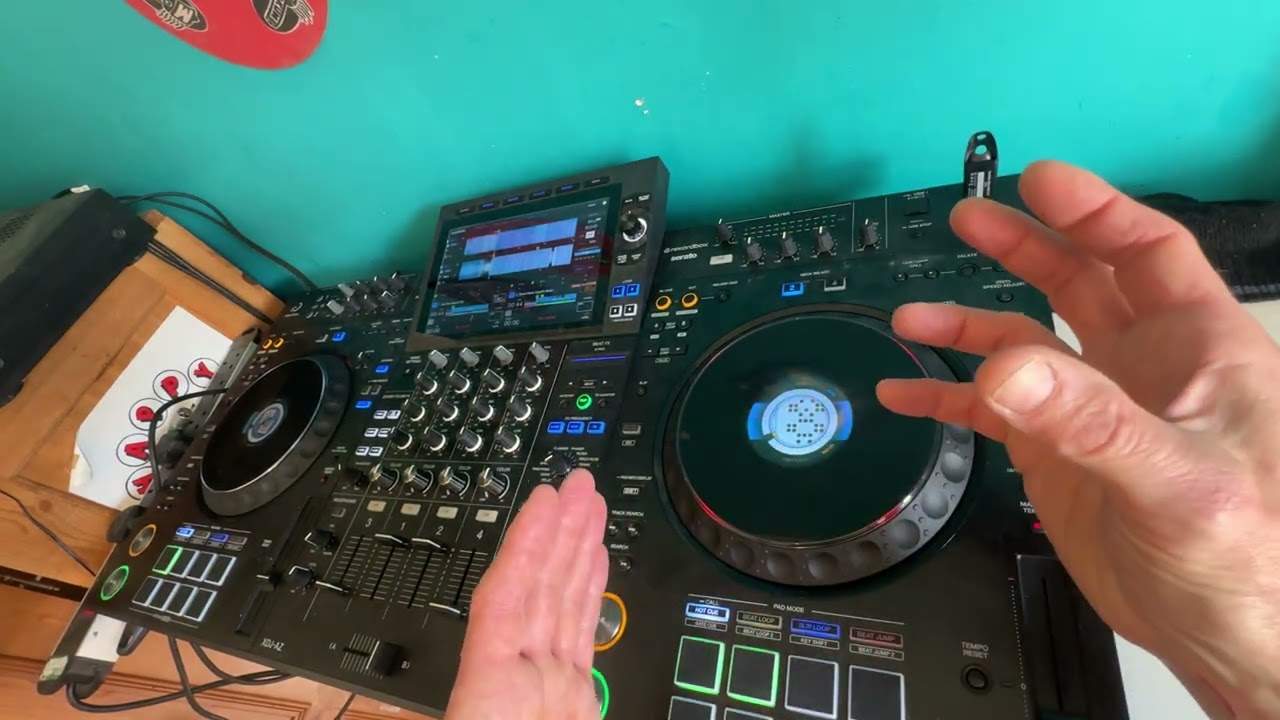
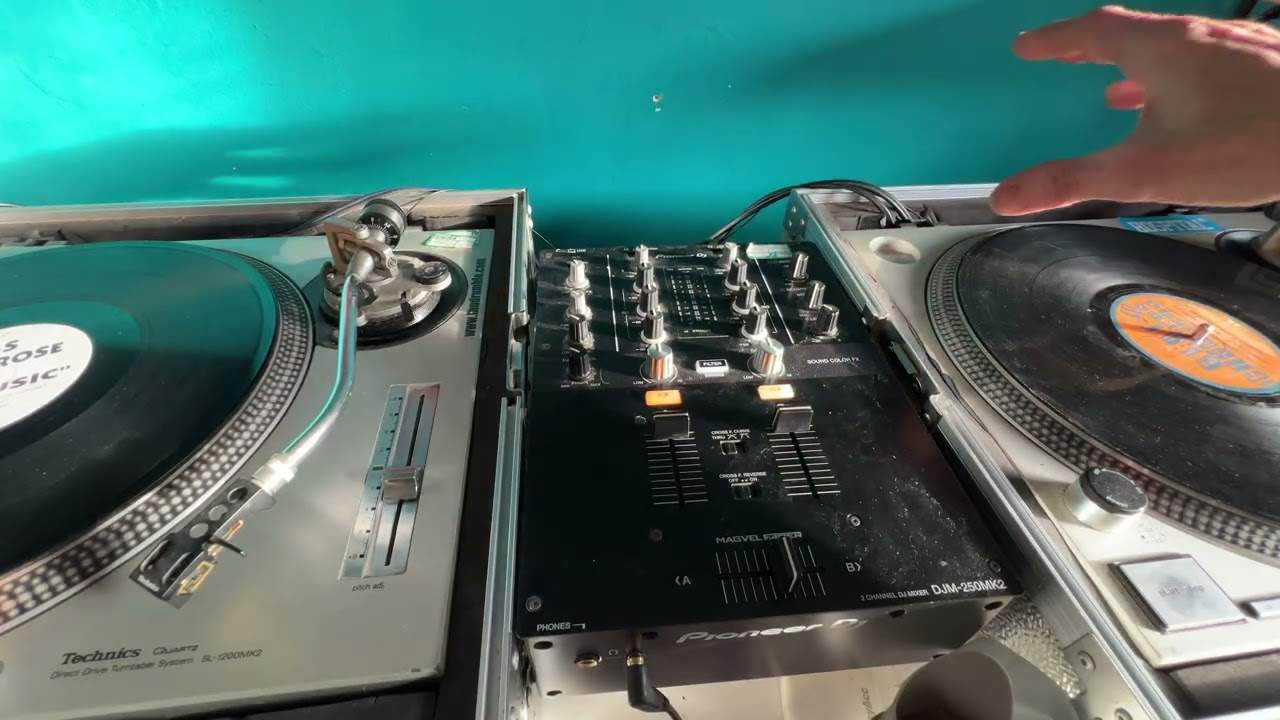
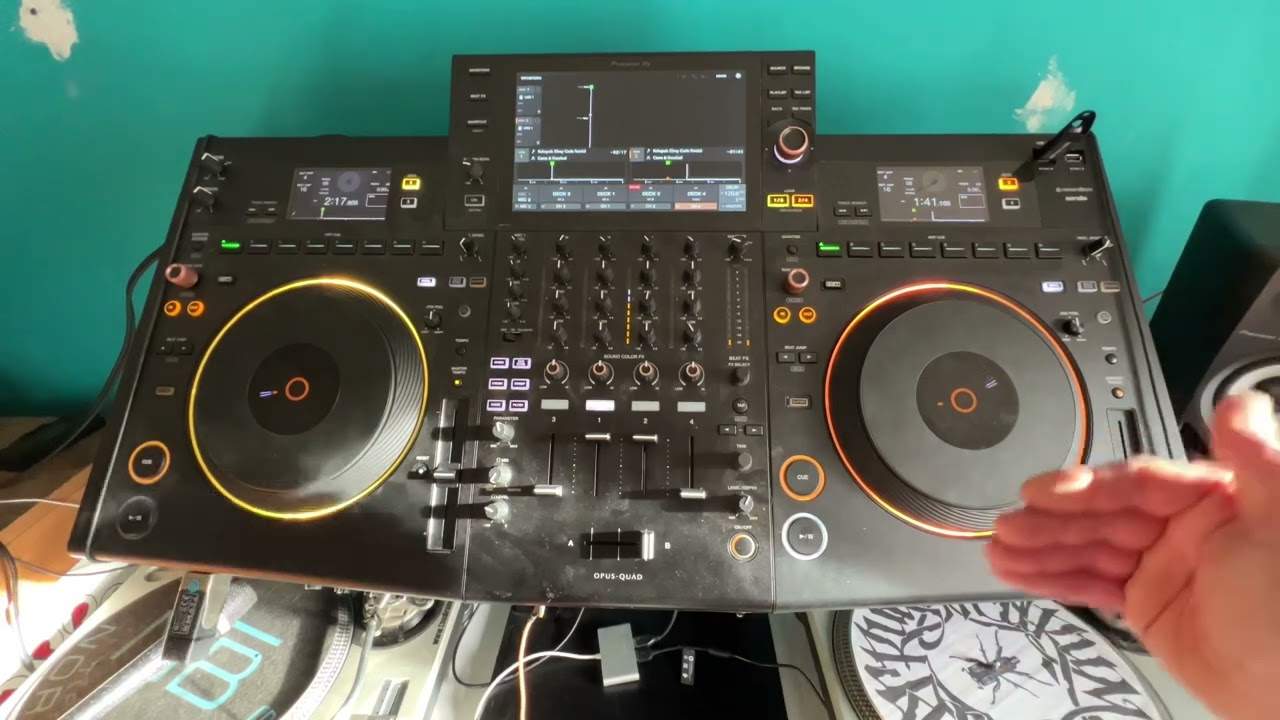
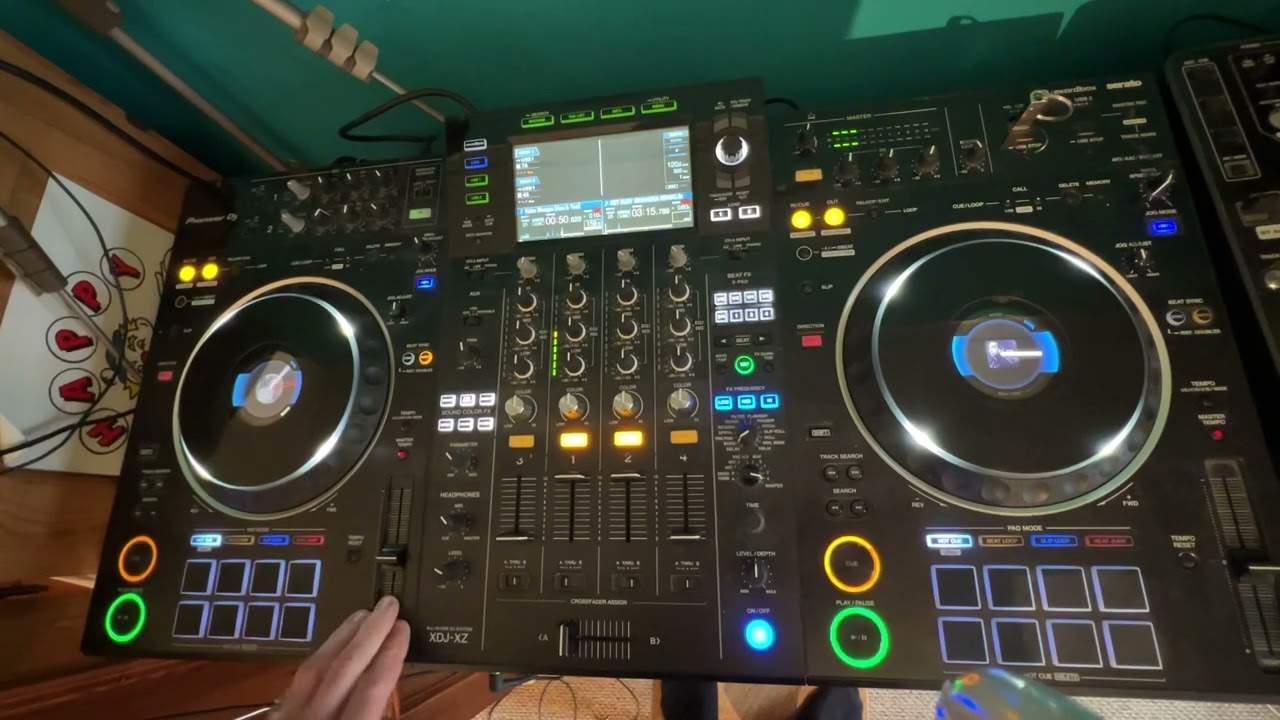
Right, let's do a bass transition. Bass, low. Low frequency, the bass frequency, the bass dial, the low dial on your DJ mixer. Pretty much 99% of the time it will be the first dial above the up-fader. In this case it is there. Now you may think, well it's not the first one. Well we do have FX dials there. So really it is the first dial that is part of the EQ, which is low, sometimes known as bass, mid and high, sometimes known as treble. So the tune I'm using is by Mr Lenny Fontana featuring Shirley, sorry, and Shirley Lights, a track entitled Fire. Now what I'm going to do here, let's play the track first and count how many bars we've got before we get that bass line in. So one, one, two, three.
2:05 All I'm going to do, I'm going to start the track on the left
Two, three, four, five, seven, eleven, twelve, thirteen, fourteen, fifteen, and there's that bass line. Okay, so right, so what I'm going to do is I'm going to start that side from the beginning again, and then as soon as I get that bass line starting. I'm going to start the same track on the other side at the same speed. Why? This is a great way of practicing bass transitions because 99% of the time there should be no key change in the track at all. If you're using the same track, it is a lot easier because the structure of the track is the same. And also if you make sure that the speed of the track on both sides is identical. You kind of get the idea. Now I'll go wrong. Well, you can, but all you've really got to do is when you start the track on the other side that you will listen to through your headphones first.
You've just got to maybe use the jog wheel to get it perfectly in beat. Once you've got it in beat, then the rest is all about timing. So all I'm going to do, I'm going to start the track on the left. I'm going to turn the bass down completely on the right hand side and to turn the bass down. All you do is turn the low frequency. Also known as the bass down to seven o'clock. Seven o'clock is the off position and believe it or not, five o'clock is full on. If you turn it to five, you're going to have too much bass. It's going to overpower the whole mix and it's going to sound shit. So keep it at seven o'clock. And then as soon as I get the bass coming in on the right hand side, I'm going to do a quick switch over.
All right. Now this is really one of those mixes that is in time, in phrase, in key. And it's it's it's almost. It's like a machine. You know, it's like cogs working together. The cogs all of a sudden don't decide, well, I'm just going to go here, here or here. If the two cogs on two wheels are perfectly aligned, they're just going to carry on turning exactly the same speed and those little teeth are going to hit each other exactly at the same time, which is what's going to happen here. So just to go over what I'm going to do again, start the left hand side weight for 16 bars. Start the right. Hand side that will give me 16 bars to get ready. I'm going to slowly bring the track in and then as soon as I get to the end or the 16th bar on the right hand side, that's what I'm going to do my change using the bass.
4:04 I don't want it higher or lower
Now, if I'm very careful and I'm very subtle, you should not be able to hear any kind of transition at all. You should maybe you might hear a little bit of phasing. That's when the two tracks are overlapping each other. And one is canceling the other out. But apart from that, you should hear zip except a smooth mix or we hope so right off we go. Here we go. Got my headphones on. I'm making sure as well that the sound I hear through my monitor ear is the equivalent of an audible level to this year that I'm listening via the speaker over there. OK, I don't want it higher or lower. I want it a nice equilibrium. Exactly. It's the same too high that side, too low that side isn't good enough. Here we go. Making sure it's in time.
Got it halfway up, slowly bringing it up, getting ready for my transition. Both hands on the bass. Here we go. There we go. That's it. All right. Practice makes perfect. Practice and enjoy. And if you're into disco vibe, can't go wrong. Check it out. Get the old school flavors here. Thank you, practice and enjoy. That's what it's about. Practice, practice.
This transcript was produced automatically from the audio of the video and may contain mistakes.