 16:03
Drum and bass Mixing Demonstration Tutorial Having Fun as a Beginner
Contents of the video
0:01 Got a few D&B tunes here from Hospital Records
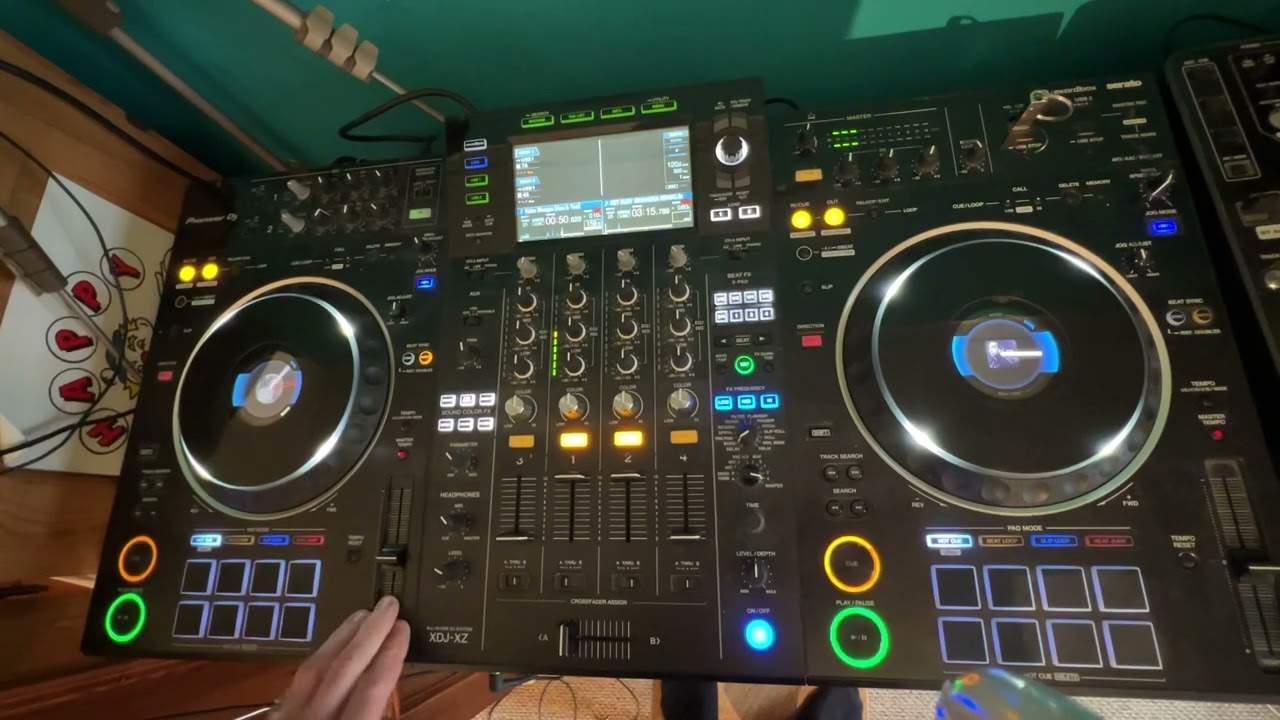
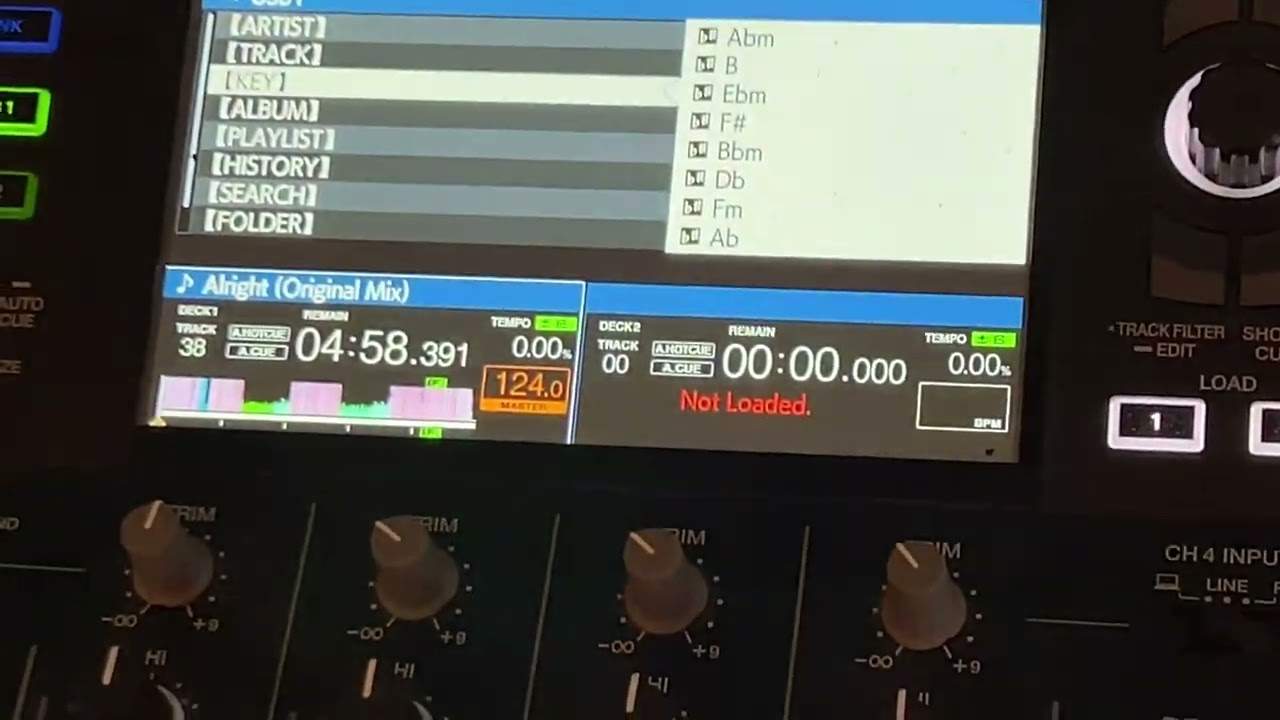
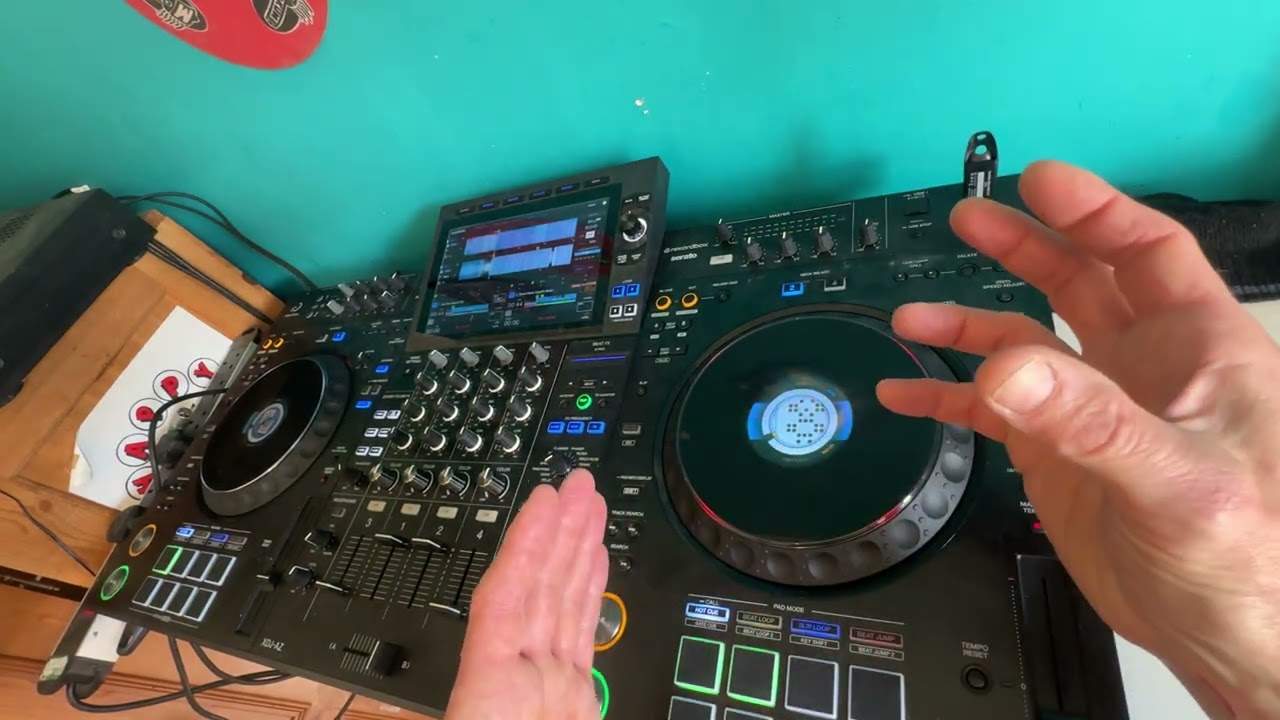
Right, ladies and gentlemen, got a few D&B tunes here from Hospital Records. I will put information in the description. And I'm using the XDJA-Z. On the right hand side, the BPM is 90 BPM. On the left hand side, the BPM is 180 BPM. Now this video is targeted really for the complete beginner. So first of all, you may be thinking, well, hold on a minute, 90 BPM, 180 BPM. One's going to be a lot slower than the other. Well, no, because quite often what does happen is the software can't recognize the BPM correctly. So there could be a discrepancy in the numbers that you see. Now if you think about it, what is 90 and 90? Well, 9 and 9 is 18. 90 and 90 is 180. So technically they are the same BPM. It's just because the readout
Is showing a different number. So if you do see that, if you see, for example, 45 and 90, don't panic because it's exactly the same scenario. All that's happened is the software has recognized or it's interpreted the beat in half time or on the other side, double time. Now, the other thing I'd like you to notice, I'm just going to go a little bit closer. Just zoom in with the wave format. Can you see there seems to be a similar line down here. Now that's because drum and bass, a lot of it is formatted in 16 bars break, 16 bars break. So it's constructed very similar or all drum and bass tunes. Most of them are made in a very similar kind of way. 16 bars break, 16 bars break and so on. So we've got the same here. Now let's just have a quick listen to the right track, which is Ghetto Blaster by Cantific. It's the Cantific remix.
Nice sort of dark tune, but at the same time, quite uplifting like that one. And then this one on the left, which is Hoax Rework of Jack.
2:24 Again, this video is for the complete as a beginner
Okay, again, this video is for the complete as a beginner. So really what I'm doing is I'm just going to go over a few bits and pieces here. Not really some kind of full on demonstration, just a bit of a tutorial. So let's start them both at the same time. We've got a nice build here. Okay, messing around there a little bit. All right, so what I did I set a cue point at the beginning of the next phrase. So if we go back to that, it probably was slightly off if I'll be honest with you. Yeah. I don't know if you can see here but that's where my original q point was And that's where the actual beat starts. Yeah, okay. So again, I'm not a machine. Um, so what I was doing there, I was just setting the Q point at the beginning of the phrase there.
4:26 Bars change, sound sound, practicing cutting
And what I was doing there? in time with the other track i was bringing that cue point back in now again what we can do here we can cut from one to the other again like i said before this is a demonstration also a tutorial for beginners because this is a good way of practicing cutting from one track to the other so we could do a similar thing with the other side so if i just zoom out and let's just go back to the other side now and set another cue point beginning of the drop okay i'm just going to let this play a minute hopefully you'll see why that's what i was looking for that slight subtle change in the phrase now let's have a listen okay so what i'm going to do i'm going to play the left hand side and then i'm going to bring in the right hand side just to lift
A part of the phrase the bar so it's not how can i put it it's not staying at a constant it's almost as though we're playing one part which is quite low and then we're lifting it up
So you've got a kind of a straightforward part here hold on have a listen
Can you see there where it changes that's what i could bring in here
There again i'm just actually experimenting myself and this is again this is such a good way of practicing is just cutting up a track making it your own getting used to the track getting used to the format how it's going to sound how it's going to sound how it's going to sound how track starts finishes what it's like in the middle because you see with drum and bass you've always got that 16 bars change 16 bars change unless of course sometimes it's the shorter version say it's a radio version then you may find it's only eight bars and a change but just because you've got 16 bars and you play that and then you go to the next 16 bars and you play that i mean that's all well and good that's how the track's made but again with modern day technology you can cut it up and you
8:28 Three four, four three
Can almost make it your own as i'm doing here so for example it is so much fun really is so much fun also what we can do is let's have a look let's go back to the beginning of the track again something i sort of thought of earlier on which is play this and what i'm going to do i'm going to let this track play and if i started them both at the same time we'd have the drop at the same time but what i want to do is bring this one in sort of halfway through the phrase of the other one and again i'm just experimenting let's have a go now again with counting we can count like this one two three four or one two three four one two three four one two three four one two three four one two three one two three four there so what i've
Done now i've almost extended the beginning of the track five four three two and straight in bit in the red there i don't want to try don't really want to go into the red okay the other thing i'd like to show you as well is let's say for example you do have for example a three and a half minute track and you want to extend it well all you've got to do is the loops very simple so let's go forward a bit and again bearing in mind something like this you'd be of course doing on your headphones or in the software prior to playing the track okay so i just set a loop there
Right that may be slightly off because i haven't got i don't think i've got quantized on if you're not familiar with quantize basically that's part of the software that eliminates the human error so in other words if you're a fraction of a second pressing the out button too late or too early it will snap it in time for you so what I did there is I started the track at the beginning where I wanted let's say the loop to start and then when I wanted the loop to finish I press the out button and then of course that will give me a loop I then put that into a hot cue which is now orange so that's given me my loop now again I could make a loop anywhere wherever I wanted so if I press play there we can yeah it's definitely quantize is
Definitely not on because you can hear that again we could press the beat loop anyway but sometimes well actually personally I think it's always a good idea to do things yourself try not to rely too much on the software so again okay so like I said about two or three minutes ago you've got a three and a half minute track and you want to extend it to make it into a 12 inch so if you imagine old-school seven inch single radio three and a half minutes you want it to a twelve inch which is like five six seven minutes ten and a half if you're looking at Gary Bird in the crown yeah I think it's at least that something like that then what you can do is you just play your loops let them play two times if it's an eight bar loop
13:22 Ghetto blaster, drop
Or four times if it's a four well actually eight times if it's a four bar loop and you can extend it you can even extend it if you like a certain part of the track you don't it doesn't have to be 16 it could be 32 so you can make it your own again with cue points you don't have to have the track play from beginning to end with cue points you can start it in the middle you can skip to the beginning and from the beginning you can go four bars till the end play a loop go back to the beginning just use your cue points in other words what I'm trying to say is you can make it your own all right so let's just finish off with let's go back to the beginning of this and let's skip forward towards the end now it's pretty obvious that we can
From what we can see here this is the drop there's the drop so if we look at and we go back to the beginning of the track the end of the track on the left hand side the jack tune and ghetto blaster on the right hand side we can pretty much see that at that position there when the jack track finishes ghetto blaster will start at the drop so we can do that no problem go back a bit bearing in mind as well I don't have any headphones so nice
Again bit of a tutorial mainly really a demo but this video in a way is hopefully going to inspire you to realize you don't have to follow every other DJ try and make it your own again thank you big fat shout and thank you to hospital records for letting me use your tunes I will put info on these two tracks in the description thank you and practice and enjoy
This transcript was produced automatically from the audio of the video and may contain mistakes.