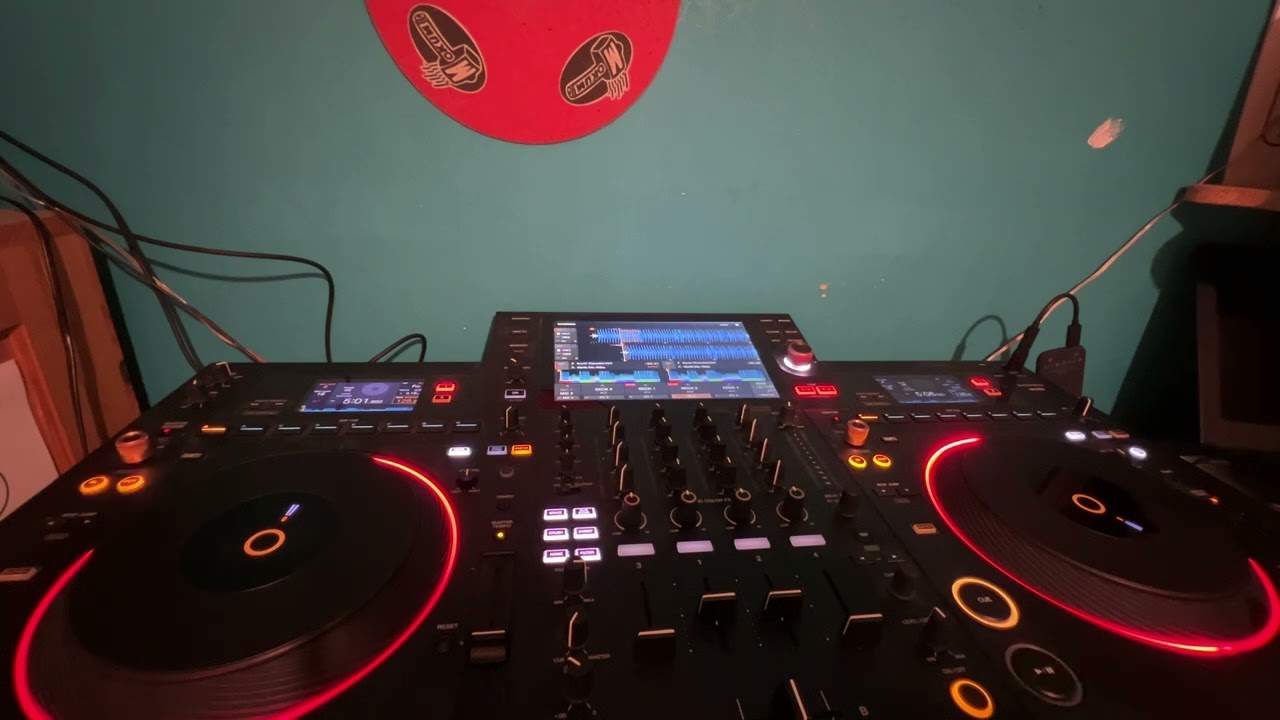
2:40
A trick on a CD deck
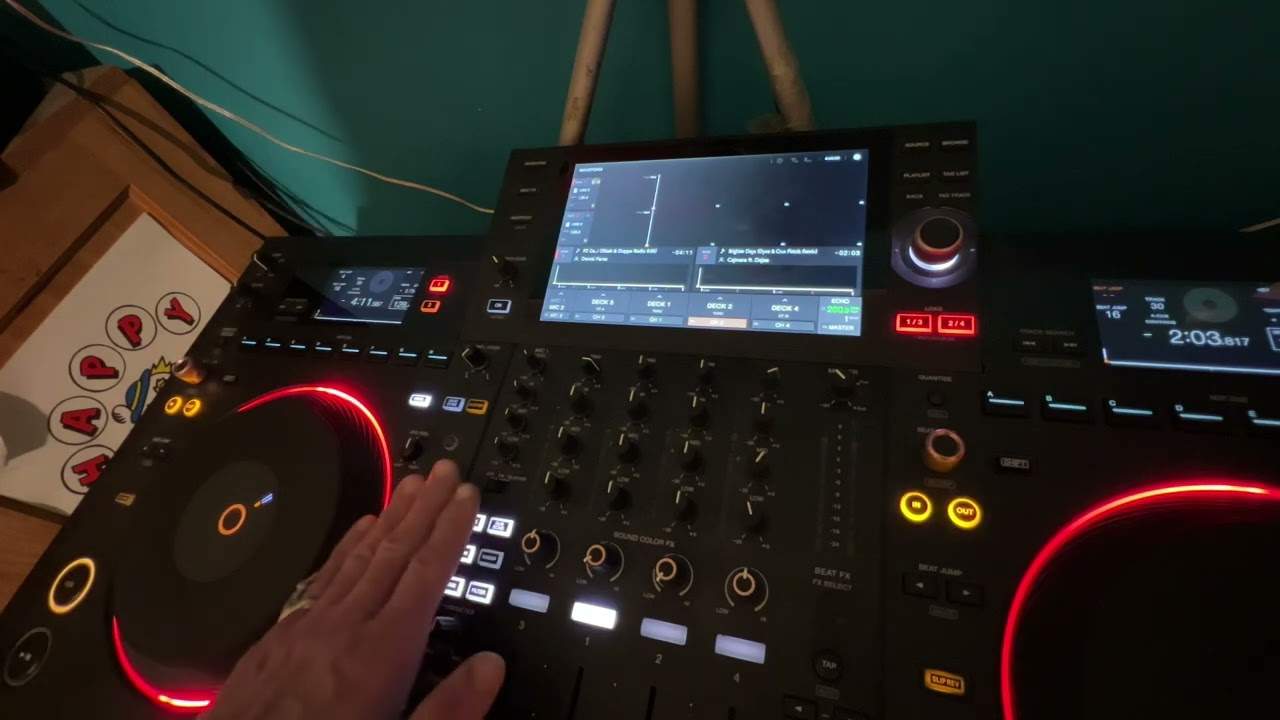
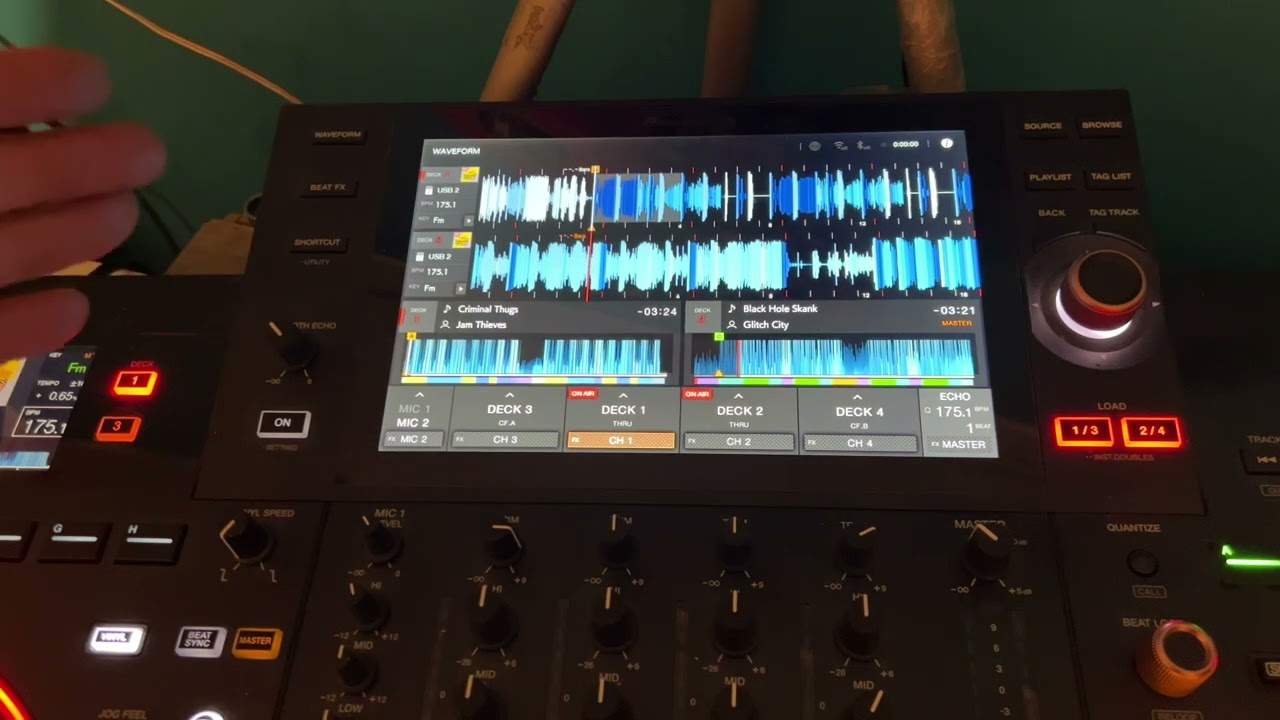
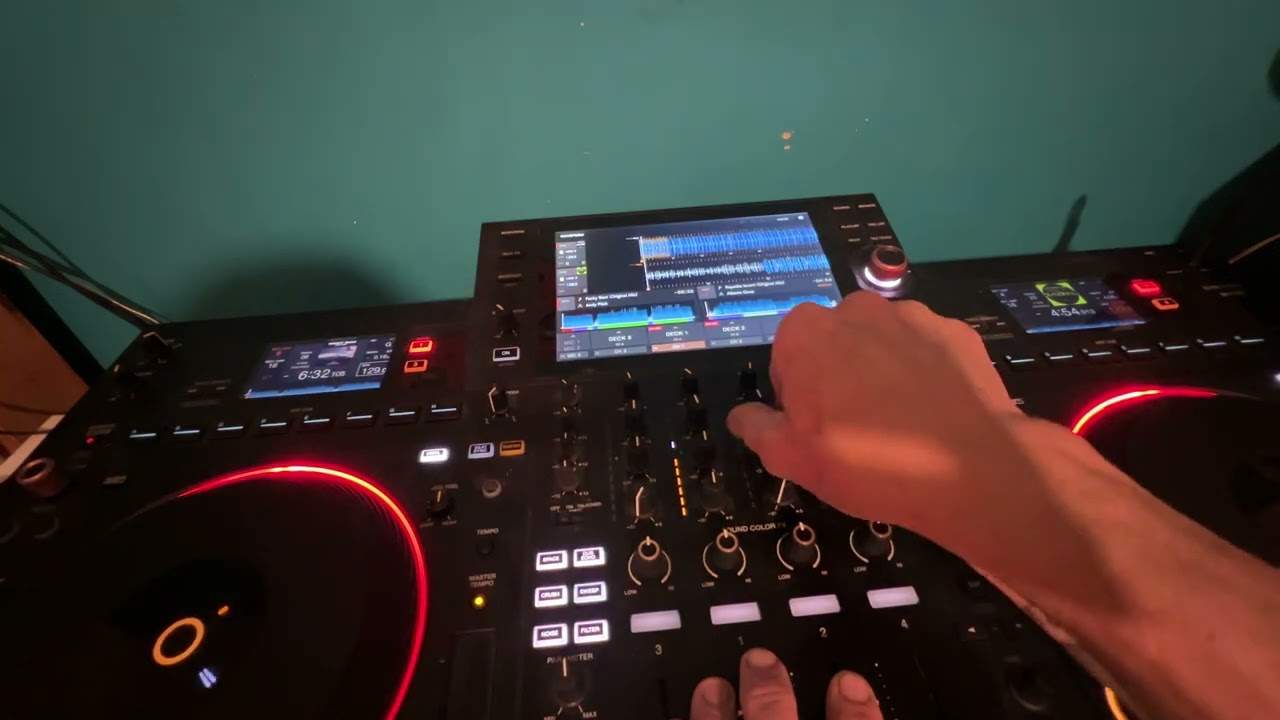
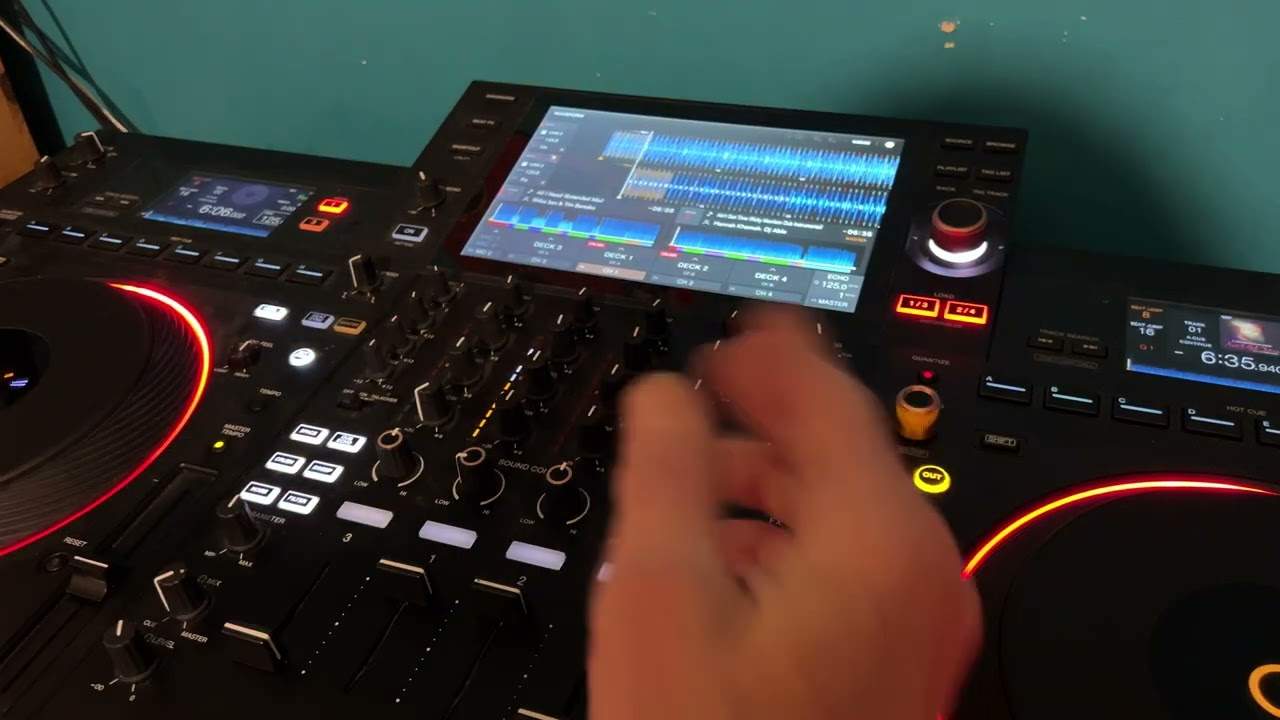
On YouTube this video is called A trick with a CDJ-800mk2
What this lesson teaches
Two and a half minutes, one idea, and it is a good example of making something out of controls that were designed for something else.
What the banks hold
Four hot cue banks, set to different loop lengths: one beat, two, four and eight.
Used normally, you press one and get that length of the track. Perfectly ordinary.
What he does instead
Presses all four, one after another, quickly.
What comes out is the first beat of each - boom from the one-beat bank, boom from the two, boom from the four, boom from the eight - four kicks in rapid succession, because each bank restarts the track at the same point and you are only hearing the start of each before moving on.
So four controls designed to give four different lengths, used fast, give you a drum roll instead. Nothing about the player's design intended that.
Then reverse
Straight into the reverse button at the end of the run, so the stacked beats resolve into a backwards sweep.
He is honest that the take he got sounded a bit dodgy, which is fair - the timing on this is tight and four presses in a bar leaves no room.
Why it is worth reading
Not for the trick, which is specific and dated. For the method.
Every player and controller has more controls than functions, because controls combine. Four cue banks are four cue banks until you press them in sequence, at which point they are a roll. A reverse button is a reverse until it arrives at the end of something, at which point it is punctuation.
His closing framing is right: it is a tiny thing to bung into the mix to take it to the next level. The next level is not a new feature - it is noticing what the features you already have do when used in an order nobody specified.
Contents of the video
Alright folks, Jonathan here. Now what I'm going to do, a bit of a trick for you here with regards to CDJ 800 Mark II. I'm sure there's loads of people who probably do this anyway, but there's quite a few people who don't do it. So here we go, I'll give you a bit of a demo and then I'll explain exactly what I was doing. Here we go. Right guys, on this particular CDJ we've got banks here. We've got 1, 2, 3 and 4. When you press this one, you'll just get one beat from the actual track. We'll have a quick listen. Okay, that's one. When you press this one, you get two. This one you get four, and this one you get eight. Watch what happens now when I press all of those four together, because all that happens, you get that first beat, boom, on the one, you'll get another beat, boom, on the two, on the actual, where we've got the four beats, you get that boom, that first beat, and on the eight, you get boom, the first beat. So what you're actually doing, you're almost like going to, like that, listen, have a listen.
Like so. Alright, we didn't do it the second time, we did it the first time. That, almost like you've got one, two, three, four beats going right after each other. Like that. But what I was doing, I was hitting the reverse straight away. So, I was getting it... And it was... It was going backwards. Bit dodgy sounding there, but there you go. Right, so what we'll do, we'll make sure we're right at the beginning of the track again. I'll show you exactly what we were doing. Here we go. And then press reverse. All that timing. It's only a tiny little trick there, but it's something else you can bung into the mix to just take it to that next level. Hope that's been a help. Practice and enjoy.
This transcript was produced automatically from the audio of the video and may contain mistakes.