 10:58
Basic Beginner Scratching on Vinyl DJ Lesson for the New Turntabalist PT3 Repetitive Moves
Contents of the video
0:00 I'm going to call this Turntablist DJ Lesson Part 3
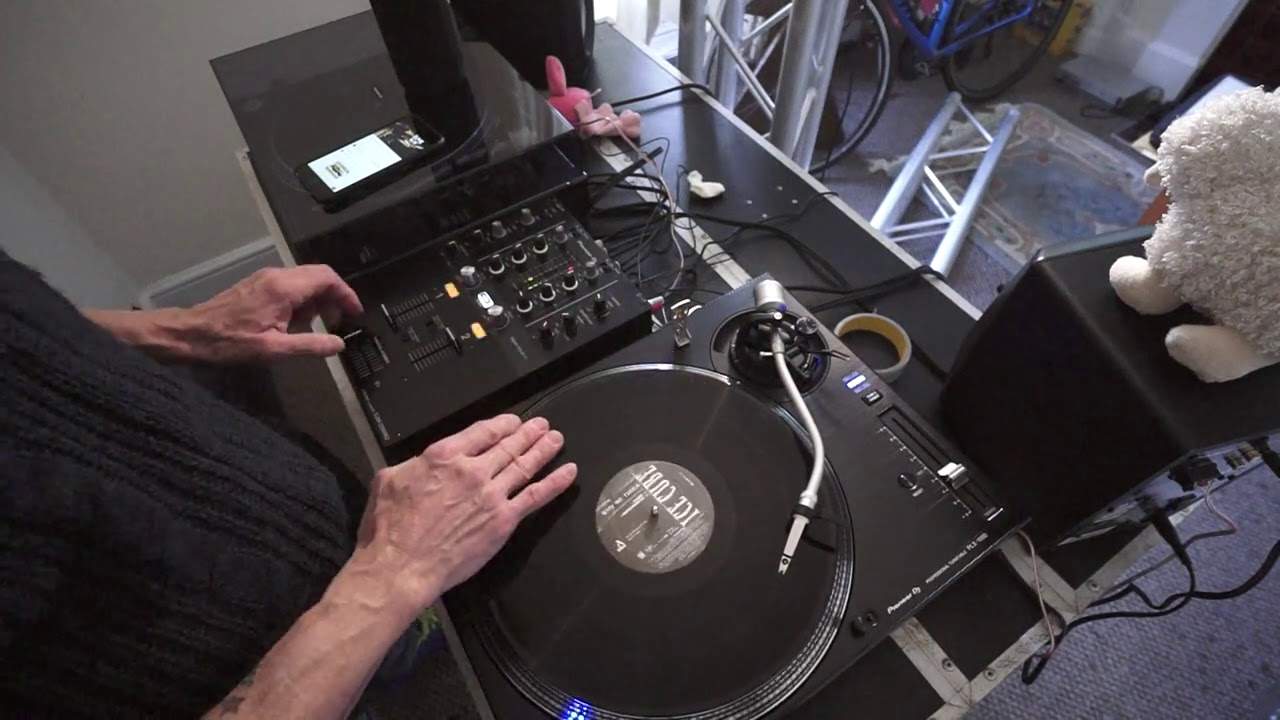
Right, I'm going to call this Turntablist DJ Lesson Part 3. No doubt the description will be a lot different, but it is Part 3. Alright, so what I'm going to do here, a bit of stabbing, also I'm going to be editing this track, a tiny bit of scratching and so on. So I'll give the demonstration first, then I'll run through exactly what went on. The track I've got, by the way, is Why We Thugs Ice Cube, but I won't be playing all of it due to copyright reasons, just in case. I'll only be using literally a few seconds of the track. So let's just get it ready.
That's all I'm going to be using. Okay, so get that ready. Also got here a Funk Drum Grooves 105 BPM by Sick Track. So there you go, it's a YouTube video and I'm pretty sure that this could be used. It's just a loop, that's it. So I'm just going to put it back from the beginning. Okay, trying to stop it on the top there.
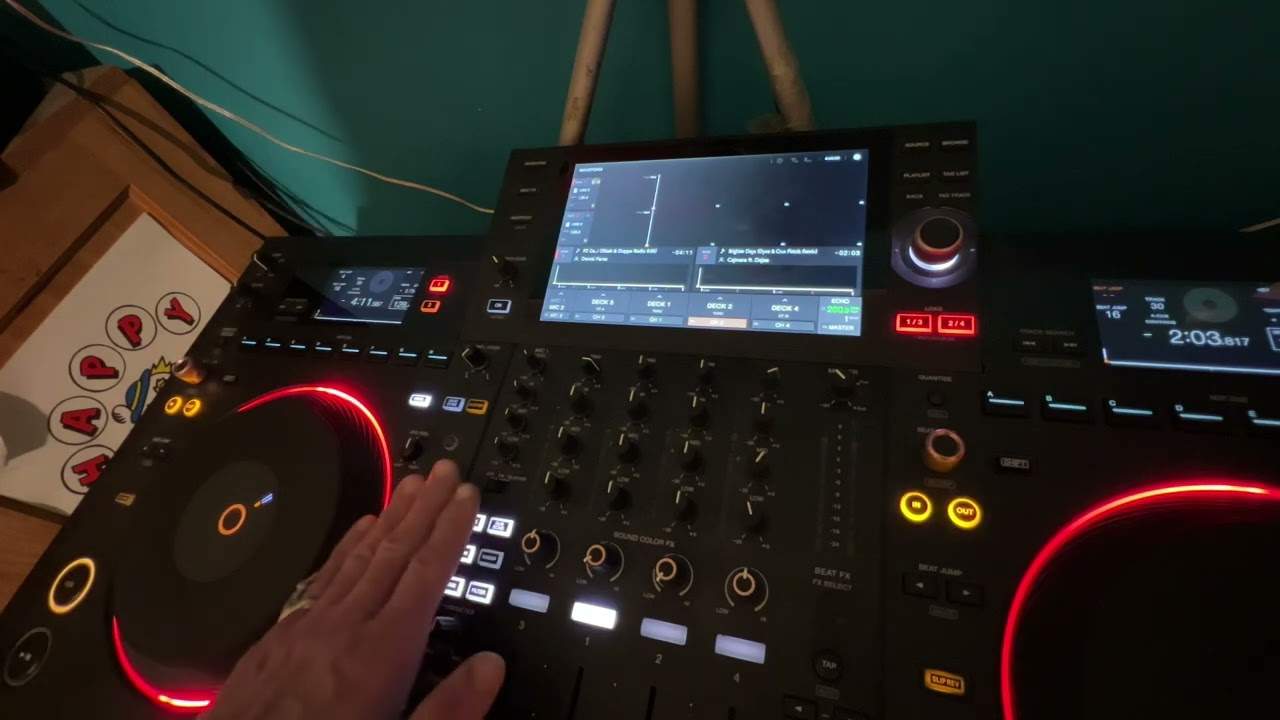
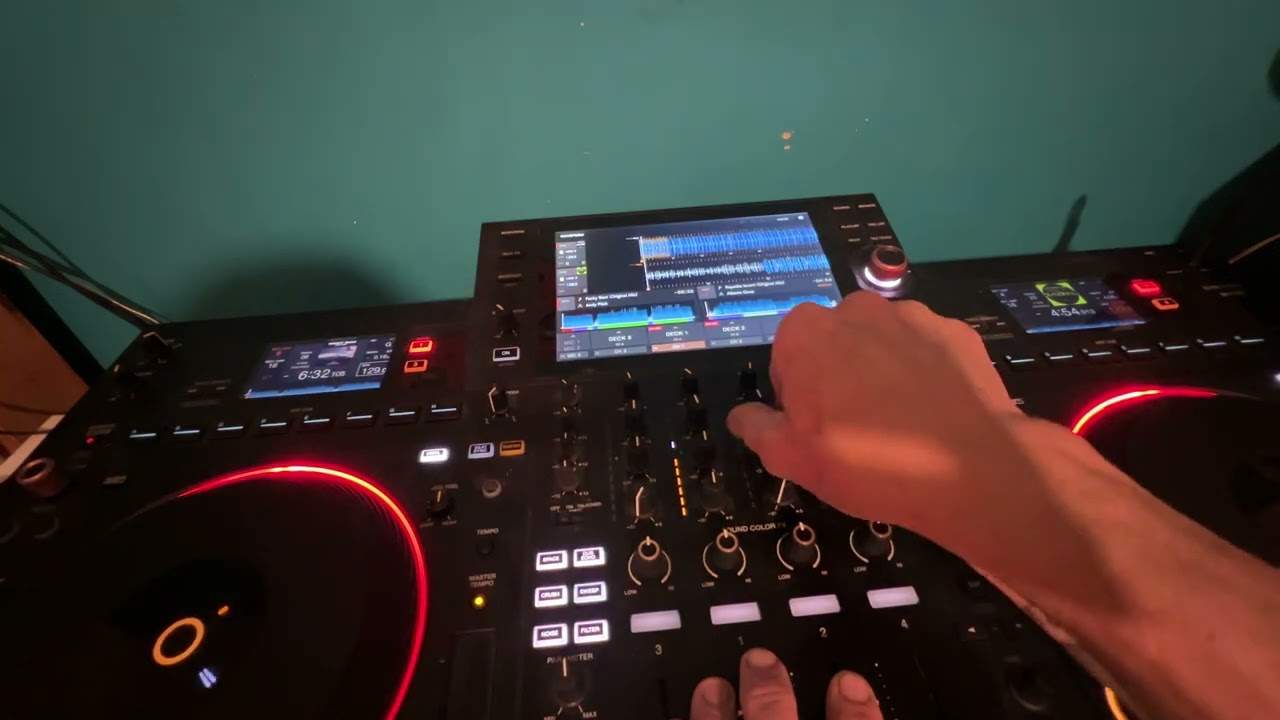
Okay, so what was happening? Now, even though it looked very simple, there's a lot of moves here. So what I'm doing is I'm using the up fader. I'm letting the vinyl move. At the speed that the turntable is taking it, but then I'm also moving it myself with my hand. So bring it back there. So what I'm doing here, oh, bring it back here.
I'm actually pushing the vinyl forward myself. So there is a difference in the sound. Also very quickly as well, I've reduced the low. So I've got the low to about 9 o'clock, just after 9 o'clock. The mids knocking around about a half one treble as it is.
2:49 You'll notice there's a different sound there
Now you'll notice there's a different sound there. The reason is because at one point I'm moving the record forward manually. Then I'm also letting the record move forward in time with the turntable underneath. So it's going the speed. So this is why we can get different sounds if we listen now, I'm old school. I like to use the up fader and really there's sort of four moves here. Up fader up vinyl forward, up fader down vinyl back. Now this is what it sounds like if you do those four moves.
This is what it sounds like if you don't use the up fader and this is what it sounds like with the up fader down. That's right, I had to do that. Alright, so again what I'm trying to do here now is go in time with the loop. So you know it's up to you how you want to do this but what you can do is to begin with very very slow moves. And I'll show you and talk you through while I'm doing it. So I'll just move that loop back, turn it up a bit. Exactly the same if we use the crossfade. Sorry, I'll start again.
4:53 What I'm doing is the four moves, very simple and also very slow
So what I'm doing is the four moves, very simple and also very slow. You know one two three four. Now over time when that starts to get a little bit more easy and also boring then speed it up. Now of course you can't speed up the loop on the track itself but what you can do is you can speed up your timing. So instead of one two three four. One two three four. Try one two three four. One two three four. One two three four. One two three four. One two three four. Okay? Milking cows, milking cows.
Sorry. Yeah, back to business. Alright so there you go. So I'm going to do the slow first then I can go fast with milking cows. Where the hell did that come from? Oh dear. Here we go. Slow to begin with. One two three four. Now we'll do it fast. Now what you will find is as you get faster the moves one, two, three, four seem to start to flow and become liquid so it's not as though you're doing a move up then another one and another one and another one. They all seem to gel together into one move. Now as well you may find to begin with that one hand's doing this. And the other hand's doing that. And it's, you know, it's like oh what's going on? But the way to get around that is as I said earlier, to go slow. Start very slowly.
Now at the beginning of the session here, the video, I was moving the record forward with my hand and then also letting the record go forward by itself. So we can do that as well. Let me demonstrate. So let's put the loop back on. So we've got our first move up. We've got our second move up. We've got our third move up. We've got our fourth move up. We've got our fifth move up. We've got our sixth move up. We've got our seventh move up. We've got our eighth move up. We've got our ninth move up. We've got our tenth move up. We've got our seventh move up. And we're moving the record forward with my hand and then also letting the record go forward by itself. So we can do that as well. Let me demonstrate. So let's put the loop back and get that ready.
8:12 Even though it's very similar, there's two different moves going there
Here we go. Do you know, it is actually confusing doing it slower than fast. We'll pause that. But what I'm doing here is I'm letting the record go forward by itself. Bring it, volume down and bringing it back. And then what I'm doing is volume up and moving the record forward and then volume down and bringing it back. So even though it's very similar, there's two different moves going there. So I'm actually physically moving it forward and also letting it move forward with its own inertia, with the same speed as the deck itself. Now again, these are very simple. Very sort of basic lessons. But over time, you know, you can... So all right, you'd need a faster loop and that was a bit random, but hopefully you get
The idea. Now if you do like these videos, don't forget to give a thumbs up and like and share and also hit that notification bell for when I do videos, but generally I do at least three or four a week and they're always set to go live at six o'clock UK GMT time. And also if you're interested, I give one-to-one lessons. There is a fee and you can either pay per hour or you can go for five hours which is at the moment it's UK £90. You can pay by PayPal and it's a one-to-one lesson. The difference with my lessons as opposed to other people's is I believe I'm still one of the only DJ tutors online that gives personal private lessons. So it's not download. This it's not watch these videos that not many people can see.
It's me in front of you one-to-one, okay? And again, all lessons are completely confidential. No information is passed on about anybody at all. It's completely and utterly between me and you and of course times I can teach practically anytime during the day any day. I normally start around about eight o'clock in the evening. And the last session is normally about seven o'clock in the evening. That's London GMT time. So even if you're in America or Australia, generally around about sort of lunchtime here will be morning in America and then if it's morning time here, it's going to be nighttime in Australia. But don't forget, if you are interested in some personal DJ lessons by myself, Ella Skins, the DJ tutor.
There is a... In the description of this video, there's an email address practiceandenjoyatdjtutor.com. Send me an email. We can have a chat by all means ask any sort of questions you like and hopefully we'll hook up soon. Practice and enjoy. Thank you very much.
This transcript was produced automatically from the audio of the video and may contain mistakes.