 5:51
Beat juggling Tutorial, video 3
Contents of the video
0:00 You can do it with any sort of dance music
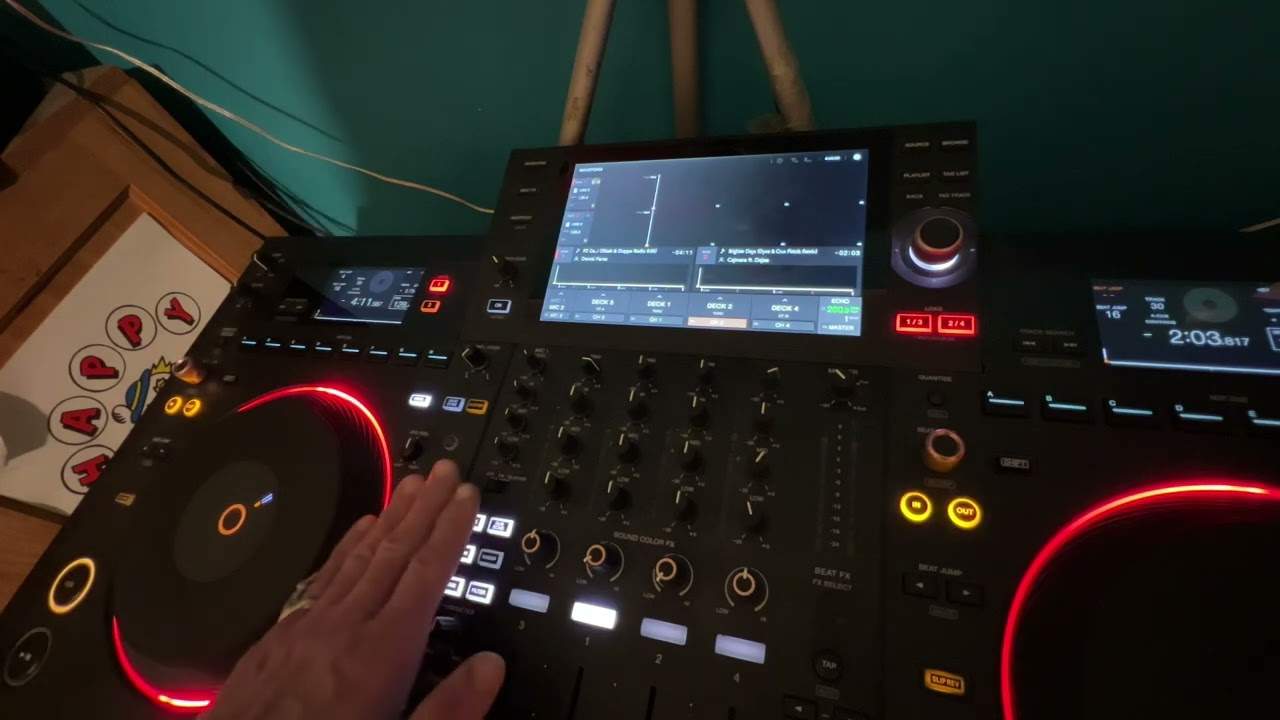
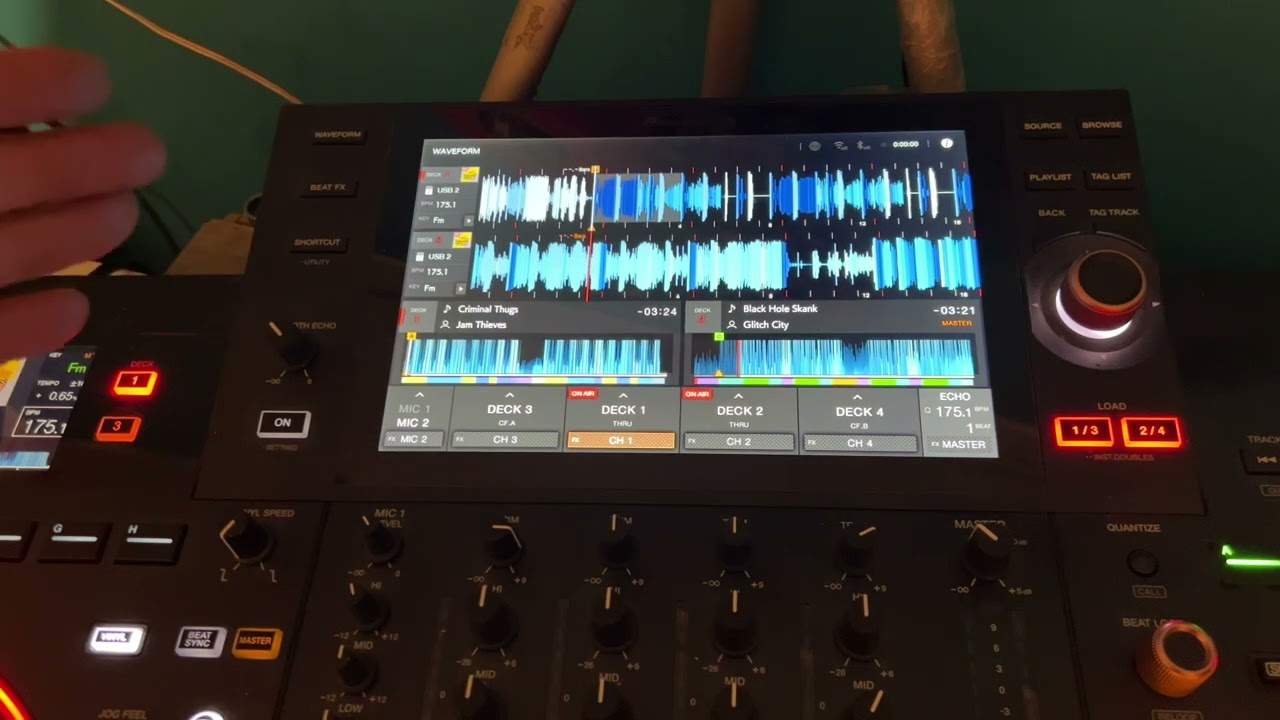
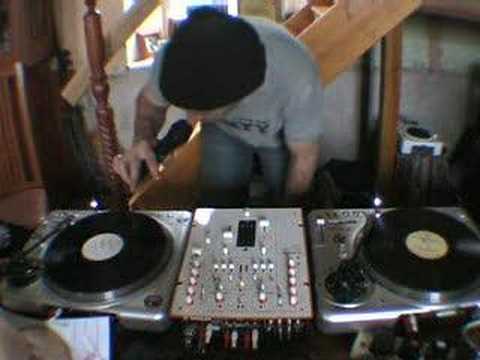
Alright folks, this is the third video in a selection of videos we're doing, dedicated to the person out there who would like to start a bit of the old beat juggling, okay? But you don't have to be a hip-hop DJ to do a bit of beat juggling. You can do it with any sort of dance music. Check out the first two videos first, alright? The third one, what we're going to do is we're going to go one step further than the second one. In the second one we did, we had both volumes all the way up continually. And then I was stopping one record, say for 2, 4 or 6, 8 beats and then letting it go. And then I was stopping the other one then for 2, 4, 6, 8 beats but I was stopping at the same amount of time as the first one, then letting it go. Now think about it logically. If they both start off at the same time, alright? If I stop one for say 2 beats and let it go, then if I stop the next one for 2 beats and let it go, it means at that point then they'll still be at the same...
Time, they'll be at the same position because I've stopped one for two beats, let it go. Now if I just left it at that, it would mean the one I've stopped would be behind two beats. So I need to then stop the other one two beats, let that go. Now the same applies if I stop it for 4, 8, 16, 32. I stop this one, 4, 8, 16, 32. But again the same applies, I can stop this one for 4. The one on my left, then I can stop the one on my right for four. Then stop the one on my left again for four. Then stop the one on my right again at four. So by doing that, by having an equal amount of stopping on both of them, means they'll still be at the same place. Now then, in the first video what I did we had the volumes up. So you heard me do a bit of wiki-wiki and throwing it in. Two things there. One is that there's a bit of movement which you don't really want to hear. And the other one is that by throwing them in...
1:46 Bring volume, track entitled, stop second
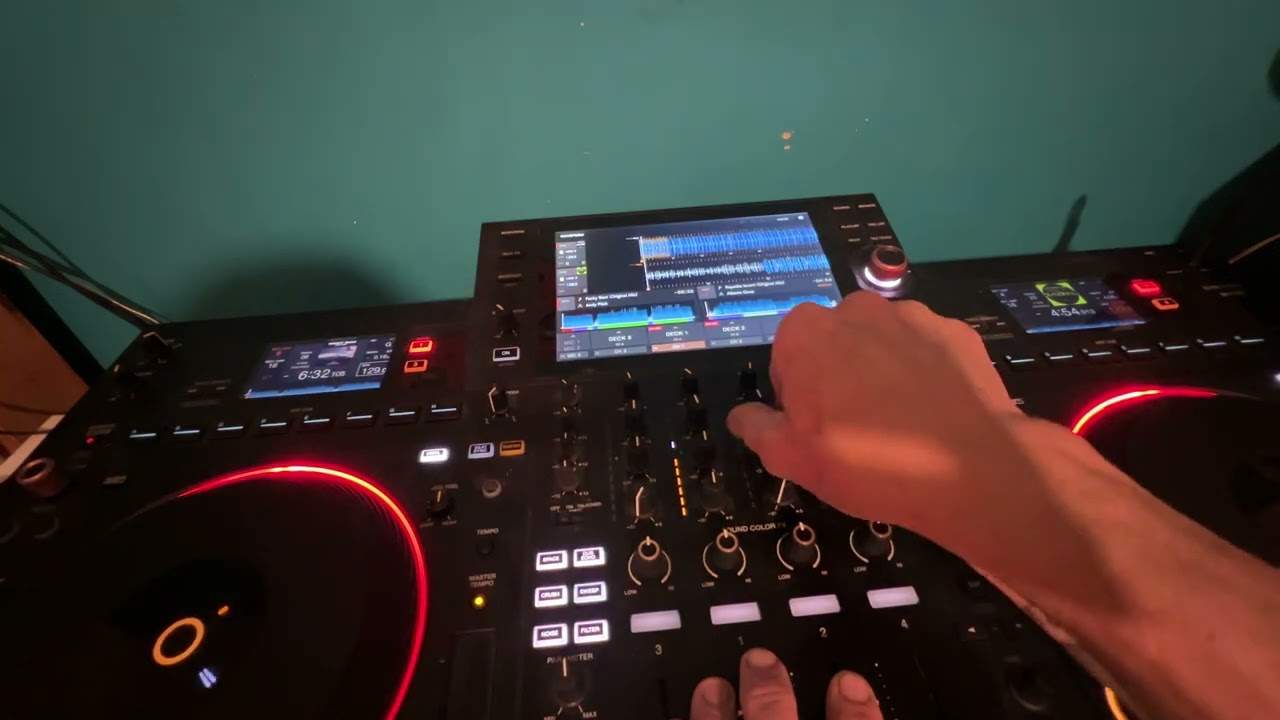
While the volume's up, there's a very good chance the beat will be off so it won't sound very good. So utilising this principle of bringing the volumes down means that you won't get that horrible wiki-wiki sound alright if alright. I mean at the end of the day if you can scratch then brilliant but I can't exactly do it, I'm not very good. So by bringing the volume down what it means is that you're actually getting the beat ready with the volume down so no one can hear that and then you've got chance then to get it in beat And then slowly as you're getting it in beat, bring the volume back up. But whatever you do, what you have to remember is while the volume's down and let's say you're counting 16 beats, you need to do exactly the same with the other side. When you bring the volume down and you stop this one or stop this one first, then bring the volume down, you need to count exactly the same amount of time with the other one, 16 beats. If you stop the first one for 8, you need to stop the second one for 8.
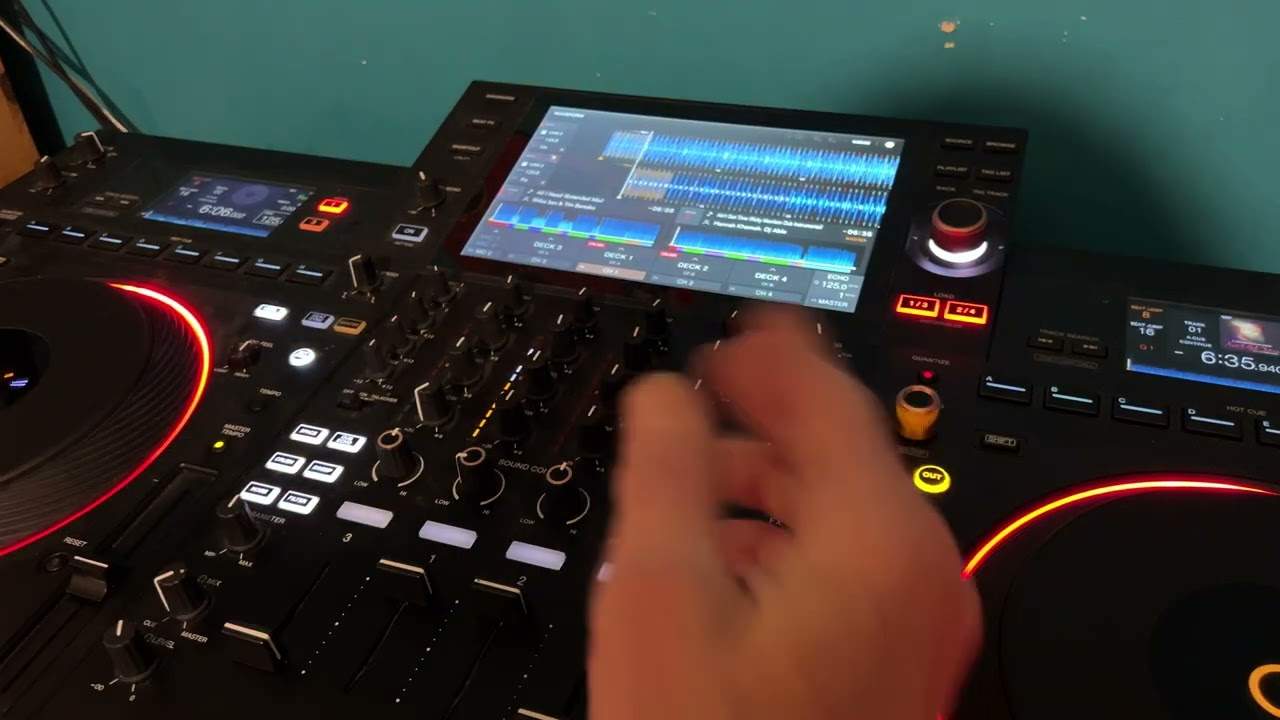
First one for four, you need to stop the second one for four, etc, etc. Alright? So we'll give it a demo and we'll see what happens. Practice and enjoy. By the way, I forgot. Two tunes on my right. I've got Armad Van Helden from the Too Future For You EP, track entitled Psychic Bounty Killers featuring DJ Sneak. There's a bit of swearing in there so I do apologise. I pre-warn you, okay? And then on the other side we've got Robbie Riviera, a track entitled The Ultimate Disco Groove. It's the Funk Force mix. Here we go.
This transcript was produced automatically from the audio of the video and may contain mistakes.