 4:33
Beginner DJ Advise on Using the bass Low EQ in the Mix
Contents of the video
0:00 This piece of paper here will explain all
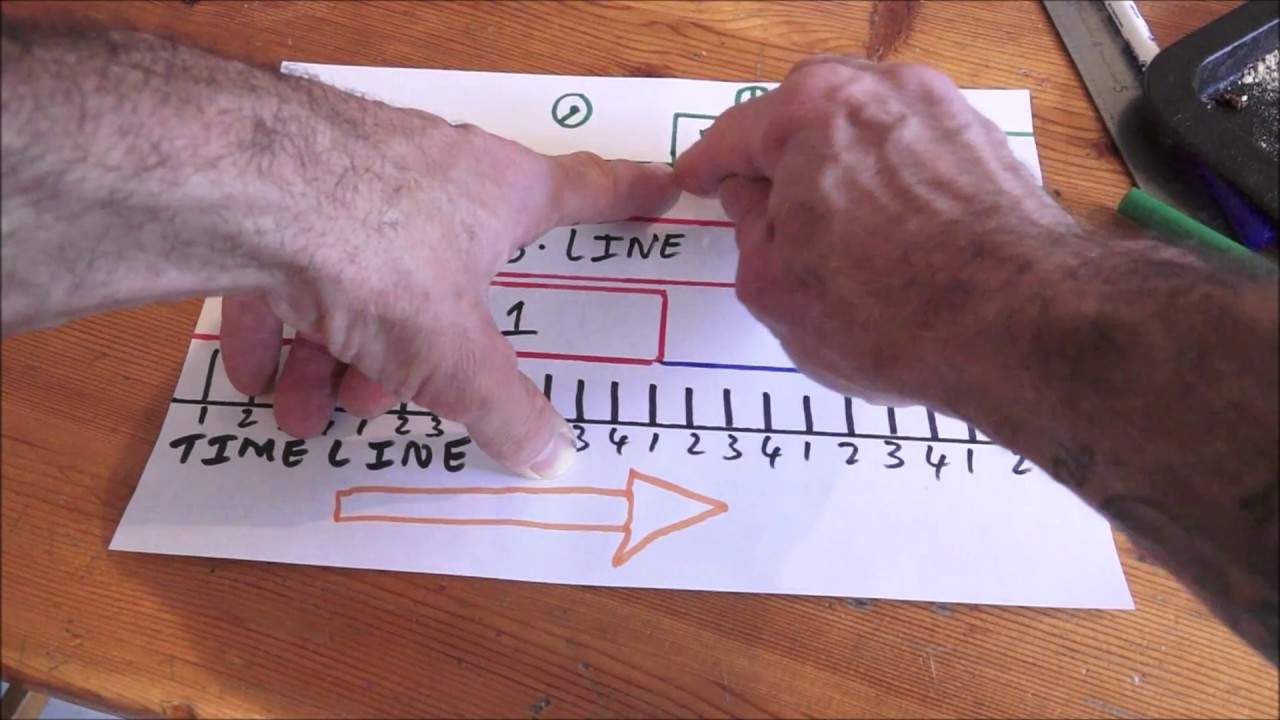
Yeah, be with you in a second. 3, 4, 5, 6, 7, 8. One of the questions asked by so many DJs is when do you take the bass out? When do you bring the bass in? Well, this piece of paper here will explain all. My goodness me, what's going on? Right, first of all, this is our timeline. 1, 2, 3, 4, 1, 2, 3, 4 and so on and so on. So it's just a random group of bars. Now, let's imagine, for example, that the bass line comes in on the track you're bringing in, not at the correct phrasing. In other words, as soon as the phrase finishes in one track, the phrase has started on the other track. For example, maybe the vocals have started the melody, but not the bass line. The bass line might have started a little bit.
1:25 This diagram
So where do we bring the bass line in? More importantly, this video is about the EQ, the bass, the low on your mixer. What do you do with it? Where do you turn it up? Where do you turn it down? Where do you bring it in? Et cetera, et cetera. So let me explain this diagram. This is our timeline and it's going from left to right. This is the bass line. This is the base of tune one. So the bass line has been playing and it finishes here on the count of one. This blue line here there, after the bass line finishes, is just explaining that that track is carrying on. Maybe it's melody, maybe it's vocals. This is just a random imaginary track. Above that we have our second imaginary track that is playing. But at this point here, at the count of one.
3:04 Slowly bass, tune, base
The bass line starts and the bass line will play for one, two, three, four. One, two, three, four, two bars until or and then at that point, the bass line on the other track stops. So the bass line on tune two is playing for two bars over tune one. So what do we do with EQ? Right. For the two bars that that bass line is playing. You'll go to your low and you'll have that turned as far down as it will go. Now on some mixers, it goes to infinity. In other words, it will completely cut out the entire bass sound. It's known as kill pretty much other mixes. It will lower it by a few decibels, but ideally turn it all the way down as far as it will go, which is seven o'clock. Then if we have a look here at this point.
Where bass line finishes on tune one, of course we've got the bass line on tune two. But the green area here signifies that the base isn't playing at all, but the base here, the green part signifies that it is playing. So at this point here after our two bars, you will turn the base up back to 12 o'clock. So what you're doing? Is you're compensating for the bass line finishing on tune one, and you're bringing the bass line in on tune two. Now this is a very simple way of looking at it because there's a lot more to this than meets the eye. For example, is it the correct bass line? Perhaps we should have mixed this tune. So instead of the bass line starting here, the bass line should start here. Maybe the EQ,
The bass EQ needs to be brought in. Slowly on the bass line coming in and slowly on the bass line going out. So you've got more of a curve of a transition of bass lines, not an abrupt out and in this demonstration. This picture gives you an idea of how it works. All right now I hope that's been a help practice and enjoy. Thank you very much.
This transcript was produced automatically from the audio of the video and may contain mistakes.