 6:02
Can you scratch on a CD deck?
On YouTube this video is called Can you scratch with a CDJ turntable?
What this lesson teaches
A direct question, answered directly and with his opinion labelled as opinion.
The answers
Can you scratch on a CDJ? Yes.
Are CDJs as good as vinyl for scratching? Not in his view - not up to standard yet, though getting there, very slowly.
He is careful to limit the claim to scratching rather than turntablism generally, which is a reasonable distinction: the question of whether a CDJ can be a turntablist's instrument is a bigger one than whether you can get a decent scratch out of it.
Where the difference is
The part worth having, because it is specific rather than a general preference.
The starting procedure.
On a vinyl turntable with the motor running, the platter is turning whether or not you are letting the record move. Your hand is holding something back against a constant force, and releasing it lets the record go instantly at full speed.
On a CD player that is not playing, there is nothing to release into. The machine has to decide you have started, which introduces a moment that does not exist on vinyl.
That sounds minor and it is the whole feel of the thing. Scratching is a sequence of releases and catches, and a deck where the release is mediated by electronics behaves differently from one where it is mediated by friction.
What has changed since
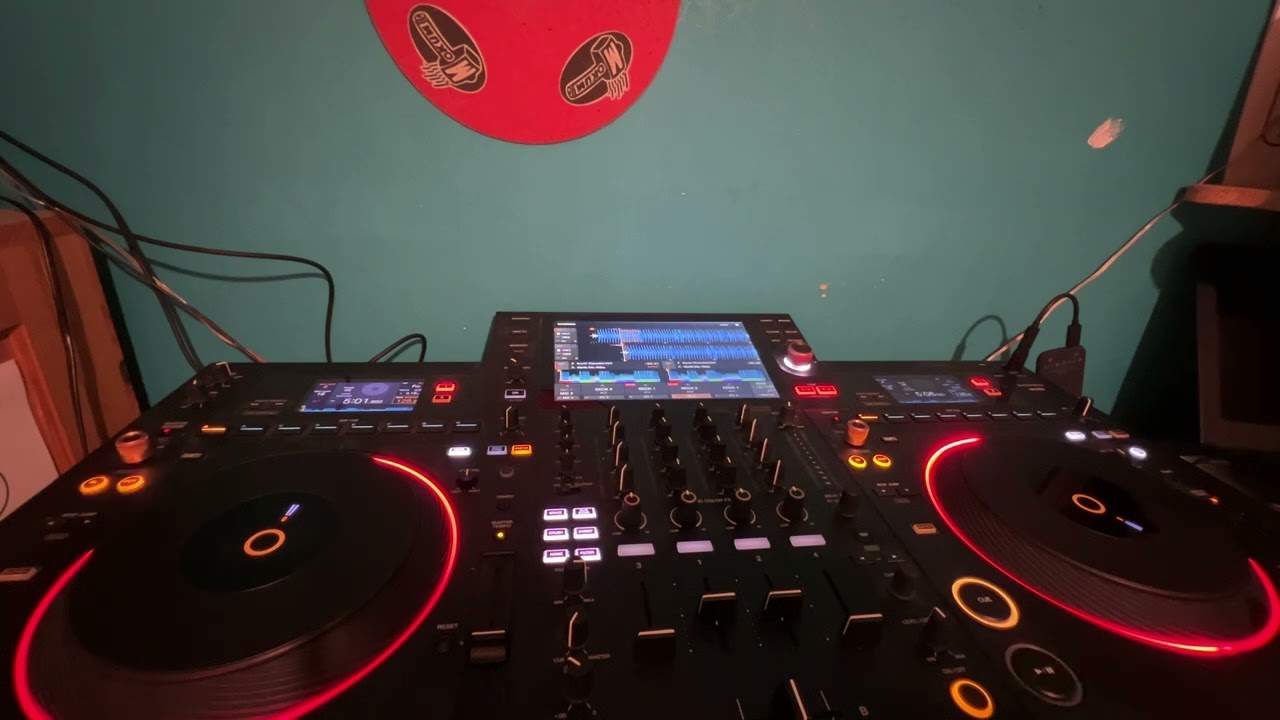
Worth noting that this video is old, and the gap he describes has narrowed considerably. Modern platters are heavier, the sensors are faster, and the dedicated battle controllers are built specifically to feel like vinyl.
His underlying point still holds, though: the two are not the same instrument, and learning on one and moving to the other involves relearning the touch. If you intend to scratch seriously, try both before committing.
Contents of the video
0:00 Can you scratch on a CDJ turntable?
Alright folks, Jonathan here. Question for you. Can you scratch on a CDJ turntable? Yes, you can. Question for you here. This is my opinion, mind you. Are CDJ turntables as good as vinyl turntables for scratching purposes? Not for turntablism, just for scratching. This is my opinion. No, they're not. I don't think they're up to standard yet. They're getting there. Very, very slowly they're getting there. What we're going to do is I'm going to show you a little way of utilising a CDJ turntable for the purpose of scratching. And again I repeat, not for turntablism with regards to this video, it's just for scratching. I'm going to show you the similarities between this guy, the CDJ turntable and a vinyl turntable.
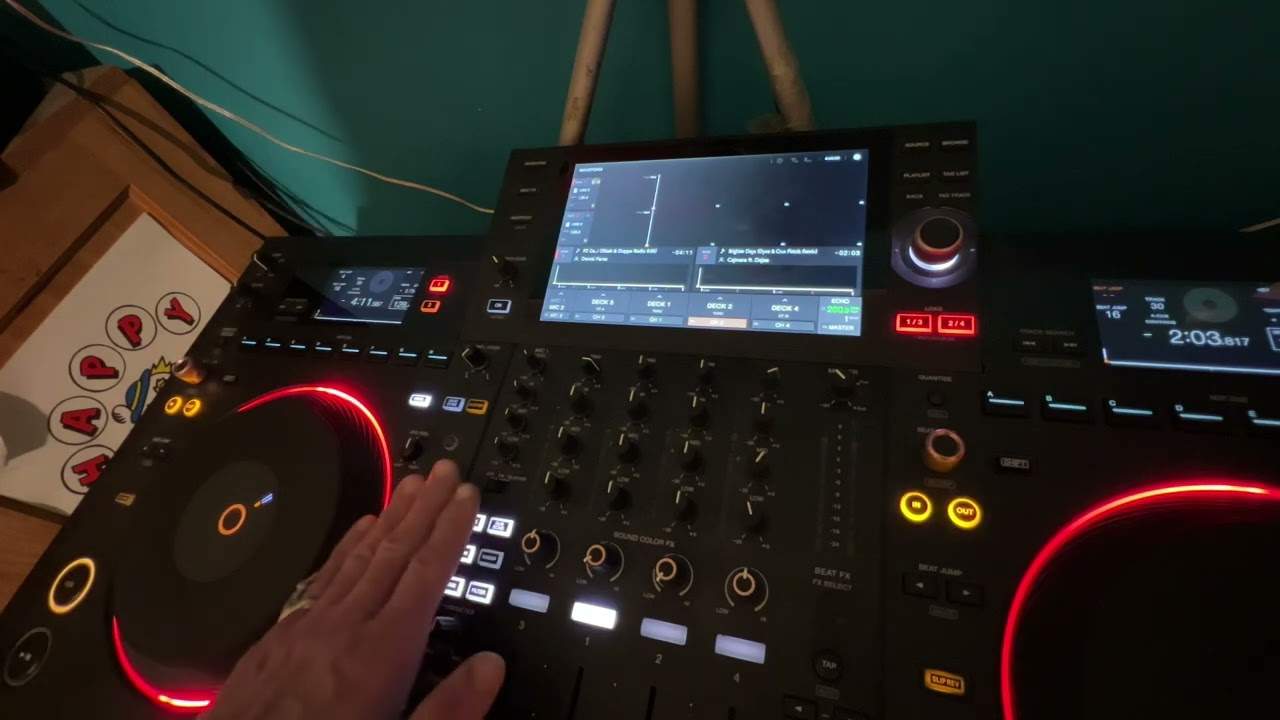
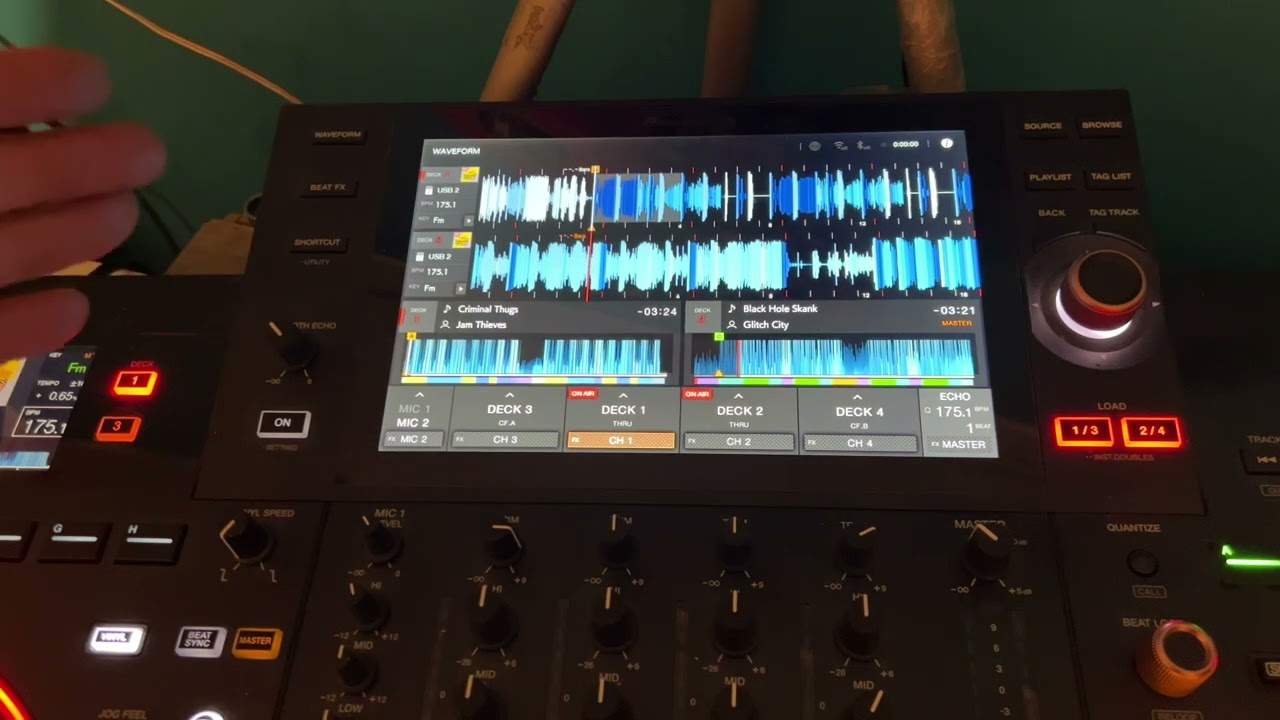
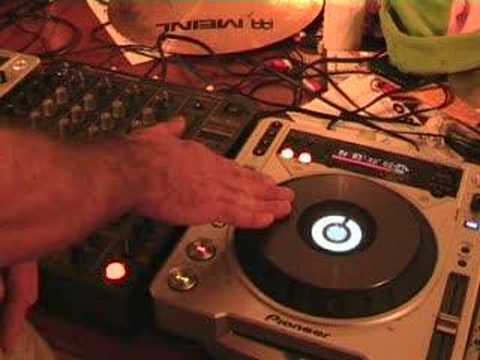
The guy we're going to be looking at is the CDJ-800 Mark II. So I'll pause the camera and we'll take a closer look. Okay, right, here we go. We've got our CDJ turntable. We've got a mixer as well. Now then, first of all, where these two guys are similar but there is a subtle difference where they're not similar is regarding the starting procedure. Now, alright, I'll try and explain that a little bit more in depth. Imagine now we're looking at a vinyl turntable What we've got is we've got the needle on the record and we're right at the beginning of that specific track that we want to play. So what you would do is you would put your hand on the piece of vinyl and move it forward. But let's say for example, just pretend now that again this is a vinyl turntable but we have not pressed play.
1:47 In other words, the platter underneath the piece of vinyl isn't moving
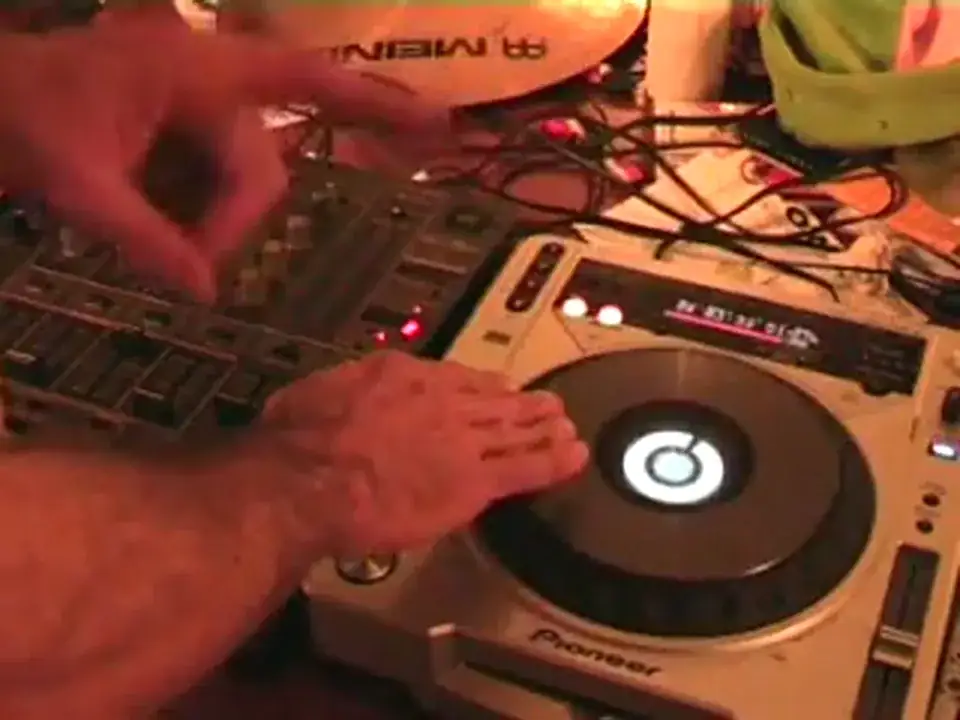
In other words, the platter underneath the piece of vinyl isn't moving. So this is exactly what would happen with a vinyl turntable. Have a listen. It would basically go as fast or as slow as you wanted it to go, depending, of course, on how fast your hand would be moving around like so. But here's the difference. With a vinyl turntable, if I took my fingers off the top of the piece of vinyl, Where I left it, the difference being with this CDJ turntable, it goes right back to the beginning of the track. I'll show you again. And again. That's what the CDJ does. Where it's exactly the same as a vinyl turntable is as follows. You can see at the moment we're on pause. If I press play, the music starts. Press cue again, it will go back to the beginning of the track. Press play again.
3:21 Exactly the same as a vinyl turntable
Cue, back to the beginning of the track. Now this is exactly the same as a vinyl turntable. Put your hand on the top, get it ready. Press play. Now that light there isn't flashing anymore and now we're ready to go. As soon as I take my fingers off the top here, off it goes. Stop. Exactly the same as a vinyl turntable. Bring back. Exactly the same as a vinyl turntable. Get the beginning again. And off we go. Exactly the same as a vinyl turntable. Right, let's find the beginning. Right, there's the beginning just there. Now then, scratching purposes. Okay, so how do we do scratching? Now again, with a vinyl turntable you can do it one of two ways. You can either have the platter moving underneath and you can manipulate the piece of vinyl backwards and forwards whilst the platter is moving underneath
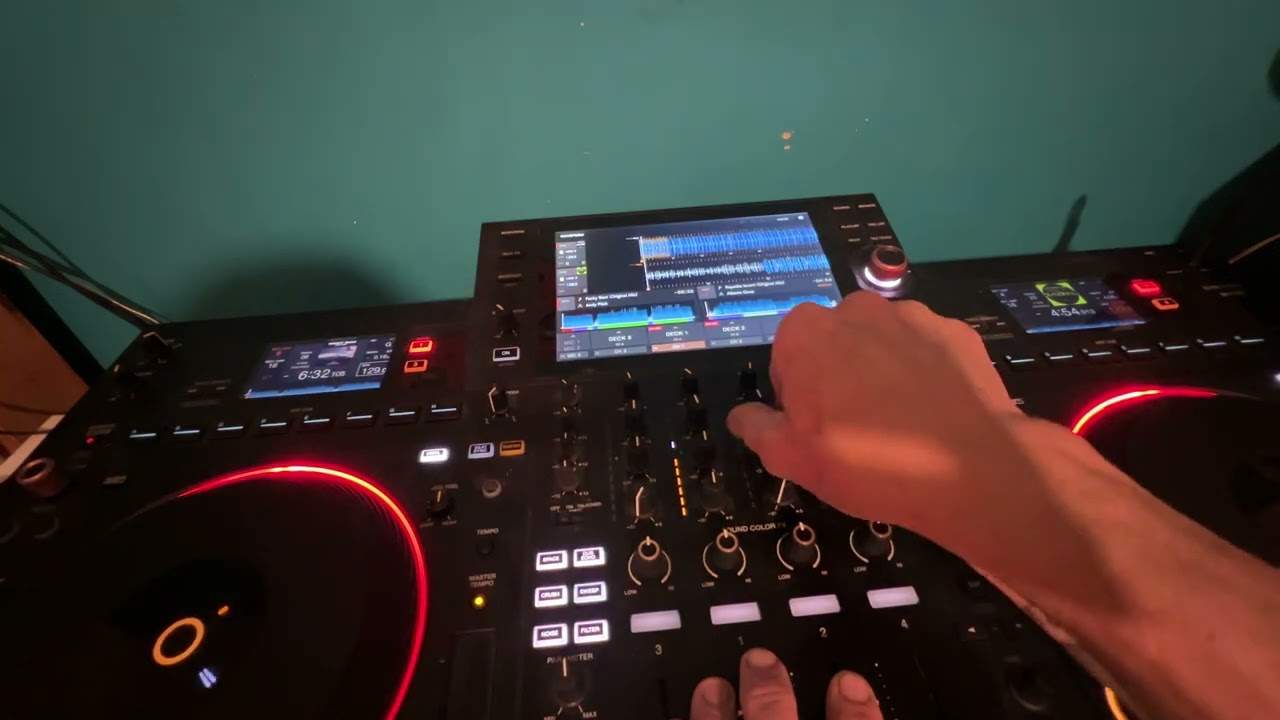
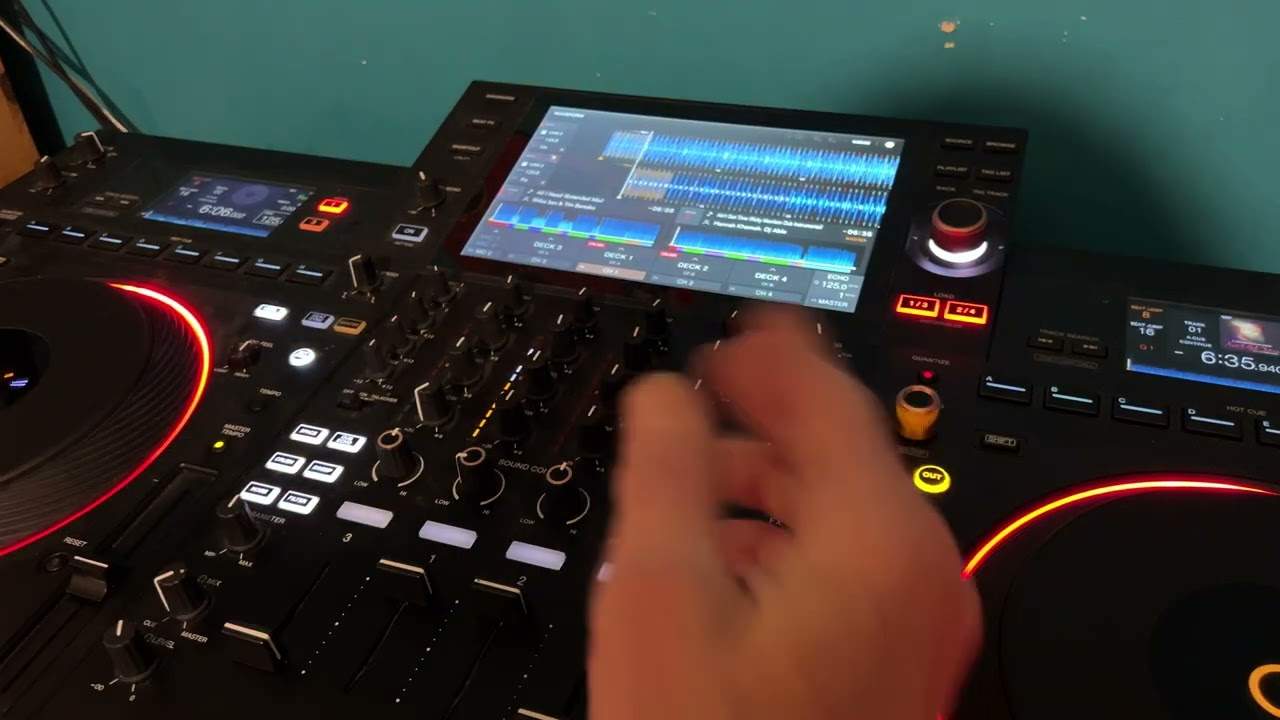
We'll be helping you with the movement. Alternatively, you can just have the vinyl by itself and move it just with your hands. Now then, I'll show you how you can scratch with this guy here. Have your hand on the top of the actual platter of the CDJ. Press play and now the CD in the mechanism is ready to go. So with moving as well the volume control or the crossfade we can get... Also, exactly the same as a vinyl turntable, when the music is going forward like so, I will have to then stop it, bring the volume down and then I will have to bring it back. That's the difference with play mode. With pause mode, it will go back to the beginning without me having to move the top of the CDJ back myself.
When it's in play mode, I have to bring it back manually with my hand to the beginning as follows again. I'll do that with the volume up so you can see what I'm doing and you can also hear the sound that you would be hearing if the volume was up. Now what we'll do is I will do exactly the same thing but I'll bring the volume down so you're not going to hear that backwards sound.
Now we'll hear the backwards sound again. So there you go, you can scratch with a CDJ, the only difference being it hasn't really got the true touch and ethics of a vinyl turntable, but it's about as close as you can get. Thanks for watching, practice and enjoy.
This transcript was produced automatically from the audio of the video and may contain mistakes.