 3:50
Dj help,Basic transform cut used in scratching; djtutor.com
Contents of the video
0:00 This one here, it has a proper cut switch at the top
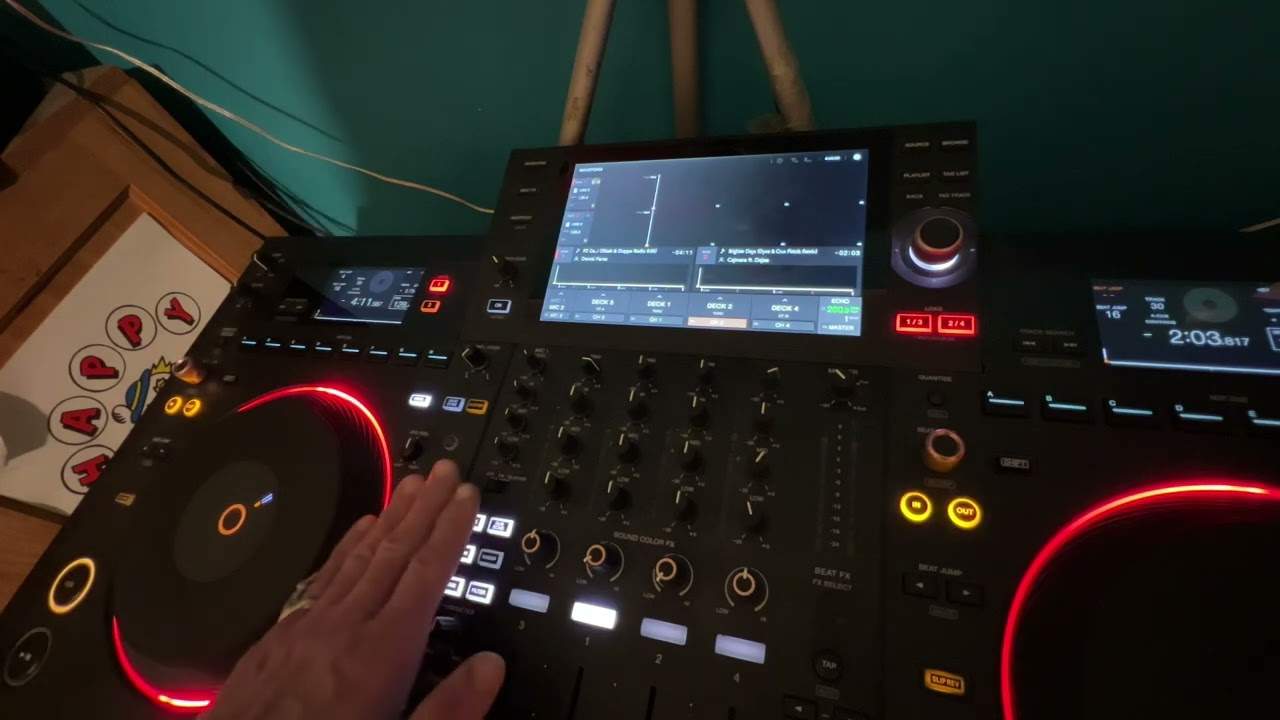
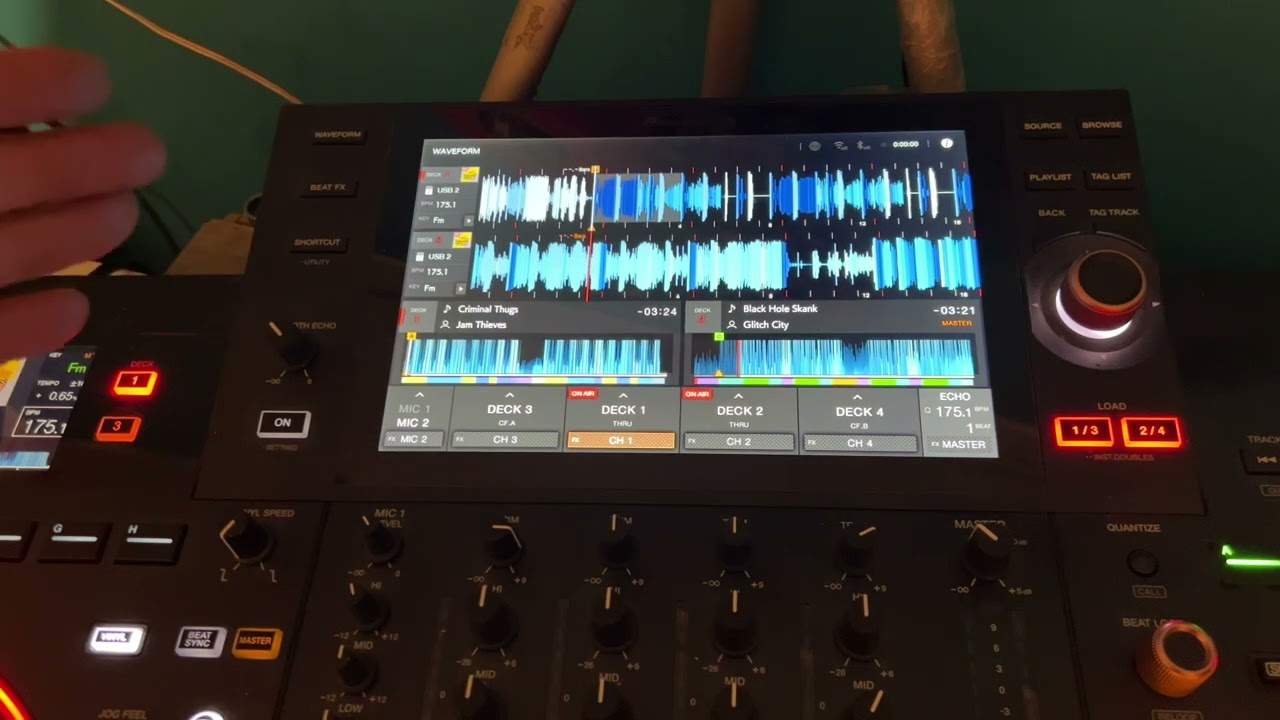
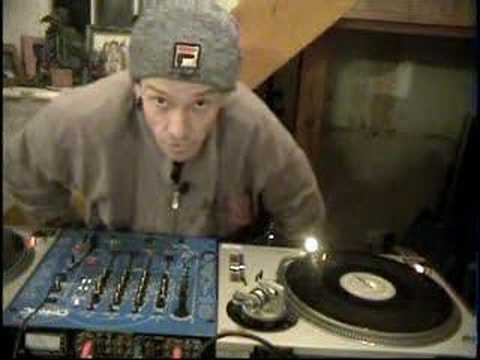
Alright folks, in this lesson what we're going to do, we're going to use the cut switch. As you can see I've got a different mixer. The reason I've got a different mixer is not because it's better, it's actually worse than the last one, it's just a bit old and a lot of the faders and sliders have absolutely had it. This one here, it has a proper cut switch at the top. In other words, a cut switch, it's not actually called a cut switch, it's just a knob that goes from phono to line. But in the late 80s, early 90s, there was another form of scratching that was made up called transforming. And basically what happened is the DJ would use a certain sample and instead of using crossfade or slider, he would use the switch here
And he'd go from line to phono. So what you'd have, instead of a shh, you'd have a t-t-t-t-t-t. It would actually cut and almost stop and start the sound perfectly. No gaps, no ins and outs, no lowering or heightening of volume. Same volume in and out continually. I will show you. Now, keep on licking my fingers because it's bloody cold in here. So have a listen.
1:19 What I'll do, I'll incorporate that now in a song, okay?
So what I'll do, I'll incorporate that now in a song, okay? So we'll bung this one back in. I'll turn the microphone off, okay? Okay, I think you get the general sort of idea. Like I said, I am no way near a very good scratch DJ, but what I was doing here, I had the volume up, I had the crossfade in the centre, I had the volume up here on the actual record I was using, and I was using the cut switch. The cut switch, basically top of your mixer, you should have a switch that goes from phono, which is your turntable, to line, which is your CD, your PC, your MP3 player. All you're doing is you're moving, as I've shown you in the first, second and third lesson, you're moving the record backwards and forwards and you're moving the switch, cutting it. Now again, what you can do
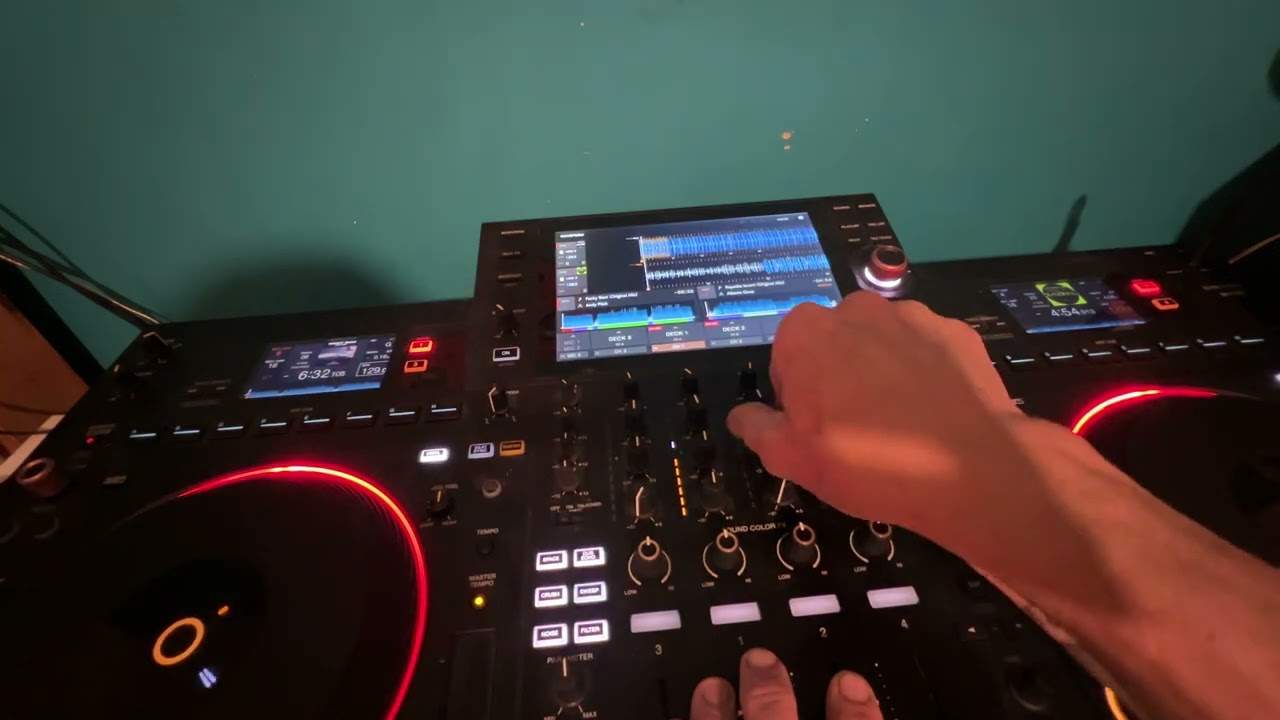
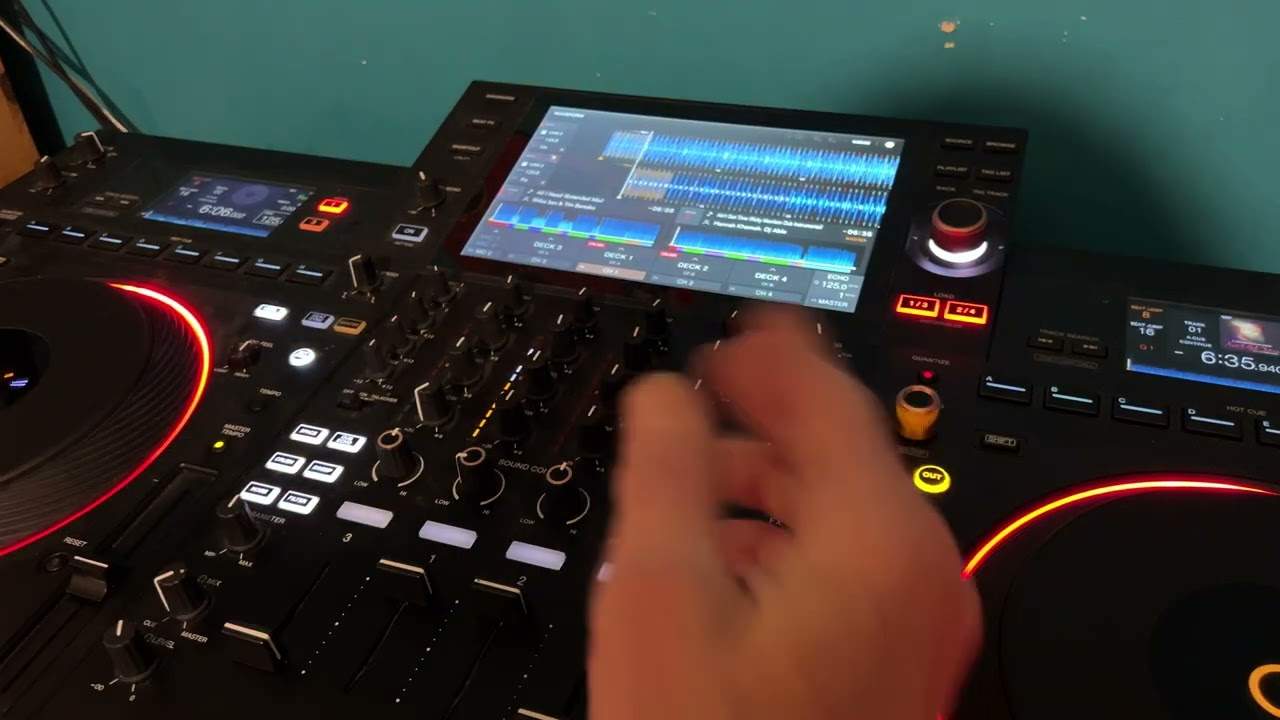
You can just bring the record forward, let it go of its own accord on the platter and cut it. You can bring it back slowly, cut it. But then also you can speed it up, slow it down and cut at the same time. So in other words, we can do... Or we could do... Again, not a very good example, I do apologise, but it's all about practice, OK? So that is a lesson in how to transform. Remember your... Your actual control here at the top, which is a switch from phono to line. But the new modern day mixers, the crossfade is so fine and intricate that you can see people doing what's known as a crab, whereby they're moving their fingers like so. What they're actually doing is exactly the same near enough as what I'm doing here. But instead of me going ah, ah, ah, they're able to go rah, rah, rah. So you get a more defined and quicker cut, okay? Keep in touch. Thank you very much. Bye-bye.
This transcript was produced automatically from the audio of the video and may contain mistakes.