 11:06
DJ Help to Form the Best Sounding Loop
Contents of the video
0:00 Hopefully this will help you form that perfect loop
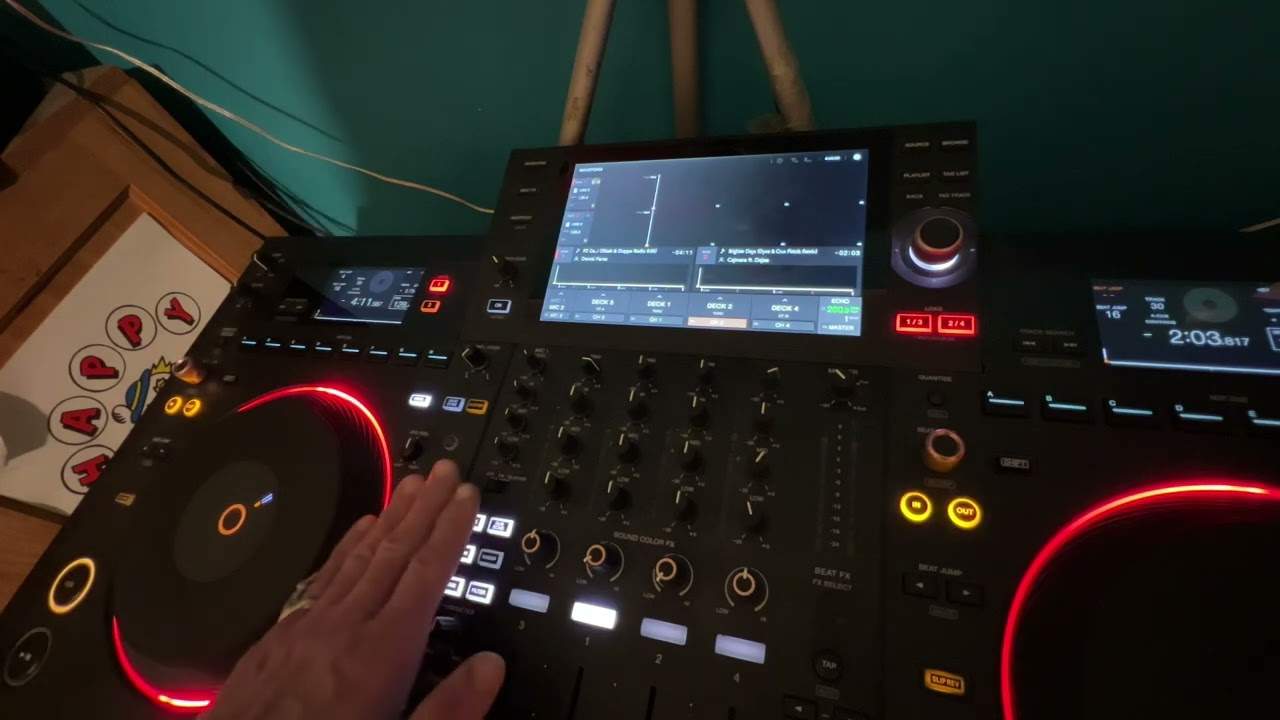
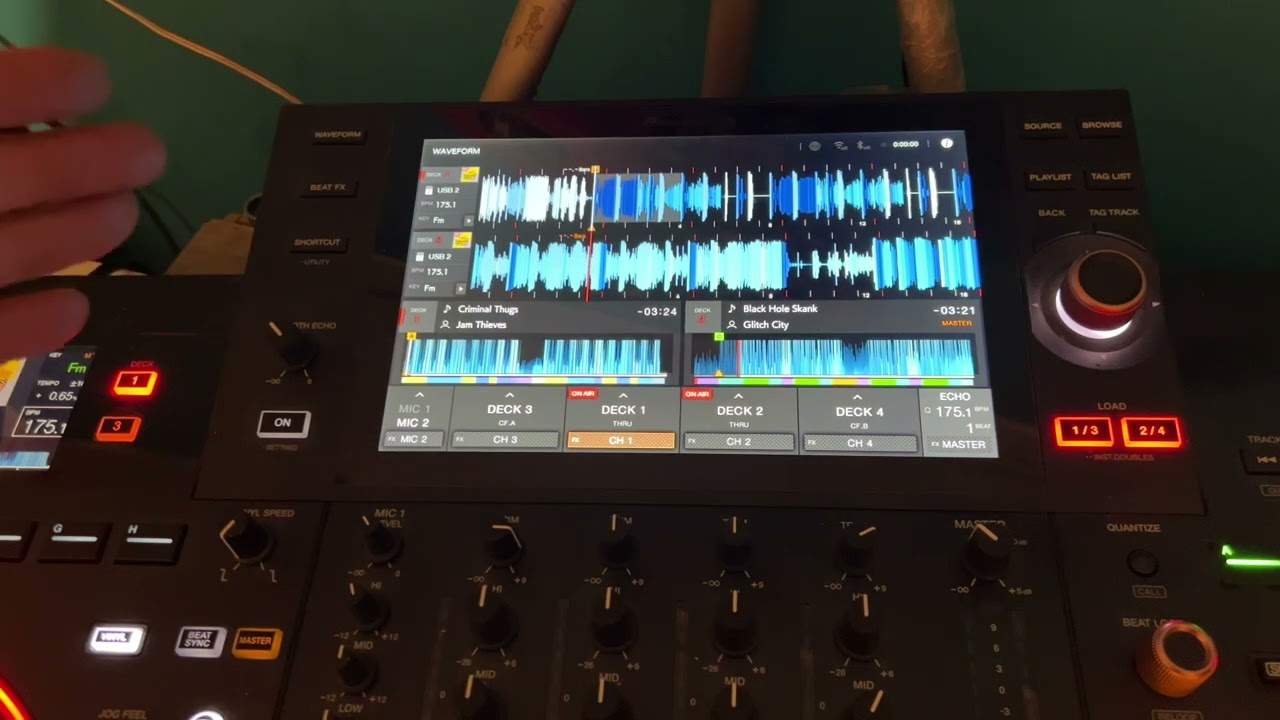
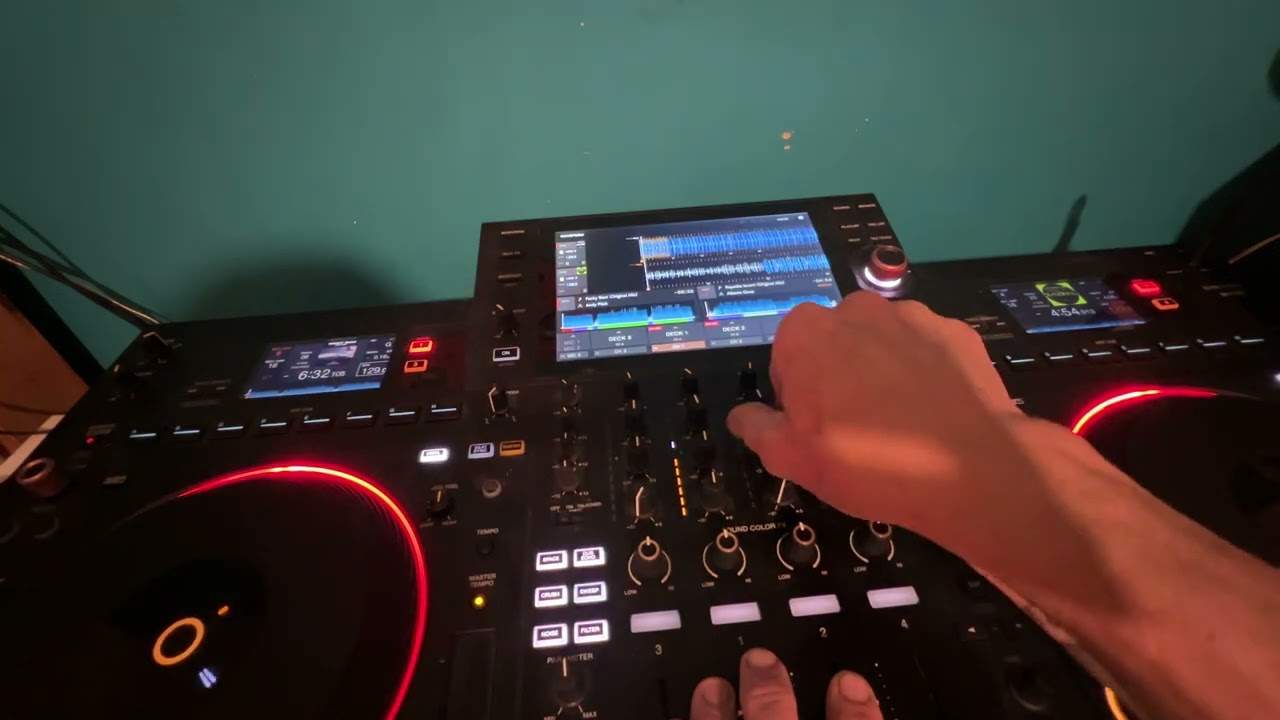
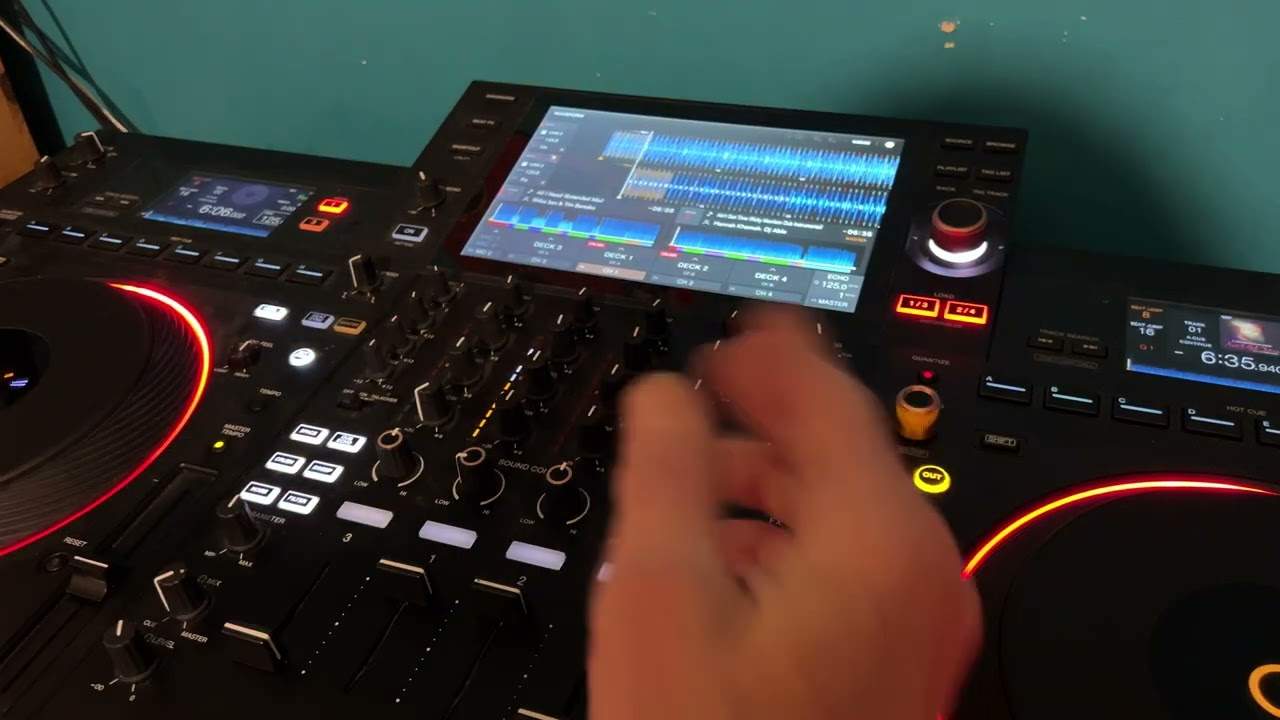
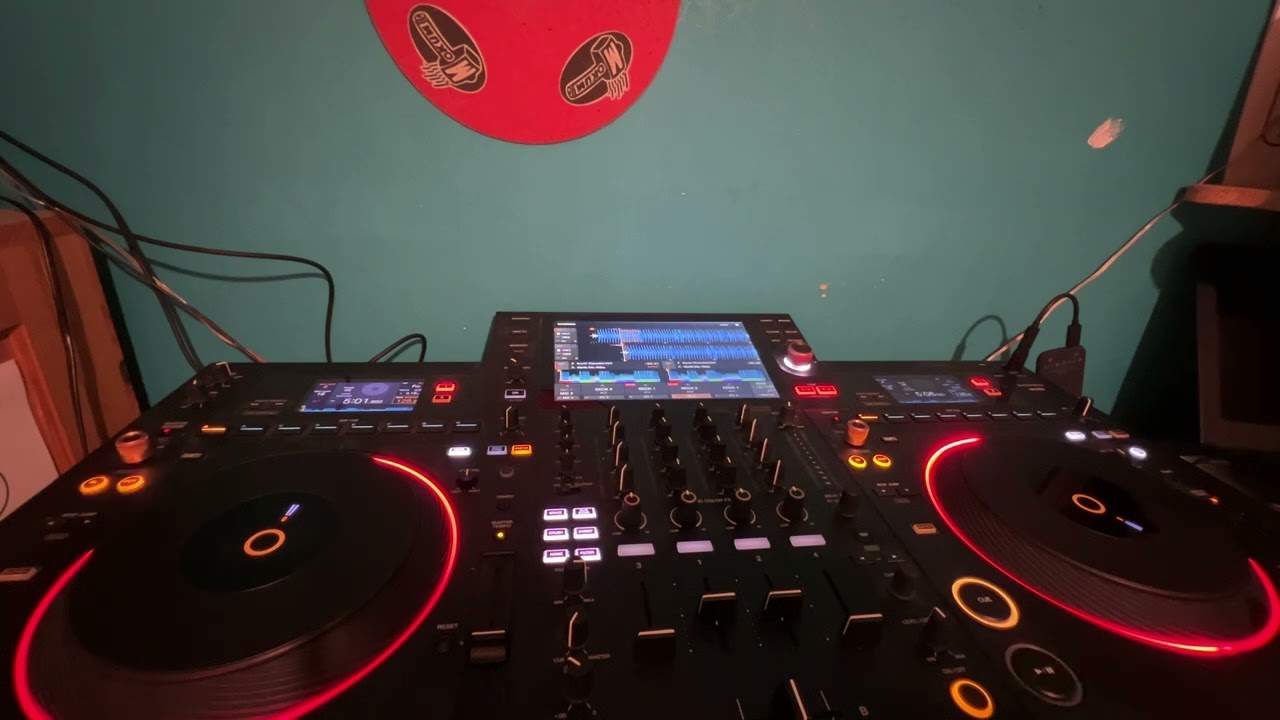
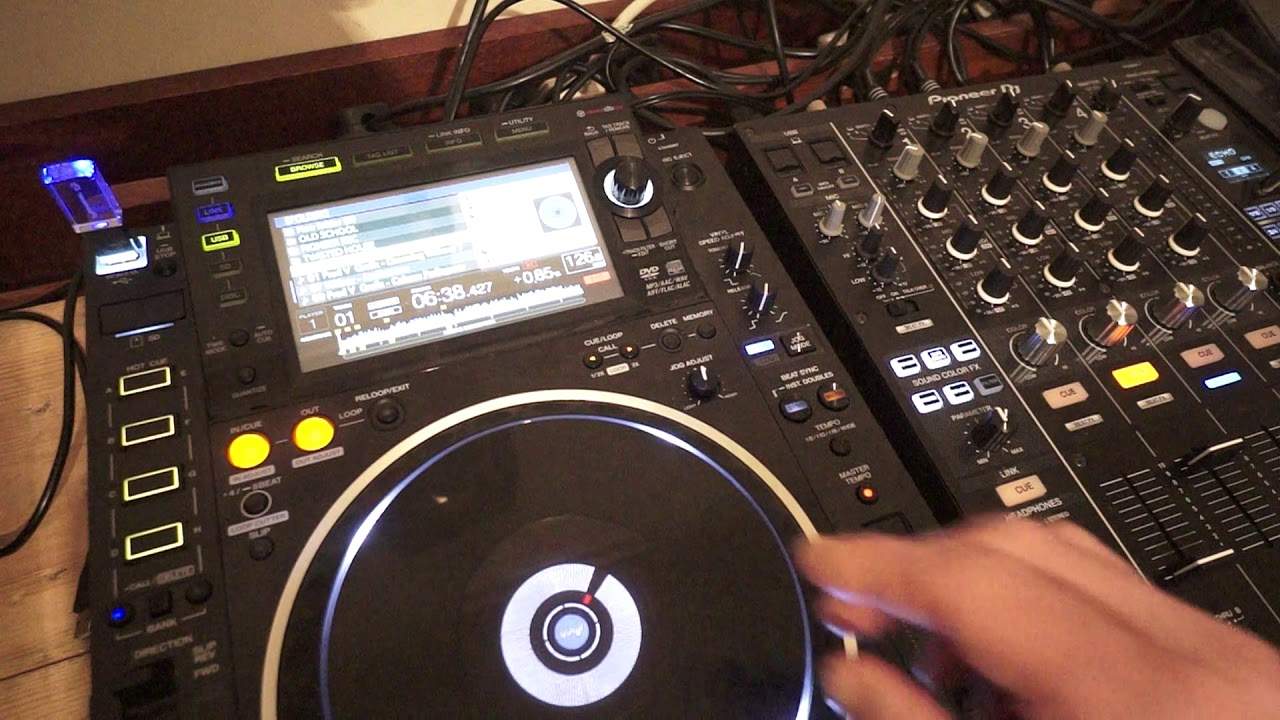
Alright guys, hopefully this will help you form that perfect loop. Tune in music by the way is from the Karmic Power Records stable from Mr Lenny Fontana himself featuring Alison Limerick, a track entitled Bye Bye, it's the extended mix. There will be a few links in the description that will take you to this track and also Karmic Power Records. Now what I've done first of all is I've set a whole bunch of loops and for the partially sighted you can do... You can pretty much do loops on any piece of kit nowadays, even the most inexpensive to the most expensive. Also, just to let you know as well, I'm not using the rekordbox software. I'm using the original file and the loops I've made, I've made manually using the in and out. So this video is not about how perfect the loop is in timing, in the time.
It's about just listening to it. Is it pleasing to the ear or does that loop sound repetitive? Now let's have a listen to the beginning of the track first of all. Okay, so now let's play the beginning of the track again. This time let's count how many bars we've got before the vocals start. 1, 1, 2, 3, 2, 1, 2, 3, 3, 1, 2, 3, 4, 1, 2, 3, 5, 7, 1, 2, 3. Okay, so the vocals start just after the eighth bar which is of course in time with the phrasing. Now I don't know if you heard but we had a change in the drum pattern after the first four bars. So have a listen again. So what I did earlier is I just formed a two-bar loop. Now the drum pattern changed after every two bars for the first four bars. So by my action of forming a two-bar loop
And playing that over and over again is pretty much exactly the same as the first four bars in the track. The only difference being now is that I can play that two bar loop indefinitely and it will sound as though the beginning of the track is like an extended, extended version. Here we go. Now that to me does not sound repetitive at all because what I've done, I've understood how the producer has made the track And I've tried not to change that production, but just make it my own by forming a loop in time with how the original track was made. Alright, now what I did again earlier is form another loop. I've formed quite a few actually, but this one is a repetitive loop. Now this is the sort of loop that would sound terrible if left to play by itself.
3:30 I think you get the general idea there
Here we go. I think you get the general idea there. Now, there's only one way and one way only of making a loop like that sound sort of a little bit pleasing. But even then, you still would not want to play it for a long time. And that is by using an effect. So I'm going to add some filter. Here we go. It is paramount, it is very important to make sure you A. know the timing of the loop, whether it be 1 bar, 2 bars, 4 bars and so on 8. Try not to do 3 or 5 because that's just going to sound completely rubbish. Stick to 2, 4, 8 and maybe even 16 but again by the time you get to 16 there's probably no need to do a loop anyway. Always make sure you keep to those time signatures or that amount of bars, let's say. But also what's very important is when, for example, you form a two-bar loop, don't let it play for three times, don't let it play for five times. You need to make sure that you play it for either four times or eight times, exactly the same with a four-bar loop. Don't play it...
Three times. Don't play it five times because if you play it three or five times and you're mixing that loop in with another track, then it will be out of phrase with the other track. Now this is something that is trial and error for yourself. Alright, let's go to another one of the loops. This is with some of the vocals. A four bar loop. Now what I did there, what I made sure I did... I started the loop before the vocals started and I finished the loop after the vocals finished. What you don't want to do or try desperately not to do is form a loop and chop some of the vocals because of course where you chop the vocals, you can hear that. So as soon as the loop starts again, you can hear where the vocals have been chopped in and it just doesn't sound professional at all. Let's have a listen to another one.
So this is a perfect example now of maybe stretching the limit a little bit. So here what I did, I formed a loop and if you can hear right at the beginning, I just sort of accidentally, well not accidentally because it's all in time, but I just cut those vocals up a little bit. Have a listen. There is a way around this. It's slightly more technical. It's more intermediate to advanced styles, but where you can start the loop not on the one, but then if you start the loop on another part of the bar, not just on the one, maybe you started on the and in between one and two, you need to make sure that when you finish your loop, you finish it at the same time as you started it. So it's pointless starting the loop on the and
8:27 All you've got to remember now is if you do start your loop
In between 1 and 2 and finishing it on the 1 because it's just going to sound off and terrible. And when you try and mix that loop in with the next track, it will be out of time very quickly. I'll give you a demonstration there on definitely how not to form a loop. Now what I did there... I started the loop on the AND in between the 1 and 2, but I finished it on the 1. Now we'll do that correctly, starting it on the AND in between 1 and 2 and finishing it on the AND in between 1 and 2. So let's get rid of that one. Let's put that now into a hot cue. All you've got to remember now is if you do start your loop... Not on the count of one. If you want to bring that loop into the mix and you've set that into a hot cue, you need to also start the hot cue at the same time signature you started the loop. Because if you start it then on the one, it will sound off. So for example, let's just play the track and go back to that loop that I made just then that wasn't started on the one. I'm now going to start the loop on the one. Oh, sorry.
It was off. What I'm going to do is start it at the correct time signature. So play that back if you want, tap your foot to it. The first time I did it should be off, the second time should be in time. Alright, so I hope this has been a help. Don't forget, post any questions down there and if you're interested in taking part, there's a closed group I've started now on Facebook that's for a limited amount of people. It's £30 a month. Once you pay the fee, you get invited and there are private demonstrations and lessons on there for just a handful of people. It's really targeted for the beginner DJ but if you are interested, send me an email and I'll explain via an email how you can play a part. Once again, thank you very much to Mr Lenny Fontana, also Alison Limerick. Bye bye, the extended mix, practice and enjoy. Thank you.
This transcript was produced automatically from the audio of the video and may contain mistakes.