 9:25
Dj help,Using bass, mid , top,x f'd & balance; djtutor.com
Contents of the video
0:00 You go from phono to line, okay?
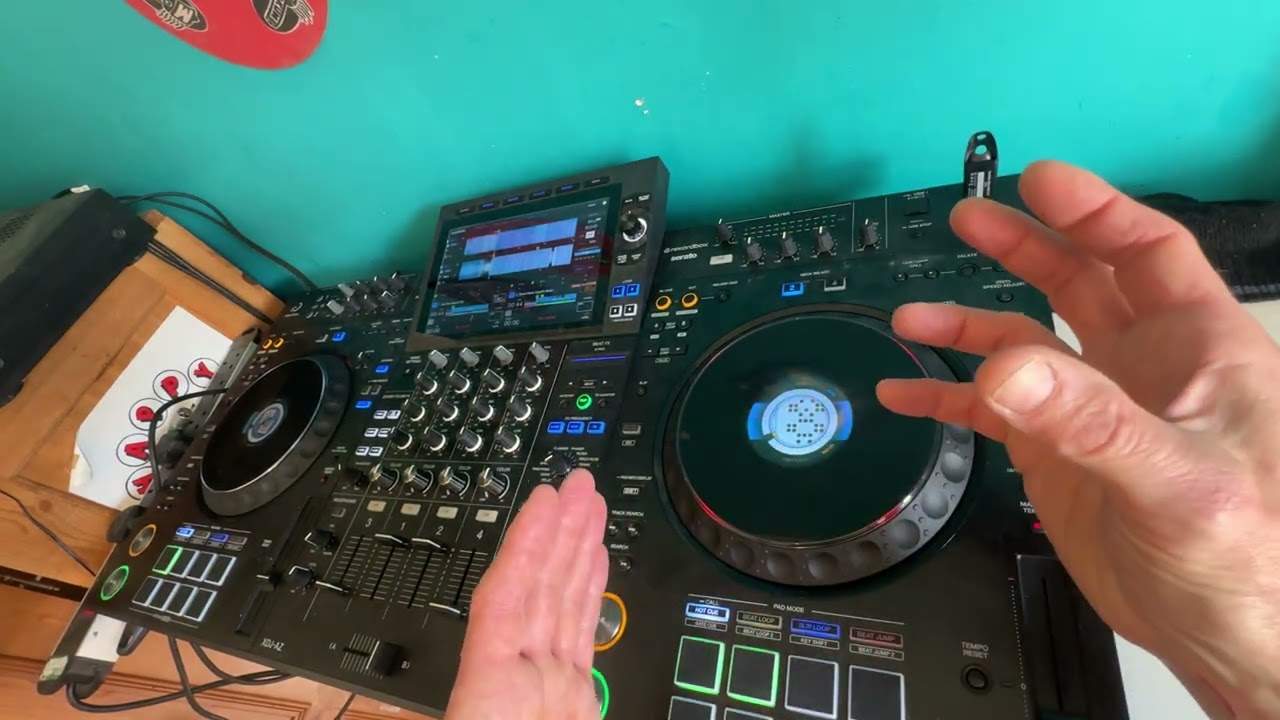
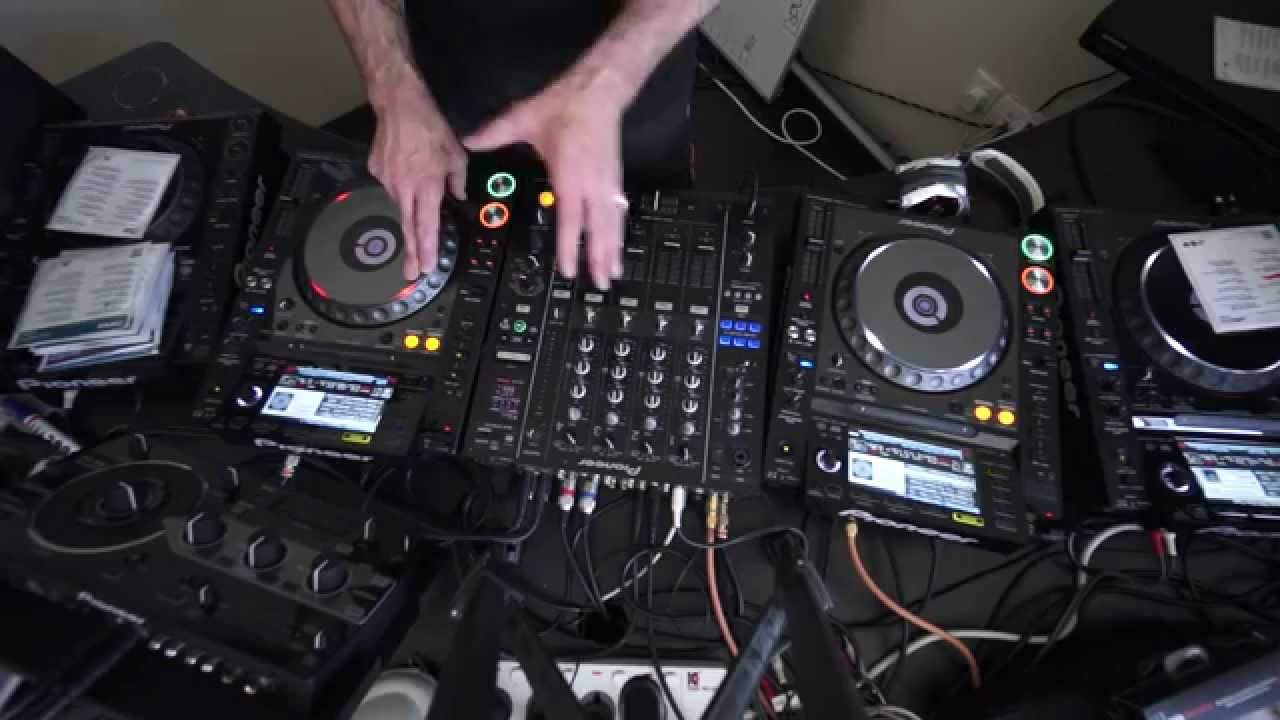
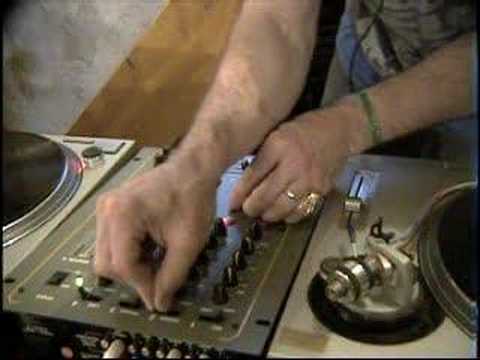
Folks, what we're going to be doing in this lesson is utilising, let me go down here. Hello. We're going to be utilising the balance of bass, mid and treble and the volume controls. A couple of people have emailed and said can we have a lesson on that? So what we'll do is the reason we've got a close-up so you can see here. First knobbly bits here are the balance, second knobbly bits the low, then the mid, then the high, then the gain, then the cut switches, I call them flap switches because they're like flappies. Crap. You go from phono to line, okay? So that's from phono to say CD, DVD, MP3, washing machine, whatever you want to do. Not really washing machine. And then you've got the faders here. A bit quick cough there. Right, what I'm going to be doing, I'm going to be going up and down slightly with the faders.
Using the crossfade a little bit, basically experimenting, having a bit of fun, which is what it's all about, what you can do. I've got one track on this side that I'm going to be just throwing right in, bringing the track here on this side, okay, bringing it in. It may go off a little bit because I haven't got any headphones, so I do apologise. And then the third track I'm going to bring in, we'll be concentrating more... I will never go over half twelve on the low because the more bass you put into the speaker, the lesser quality of sound you will get out of that speaker. I will explain in a future video. Mid, more likely we can go maybe to about 3 o'clock, same with the high to about 3 o'clock, but always got to be careful of the CDs, the compression drivers, because you can blow those if the PA is very loud, okay? Likewise really with any other speaker. Alright, so I'm also, I haven't got any headphones on and I've got a microphone on so I'll be doing a lot of things, so if the beat does go off, I do apologise. Okay, off we go. Right, I'm going to cue this one in, you'd be hearing this sound, you'd be hearing this on your headphones. Mash up for you.
7:53 I was using the balance control going from right to left
Okay, what was I doing? I was using the balance control going from right to left. So what was happening, the right deck was on the right hand side at one point, the left deck was on the left hand side and then I was going the total opposite. So then the right deck was on the left hand side, the left deck was on the right hand side. I was utilizing the low mids and highs sometimes when there was maybe a bit more bass on this side. I would increase the bass, lower the bass on the other side to compensate. A lot of DJs, what you'll see them doing is moving both basses together. Two things. One thing is that there's too much going on because bass is such a low frequency. You imagine your bass speakers, they'll be pumping out so much, you'll actually lose the definition from your mid and your top. If you've only got speakers with one speaker in, imagine that speaker is doing that motion.
That's a big one, isn't it? Sorry, beg your pardon. So what's happening is you're losing this mid and top, okay? So it's always a good idea if you're going to increase only one bass... Sorry, it's always a good idea, I'll start again, to only increase one bass side, not both together. Mid and top, it's not so bad, OK? But remember, high end, OK? Just the same as the low end. If you increase the low end on a big sound system, if it's loud, you can blow the big speakers. If you increase the high end too much, you can blow compression drivers and they are very expensive, OK? Thank you very much for watching. Bye bye.
This transcript was produced automatically from the audio of the video and may contain mistakes.