 11:30
DJ Help with Mixing Drum and bass Easy to Hard DJ Lesson BY Ellaskins the DJ Tutor
Contents of the video
0:00 Using a track here by Whiny entitled Portal
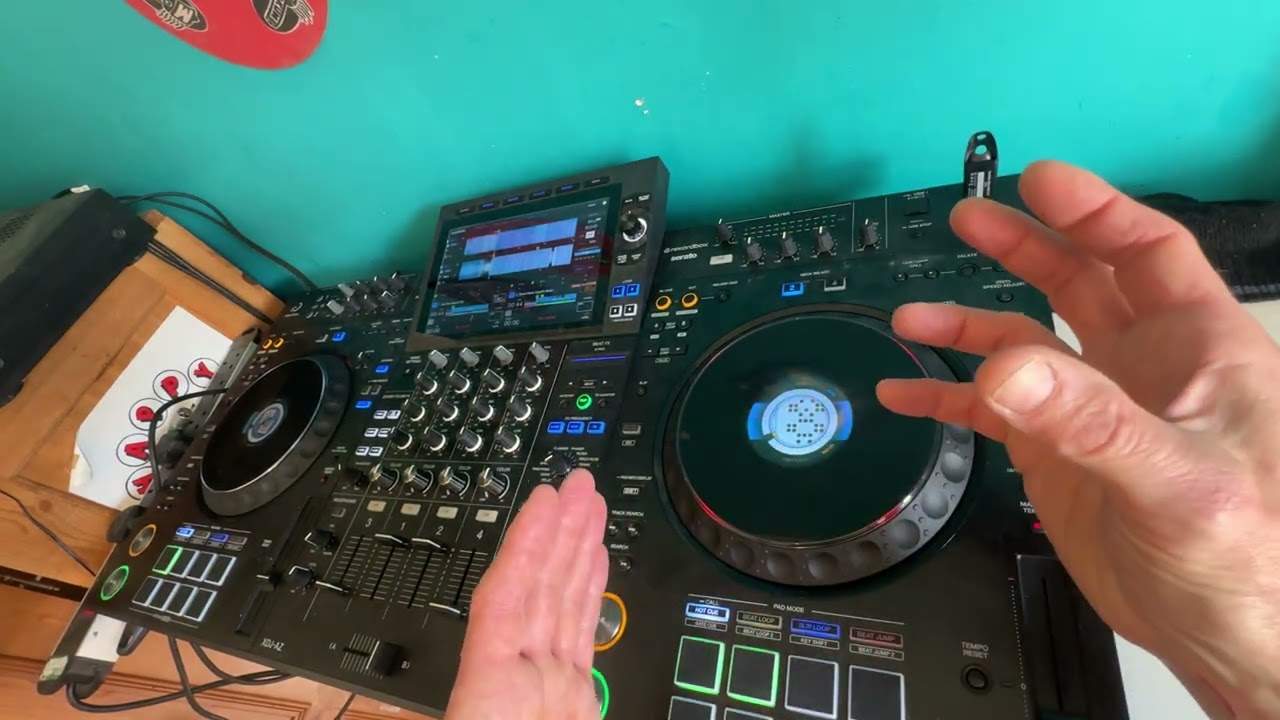
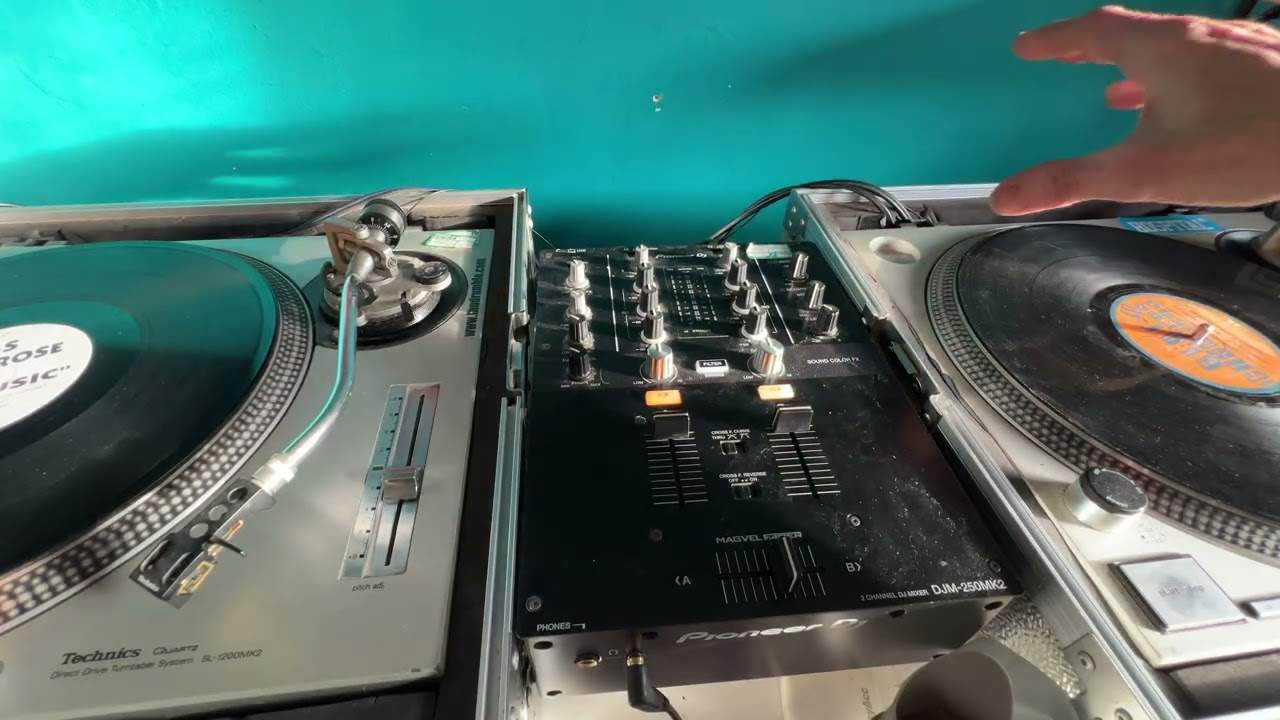
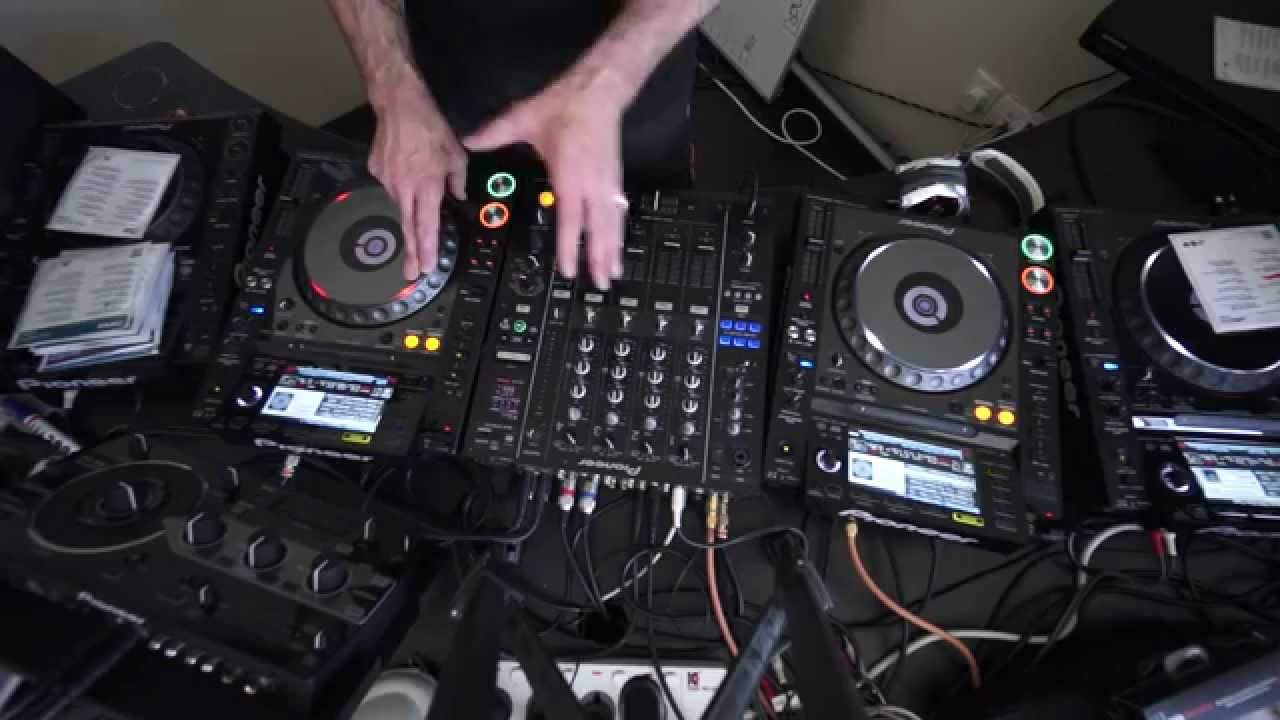
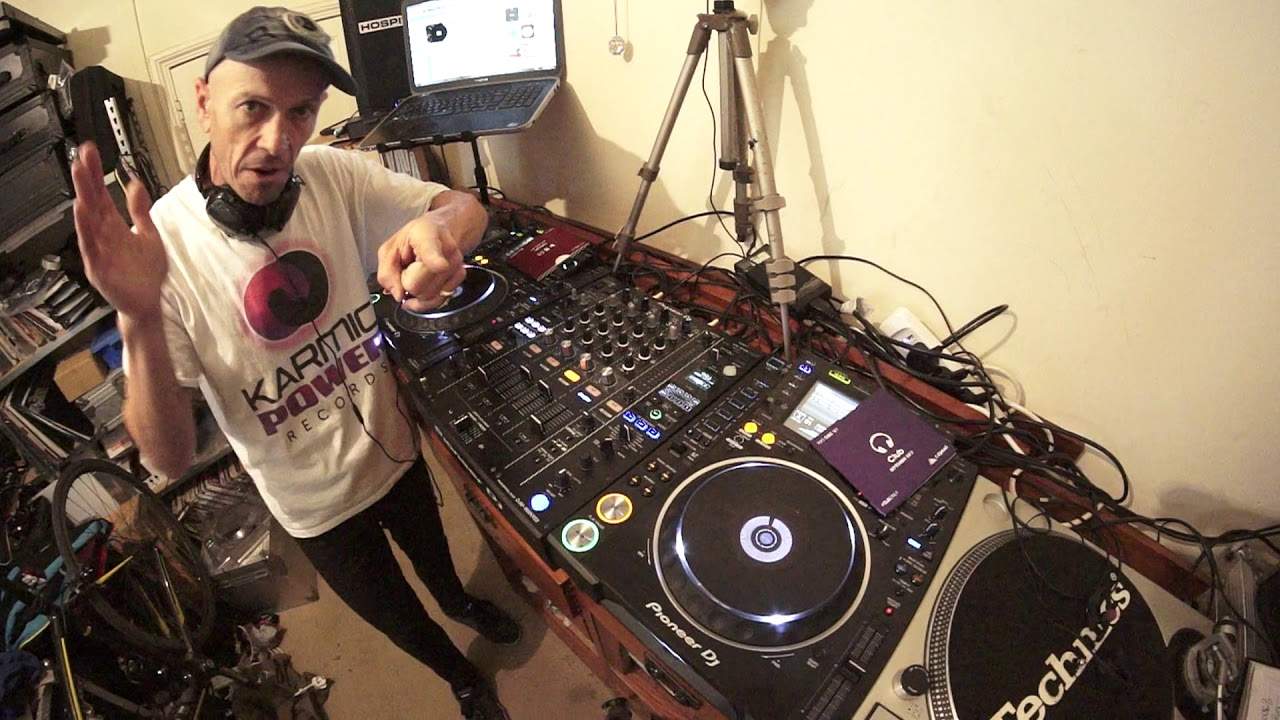
Right guys, using a track here by Whiny entitled Portal. It's taken from Hospital Records, taken from the LP Talisman. There will be information in the description of this video right down there on the whole LP, including all of the other tracks. Now this video is for the beginner up to, I would say, someone who just wants to brush up on drum and bass beatmatching because it starts off easy, but then I guarantee you it will get very, very difficult, even for the most professional DJ out there. So make note. Right, so first of all, what I have done, I have set a cue point on the track at the beginning of the video. Okay, both decks, we've got a mirror image. Now what I'm about to show you can be done on any single, any controller out there, any software, also DVS as well.
So if you're using virtual vinyl, you can do exactly the same thing. So it's not a question of having the best kit. You could have a controller that's worth 200 quid, even, I don't know, whatever, but just watch. Learn and hopefully listen, and actually listen and learn and watch and hope. Hope. That's a good one. Right, so what I've done, I've got the pitches now set at plus and minus 6%. So in other words, if I move the pitch all the way to the minus position, the track will reduce by 6% of the original BPM. In other words, if let's say, for example, it's 100 BPM, it will go down to 94. On the other hand, if I bring it towards me, it's going to go. To 106 BPM. The same applies for 10, 16 and wide. But of course, it will increase and decrease by 10%, meaning 90 and 110. 16 will be 84, will be 116 and wide will be stop and 200. I hope that makes sense.
2:17 This actual tutorial does have a twist, so hold tight
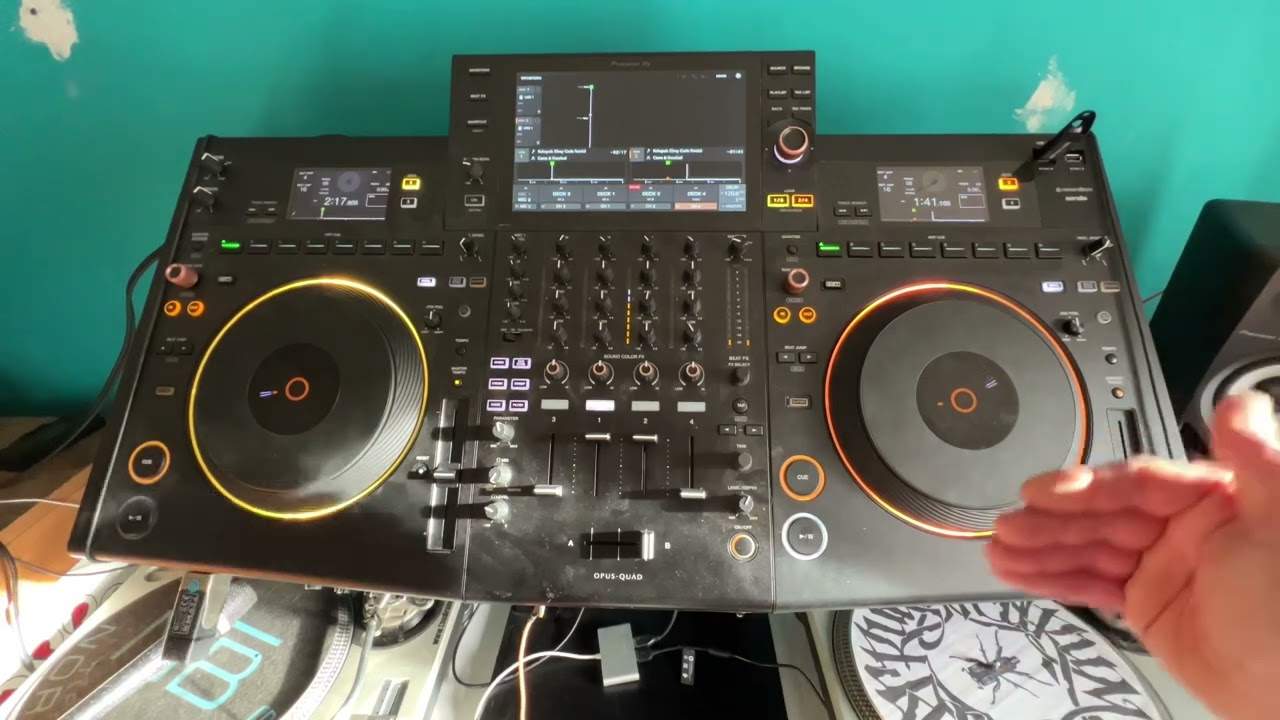
So what I'm going to do, I'm now going to cover the screens on both of the decks. Now this does. This actual tutorial does have a twist, so hold tight. So I'm going to reduce the I'm going to slow the track down a little bit. The pitches are around about the same position now again because it's both they're both at plus 6% that should tell you, it tells me that the pitches are going to be exactly at the same position wherever they are, because it's the same amount of percentage. I'm slowing the two tracks down. So this is what you will hear to begin with and my headphones are queued up on the right hand deck, so I have the queue pressed on the mixer. I will be using my right hand ear with one ear cup from the headphones over my right here and the left ear will be listening to the monitor.
So this is what I'm listening to and this is what you're listening to. I'm now going to have the crossfade on the left hand side and I'm gonna press play on both of the decks at the same time beat match them and then bring the crossfader over. So we have the two decks playing. I am listening for the phasing sound because the one tracks canceling the other out. So here we go relatively simple, proper that hill nice phasing sound 86.7 86.8 so you know when your 0.1 BPM out that's not too bad that that's gonna mix quite nicely for sort of 456 bars but you've got to make sure it's exactly in time to get a very good smooth long transition now that let's do a similar thing. I'm going to press the tempo select again and go no,
4:44 Higher percentage, then your mo
Let's not get a 10. Let's go to 16. Now this is slightly different because we've no longer got the same amount of control on the pitch. So if you think about it, you have a distance an exact precise distance in between the center point and the minus or center. Point and plus when you're at plus 6% you've got more chance of getting it in beat because that distance let's say for example from the center to as far as it will go. And that distance is on this particular picture is around about sort of four or five centimeters, then every few millimeters is going to be the equivalent of, let's say, quarter, of a BPM. I mean, there is there will be a science to this. There will be a mathematical formula to this but I'm not I don't want to delve into that at the moment.
But then when you go to a higher percentage, then your movements have got to be a lot smaller. So this is where fine-tuning is a little bit more difficult right? So we're at plus or minus 16 check plus 16 there plus or minus 16 there. Let's bring the pitch towards me on both of them and start the procedure again cue on the right hand side. That's what I'm listening to. This is what you're going to listen to start them off at the same time and make sure the right-hand side is beat match before I bring them in and hopefully we'll have that phasing sound off. We go now because they're the same BPM. Of course, the pitches are going to be in the same position. Now let's have a twist to this tutorial. What I'm going to do now is I'm now going to take the right hand side and I'm now going to go to plus and minus six.
Again now to prove that I've done that they were in time there. Now, let's start them off at the same time and let's listen to what it sounds like. It's going to sound terrible. Here we go.
Okay, so I have no longer got the visual part of looking at the pitches and thinking they're with the same position. Let's try and mix it in. Now. The pictures are going to be at different positions, right? So stop procedure again. Cross fade on the left hand side. I'm going to listen to the right. This is my right and this is what you're listening to on the left. Let's get that phasing sound. Okay, so here we go. Start them off at the same time. I'm bringing that pitch as far as it can come towards me, but it's still not beat matching. That means that this one here is still too fast. So what I'm going to do, I'm going to reduce the pitch on the left hand side to compensate. The fact that the right hand side is still too slow,
But I'm going to do that in the mix. So I'm now going to be using my two fingers to try and you don't really use two fingers. I'm going to use my two fingers to try and beat match them or two hands. Now this is slightly more technical. I told you this will get more difficult, but it's going to get even more difficult because this is where we're not now just beat matching on one. We're actually going to try and use the two. Two pitches. It's a skill that does take time, but if you can do it, it looks good as well. So here we go. Cued up there and cute up here. Here we go.
There we go. Right? So we did that didn't take long. Okay, it's practice. No, let's make it even more difficult. So what I'm going to do now is something that is a bit like walking on a tight rope without safety net about 500 meters in the air. You can fall flat on your ass. And you don't want to do that. I'm now going to set this deck on the right hand side to the wide feature. Now, the wide feature basically means that you have it practically will. You have got control over the pitch, but that same amount of space is now going to increase or decrease that track a hundred percent its original speed. So you have got to be very careful, but also the tiniest of moves will increase or decrease. This boot speed quite dramatically.
9:30 Let's take the camera off and let's have a look at screens
So I'm going to do the same thing. I'm going to move that picture there. So it's it's a little bit faster than it was and there were still on plus or minus 16. I looked at the BPM, so I'm going to reduce that down. I don't want to look at the BPM and cheat cover that one over again. And let's carry on with the same procedure. This is what you're going to listen to a lot faster this one here. So straight away. That's a lot faster. I've got to slow that one down. Very quickly. Here we go.
Jog wheel.
Okay, they're close.
Okay, right. Let's take the camera off and let's have a look at screens. Right? So there were on 92.3. Let me just reduce the amount of light coming in. So you see 92.3 and wide and 92.6. All right. So yeah, they're definitely not in beat, but this will give you an idea. All right. So there is. The website. I will give you a direct link there where you can listen to all of the tracks from the Talisman LP from Hospital Records and I must once again, give a big shout out and thank you very much to Hospital Records for letting me use their tunes and I will finish off with get your drum and bass at practice and enjoy. Thank you.
This transcript was produced automatically from the audio of the video and may contain mistakes.