 14:02
DJ Introduction to a Three Turntable Mix
Contents of the video
0:00 Some information on a three turntable mix
Right guys, some information on a three turntable mix. But first, an analogy. Now let's imagine you're going on holiday. You're by yourself, you're over the age of 18 and you've got a passport and you just want to go somewhere. You're not sure where you want to go so you pick up your passport, you've got some money, you've got some free time, you've got a couple of weeks. You can just pack your bag, put your toothbrush, your toothpaste in there, your underarm spray, passport, clothes and away you go. That's it. If you thought about it, so long as you've got your passport and you've got the time and you know what you're doing, you could pretty much be out of the front door within 10 minutes, literally, if you had to.
Or if you wanted to, you know, you can't stand the smell, you just need to get out. Get out, 10 minutes, you're on the train. Or in the car and you think, damn I forgot my trousers. We'll just go and buy some or damn I forgot this or that. Just go and get some. It doesn't matter because you're by yourself. Now on the other hand, you could not do that if you had a family of five or six. It would take years of organisation and planning. Great detail must be spent on making sure you don't forget any of the children even though you'd like to. So, DJing. What the frigging heck? I nearly said fur then. What the fur, fur, f-f-f-fur has that got to do with DJing? Well let's imagine the first part of the analogy. You going off on holiday by yourself. That's a two deck mix. It's pretty much two turntables one into the other.
1:39 Even though you've only got one more turntable
A three deck is like having a whole family and taking them abroad with you because there is so much planning involved. Now even though you've only got one more turntable. So, one deck. Two decks should be twice as difficult. Three decks, three times as difficult. No way. No. It's pretty much the difference between the devil and the deep blue sea. Big time. Because what you've got is you have that third deck. Now some people, not all, some people who perform a third deck mix in their eyes it's like this. They're playing one track. They mix in another one. And while the transition is taking place, they'll add an acapella or something like that. Well great. It does the job. Acapella finishes and then they're on to the second deck and then they've just got one deck playing.
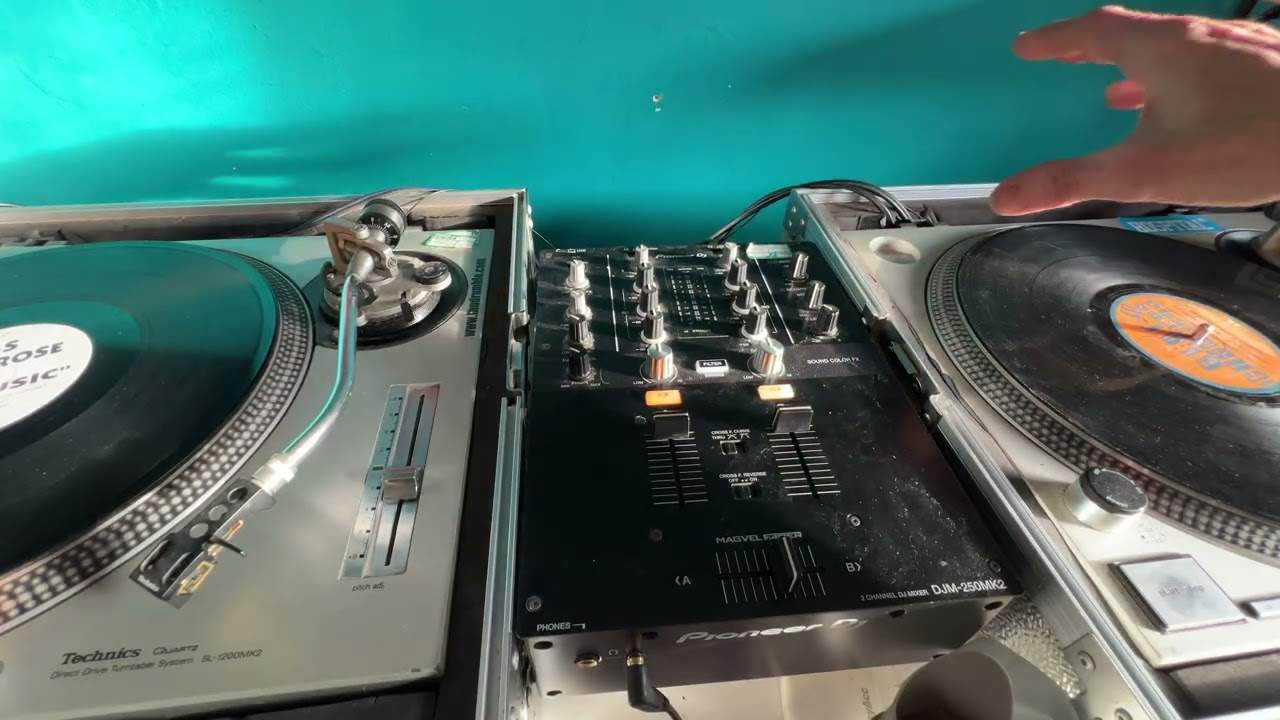
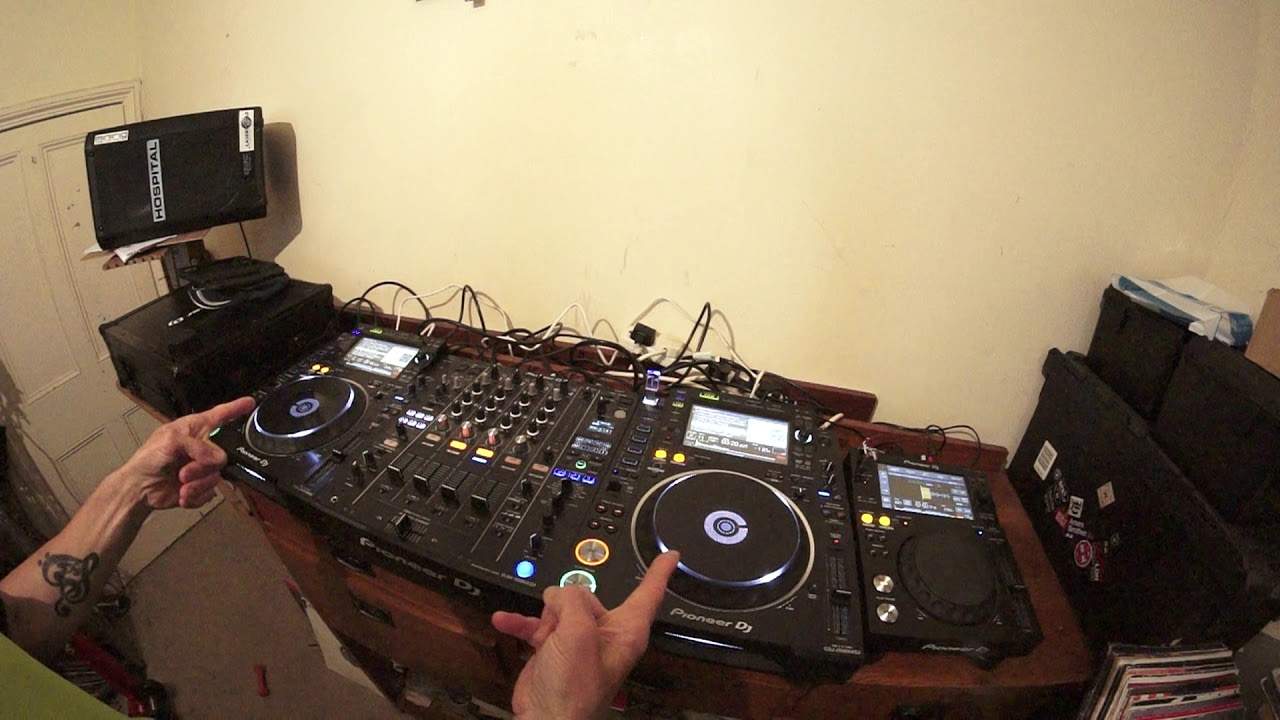
Well that really isn't a three deck mix. What is? How can we make a three deck mix? What's the definition for a three deck mix? Well in a way it's two turntables going all together. All of the time. Now this is the key here. It's always having two decks going. Sometimes three as well. So you may think, well yeah but that's just a two deck mix isn't it? If you've got two decks going. Well it is and it isn't. Because you can't have a two deck mix going all the time with two turntables because eventually they would stop. Because... What do you do when you want to bring another turntable? When you want to bring another track in should I say? So let me explain that first. Alright so let's have a look. Here we have three turntables and let's imagine we start with deck one.
4:20 Where for example at the moment now, pay attention this is vitally imp
So we're playing a track here and then we bring in a second track. So now we've got two decks going. So we've got a bit of a mashup taking place. Okay. So what you would do then, you would have your third deck ready, queued up as soon as you come to a correct phrase. You would start probably more than likely on your headphones to bring the third deck in. And then as the second deck or first deck track ends its part in the mix you bring in the third deck. So you still have two decks going. Alternatively, you can have the third deck come in for a short amount of time and then you bring out the first deck. So you've still got the two decks going. Now again when you have four turntables. That's when you can have three decks going all of the time.
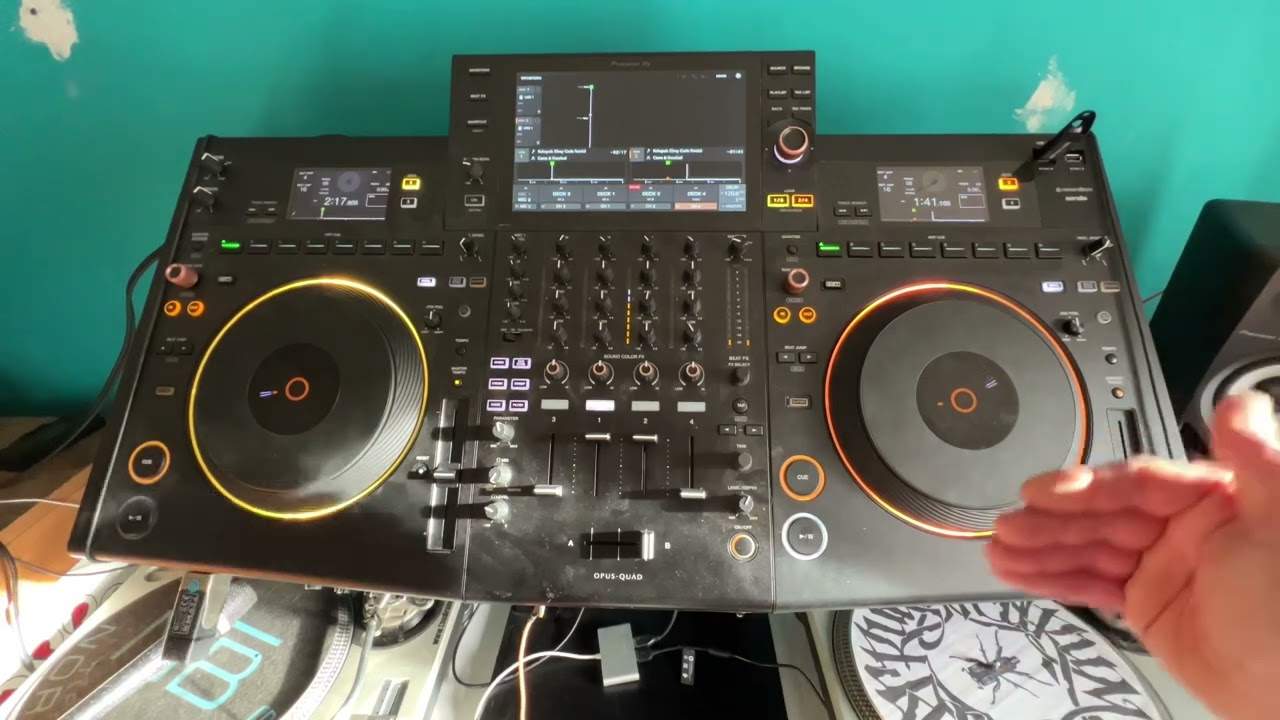
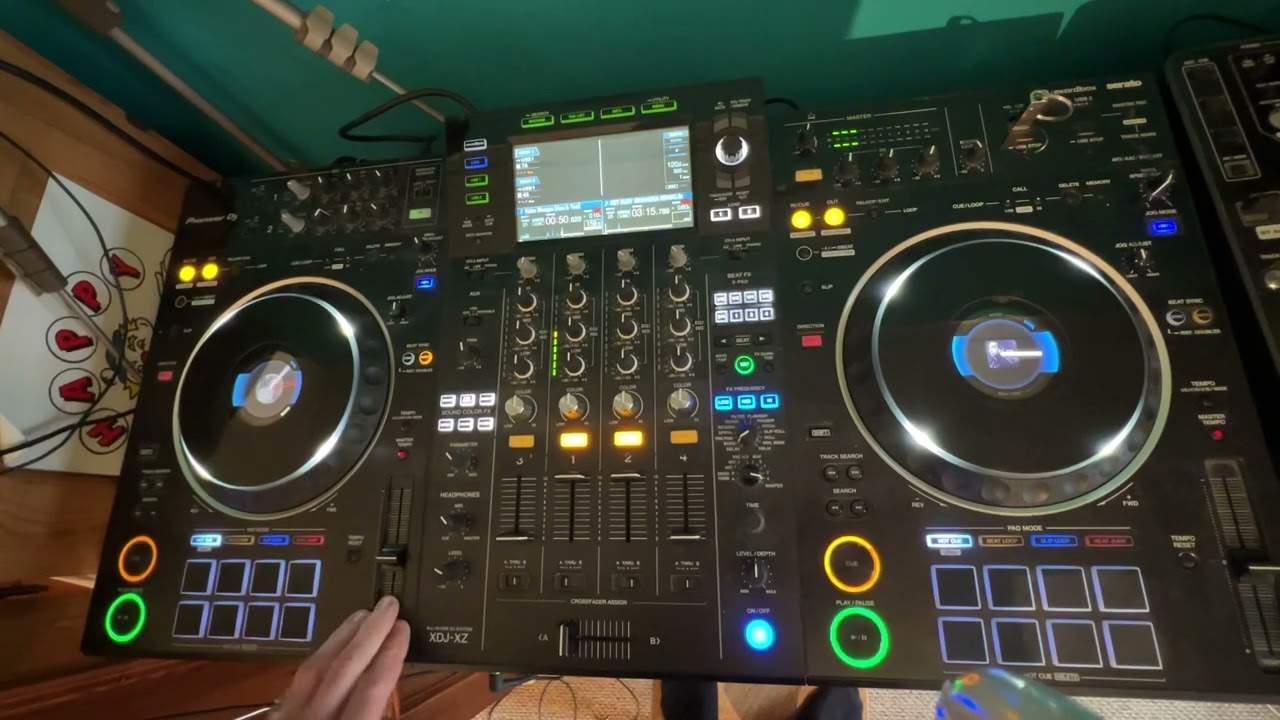
And I'll repeat that. You can have three decks going all of the time because you've got the fourth deck for the changeover. Whereas here when you've got three decks, you cannot have three decks going all of the time. Because you've got to be able to change the tracks. Unless you're very quick at switching or some kind of effect where maybe, which can be done. Where for example at the moment now, pay attention this is vitally important. Deck on the left is channel one. Deck on the right is channel two. Deck far right is channel three. Which leaves four. So for example what I could be doing is I could have a loop on deck one on the left using the effects. Or a roll for example. Sorry. Have that roll for like say two bars.
Flip that over to channel four. So now channel four is playing while these two decks, the two on the right are playing. So the one on the left now has gone from channel one to channel four. Don't worry this does make sense and I'm not talking a load of crap. Which means then you have got the left deck to then start all over again. So you know this is where it is very confusing. Especially confusing for beginners. So again two decks you can do a mash up but at some point you've got to bring one out. Which means one deck left to bring the next track in. Three decks, you can play three decks at the same time. But at some point during your mix if you don't follow what I've explained there. You will have to bring one deck out to bring the next track in.
6:48 It's going to be, so long as you've got quantize engaged theoretically
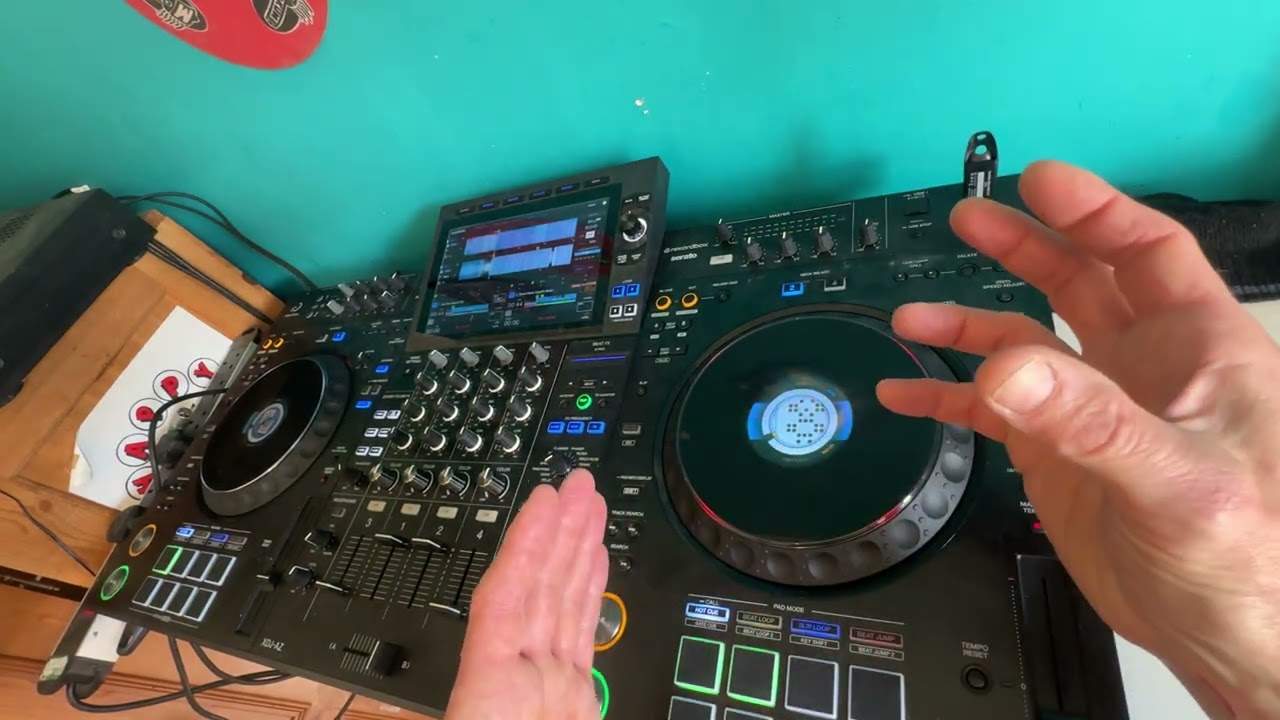
Four turntables, you can play all four. Um... But of course you've still got to bring one out to bring another track in. So what's a great way of practicing some kind of three deck mix? Now what I've done on the right hand side here, I've just got a very basic loop. Now I am not using record box here okay. So um... You know very quickly as well if you're going to be using the Pioneer kit. And you are going to be doing three decks or four decks. I highly recommend you use record box because then when you form a loop. Or you form a hot cue or the like. It's going to be, so long as you've got quantize engaged theoretically. That loop should be snap in time. This one hopefully is. So three decks going. Okay two decks going.
10:06 Some kind of three deck mix
You see here's the point. Now I need... To get another track. Now I've still got, I've got two decks. Taking the loop out. What I would recommend definitely. When doing three decks. Is practice of course. I mean... It goes without saying. But also planning. Now planning is the key. End of. Planning is probably more important than the mix itself. Now why? I mean because you know that's what people are going to be listening to and dancing to. Well if you think about it. If you make, and that wasn't planned okay. Some kind of three deck mix. And you don't plan it. Very likely it's going to sound shit. So by the action of you trying to do a three deck mix and impress loads of people. It's probably going to be worse than if you just did a two deck mix.
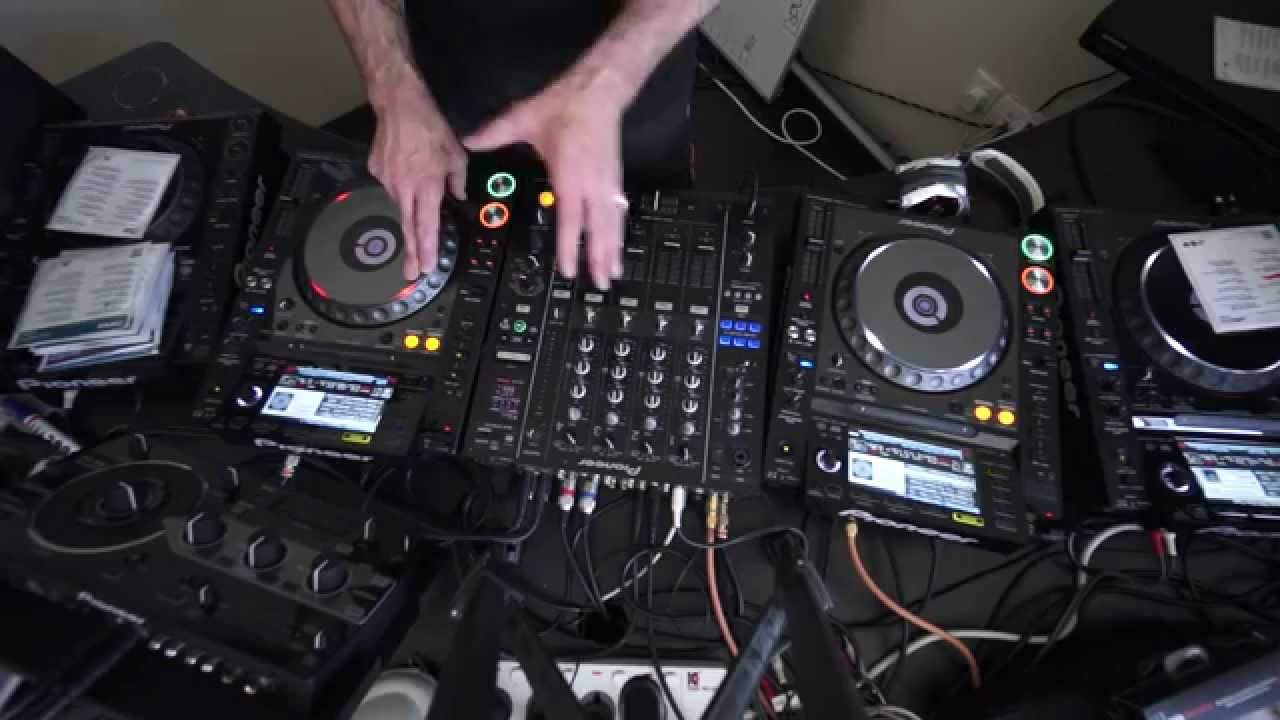
Because at least then you can concentrate on what you're doing. Now there is a guy out there called Delimentary. An old friend of mine. And I will put a link in the description of this video. From years ago when he came around my place. And he did a four deck mix. Now if you watch his mix okay. The audio isn't brilliant and the camera isn't brilliant because it's an old school video. But you can see there's always two decks going. Now also alright here are some tips for you as well. Whether you're using CD or whether you're using a laptop. Which is slightly different. I'm sure you'll understand. But let's say you're using CDs or you're using USB or thumb drive. What you need to make sure if you're using CDs that every CD is the same.
11:36 You can load track 14 in deck one
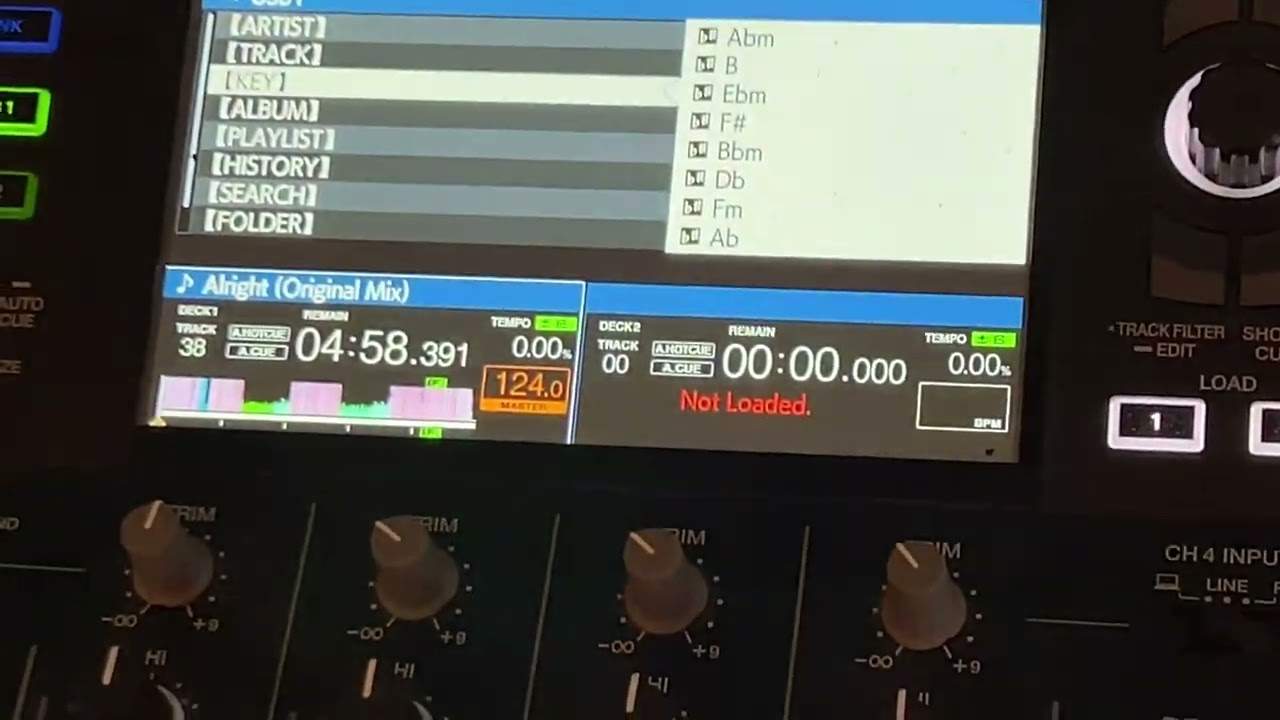
Why? Well let's imagine you make a mess up on one of the decks. Well at least then you don't have to unplug CDs and so on and mess around with them. If you've got every CD the same. You know that if a problem arises on one deck. You can switch to the other one. Because. You can load track 14 in deck one. Well guess what? You can load track 14 in deck three because it's the same track. Also for example if you've ever watched scratch turntablist DJs. The likes of the DMC championships. These guys will they'll do some kind of routine two or three minutes. And you're like well two, three minutes. Those guys have been practicing all bloody year for that. You know to the extent where they could. Well they can. They could do it blind.
They could be chatting away. Oh yeah. Yeah whatever. And the moves are so precise they have practiced them that much. They don't even have to think about it. Now Delimentary said to me this is a long time ago that the four deck mix he did. He practiced for weeks and weeks and weeks to get that nailed. So that is it. This is the key. When you do a two deck mix. You can pretty much go yeah that track goes in there. That goes in there. That goes in there. That goes in there. I'll bring track two into track one at the third phrase. I'll bring track three into track two at the end. And I'll bring track four into track three. Two phrases in. Bingo. Pretty simple. Yeah. Except it's not that simple because you've got to add effects if you need to.
And you've got to use your EQ maybe a bit of filter. You've got to know where to bring the bass out and in. Treble and so on. So it's not that easy. On the other hand three and four decks, it's right up there with the gods. Alright? Now I'm going to be doing more on this very soon. And what I will hopefully try and do is almost construct my own kind of three or four deck mix. So we can go over it step by step. Now I may be good at teaching but believe me there are a million DJs out there who are superior and are excellent at doing three and four deck mixes. So go and check them out on YouTube. And also you must check out that mix I did probably ten years ago on, I think it was about ten turntables. It's insane.
There were vinyl turntables. There were CD players. They're all over the bloody place. Just about got them in beat but that was fun. Practice and enjoy. Thank you.
This transcript was produced automatically from the audio of the video and may contain mistakes.