 5:28
DJ Lesson Mixing Old School Disco to House Music BY Ellaskins the DJ Tutor
Contents of the video
0:01 Two tunes we're using is Roy Ayres
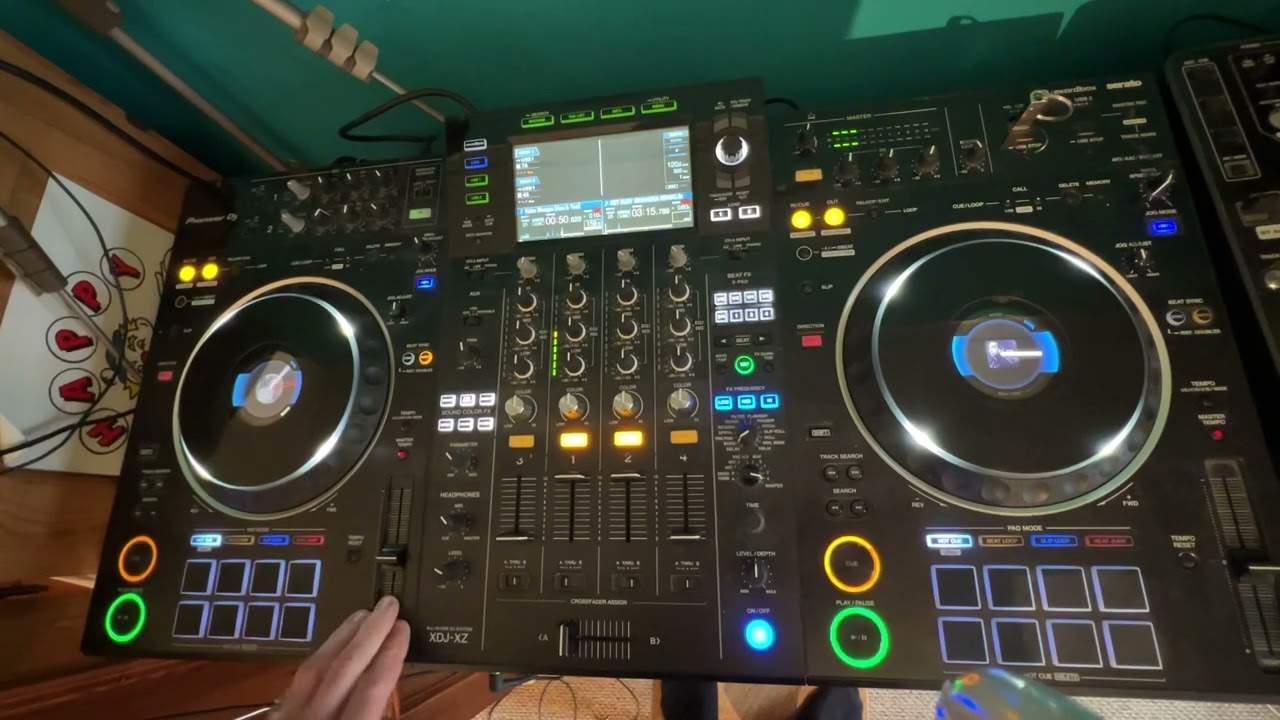
All right, ladies and gentlemen, a lot going on in this tutorial, but what we're going to do, we're going to mix in an old school disco style tune with a sort of a more up-tempo modern day house track. Two tunes we're using is Roy Ayres. It's an absolute monster of a cut. It's entitled Chicago. The reason I'm using this tune is it's almost got its own kind of house vibe anyway. It's a little bit slow. I've had to speed it up. We're mixing this into Chucky and LMFAO. Let the, hold on, just make sure we get all the correct name for you. Let the bass kick. It's the, you know, we're in Miami bitch track. Okay, so we'll have the Chucky tune. Have a listen. Now again, what I want you to do with this video is just look at
It from a random point of view and get some tips and tricks from it. You'll notice this is quite slow. That's where it should normally be. It's normally around about 128 BPM, but I've slowed it down because I want to mix the next tune in here, which is this one here by Roy Ayres. Now you'll first of all, you'll listen to what's going on here. Now believe it or not, there is timing. Bring it forward a bit. Wonderful, wonderful cut. Okay, first thing is very apparent about the Roy Ayres tune. Have a listen. Well, it's not actually. You've got to really listen hard, but you'll see what I mean. That first sound, listen. That first tiny part of the sound is not, I repeat, is not at the count of one. Listen.
1:54 I've also set a cue point here, cargo
But this part is there. There is a very tiny difference, but there's a big difference because if you try to start bringing the first sound in at the count of one, it may be slightly off, and it would cause problems. So I'm going to set a cue point from there. I've also set a cue point here, cargo. Now the ca is the point of count of one, not the sh, sh as in Chicago. Have a listen.
It's almost Chicago, two, three, one, two, three, Chicago, and so on. So I'm going to bring it in on the ca, sh, ca, cargo. Which is that one. Okay, so that's all well and good, but we haven't beat matched this. Now another thing to please listen, vitally important. This was made not with a drum machine. This was made with real people, real instruments. So the timing is going to be all over the place. It has structure. There is timing, but do not expect it to be perfectly in time. This is where a lot of people get it wrong. They seem to think, yeah, it's at 120 BPM. Fine. Set the pitch at 120. That one, put it at 120. Let it mix in. But believe me, after a few bars, it's going to be completely off. So you'll need to make sure
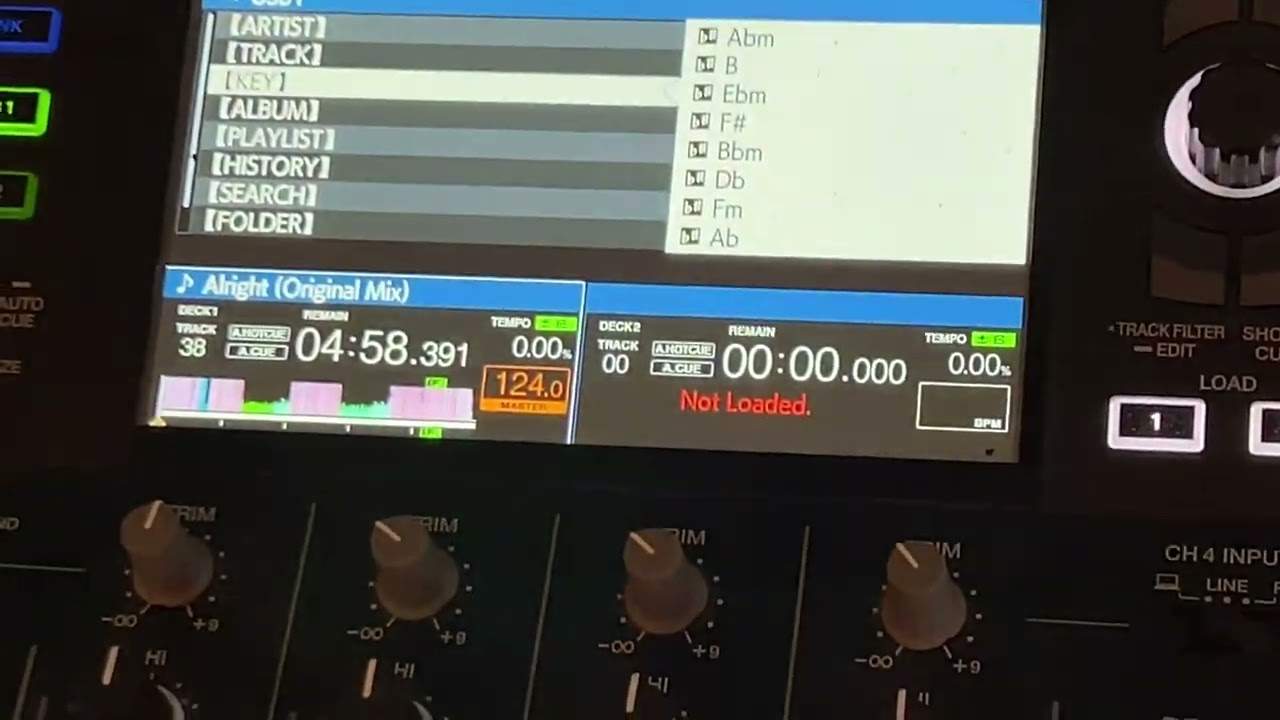
That you've got your finger on the pitch, headphones on, and you're listening to it. There are other ways of doing this, maybe forming a loop. But even if you form a loop, the loop could be slightly off by 0.001 of a BPM. And over time, that will start to go off as well. So this is what I would do. I am now setting this track, the Roy Ayres, to 120 BPM. So we've got the Chucky tune on.
4:17 We're going to listen to that part of the track
So we're going to listen to that part of the track. Okay, we're coming up to the last minute. So what I'm going to do now, I'm going to start to very slowly reduce the speed of the Chucky tune. I'm listening to the timing as well, phrasing. Watch my fingers. Now, if I want to now... I can now start to slow this down to its original speed. There you go. We have a transition from a modern day track made by a drum machine to a track made by people. Go on and practice and enjoy, thank you. One hell of a cut, this.
This transcript was produced automatically from the audio of the video and may contain mistakes.