 7:22
Mixing techniques for mobile work
On YouTube this video is called DJ Lesson Mobile DJ Mixing Techniques..1
What this lesson teaches
He is irritated and he is right to be.
The thing he is arguing with
The attitude that if you cannot mix you are not a DJ. If you cannot put two tracks together you are not a DJ. If you cannot hold a beatmatch for eight bars you are not a DJ.
His response is blunt and correct: being a DJ is about playing music. You need flow, you need some continuity of timing and feel, and beyond that the requirements depend entirely on the job.
What mobile DJs actually do
And this is the factual part that settles the argument.
Anybody who has done mobile work for any length of time will tell you they do not mix continuously all night. A club DJ playing one genre does; a house DJ does, and the crowd came partly to hear it.
A mobile DJ is playing across every era and style to a room of all ages, where the next record might be forty years and sixty BPM away from this one. Continuous beatmatching is not merely difficult there, it is the wrong goal - it would force the whole night into one tempo and one feel.
What matters instead
Transitions that work. Not blends - transitions. One record ending and the next beginning in a way that keeps the room moving.
Key and feel. The same requirements as any other mix, applied to tracks that will never share a tempo.
Continuity. The sense that the evening is going somewhere, which comes from selection and ordering rather than from technique.
Two ways to chop
He demonstrates a hip-hop track against an old-school one: one simple and straightforward method, and a second that is more involved.
That is the real mobile toolkit - a handful of reliable ways to get from any record to any other record, chosen to suit the pair in front of you. It is a different skill from beatmatching, it is harder in some respects, and the people who are good at it are good at a job that beatmatching alone would not get them through.
Contents of the video
0:01 Very important, people seem to think
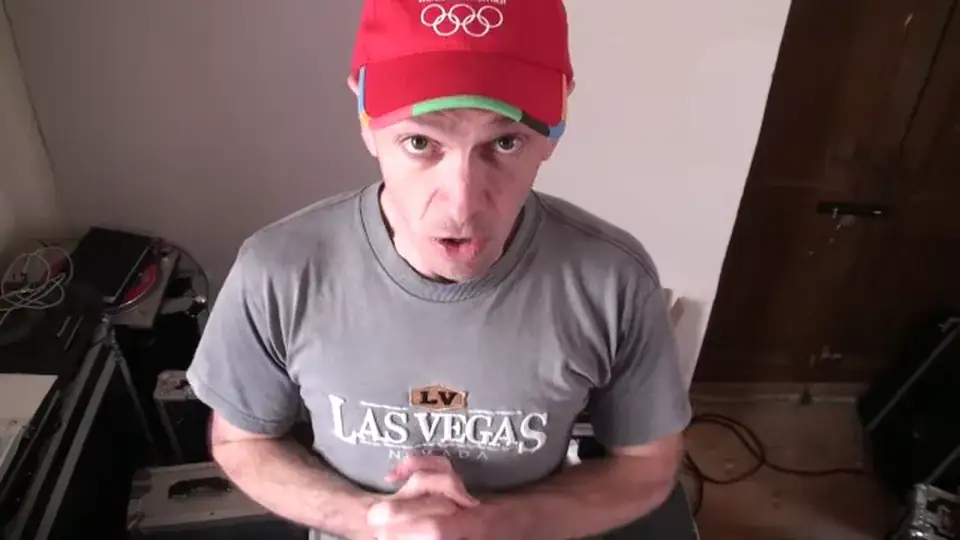
Alright ladies and gentlemen, I'm going to be doing a selection, again over a period of time, on DJ lessons for mobile DJs. I'm going to be calling them mobile mixing. Now first thing is very important, people seem to think that if you're a DJ, whatever DJ you are, you've got to mix. You know, if you can't mix, you're not a DJ. If you can't put two tracks together, you're not a DJ. If you can't beatmatching for eight bars, you're not a DJ. It's like your shit if you can only chop it from one ear, that's your crap. That's rubbish because being a DJ is about just playing music but of course you have to maybe try and keep it in time, time signature, same sort of BPM most of the time, not all the time say BPM. You have to have some form of flow.
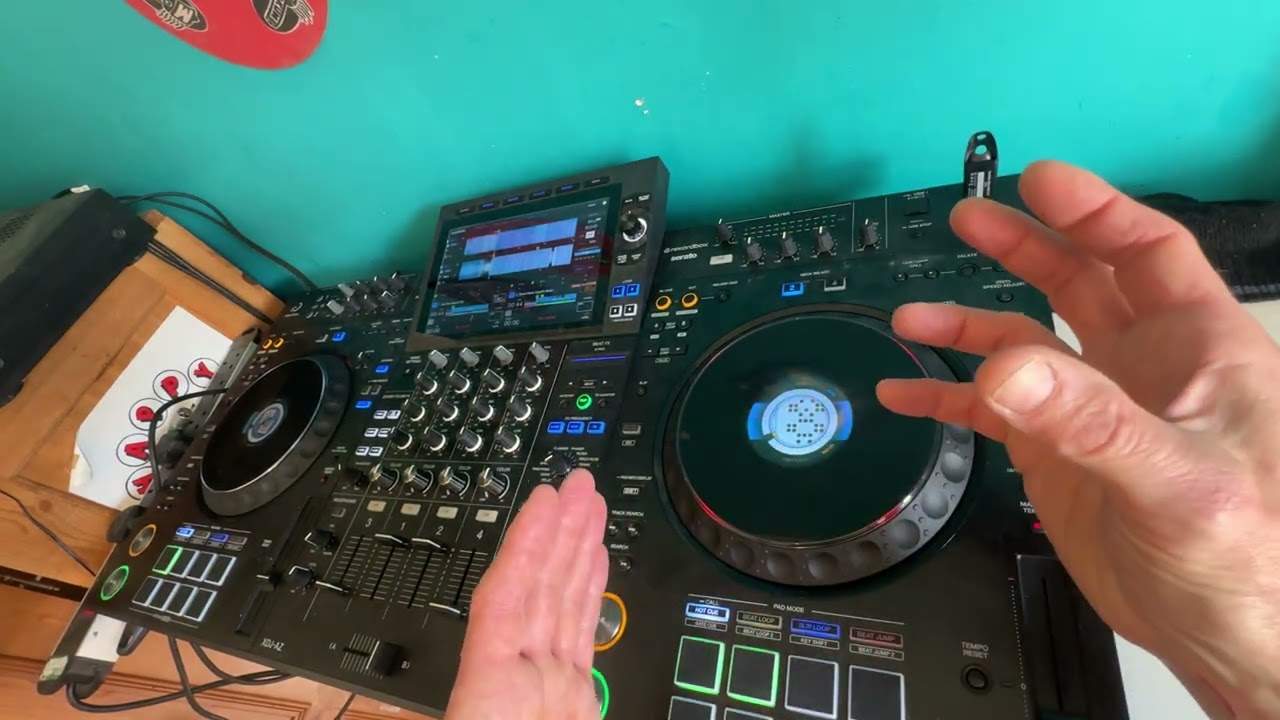
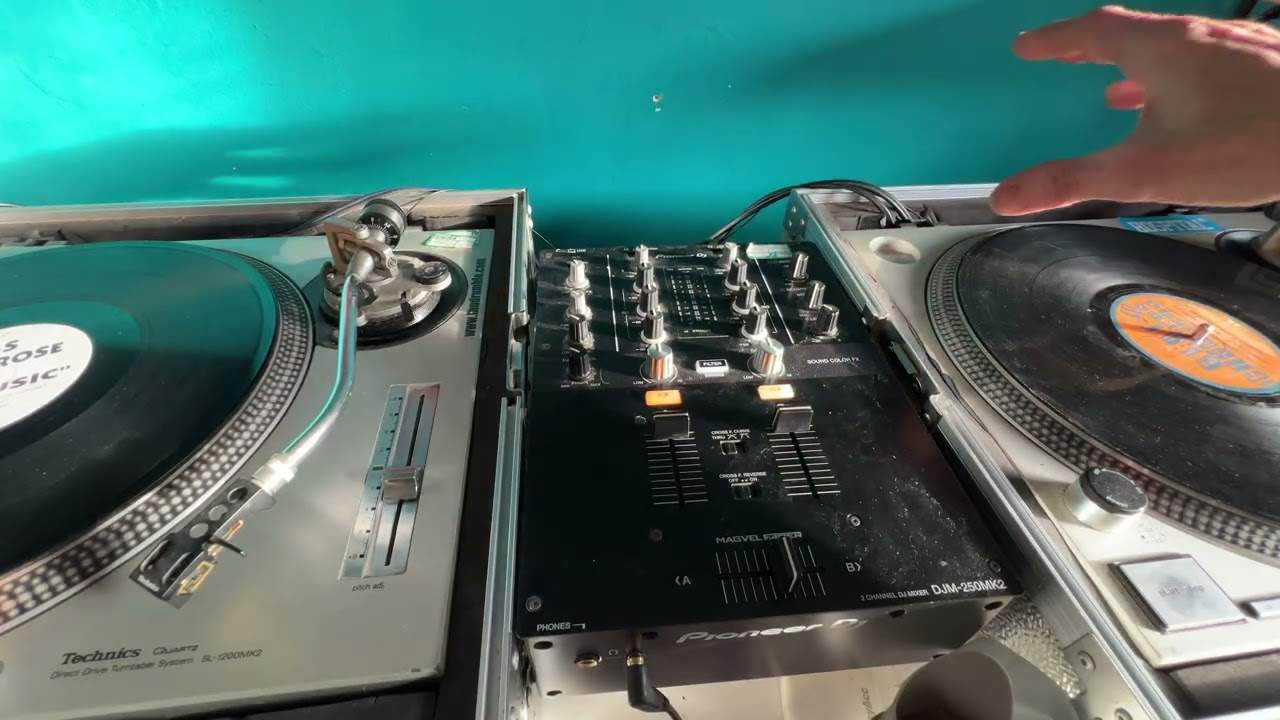
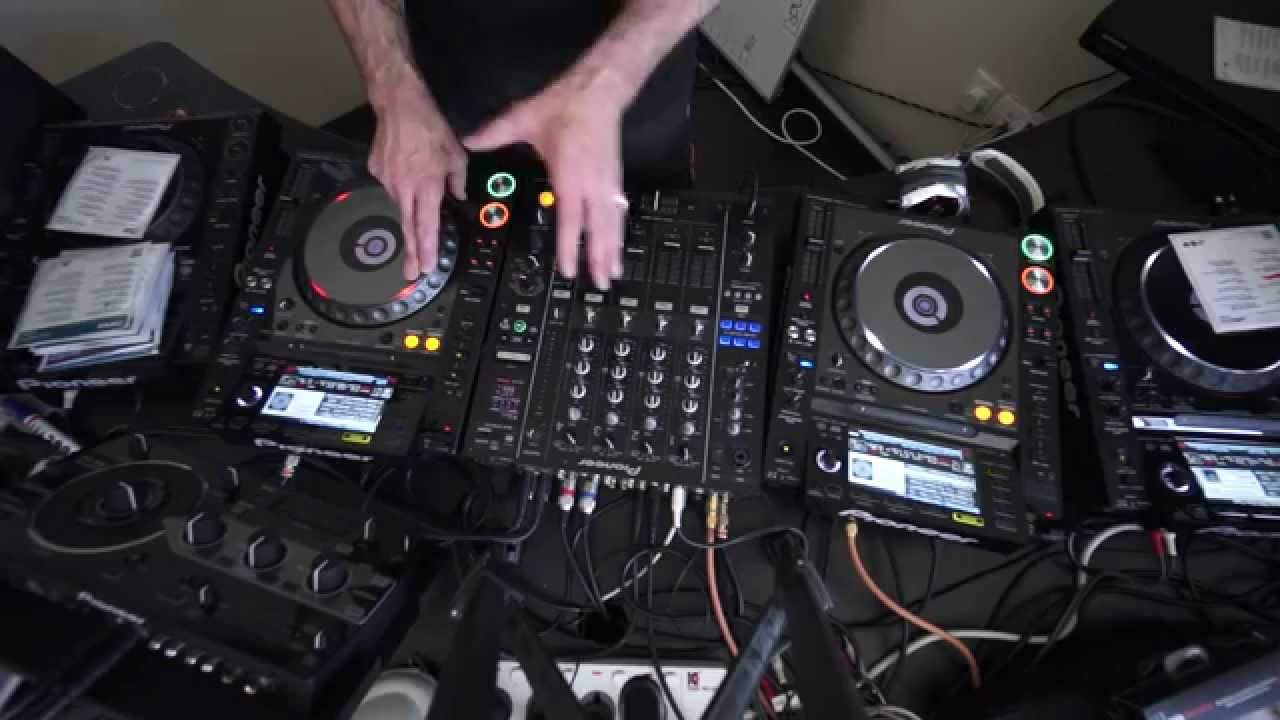
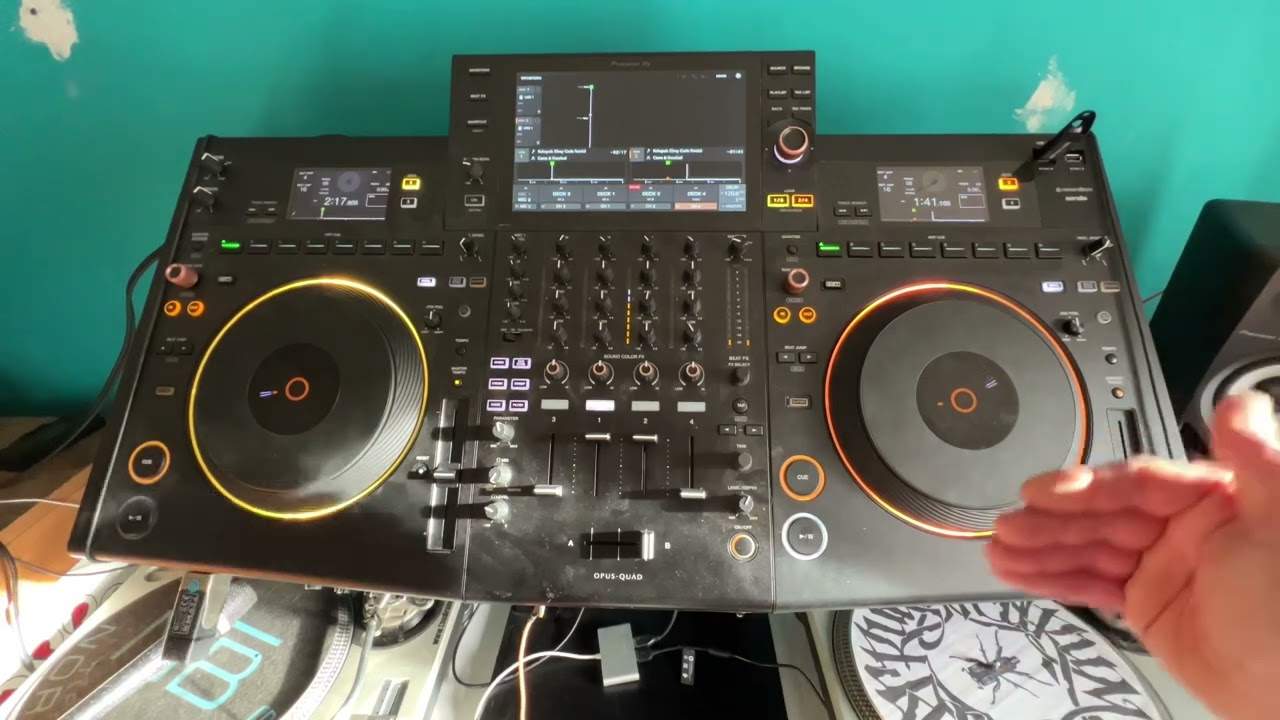
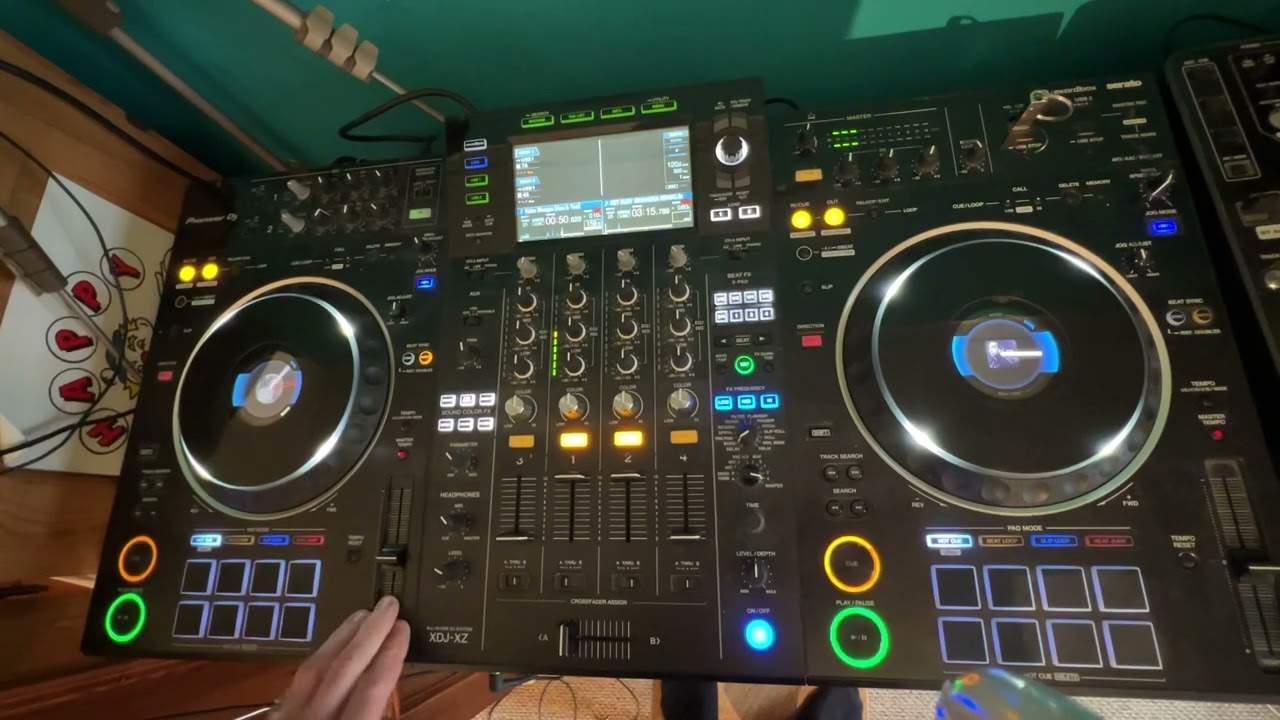
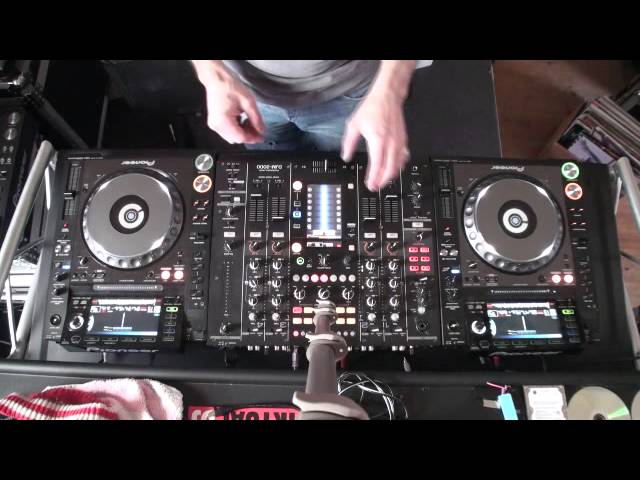
Now in this selection of videos, what I'm going to be doing is explaining a little bit more about what a mobile DJ will do. Anyone who is a mobile DJ or who has been a mobile DJ for a long time will pretty much tell you that they do not continually mix all night. You don't do that. If you're a club DJ, you probably do. If you're a house DJ, you probably do. They want to hear your mixing and the transitions and the smooth this and the other. When you're a mobile DJ, It's about playing the music. The main thing is about having good transitions, making sure that the key, the feel is the same. So I've got a demo here. We've got a hip-hop track and we've got a really old school track. Now there's a couple of ways how I can chop these in. How a mobile DJ would chop them in. The first one is pretty simple and straightforward. The second one is a little bit more interesting, slightly more difficult and you have to use your ear.
Because when we're dealing with a band, of course, when a band plays with proper drummer, keyboard, guitarist, singer, they're not necessarily in time all the time. They could be slightly off, so the track could maybe start at 120. Within three seconds it could be 120.2. Within five seconds after that, which is eight seconds, it could be 120.3. So it's not perfect BPM all the time because you're having a drummer, a real person, Playing the drums, trying to act like a metronome, which is very difficult. So the second mix will be slightly more difficult. So what I'm going to do is give you a bit of a demo. So here we go. We'll wang that down there. And two tracks. So, right. Now first of all, this one here, this by the way, Lynyrd Skynyrd's Sweet Home Chicago.
2:43 Mobile DJ would do is listen
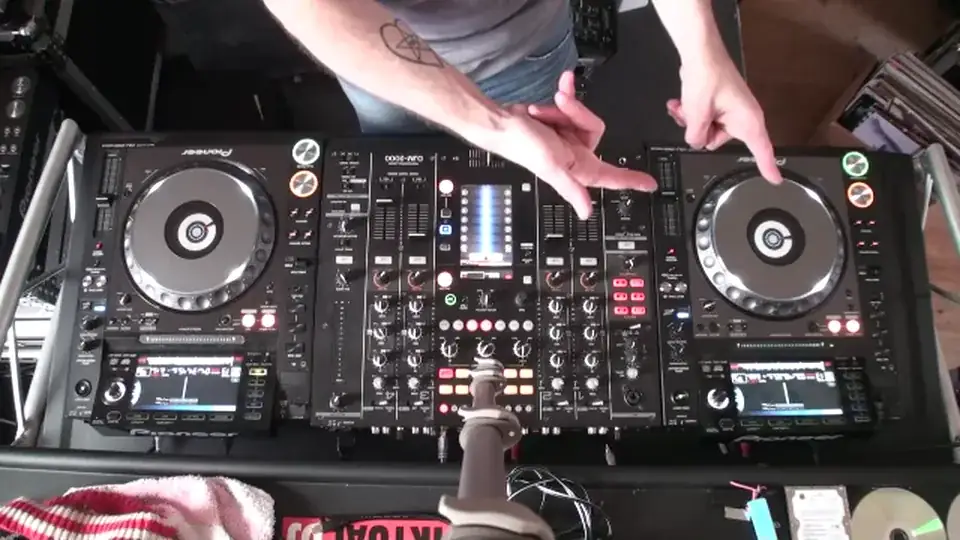
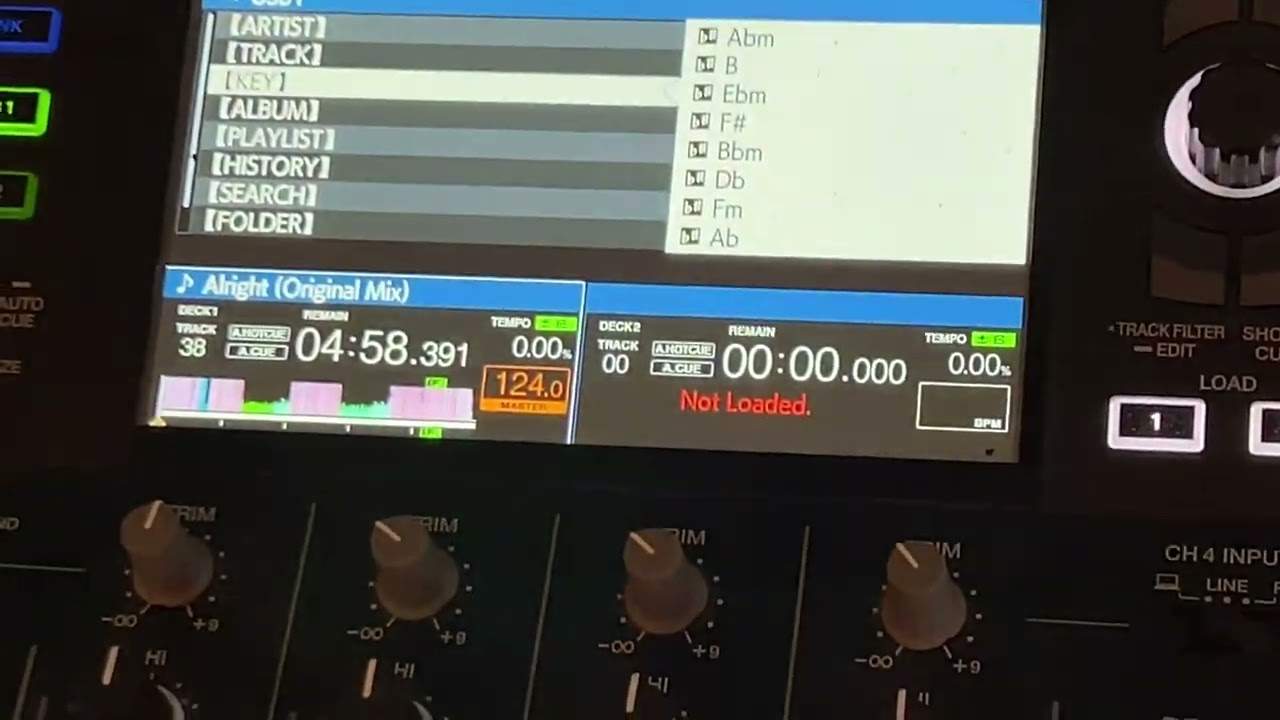
And if you don't know that one, then I'm afraid where have you been for the past 50 million years? Okay, so... And I promise you this time I will put the names in the description. Now the first thing a mobile DJ would do is listen. If they want to somehow have some sort of smooth transition, they'll listen to the track they're bringing in. Also listen to the track that's playing. And try and find a suitable place in the track that's playing where they can bring the track that they want to bring in into the track that's playing. This is the key. So... Alright, now we could bring 1, 2, 3. Now you notice, have a listen again, there was no 4. Why not? The timing was still there, there was a gap where they would have said 4. Have a listen.
5:00 I know it isn't, it's at the end anyway, sorry
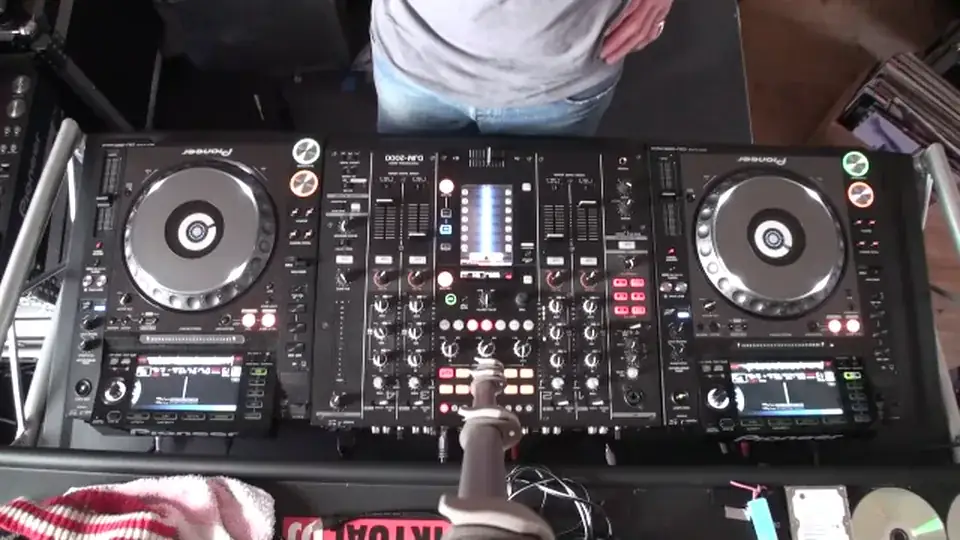
I'm going to bring it in the... One, two, three. So... Alright, again, you know, this is playing through. Let's imagine a crowd are jumping around eating bananas and... Alright, now I just did a quick smooth one to the other. Why did I do a little bit of a spin back? Because I'm quite sure... There's a point at which we get more vocals in, more rap, and I didn't want to sort of chop that up. I'll do exactly the same thing again. This time I won't do a spin back. Here we go. I think it's this point. Bear with me. I know it isn't, it's at the end anyway, sorry. Right, no we're still not, well no I'll carry on, hold on. So I would have, if I'd have brought it in there and I've had that... Alright, so that is one way a mobile DJ should do it because we have not only timing, they are keys that work well together and also there's this nice bit of continuity.
The more difficult way of doing it would be something like this. So, we'll go back to the end. Now you'll notice there was a lot of movement down there. It's because they're... possibly again this is a very quick demo i haven't listened to the beginning of that where let's say i haven't listened to make sure it's in perfect timing but what i tried to do then was more of a smoother transition all right now again this is another way how mobile djs will do mixing it isn't a continual bpm mix like so smooth for 16 or 18 bars it is on the odd occasion but more than likely a mobile dj when they are mixing Tracks of different genres and styles. They'll chop and try and do a smoother, more shorter transition. Hope that's been a help. Practice and enjoy. I do.
This transcript was produced automatically from the audio of the video and may contain mistakes.