 14:37
DJ Lesson on Making a Mash up in the Mix, in Your Set
Contents of the video
0:00 In this demonstration stroke lesson I'm going to do a bit of a mash-up
Alright ladies and gentlemen, in this demonstration stroke lesson I'm going to do a bit of a mash-up. Now first of all, I've done over 3,000, probably 3,500 videos on the web, and I could, this is how intricate a video like this, this one you're watching now could be, I could do over 3,000 videos on just this one subject or a part of this one subject. So whenever I do similar videos, I'm adding certain more facets, certain different angles that will hopefully inspire you and get you doing stuff and opening your mind more and realising that you can take your mixing to the next level. Now a mash-up first of all is when we add two tracks together. And they form one track. Now what you do find with a lot of mash-ups is, if we imagine a volume from a scale of 1 to 10,
What you'll find with a mash-up is both volumes will be at 10, they'll both be at the same volume. And where a mash-up's concerned, both tracks could be running at the same time, one could come in, come out, they're overlapping, that's a good mash-up. But there are actually different ways of doing mash-ups. Now if you are, let's say, a mobile DJ. And you find it very difficult to play underground tracks. Well this is one way of how you can incorporate an underground track without even the crowd knowing about it. Another one is if you're a club DJ and you want to get that commercial track that you're playing all the time that happens to be really big and exciting. You wanna take it to the next level, you want to be different from the other DJ.
This is a good way of you being different because your mash-up will be different to anyone else. And if anyone copies you then... They've copied you, which means you're still different because they copied you. And also if you're going to do this kind of mash-up, then you don't have to do it the same way all the time. You can do it different ways all the time. It's about being... Just being open minded, open minded, sorry. And trying to construct something in your head that is new and exciting. The two tracks I'm using is Night of the Hornheads. It sounds a little bit like this.
2:24 We haven't got any audio
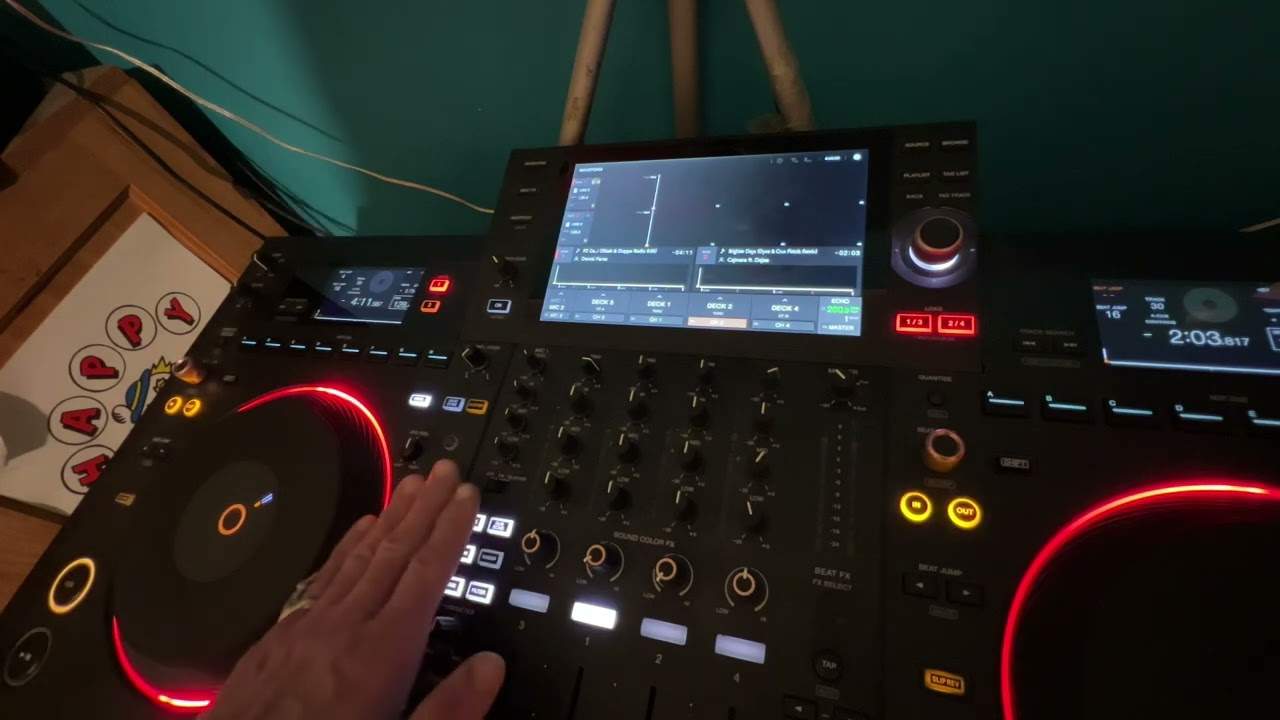
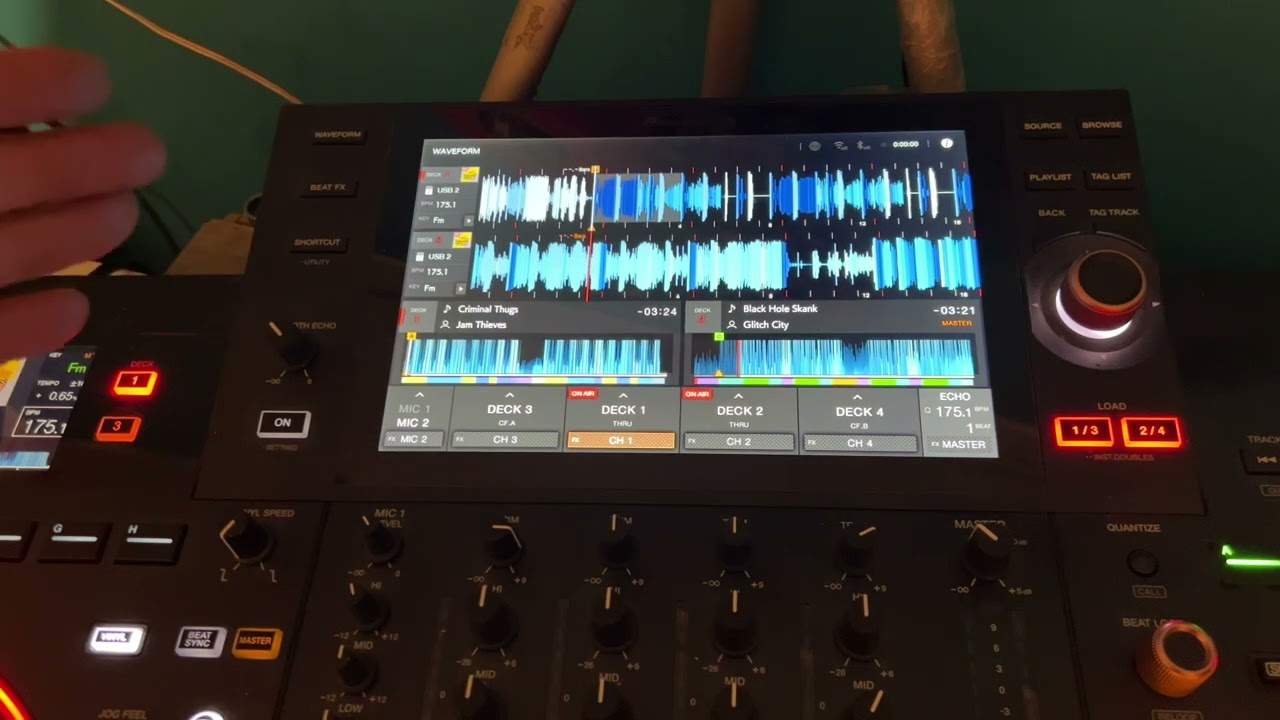
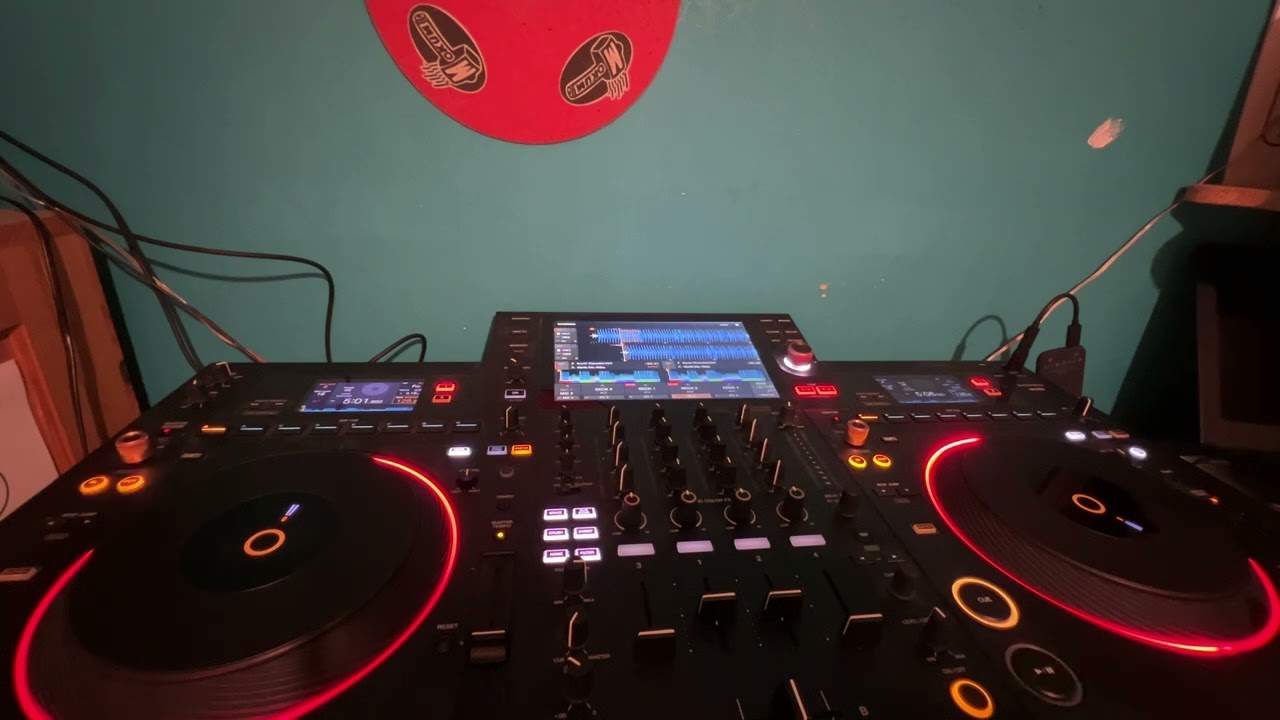
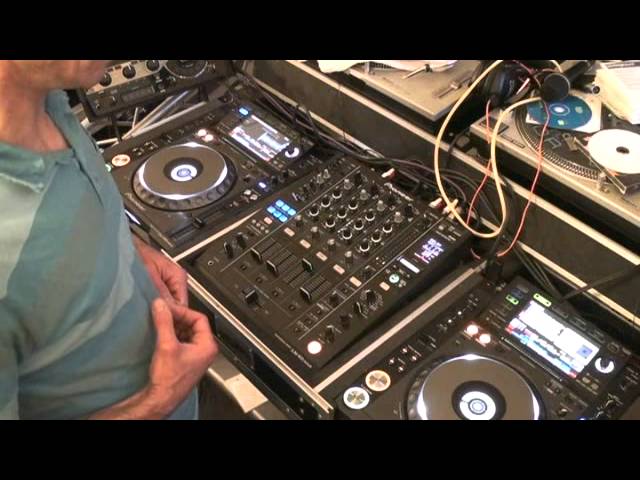
And the other one, which you should know is Duke Jamant 100%. No, not that mix. This one here. Right, so what I'm going to do, I'm gonna go step by step and if we go quite close to the mixer now... Alright, so there it is. The first thing I'm going to do, I don't know if you can see, but the LEDs are quite high so I'm going to reduce the LEDs down. We haven't got any audio. There we are. I'll leave them about there. Now what I've done... We've got the DJM-900 Nexus. I have set the EQ curve here to isolate. What that will mean is that when I take away bass, mid or treble, it will get rid of the entire frequency range from that dial. So I'll give you a demonstration. If we remove all... Not remove, sorry. If we turn these three dials to the 7 o'clock position, you can now see the LEDs have completely gone.
That's because there's no audio going into that channel. If I bring the mid up, high, and bass.
Now for this demonstration and this kind of mashup, this is what I want to do. Also as well for this demonstration, I'm not using any headphones. This is a very random and rough one but of course it's up to you to take it to the next level. Now, Night of the Hornheads, here it is. Night of the Hornheads Now we can hear straight away that that's quite a nice, bassy and bouncy kind of track. So what I'm going to do with this mashup... I want to have almost the emphasis on Night of the Hornheads which is on my left hand side. On the right hand side, we've got Duke Jamant Niju 100%. I want this to almost be in the background. I'm just going to zoom out a little bit. Have this in the background but at the same time I want to try and make it as though I've all of a sudden...
Just made a new track. Not only will I be making a new track but I'm going to add cue points. Now, I've done that by setting a couple of cue points.
5:03 I've got a couple of cue points
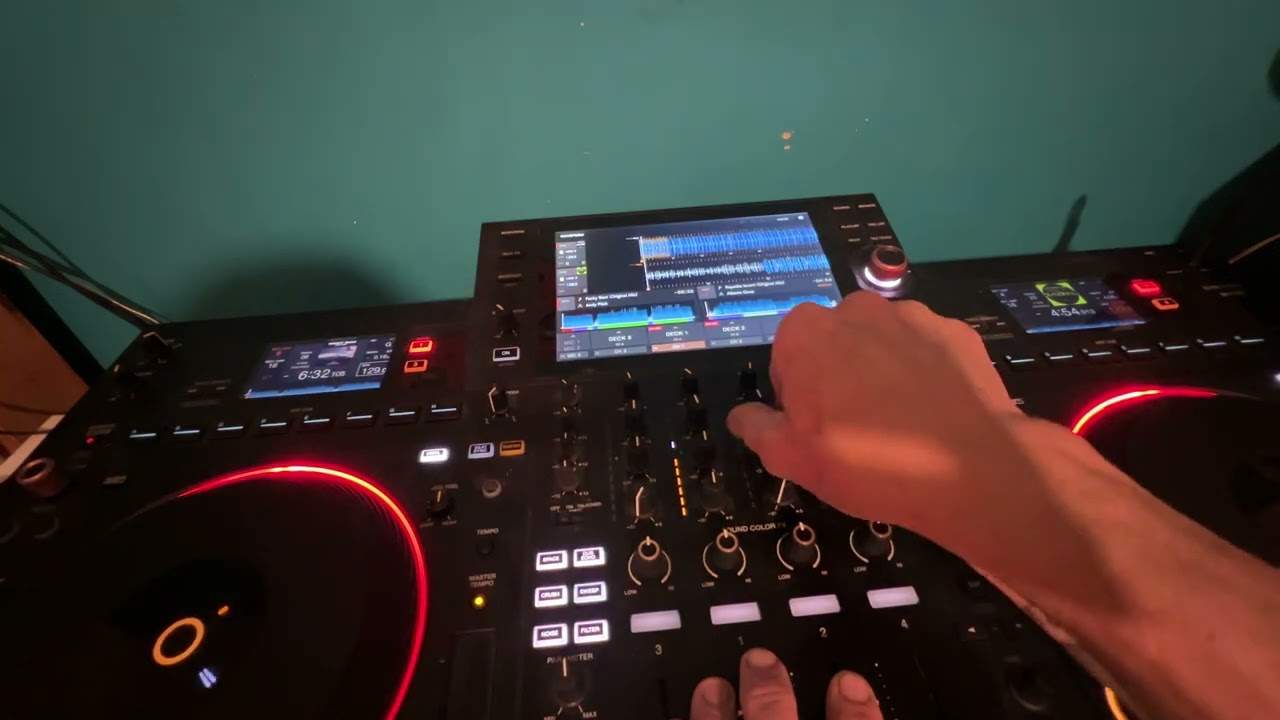
So I've got a couple of cue points. Now straight away... Not straight away, sorry. Like I said earlier, I want to have more emphasis on the Night of the Hornheads so I'm going to take away the bass from Duke Jamant. I'm going to have a listen now. I'm going to press the cue.
Now because I've taken away the bass, that means that the overall volume of that track will be a lot lower. So I can start to increase the mid slightly and the high to compensate for the fact that I've removed the bass completely.
Let's get a third one.
Okay, three cue points on a very well-known track at the moment. Now this is the emphasis here. This kind of mashup really is about finding a track that's very popular but it's got to the stage where you know what? Everyone knows it. Why don't we take it to the next level and add it in a mashup? So, Night of the Hornheads.
6:35 I'm trying to almost have that subtle Duke Ja
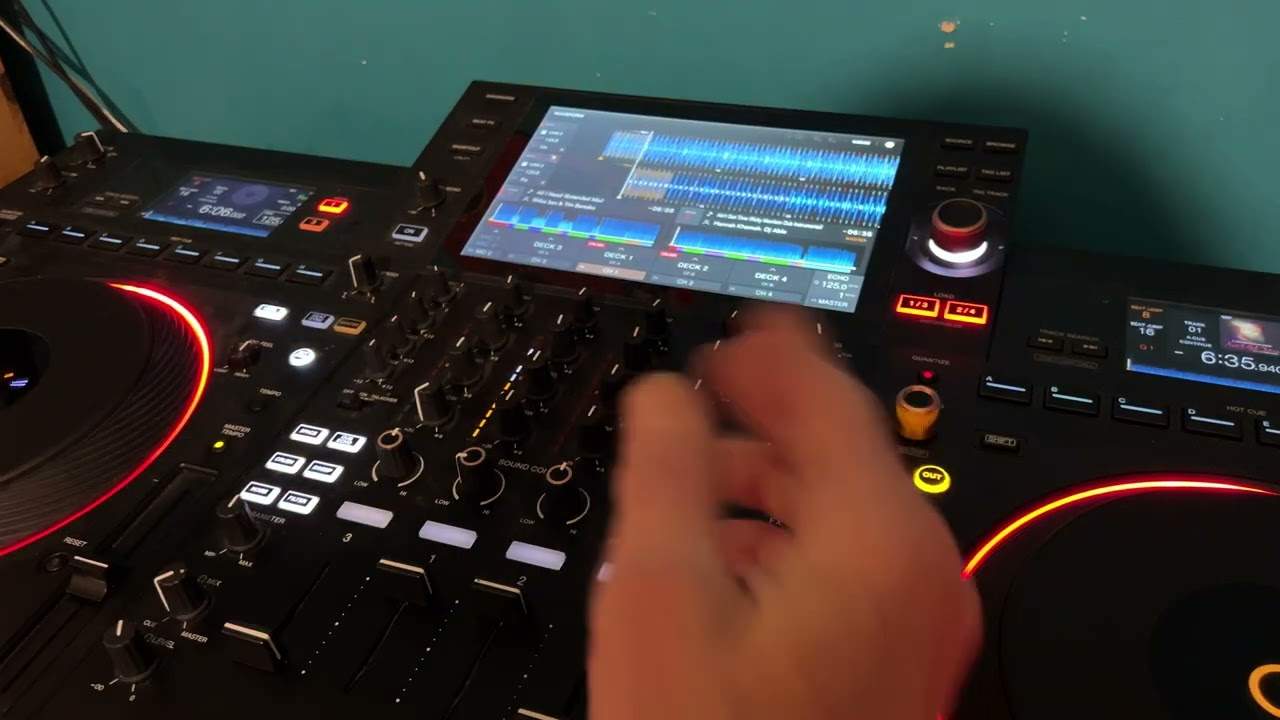
And as well, like I said earlier, about this video could be 3000. We can add... effects. We can add some filter. What I'm going to do, I'm going to do near enough exactly the same thing but I'm going to now have the bass, the low on the Duke Jamant track. I'm going to put the mid back to 12 o'clock and the high back to 12 o'clock Now we'll have a listen to the difference. What you'll find is that both tracks are trying to compete to be the loudest. Alright, admittedly we could bring the volume down a little bit but this isn't what I'm trying to do. I'm trying to almost have that subtle Duke Jamant in the background
Emphasise Night of the Hornheads but at the same time try and get some form of mashup So, same thing I'll put this down a little bit Using the reverse
9:49 Press press, mixing
I'll show you What I'm doing is Let's have a look If I just go a bit closer to this track there What I'm doing is I'm using the reverse at the same time So it's Press, press Press, press B, B Missed it All the time I'm counting Alright so If I just bring this out Of course it's all well and good doing this kind of thing but how do we add this to the mix? I'm going to slide something like this into the mix It is very simple Now let's imagine we have a track playing on this side here Alright, so all of a sudden Wonderful, beautiful track playing and then we mix in the hornheads So we're mixing this in What we do though Now here is the genius While this tracks playing And we're mixing in this track here Or even before we mix the track in
What we can do is We can set a cue point on this track So if you're familiar with DJing You will understand what I'm saying So, we've got a track playing here And on the headphones We've started to mix the hornheads in But prior to mixing it in What I'm going to do I'm going to set a cue point So let's imagine now On my headphones We've got the hornheads
11:33 Crowd And you think maybe they
Now that's my cue point So, and I would have done that On my headphones We have that transition The mix into the hornheads And then all of a sudden now We are trying to find Because this is what happens This is where the random And the thoughts come in And like how should we take this mix What should we do It's a case if you look at the crowd And you think maybe they Yeah, maybe they like a mashup Maybe not, maybe they want to go up They want to go down And bring in with Night of the Hornheads But of course the trouble is While you're doing that This track is carrying along And it's moving through the track So, by the time you've found A certain song to bring in To mashup with that one The hornheads track might have finished
But of course it hasn't Well it has, it might have finished But because you set a cue point It means you can go right back to that cue point And then start your mashup So for example, here we go So we've found a track That's playing Then we get the BPM correct On the track we're bringing in Prior to that Or while we're getting the BPM correct We set a cue point Then we do our transition And then we have this track playing While this track is playing We then find a track That we can mix in And make our mashup As soon as we've found that track Then we can go back to the cue point of this one So we set our cue point There's our cue point So there you go, it's finishing It's virtually at the end of the track We've got 54 seconds left
And of course you may be thinking Will the people have just heard this They don't want to hear it again Well they do Because you're going to be playing it slightly differently Because you're going to make a mashup Bang and there you go Starting from the beginning
This transcript was produced automatically from the audio of the video and may contain mistakes.